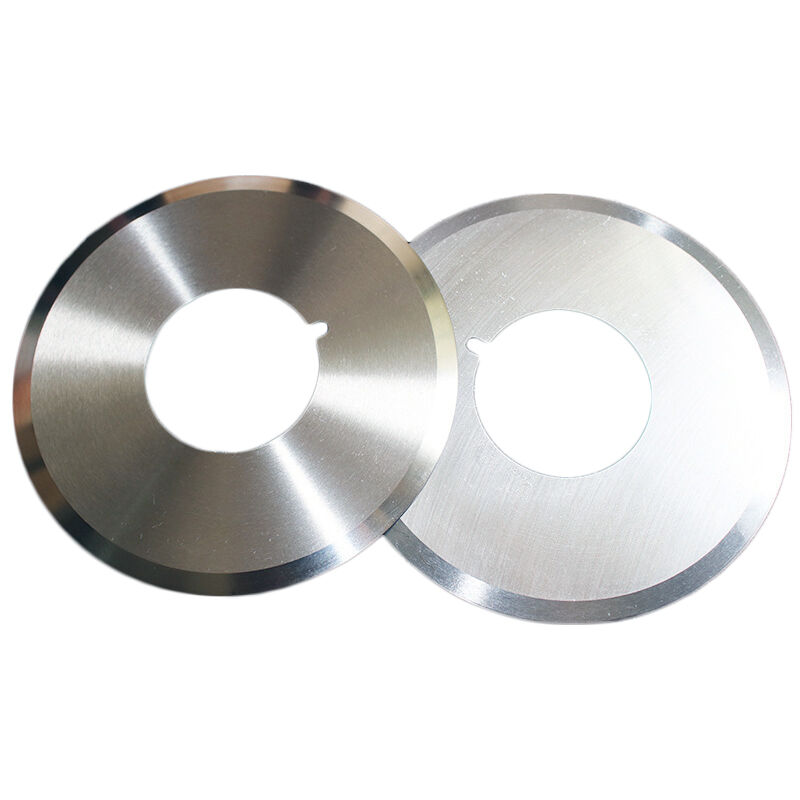
Premium Film Slitting Blade Solutions - Precision Cutting Technology for Manufacturing Excellence

All Categories

Get a Free Quote

Our representative will contact you soon.
Email
WhatsApp
Name
Company Name
Message
0/1000

film slitting blade

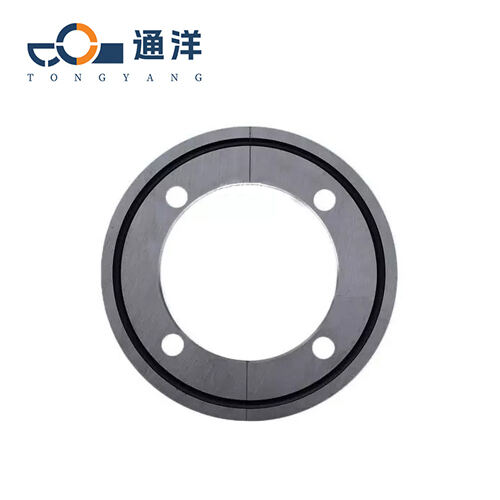
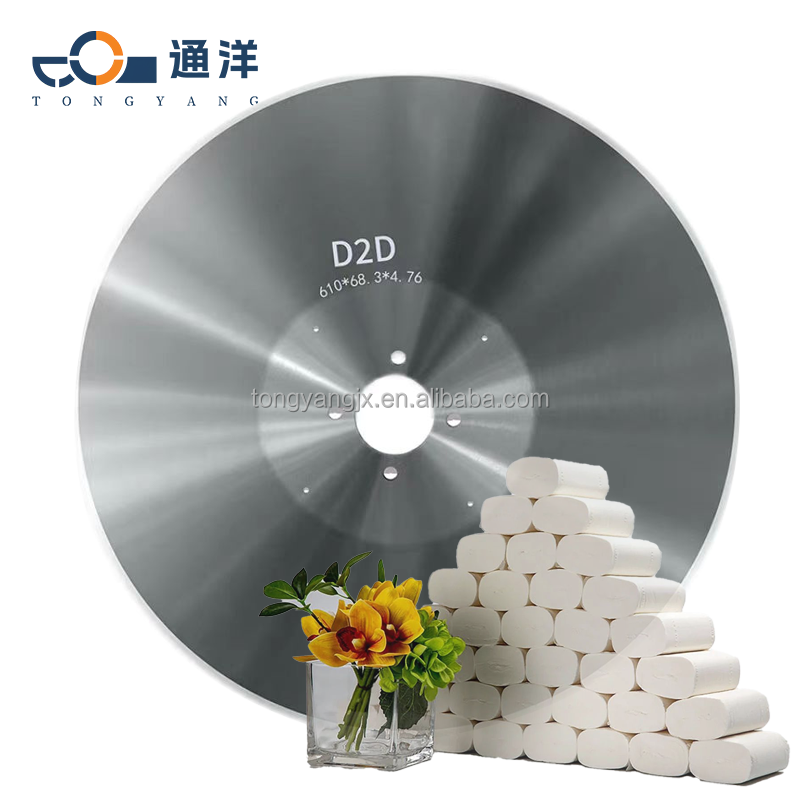
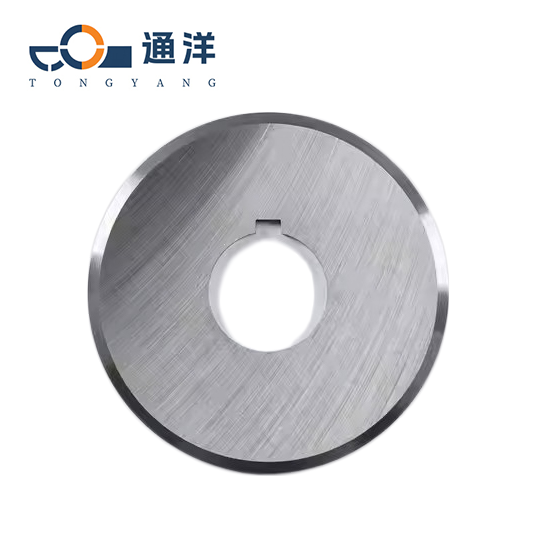
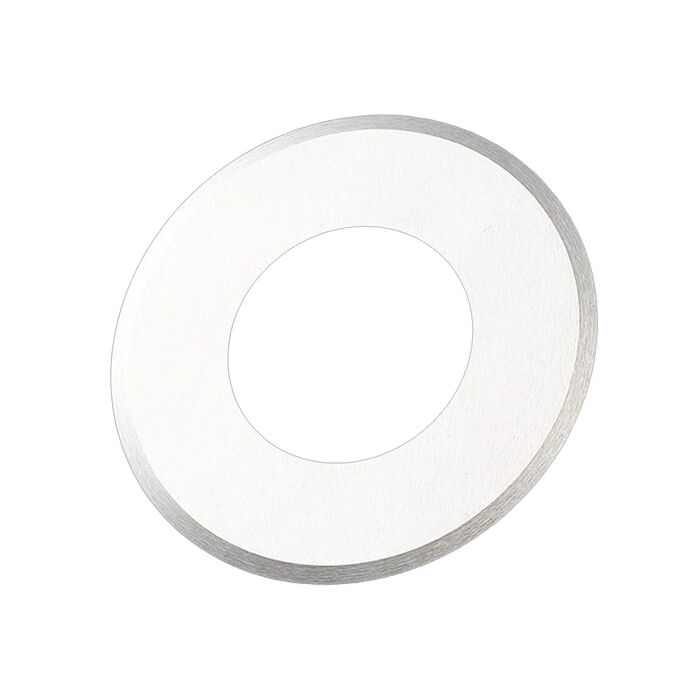
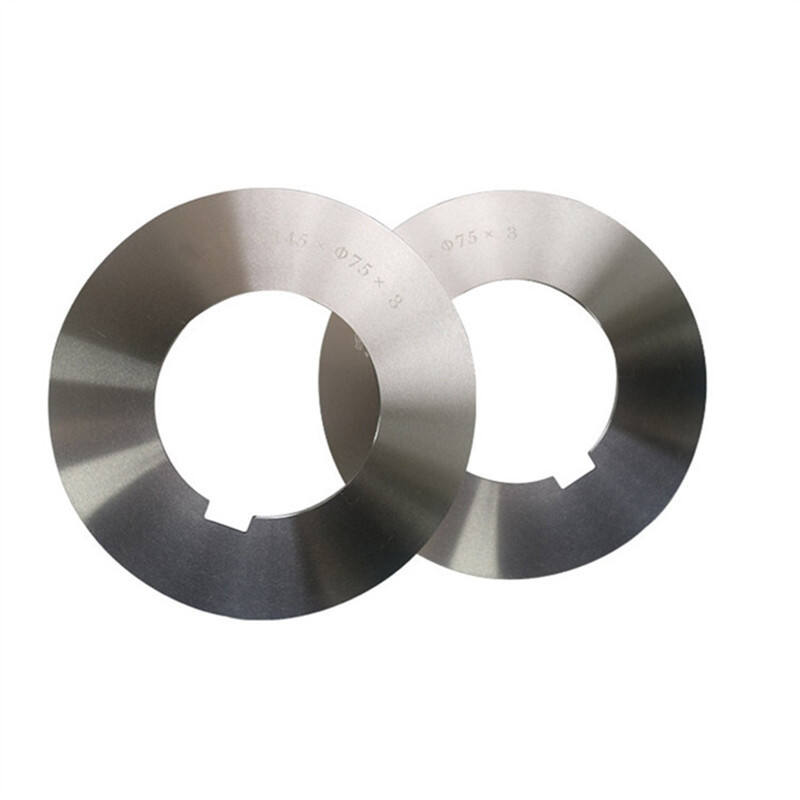
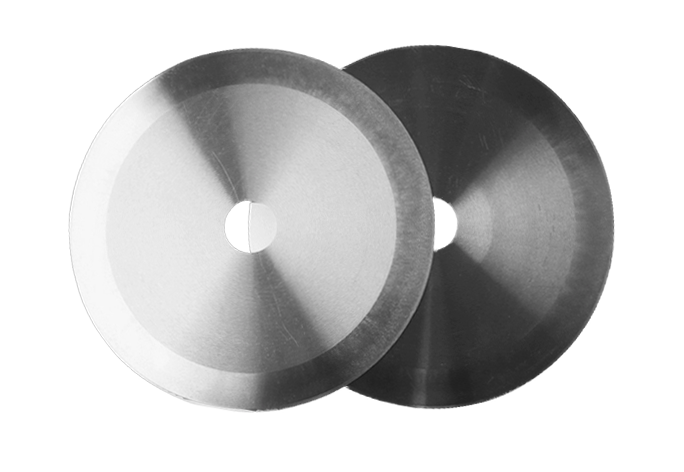
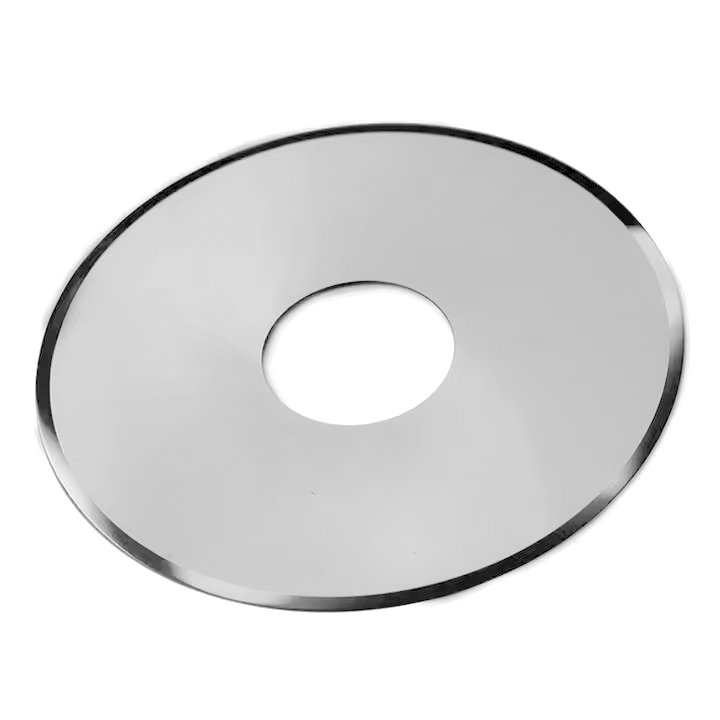
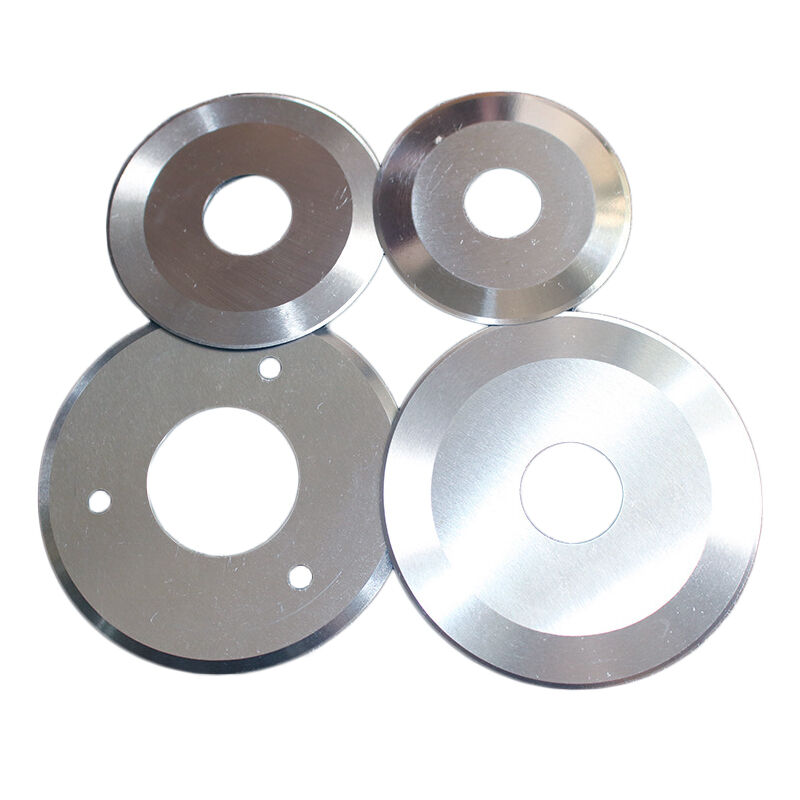
The film slitting blade represents a critical component in modern manufacturing and processing operations, specifically designed to cut through various types of plastic films, packaging materials, and flexible substrates with exceptional precision. This specialized cutting tool serves as the heart of slitting machinery, enabling manufacturers to transform large master rolls of film into narrower rolls of specific widths required for different applications. The film slitting blade operates through a carefully engineered cutting mechanism that ensures clean, straight cuts without compromising the integrity of the material being processed. These blades are manufactured using premium-grade steel alloys that undergo rigorous heat treatment and precision grinding to achieve optimal hardness, sharpness, and durability. The technological sophistication behind each film slitting blade involves advanced metallurgical processes that create a perfect balance between edge retention and resistance to wear. Modern film slitting blade designs incorporate specific geometries and angles that have been refined through extensive research and real-world testing, ensuring maximum cutting efficiency across diverse material types. The applications of film slitting blade technology span numerous industries, including packaging, printing, laminating, adhesive tape manufacturing, food processing, pharmaceutical packaging, and electronics. In the packaging sector, these blades enable precise conversion of large film rolls into specific widths suitable for wrapping, bagging, and protective applications. The printing industry relies on film slitting blade accuracy to prepare materials for labels, flexible packaging, and decorative films. Furthermore, the film slitting blade plays an essential role in the production of medical packaging materials where precision and cleanliness are paramount. The versatility of film slitting blade applications extends to technical films used in solar panels, display screens, and battery separators, demonstrating the broad impact of this technology across manufacturing sectors globally.

Popular Products

Investing in high-quality film slitting blade technology delivers substantial benefits that directly impact your production efficiency and bottom line. First and foremost, these blades significantly reduce material waste by creating exceptionally clean cuts that minimize edge defects and scrap generation. When your cutting process produces consistent, burr-free edges, you eliminate the need for secondary trimming operations, saving both time and raw materials. The precision offered by advanced film slitting blade designs translates into tighter tolerance control, which means your finished products meet exact specifications every single time. This consistency becomes especially valuable when dealing with high-value materials or when supplying customers with strict quality requirements. Another major advantage centers on operational speed and productivity. A sharp, well-designed film slitting blade maintains its cutting performance over extended production runs, allowing your machinery to operate at optimal speeds without frequent downtime for blade changes. This extended service life reduces maintenance costs and keeps your production lines running smoothly. The durability engineered into modern film slitting blade products means fewer interruptions, less downtime, and more predictable production schedules. Cost efficiency emerges as another compelling benefit. While premium film slitting blade options may require a higher initial investment, their superior performance and longevity result in lower per-unit cutting costs over time. You spend less on replacement blades, reduce labor costs associated with changeovers, and maintain consistent output quality that minimizes rejected products. Safety considerations also favor quality film slitting blade selection. Precisely manufactured blades with proper balance and mounting features reduce vibration and the risk of blade failure during operation, creating a safer working environment for your operators. Additionally, modern film slitting blade technology accommodates a wide range of materials without requiring extensive adjustments or specialized tooling. Whether you work with polyethylene, polypropylene, polyester, nylon, or multilayer films, the right blade configuration handles these materials efficiently. This versatility means you can respond quickly to changing customer demands or new product opportunities without significant equipment modifications. The clean cutting action of premium film slitting blade products also protects the quality of heat-sensitive materials by minimizing friction and heat generation during the cutting process. This gentle treatment preserves material properties and appearance, ensuring your finished products meet the highest standards. Finally, working with reliable film slitting blade suppliers provides access to technical support and application expertise that helps you optimize your entire slitting process for maximum efficiency and profitability.

Latest News

How to Choose the Right Circular Knife for Your Cutting Application

25

Mar

How to Choose the Right Circular Knife for Your Cutting Application

Selecting the appropriate cutting tool for industrial applications can significantly impact productivity, product quality, and operational costs. Among the various cutting instruments available in manufacturing environments, the circular knife stands...
View More
Choosing the Best Circular Knife for Fabric Cutting

30

Mar

Choosing the Best Circular Knife for Fabric Cutting

Selecting the right circular knife for fabric cutting represents one of the most critical decisions in textile manufacturing and processing operations. The precision, efficiency, and quality of your fabric cutting directly impacts production costs, m...
View More
How to Choose the Perfect Metal Cutting Blade: Pro Guide

06

May

How to Choose the Perfect Metal Cutting Blade: Pro Guide

Selecting the right metal cutting blade is a critical decision that directly impacts production efficiency, cut quality, blade lifespan, and overall operational costs in industrial metalworking operations. Whether you're processing thin gauge steel, ...
View More
How to Sharpen Your Circular Knife: Step-by-Step Guide

30

Apr

How to Sharpen Your Circular Knife: Step-by-Step Guide

Maintaining the sharpness of your circular knife is essential for achieving clean, precise cuts in industrial and commercial applications. Whether you work in rubber processing, textile manufacturing, paper cutting, or food production, a dull circula...
View More

Get a Free Quote

Our representative will contact you soon.
Email
WhatsApp
Name
Company Name
Message
0/1000

film slitting blade

Superior Edge Quality and Cutting Precision

Superior Edge Quality and Cutting Precision

The exceptional edge quality delivered by premium film slitting blade technology stands as one of its most valuable characteristics, directly influencing product quality and production efficiency. When a film slitting blade creates a cut, the quality of that edge determines whether the material can proceed directly to subsequent processing steps or requires additional treatment. Superior blade engineering ensures that each cut produces smooth, clean edges without ragged tears, stretched areas, or microscopic defects that could compromise performance. This precision becomes particularly critical when processing thin films where even minor imperfections can propagate into larger problems during unwinding or further processing. The metallurgical composition of high-quality film slitting blade products incorporates carefully selected steel grades with specific hardness characteristics that maintain a sharp cutting edge through thousands of linear cutting meters. Advanced grinding techniques create blade edges with consistent geometry measured in micrometers, ensuring uniform cutting pressure across the entire width of the material. This consistency prevents variations in edge quality that could affect how the film behaves in downstream applications such as printing, laminating, or packaging operations. The angle and profile of the film slitting blade edge are engineered based on extensive testing with different film types, thicknesses, and production speeds. These optimized geometries ensure that the blade slices through material rather than tearing or deforming it, which is essential for maintaining the structural integrity of the film. For multilayer films containing different polymers with varying mechanical properties, the right film slitting blade design accommodates these complexities without causing delamination or layer separation. Temperature control during cutting represents another dimension where blade quality matters significantly. A properly designed film slitting blade minimizes friction and heat buildup that could cause thermal damage to sensitive materials. This becomes especially important when working with films destined for food contact applications or medical packaging where material properties must remain unchanged. The precision achievable with modern film slitting blade technology also enables tighter width tolerances, which translates into less material waste and better inventory management. When you can reliably produce rolls within plus-or-minus half a millimeter of target width, you reduce the safety margins that traditionally add cost to production. Furthermore, consistent edge quality from your film slitting blade improves the performance of finished products, whether that means better seal integrity in packaging applications or improved optical clarity in display films.
Extended Operational Life and Durability

Extended Operational Life and Durability

The operational longevity of a film slitting blade directly affects production costs, maintenance schedules, and overall manufacturing efficiency, making durability one of the most economically significant characteristics of this technology. Premium film slitting blade products are engineered to maintain their cutting performance through extended production runs, often processing millions of linear meters before requiring replacement. This extended service life results from sophisticated material science and manufacturing processes that create blades with exceptional wear resistance. The heat treatment protocols applied during film slitting blade manufacturing transform the molecular structure of the steel, creating a hard, wear-resistant surface while maintaining a tough, impact-resistant core. This combination prevents both rapid edge dulling and catastrophic blade failure, ensuring reliable performance throughout the blade's service life. When a film slitting blade maintains its sharpness longer, production lines operate at optimal speeds without the gradual performance degradation that occurs with inferior blades. Operators notice fewer edge defects, less dust generation, and reduced vibration as the blade continues cutting cleanly rather than tearing through material. The economic advantages of durable film slitting blade technology extend beyond simple replacement cost calculations. Frequent blade changes consume valuable production time and require skilled technicians to perform the changeover safely and correctly. Each changeover also creates an opportunity for setup errors that could affect product quality or even damage expensive equipment. By extending the interval between blade changes, durable film slitting blade products minimize these disruptions and keep production lines running productively. The consistency of cut quality throughout the blade's life cycle represents another important dimension of durability. Some lower-quality blades may start sharp but deteriorate rapidly, creating a situation where edge quality varies significantly between the beginning and end of the blade's usable life. Premium film slitting blade engineering ensures that performance remains within acceptable parameters throughout the entire service interval, providing predictable quality that simplifies production planning and quality control. Material selection plays a crucial role in film slitting blade durability, with manufacturers choosing steel grades specifically formulated for cutting applications. These specialized alloys incorporate elements that enhance wear resistance, corrosion resistance, and edge stability under the stresses of high-speed cutting operations. Surface treatments and coatings further enhance durability by reducing friction, preventing adhesive buildup, and protecting against chemical exposure from certain film types. The dimensional stability of a film slitting blade throughout its service life also contributes to durability value. Blades that maintain their flatness and straightness continue to produce accurate cuts, while those that warp or distort create quality problems that force premature replacement even if the edge remains reasonably sharp.
Versatile Material Compatibility and Application Range

Versatile Material Compatibility and Application Range

The remarkable versatility of modern film slitting blade technology enables manufacturers to process an extensive range of materials using the same basic equipment configuration, providing operational flexibility that supports diverse product portfolios and rapid response to market opportunities. This adaptability stems from careful engineering of blade geometry, material properties, and edge configurations that accommodate the varied characteristics of different film types. A quality film slitting blade performs effectively across polyethylene films ranging from lightweight grocery bags to heavy-duty industrial shrink wrap, polypropylene films used in labels and flexible packaging, polyester films for electronics and imaging applications, and specialty materials including biodegradable films, metalized films, and complex multilayer structures. The ability to handle such diversity without extensive equipment modifications represents a significant competitive advantage for converters serving multiple market segments. Understanding the interaction between film slitting blade design and material properties reveals why versatility matters so much in practical applications. Different polymers exhibit distinct behaviors during cutting: some are soft and sticky, others are hard and brittle, while multilayer films may combine materials with contrasting characteristics. A versatile film slitting blade design manages these variations through optimized edge angles, appropriate blade hardness, and surface treatments that prevent material adhesion. When processing adhesive-coated materials, the film slitting blade must cut cleanly without accumulating sticky residue that would degrade performance and require frequent cleaning. Specialized coatings and surface finishes address this challenge, allowing extended production runs even with challenging materials. Similarly, when working with abrasive-filled films or metalized products, the film slitting blade must resist accelerated wear that would quickly dull ordinary cutting edges. The thickness range manageable by quality film slitting blade systems spans from ultra-thin films measuring just a few micrometers to heavy-gauge materials several millimeters thick. This range capability means a single slitting line equipped with appropriate film slitting blade technology can handle diverse production requirements without dedicated equipment for each material category. The versatility of film slitting blade applications extends beyond material types to include different slitting methods and configurations. Whether using shear slitting, razor slitting, or score slitting techniques, the blade design adapts to the specific cutting mechanism while maintaining quality standards. This flexibility allows manufacturers to optimize their process for each material and application rather than compromising performance due to equipment limitations. Temperature sensitivity presents another dimension where film slitting blade versatility proves valuable. Some materials require cutting at controlled temperatures to prevent thermal damage or dimensional changes, while others perform best at standard ambient conditions. Versatile blade designs minimize heat generation and accommodate temperature-controlled environments when necessary, ensuring optimal results across different processing conditions.

Get a Free Quote

Our representative will contact you soon.
Email
WhatsApp
Name
Company Name
Message
0/1000
Newsletter
Please Leave A Message With Us