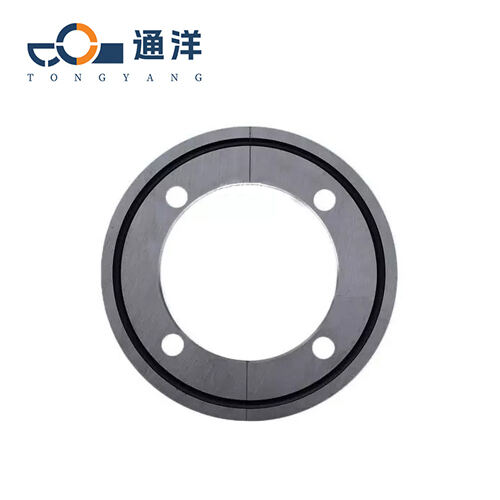
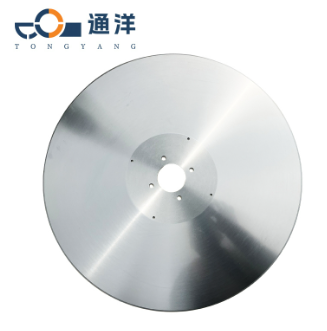
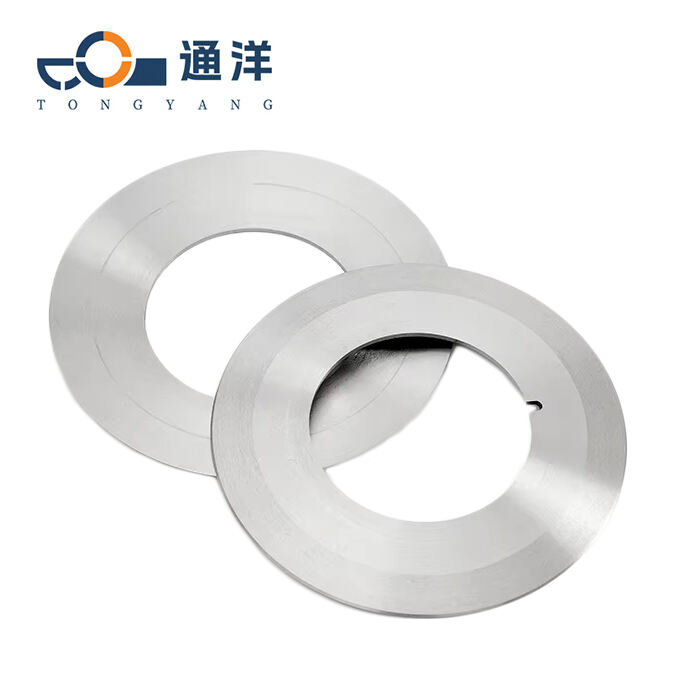
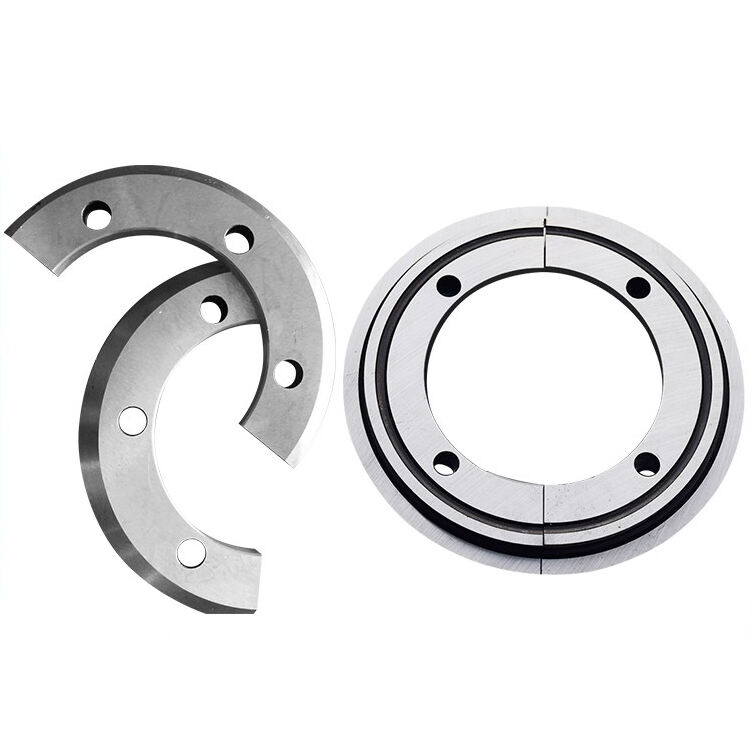
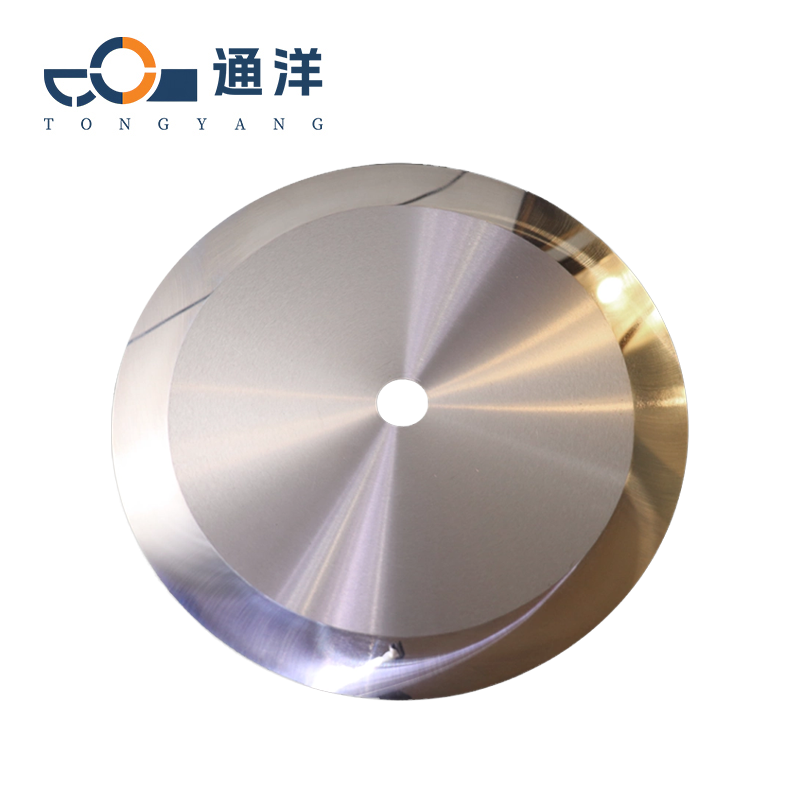
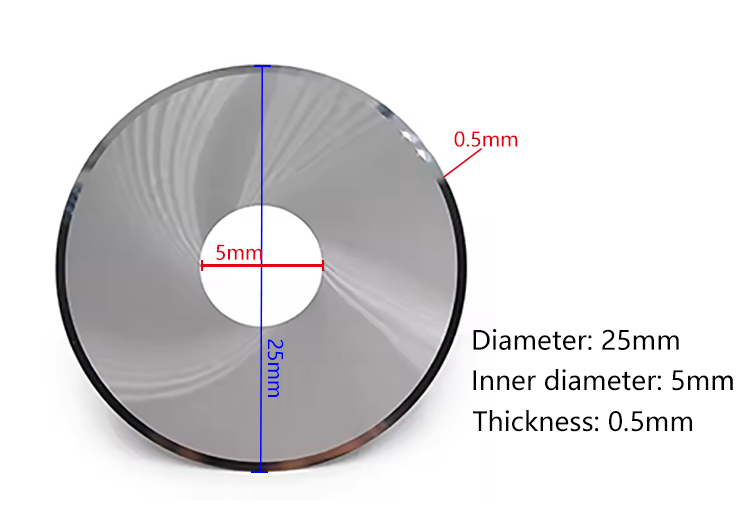
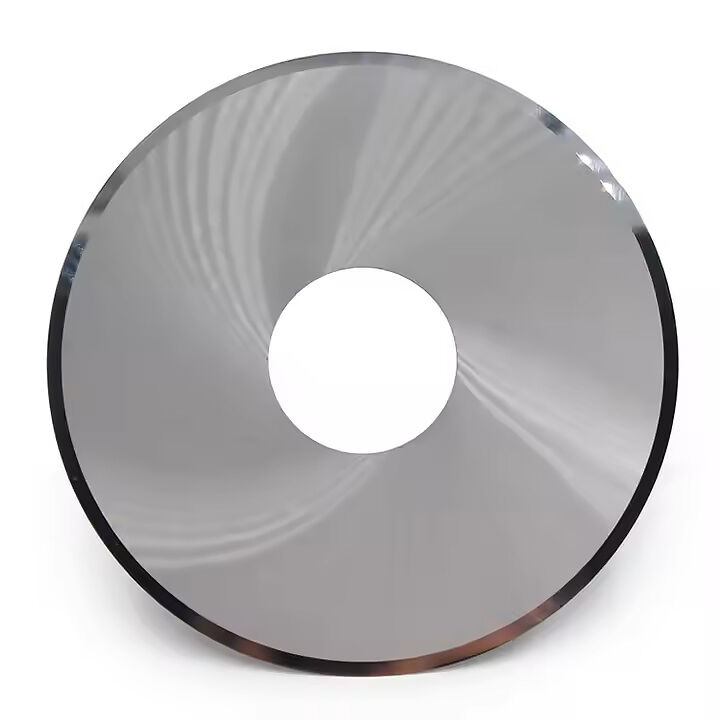
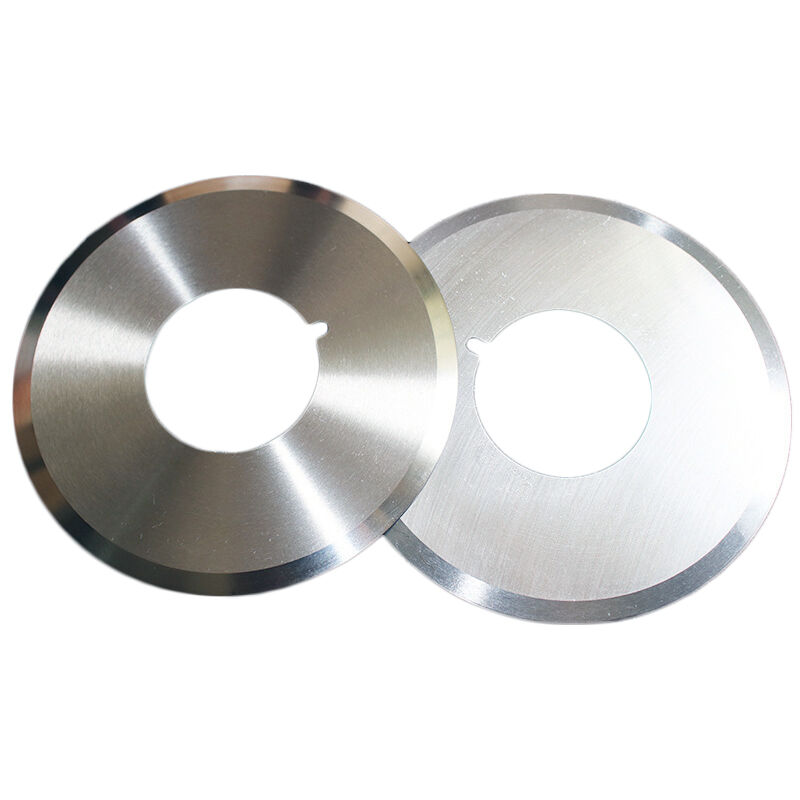
circular slitting blade for film
The circular slitting blade for film represents a critical component in modern film processing and converting operations, serving as the primary cutting tool for precision slicing of various film materials. This specialized blade is engineered to deliver clean, accurate cuts across polyethylene, polypropylene, polyester, and other plastic film substrates used extensively in packaging, manufacturing, and industrial applications. The circular slitting blade for film operates through rotational cutting action, where the blade's circumferential edge makes contact with the moving film material to produce consistent, burr-free cuts at high speeds. Manufactured from premium-grade tool steels or tungsten carbide materials, these blades undergo rigorous heat treatment processes to achieve optimal hardness levels ranging from 58 to 64 HRC, ensuring exceptional edge retention and extended service life. The technological features of the circular slitting blade for film include precision-ground cutting edges with tolerances measured in microns, balanced construction to minimize vibration during high-speed rotation, and surface treatments that reduce friction and prevent material adhesion. Modern circular slitting blade for film designs incorporate advanced metallurgy and coating technologies, such as titanium nitride or chromium nitride layers, which enhance wear resistance and reduce cutting forces. The blade diameter, thickness, and edge geometry are carefully optimized based on specific film types, thicknesses, and production speeds. Applications for the circular slitting blade for film span numerous industries, including flexible packaging production, label manufacturing, medical film processing, agricultural film conversion, and electronics component fabrication. These blades are essential in slitter rewinder machines, where they convert wide master rolls into narrower rolls of precise widths required for downstream processes. The circular slitting blade for film ensures consistent product quality, minimizes material waste, and maintains tight dimensional tolerances critical for automated packaging and printing operations.
 EN
EN