Premium Carbide Film Slitting Blades - Superior Precision Cutting Solutions for Film Converting

All Categories

Get a Free Quote

Our representative will contact you soon.
Email
WhatsApp
Name
Company Name
Message
0/1000

carbide film slitting blade

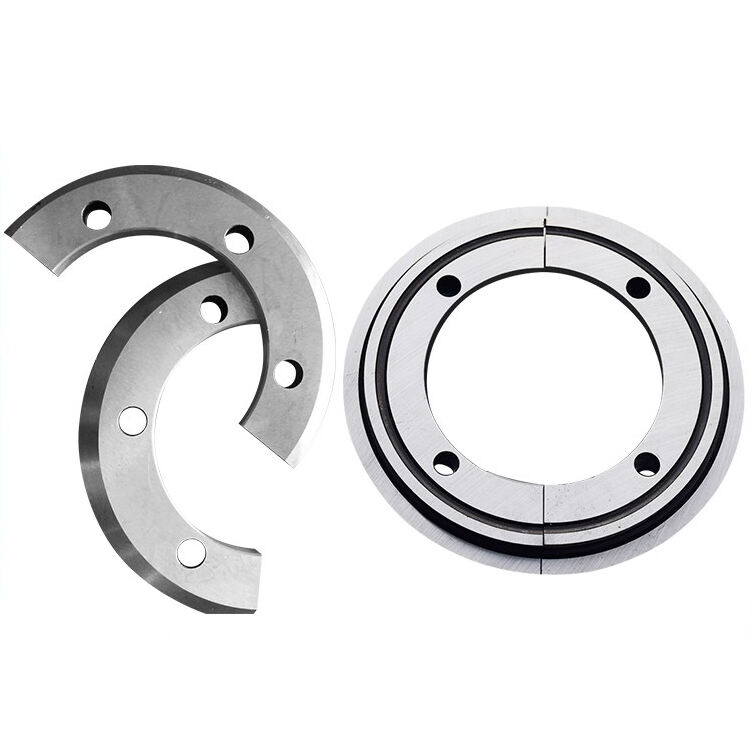
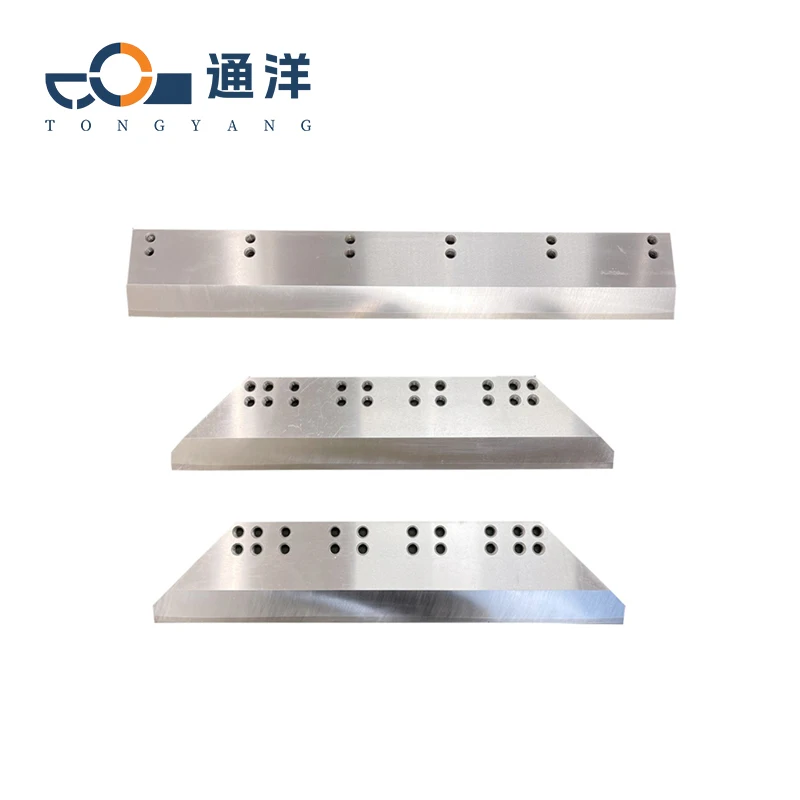
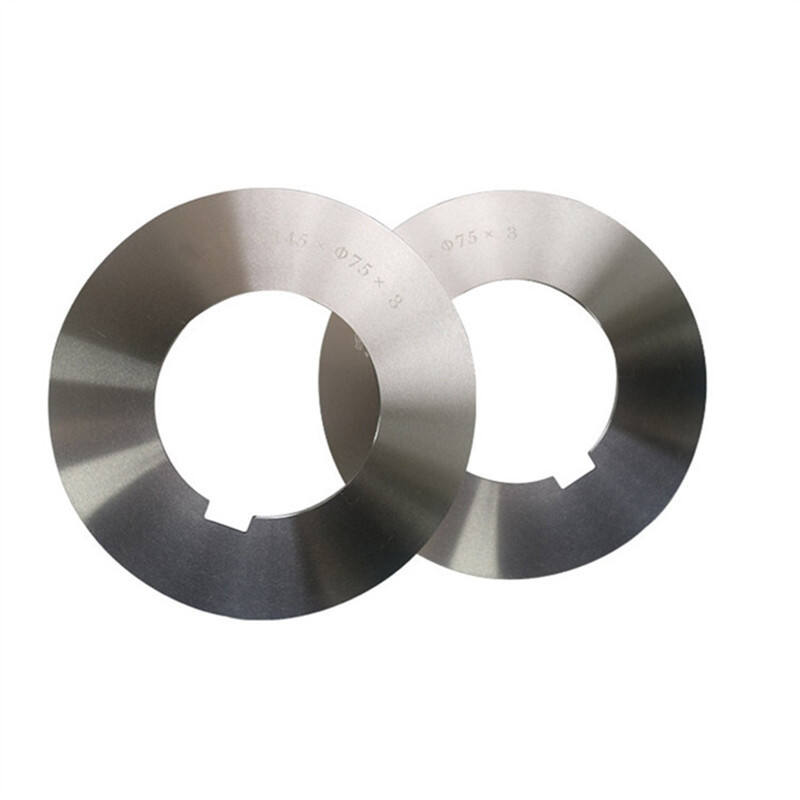
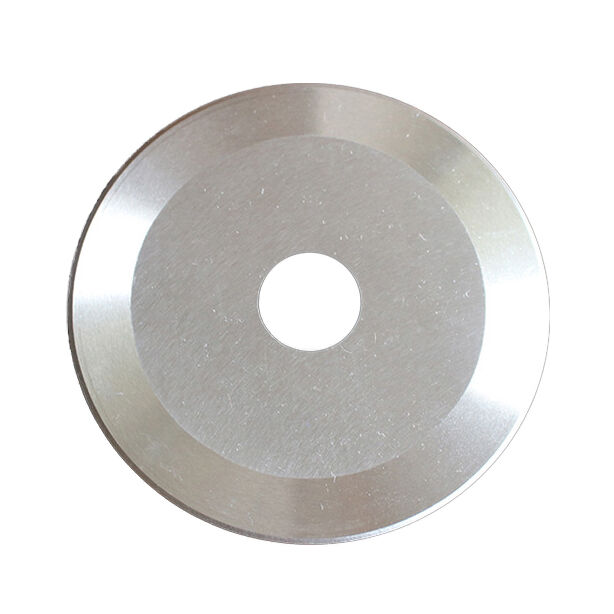
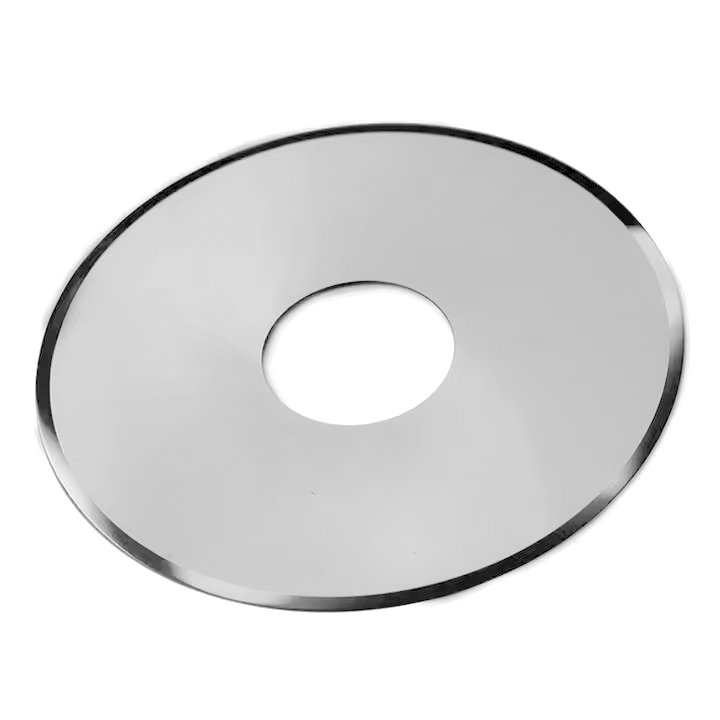
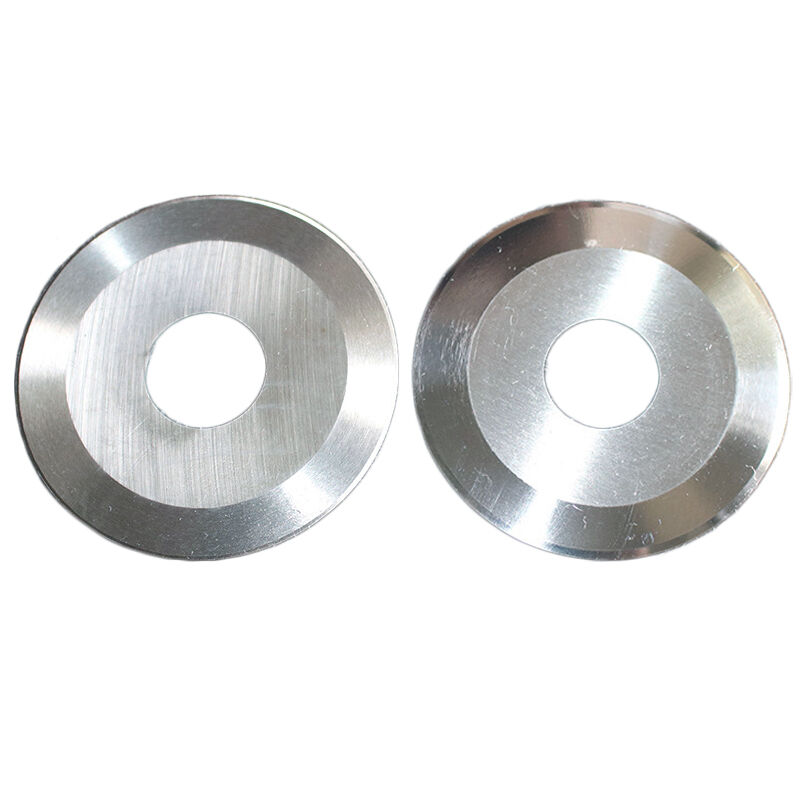
The carbide film slitting blade represents a cutting-edge solution in the precision slicing industry, specifically engineered to handle the demanding requirements of film processing operations. This specialized cutting tool combines advanced tungsten carbide materials with precision manufacturing techniques to deliver exceptional performance in film slitting applications. The carbide film slitting blade serves as an essential component in converting machinery, where it performs the critical function of dividing large rolls of film material into narrower widths with remarkable accuracy and consistency. The primary functions of this blade include executing clean, precise cuts through various film substrates while maintaining edge quality throughout extended production runs. Its technological features encompass a meticulously crafted cutting edge geometry that minimizes friction and heat generation during the slitting process. The carbide composition provides superior hardness ratings compared to traditional steel alternatives, enabling the blade to retain its sharpness significantly longer under continuous operational stress. Manufacturing processes involve sophisticated grinding and honing techniques that achieve micro-level precision in edge formation, resulting in cutting edges capable of handling films ranging from delicate pharmaceutical packaging to robust industrial protective materials. Applications for the carbide film slitting blade span numerous industries including packaging production, label manufacturing, electronics assembly, medical device fabrication, and flexible printing operations. The blade excels in processing polyester films, polypropylene materials, polyethylene sheets, cellophane wraps, and specialized coated substrates. Its versatility extends to both solvent-based and solventless lamination products, making it indispensable for converters who process diverse material portfolios. The technological advancement embedded in these blades addresses critical challenges faced by film processors, such as edge quality deterioration, frequent blade changes, production downtime, and material waste from imprecise cuts, thereby establishing the carbide film slitting blade as a cornerstone tool in modern converting operations.

New Product Releases

The carbide film slitting blade delivers transformative benefits that directly impact your production efficiency and bottom-line profitability. First and foremost, the extended blade life translates into fewer interruptions for blade replacements, allowing your machinery to operate continuously for substantially longer periods. This reduction in downtime means your production schedules become more predictable and your output increases without additional labor costs. The superior hardness of carbide material maintains cutting precision throughout the blade's lifespan, ensuring that the first cut and the ten-thousandth cut maintain identical quality standards. This consistency eliminates the frustrating problem of edge quality degradation that forces premature blade changes with inferior alternatives. Your operators will appreciate the reduced frequency of blade change procedures, which not only saves time but also minimizes the safety risks associated with handling sharp cutting tools. The economic advantages become evident when you calculate the total cost of ownership rather than simply comparing initial purchase prices. Although a carbide film slitting blade requires a higher upfront investment compared to standard steel blades, the extended operational life means you purchase fewer blades annually, reducing your overall expenditure on cutting tools. Additionally, the exceptional sharpness produces cleaner cuts that generate less dust and minimize edge defects, resulting in reduced material waste and fewer rejected products. Your quality control processes become simpler because the carbide film slitting blade produces uniform results that require less frequent inspection and adjustment. The thermal stability of carbide material prevents edge deformation under the heat generated during high-speed slitting operations, maintaining dimensional accuracy even during extended production runs at maximum speeds. This thermal resistance also protects the film material from heat-related damage, preserving the integrity of temperature-sensitive substrates. Maintenance requirements decrease substantially because carbide resists wear from abrasive materials and corrosive chemicals that might be present in coated films or adhesive layers. Your maintenance team spends less time on blade-related troubleshooting and more time on productive activities. The precision achievable with a carbide film slitting blade enables tighter tolerance control, allowing you to maximize material utilization by reducing trim waste between slit widths. This optimization directly improves your material yield percentages and reduces raw material costs per finished unit. Furthermore, the reliability of these blades supports lights-out manufacturing operations where minimal supervision is required, increasing your facility's productive capacity without proportional increases in staffing.

Latest News

Industrial Corrugated Cardboard Cutting Blade Selection Tips

25

Mar

Industrial Corrugated Cardboard Cutting Blade Selection Tips

Selecting the right cutting blade for corrugated cardboard processing operations represents a critical decision that directly impacts production efficiency, product quality, and operational costs. Industrial facilities handling large volumes of corru...
View More
How to Extend Your Cutting Blade Life: Pro Tips

25

Mar

How to Extend Your Cutting Blade Life: Pro Tips

Maximizing the lifespan of your cutting blade is essential for maintaining operational efficiency and reducing replacement costs in any professional environment. Whether you work in manufacturing, printing, packaging, or crafts, understanding proper ...
View More
How to Choose the Perfect Metal Cutting Blade: Pro Guide

06

May

How to Choose the Perfect Metal Cutting Blade: Pro Guide

Selecting the right metal cutting blade is a critical decision that directly impacts production efficiency, cut quality, blade lifespan, and overall operational costs in industrial metalworking operations. Whether you're processing thin gauge steel, ...
View More
Leather Cutting Blade Maintenance: Essential Tips

30

Apr

Leather Cutting Blade Maintenance: Essential Tips

Proper maintenance of your leather cutting blade directly determines the quality of your cuts, the longevity of your equipment, and the efficiency of your production workflow. Whether you operate a small leather workshop or manage a large-scale manuf...
View More

Get a Free Quote

Our representative will contact you soon.
Email
WhatsApp
Name
Company Name
Message
0/1000

carbide film slitting blade

Unmatched Durability Through Advanced Carbide Engineering

Unmatched Durability Through Advanced Carbide Engineering

The extraordinary durability of the carbide film slitting blade stems from its sophisticated material composition and precision manufacturing methodology, setting it apart from conventional cutting solutions. Tungsten carbide, the primary constituent of these blades, ranks among the hardest materials available for industrial tooling applications, approaching diamond-level hardness on the Mohs scale. This exceptional hardness translates directly into wear resistance that outlasts traditional steel blades by factors ranging from ten to fifty times, depending on the specific film materials being processed. The molecular structure of carbide creates a cutting edge that resists the abrasive forces generated when slicing through films containing mineral fillers, pigments, or reinforcing agents that would quickly dull standard blades. Manufacturing processes employed in creating these blades involve precision grinding operations that achieve surface finishes measured in nanometers, producing edges so refined that they slice through films with minimal resistance and friction. The crystalline structure of properly formulated carbide maintains its integrity under the cyclical stresses of repetitive cutting actions, preventing the micro-fractures and edge rolling that plague softer blade materials. Quality manufacturers carefully control the cobalt binder content within the carbide matrix, optimizing the balance between hardness for wear resistance and toughness to prevent brittle fracture under operational loads. Heat treatment processes further refine the material properties, relieving internal stresses that could compromise performance during demanding production conditions. The geometry of the cutting edge receives equal attention, with angles and profiles calculated to minimize cutting forces while maximizing edge longevity for specific film types. This engineering precision ensures that your carbide film slitting blade maintains its cutting performance throughout its service life, eliminating the gradual performance degradation characteristic of inferior blade materials. The practical impact of this durability manifests in your operation as extended intervals between blade changes, fewer production interruptions, reduced maintenance labor costs, and lower annual blade procurement expenses. Your production planning becomes more reliable when blade longevity is predictable and consistent, allowing you to schedule maintenance activities during planned downtime rather than responding to unexpected blade failures that disrupt operations.
Superior Cut Quality for Enhanced Product Value

Superior Cut Quality for Enhanced Product Value

The carbide film slitting blade excels in producing superior cut quality that directly enhances the market value and functionality of your finished products, addressing critical quality parameters that differentiate premium offerings from commodity alternatives. Cut quality encompasses multiple dimensions including edge straightness, absence of deformation, minimal dust generation, and freedom from edge defects such as nicks, tears, or ragged edges. The ultra-sharp cutting edge achieved through precision grinding of carbide material creates a shearing action that cleanly separates film layers without the tearing or pulling forces that cause edge irregularities. This clean separation is particularly crucial when processing multi-layer laminates where different material layers possess varying mechanical properties and could separate unevenly with inferior blades. The microscopic smoothness of a properly manufactured carbide film slitting blade edge produces film edges that appear almost polished, eliminating the rough texture that can cause problems in downstream processing operations such as printing, coating, or laminating. For applications where film edges remain visible in the finished product, such as transparent packaging or display materials, the aesthetic quality of the cut edge becomes a critical factor in product acceptance. The precision geometry of the carbide film slitting blade enables extremely tight tolerance control, with width variations measurable in micrometers rather than millimeters, ensuring that your slit rolls meet exacting specifications required by automated packaging equipment or precision assembly operations. This dimensional consistency reduces waste in your customers' operations, providing them with reliable material that feeds smoothly through their equipment without jams or misalignment issues. The minimal heat generation characteristic of sharp carbide blades prevents thermal damage to temperature-sensitive films, avoiding edge sealing, melting, or property changes that could compromise material performance. Films used in medical packaging, food contact applications, or electronic insulation require pristine edges free from contamination or structural compromise, requirements that the carbide film slitting blade readily satisfies. The reduction in airborne particles and dust during the cutting process creates a cleaner production environment, which is particularly important in controlled atmosphere operations or when processing films destined for cleanroom applications. Your quality assurance processes benefit from the consistency delivered by carbide film slitting blade technology, as the predictable results require less frequent inspection and generate fewer customer complaints or product returns.

Versatile Performance Across Diverse Film Materials

Versatile Performance Across Diverse Film Materials

The remarkable versatility of the carbide film slitting blade enables efficient processing of an extensive range of film materials and thicknesses, providing production flexibility that supports diverse product portfolios and rapid changeovers between different substrates. This adaptability stems from the fundamental properties of carbide material combined with thoughtful blade design that accommodates the varying mechanical characteristics of different film types. Polyester films, known for their toughness and dimensional stability, require cutting tools that resist wear from abrasive fillers while maintaining sharpness to avoid edge deformation, challenges that carbide film slitting blade technology addresses effectively. Polypropylene materials, which tend to be softer and more prone to edge stretching, benefit from the ultra-sharp edge that produces clean separation without pulling or distorting the material structure. Polyethylene films, available in densities ranging from low to high, present different cutting challenges depending on their specific formulation, yet carbide blades handle this entire spectrum with consistent performance. Specialized materials such as fluoropolymer films used in high-performance applications demand cutting tools that resist chemical interaction and maintain precision under challenging conditions, requirements well-suited to carbide construction. Coated films incorporating adhesive layers, release coatings, or functional treatments pose particular challenges because coating materials can transfer to blade edges, causing buildup that degrades cutting performance, but the smooth, non-stick properties of carbide surfaces minimize this accumulation. Metallized films combining polymer substrates with thin metal layers require blades that can cleanly shear both material types without delamination or edge lifting, a capability that carbide film slitting blade designs deliver reliably. Thickness versatility represents another significant advantage, as properly selected carbide blades process films ranging from ultra-thin substrates measuring just a few micrometers to heavier materials exceeding several hundred micrometers in gauge. This range capability eliminates the need for frequent blade specification changes when your production mix varies, simplifying inventory management and reducing the technical expertise required for blade selection. The chemical resistance inherent in carbide material protects against corrosion or degradation when processing films containing aggressive chemical additives, maintaining blade performance and longevity even in challenging chemical environments. Temperature stability allows carbide film slitting blade operation across wide temperature ranges without performance degradation, supporting processes that involve heated films or cold-temperature operations.

Get a Free Quote

Our representative will contact you soon.
Email
WhatsApp
Name
Company Name
Message
0/1000
Newsletter
Please Leave A Message With Us