Chemical Fiber Cutting Rotary Knife - Precision Cutting Solutions for Textile Manufacturing

All Categories

Get a Free Quote

Our representative will contact you soon.
Email
WhatsApp
Name
Company Name
Message
0/1000

chemical fiber cutting rotary knife

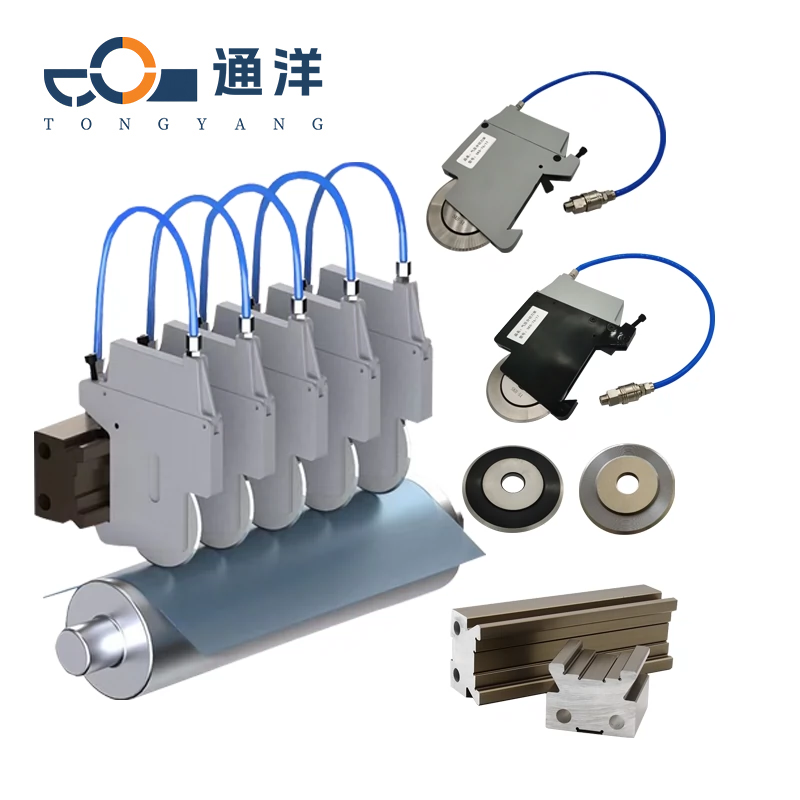
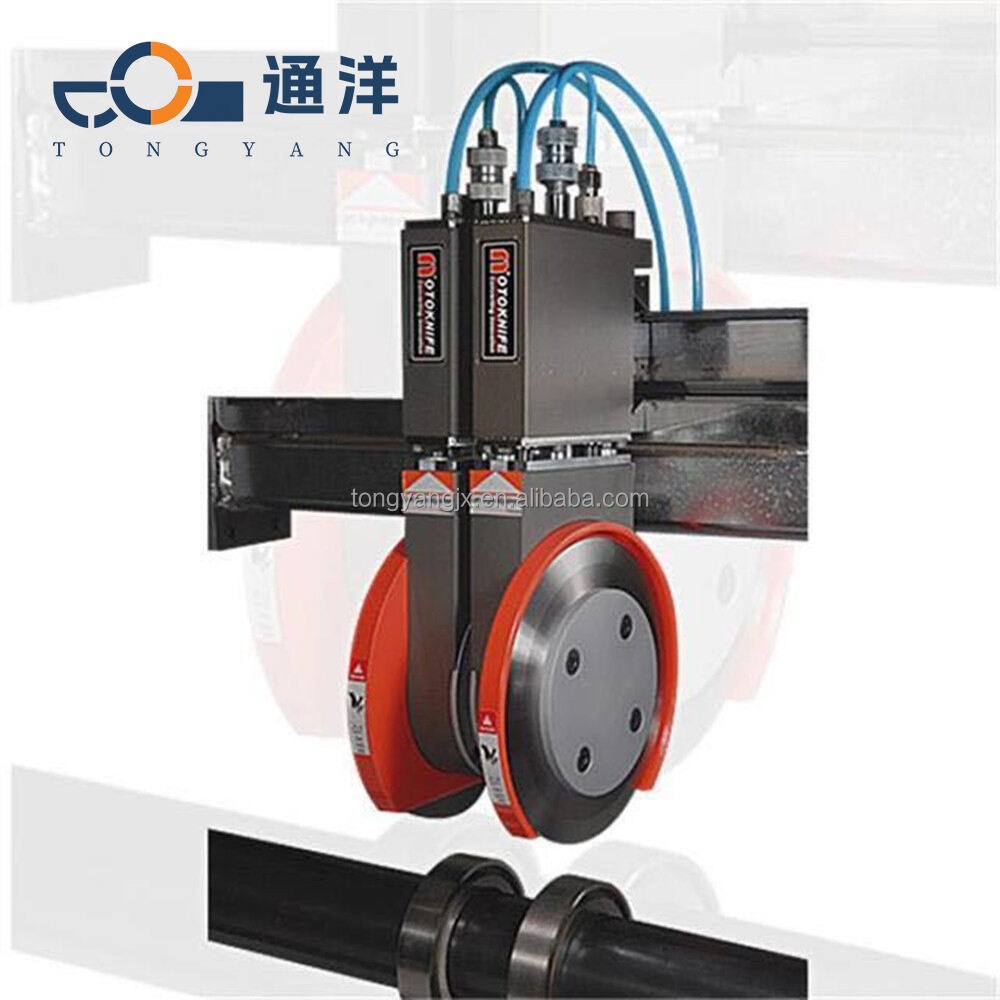
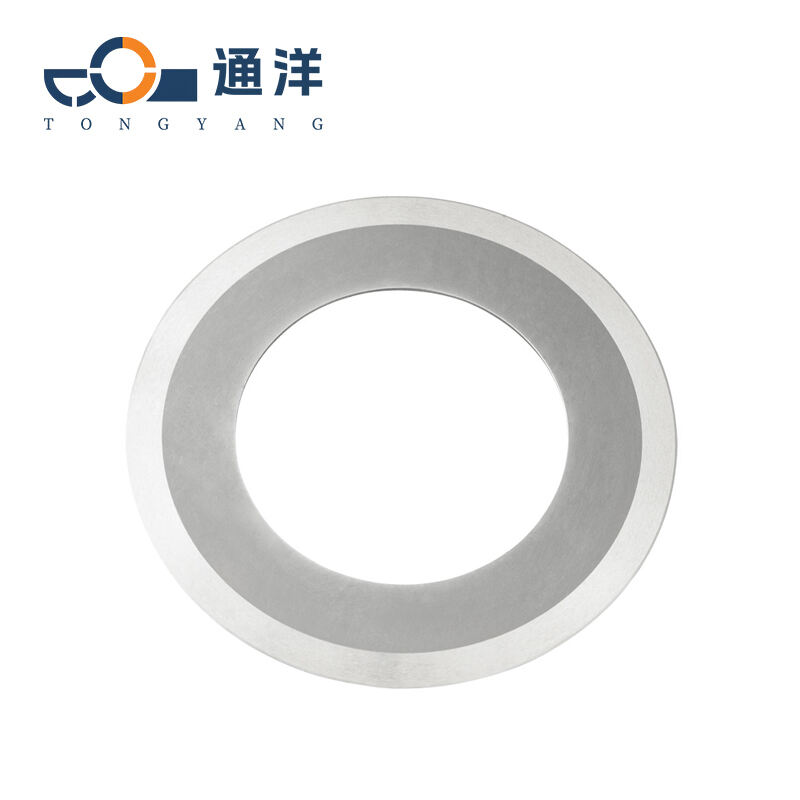
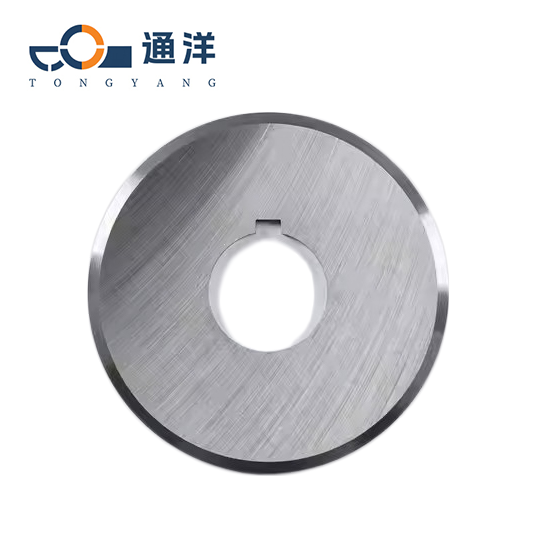
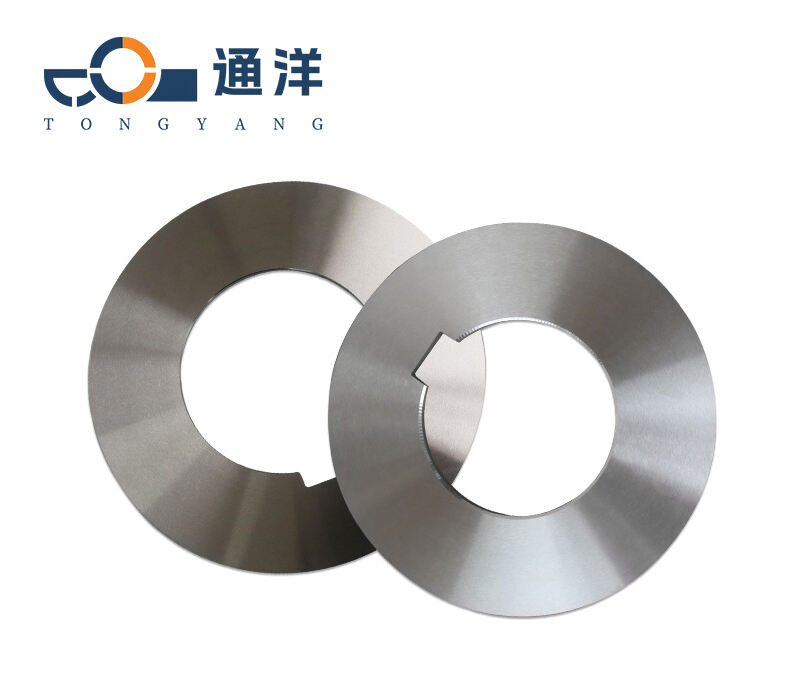
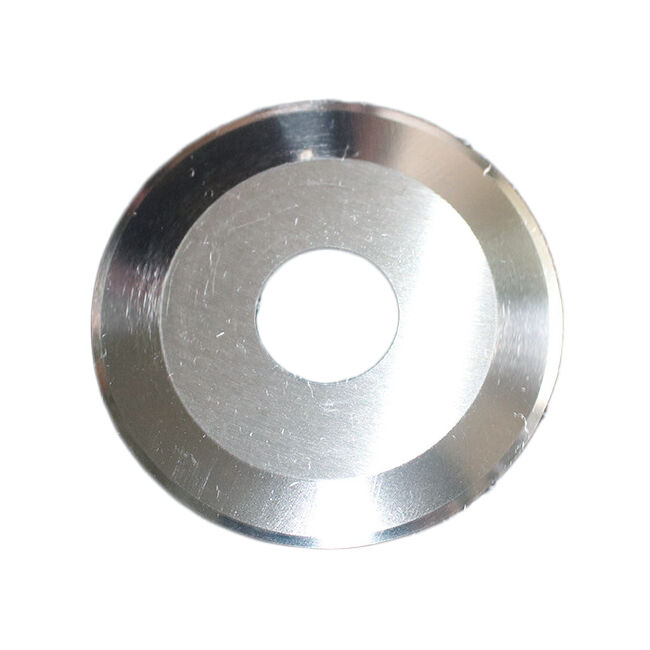
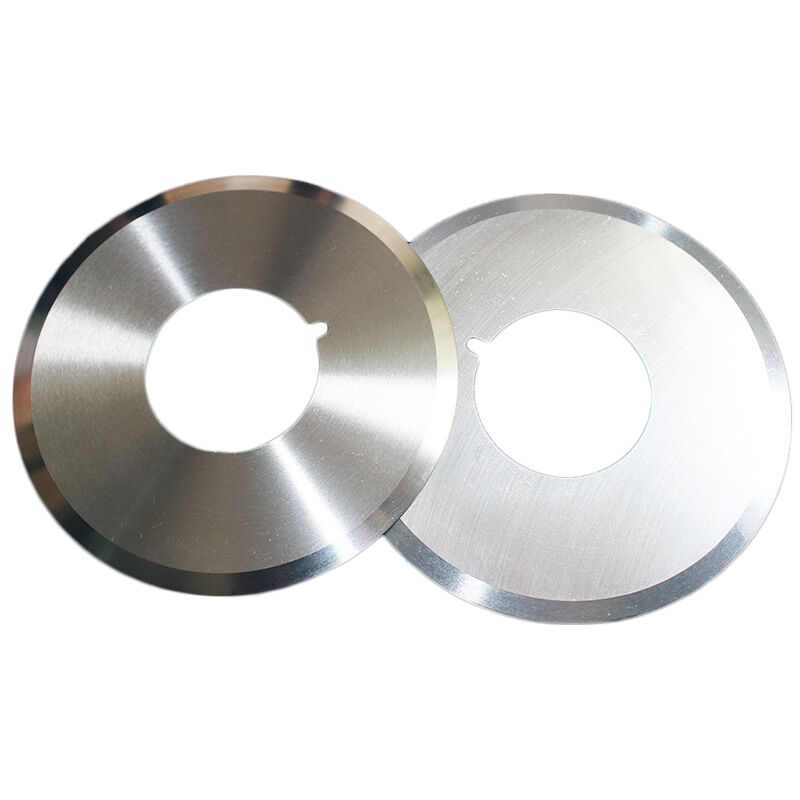
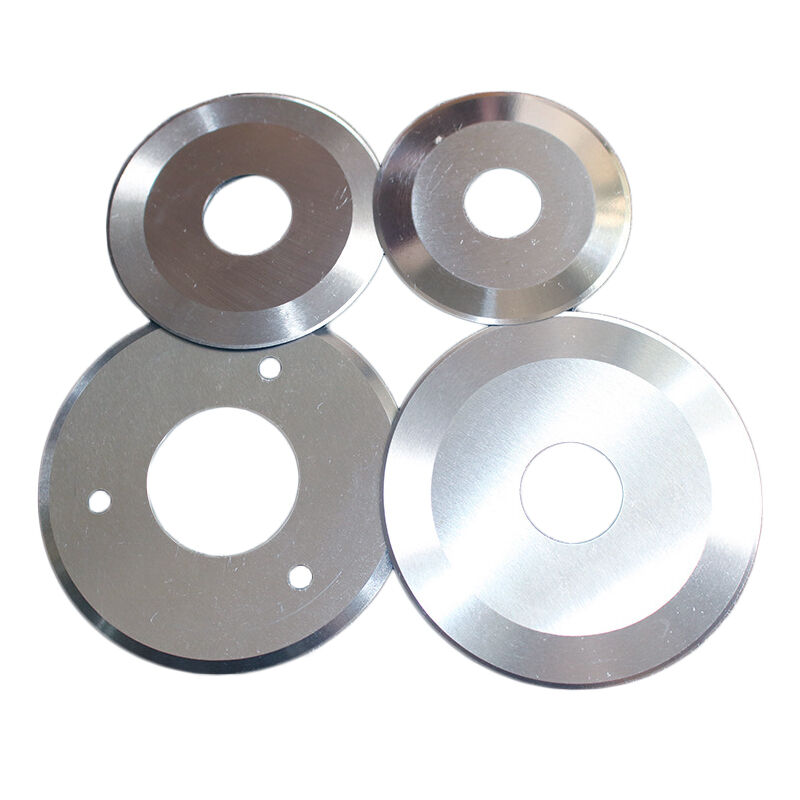
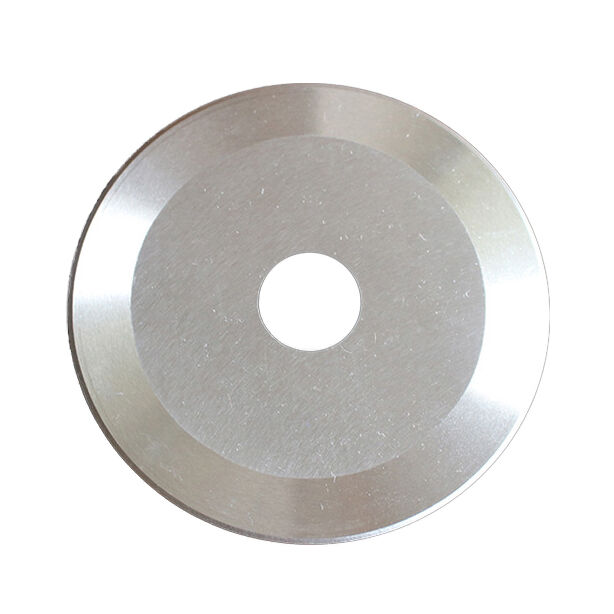
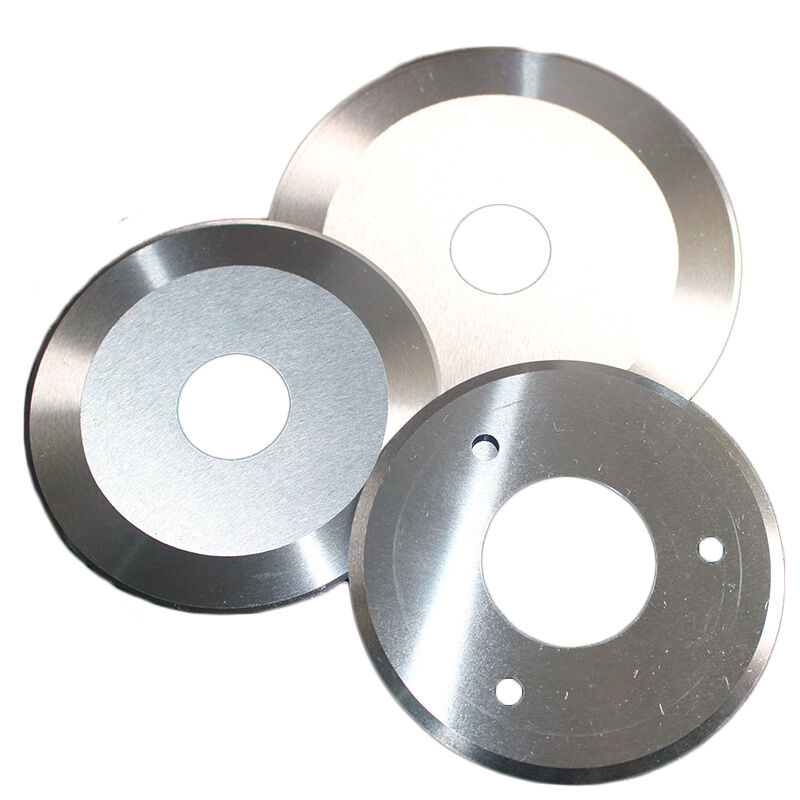
The chemical fiber cutting rotary knife represents a specialized precision cutting tool designed specifically for processing synthetic fibers and textile materials in industrial manufacturing environments. This advanced cutting instrument incorporates a circular blade mechanism that rotates at controlled speeds to achieve clean, accurate cuts through various chemical fiber materials including polyester, nylon, acrylic, and polypropylene fibers. The chemical fiber cutting rotary knife functions as an essential component in textile production lines, fiber processing facilities, and manufacturing plants where consistent cutting quality directly impacts product standards and operational efficiency. The rotary mechanism of the chemical fiber cutting rotary knife enables continuous operation without the stopping and starting required by traditional linear cutting methods. This design maximizes productivity while maintaining uniform cutting results across extended production runs. The blade assembly features heat-treated steel construction with specialized edge geometry optimized for chemical fiber materials, ensuring extended service life and reduced maintenance requirements. Modern chemical fiber cutting rotary knife systems integrate adjustable speed controls, allowing operators to match cutting velocity to specific material characteristics and thickness requirements. The knife housing incorporates safety guards and protective shields that comply with industrial safety standards while maintaining accessibility for blade changes and routine maintenance. Advanced models feature automated blade positioning systems that ensure precise alignment throughout operation, eliminating the inconsistencies associated with manual adjustment procedures. The chemical fiber cutting rotary knife delivers reliable performance in high-volume production settings where downtime directly affects manufacturing schedules and profitability. Its robust construction withstands the demanding conditions of continuous industrial operation, while the rotary cutting action minimizes material fraying and edge distortion that can compromise finished product quality. This cutting technology has become indispensable for manufacturers seeking to maintain competitive advantages through improved processing efficiency and superior output quality.

Popular Products

The chemical fiber cutting rotary knife offers numerous practical benefits that directly enhance manufacturing operations and improve bottom-line results for textile and fiber processing companies. First and foremost, this cutting system dramatically increases production speed compared to conventional cutting methods. The continuous rotary motion eliminates the time waste associated with reciprocating blade systems that must complete forward and return strokes. Manufacturers report productivity improvements ranging from thirty to fifty percent when transitioning to rotary knife technology, translating directly into higher output volumes without additional labor costs or facility expansion. The chemical fiber cutting rotary knife produces exceptionally clean cuts with minimal material fraying, which proves especially valuable when processing delicate synthetic fibers prone to edge damage. This cutting precision reduces material waste significantly, as fewer pieces require rejection due to poor edge quality. Companies typically observe waste reduction of fifteen to twenty-five percent, representing substantial material cost savings over annual production cycles. The consistent cutting quality also eliminates secondary finishing operations previously needed to address rough or uneven edges, further streamlining production workflows and reducing handling time. Maintenance requirements for the chemical fiber cutting rotary knife remain remarkably low compared to alternative cutting technologies. The simple rotary mechanism contains fewer moving parts than complex reciprocating systems, resulting in reduced wear and fewer component failures. Blade changes can be completed quickly without specialized tools or extensive technical training, minimizing production interruptions. The durable construction ensures reliable operation across multiple shifts without performance degradation, providing manufacturers with dependable cutting capability that supports demanding production schedules. Energy efficiency represents another significant advantage, as the rotary knife consumes less power than hydraulic cutting systems or laser cutting equipment. Lower energy consumption reduces operating costs while supporting corporate sustainability initiatives. The chemical fiber cutting rotary knife operates with minimal noise generation, creating a more comfortable working environment and helping companies meet occupational health standards. Operator safety features built into modern designs protect workers while maintaining easy access for necessary adjustments and maintenance tasks. The versatility of the chemical fiber cutting rotary knife accommodates various material types and thicknesses without extensive reconfiguration, enabling manufacturers to process diverse product lines using a single cutting system. This flexibility reduces capital equipment investment while maximizing asset utilization across different production requirements. The compact footprint of rotary knife systems conserves valuable floor space in manufacturing facilities, allowing more efficient facility layouts and improved material flow patterns.

Practical Tips

How to Choose the Right Circular Knife for Your Cutting Application

25

Mar

How to Choose the Right Circular Knife for Your Cutting Application

Selecting the appropriate cutting tool for industrial applications can significantly impact productivity, product quality, and operational costs. Among the various cutting instruments available in manufacturing environments, the circular knife stands...
View More
Can a Circular Blade Cut Metal? A Look at Hardened Metal Cutting Blades

25

Mar

Can a Circular Blade Cut Metal? A Look at Hardened Metal Cutting Blades

The ability to cut through metal efficiently and precisely has always been a cornerstone of modern manufacturing and fabrication industries. When professionals need to slice through various metal materials, the choice of cutting tool can make the dif...
View More
2025 Guide: Choosing the Right Slitter Blades for Your Industry

09

Apr

2025 Guide: Choosing the Right Slitter Blades for Your Industry

Selecting the appropriate slitter blades for your specific industry applications represents a critical decision that directly impacts operational efficiency, product quality, and overall production costs. Industrial cutting operations across manufact...
View More
Common Slitter Blades Problems and Solutions

30

Mar

Common Slitter Blades Problems and Solutions

Manufacturing operations that rely on slitter blades face a variety of challenges that can significantly impact production efficiency, material quality, and operational costs. Understanding the most common problems associated with slitter blades and ...
View More

Get a Free Quote

Our representative will contact you soon.
Email
WhatsApp
Name
Company Name
Message
0/1000

chemical fiber cutting rotary knife

Superior Cutting Precision for Consistent Quality Output

Superior Cutting Precision for Consistent Quality Output

The chemical fiber cutting rotary knife delivers unmatched cutting precision that ensures every piece meets exact specifications throughout production runs spanning thousands of cuts. This precision stems from the engineered rotary blade design that maintains constant contact angle with material surfaces, eliminating the variation inherent in reciprocating blade systems where cutting angle changes throughout each stroke cycle. The circular blade configuration distributes cutting forces evenly across the entire edge, preventing the localized pressure concentrations that cause irregular cuts and material distortion. Manufacturers processing high-value chemical fibers cannot afford the quality inconsistencies that result in product rejection or customer complaints. The chemical fiber cutting rotary knife addresses this critical need by delivering dimensional accuracy within tolerances of plus or minus zero point two millimeters, even when cutting at high speeds. This exceptional precision proves particularly valuable for applications requiring exact fiber lengths, such as carpet backing production, composite material manufacturing, and technical textile fabrication. The rotary cutting action creates smooth, sealed edges on synthetic fibers by generating controlled heat through friction during the cutting process. This heat-sealing effect prevents fiber ends from unraveling or fraying, eliminating problems that compromise product appearance and structural integrity. For manufacturers producing consumer-facing textile products, edge quality directly influences perceived product value and brand reputation. The chemical fiber cutting rotary knife helps companies maintain premium quality standards that justify higher price points and build customer loyalty. The consistency provided by rotary knife technology extends beyond individual cuts to encompass entire production batches. Unlike manual cutting operations where operator fatigue and attention lapses cause quality variation, the mechanical precision of the chemical fiber cutting rotary knife remains constant regardless of production duration. This reliability enables manufacturers to guarantee uniform quality across large orders, satisfying demanding customers who require absolute consistency. Quality control departments report significant reductions in inspection time and rejection rates when production facilities implement rotary knife cutting systems, as the inherent precision reduces defect occurrence. The investment in chemical fiber cutting rotary knife technology pays dividends through reduced rework costs, improved customer satisfaction, and enhanced competitive positioning in quality-sensitive market segments.

Enhanced Operational Efficiency and Cost Reduction

Enhanced Operational Efficiency and Cost Reduction

The chemical fiber cutting rotary knife transforms operational efficiency by streamlining cutting processes and eliminating bottlenecks that constrain production throughput. Traditional cutting methods often create workflow interruptions as operators pause production to change blades, adjust settings, or address material jams. The continuous operation capability of the chemical fiber cutting rotary knife removes these interruptions, enabling smooth material flow from upstream processing stages through cutting operations to downstream finishing steps. Manufacturing engineers recognize that production bottlenecks anywhere in the process chain limit overall facility output, making the high-speed cutting capability of rotary knife systems valuable far beyond the cutting station itself. By maintaining pace with material feed rates from spinning or extrusion equipment, the chemical fiber cutting rotary knife prevents accumulation of work-in-process inventory that consumes floor space and ties up working capital. The rapid cutting speed of rotary knife systems allows manufacturers to respond quickly to changing production requirements without extensive equipment reconfiguration. When customer orders shift from one fiber type to another, operators simply adjust blade speed and material feed rate rather than performing time-consuming equipment changeovers. This flexibility reduces setup time between production runs, increasing the percentage of available operating time devoted to value-adding production rather than non-productive preparation activities. For companies serving markets with short lead times and frequent product variations, this operational agility provides crucial competitive advantages. The chemical fiber cutting rotary knife contributes substantially to labor cost reduction by requiring minimal operator intervention during production. Once properly configured, the system operates autonomously, allowing a single operator to supervise multiple production lines simultaneously. This labor efficiency contrasts sharply with manual cutting operations requiring dedicated personnel for each cutting station. Manufacturers implementing rotary knife technology typically redeploy freed labor resources to higher-value activities such as quality inspection, equipment maintenance, or process optimization projects. The reliable performance of the chemical fiber cutting rotary knife reduces unplanned downtime that disrupts production schedules and necessitates expensive overtime to fulfill customer commitments. Preventive maintenance programs for rotary knife systems involve straightforward procedures completed during scheduled production breaks, avoiding the emergency repairs that plague less reliable cutting technologies. The long service intervals between major maintenance events mean production planners can accurately forecast equipment availability, improving schedule reliability and customer delivery performance.
Versatile Material Handling and Application Flexibility

Versatile Material Handling and Application Flexibility

The chemical fiber cutting rotary knife demonstrates remarkable versatility in handling diverse material types, thicknesses, and cutting requirements across multiple industry applications. This adaptability stems from the fundamental rotary cutting principle that proves effective across a broad spectrum of chemical fiber materials regardless of specific composition or physical characteristics. Manufacturers processing polyester fibers achieve excellent results with the same basic equipment configuration used for nylon, acrylic, polypropylene, or blended fiber materials, requiring only minor adjustments to blade speed and feed rate parameters. This multi-material capability eliminates the need for specialized cutting equipment dedicated to individual fiber types, reducing capital investment requirements and simplifying equipment management. Production facilities handling diverse product portfolios particularly benefit from this versatility, as a single chemical fiber cutting rotary knife system accommodates various material specifications without extensive reconfiguration downtime. The thickness range capabilities of rotary knife systems extend from delicate microfiber materials measuring mere fractions of a millimeter to heavy-duty industrial fibers exceeding several millimeters in diameter. This broad operating range supports manufacturers serving multiple market segments with varying technical requirements. The chemical fiber cutting rotary knife maintains cutting quality across this entire thickness spectrum, delivering clean edges on gossamer-thin fibers while generating sufficient cutting force for robust industrial materials. Textile manufacturers producing both apparel-grade and technical textile products leverage this versatility to consolidate cutting operations using standardized equipment platforms, simplifying training requirements and spare parts inventory management. Application flexibility extends beyond material characteristics to encompass different production configurations and integration possibilities. The chemical fiber cutting rotary knife adapts readily to inline installation within continuous production lines where material flows directly from upstream processing equipment through the cutting station to downstream operations without intermediate handling. Alternatively, the same technology functions effectively in standalone cutting operations where operators present pre-cut material sections for precise length cutting. This installation flexibility allows manufacturers to optimize cutting system integration based on specific facility layouts and production workflows rather than conforming operations to equipment limitations. The modular design philosophy employed in modern chemical fiber cutting rotary knife systems enables custom configurations incorporating multiple cutting stations, automated material handling, and integrated quality control sensors. Manufacturers scale system complexity to match production volumes and quality requirements, investing in sophisticated automation for high-volume operations while implementing simpler manual-feed configurations for smaller production runs or prototype development activities.

Get a Free Quote

Our representative will contact you soon.
Email
WhatsApp
Name
Company Name
Message
0/1000
Newsletter
Please Leave A Message With Us