Exceptional Versatility Across All Roofing Material Types
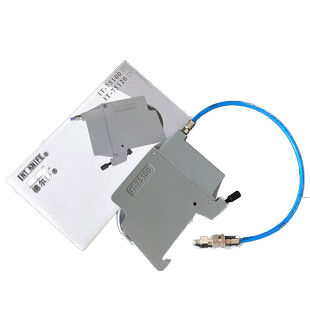
The exceptional versatility of the pneumatic knife for roofing eliminates the need for multiple specialized cutting tools, streamlining equipment requirements and simplifying job site logistics considerably. This single tool handles the complete spectrum of modern roofing materials with equal proficiency, adapting seamlessly as projects transition between different substrate types. Traditional asphalt shingles, whether three-tab or architectural styles, cut cleanly without the tearing and fraying that occurs with dull utility blades. The pneumatic knife for roofing maintains cutting effectiveness throughout extended use, where manual blades would require frequent replacement. Modified bitumen installations benefit tremendously from the tool's ability to slice through these tough, multi-layered membranes in single passes. The granulated surfaces that quickly dull conventional blades pose no challenge to the powered cutting action. EPDM rubber roofing membranes, known for their resistance to cutting, yield readily to the pneumatic knife for roofing, allowing precise cuts for seam preparation, penetration flashing, and edge detailing. TPO and PVC single-ply membranes, increasingly popular in commercial applications, require clean cuts to achieve proper heat-welded seams. The precision cutting capability ensures edges that meet manufacturer specifications for seam integrity, directly affecting installation warranties and long-term performance. Metal roofing components, including trim pieces and flashing materials, can be scored or cut depending on blade selection and technique. This capability proves invaluable when field modifications become necessary during installation. Composite materials combining multiple layers of different substrates present particular challenges for conventional cutting methods, as each layer may respond differently to cutting forces. The pneumatic knife for roofing powers through these complex assemblies without delamination or separation issues. Insulation boards, whether polyisocyanurate, expanded polystyrene, or extruded polystyrene, cut precisely without the compression and deformation that compromise proper fitting. Underlayment materials ranging from basic felt paper to advanced synthetic membranes all respond well to the controlled cutting action. The tool's versatility extends beyond material types to include various cutting tasks within the roofing workflow. Initial material sizing, mid-installation adjustments, detail work around penetrations and edges, and tear-off operations all benefit from the pneumatic knife for roofing capabilities. This comprehensive utility means contractors can standardize on a single cutting solution rather than maintaining inventories of specialized tools for different materials or tasks. The training burden decreases substantially when crews master one versatile tool rather than learning optimal techniques for numerous different implements. Equipment maintenance and spare parts inventory simplify similarly, reducing overhead costs and minimizing the risk of project delays due to unavailable tools. For roofing companies serving diverse markets encompassing residential, commercial, and industrial clients, this versatility proves especially valuable as the same equipment serves effectively across all sectors.
 EN
EN