Pneumatic Circular Knife - Precision Cutting Tool for Industrial Fabric and Textile Processing

All Categories

Get a Free Quote

Our representative will contact you soon.
Email
WhatsApp
Name
Company Name
Message
0/1000

pneumatic circular knife

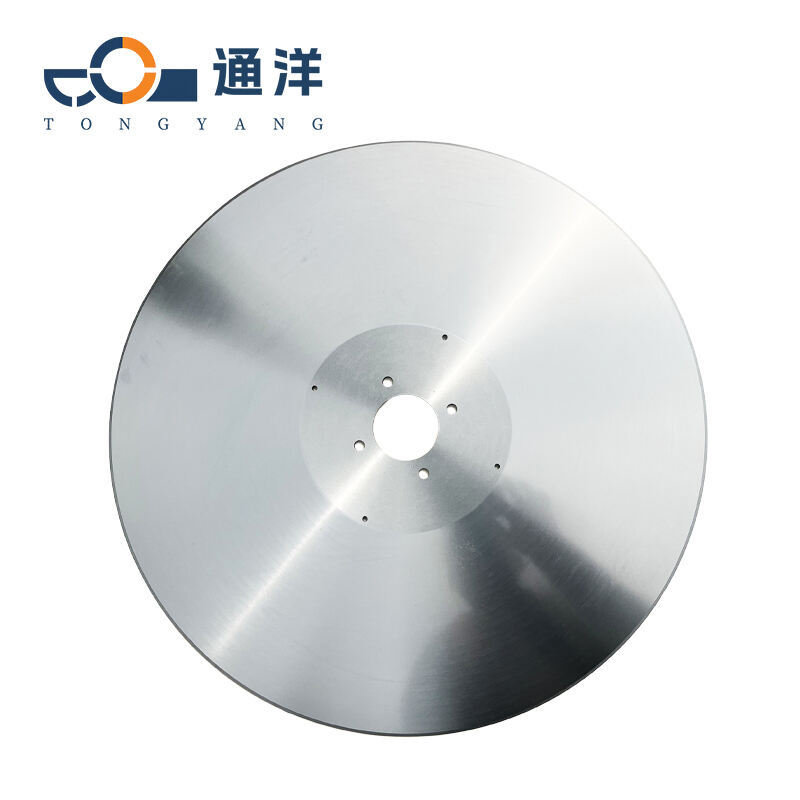
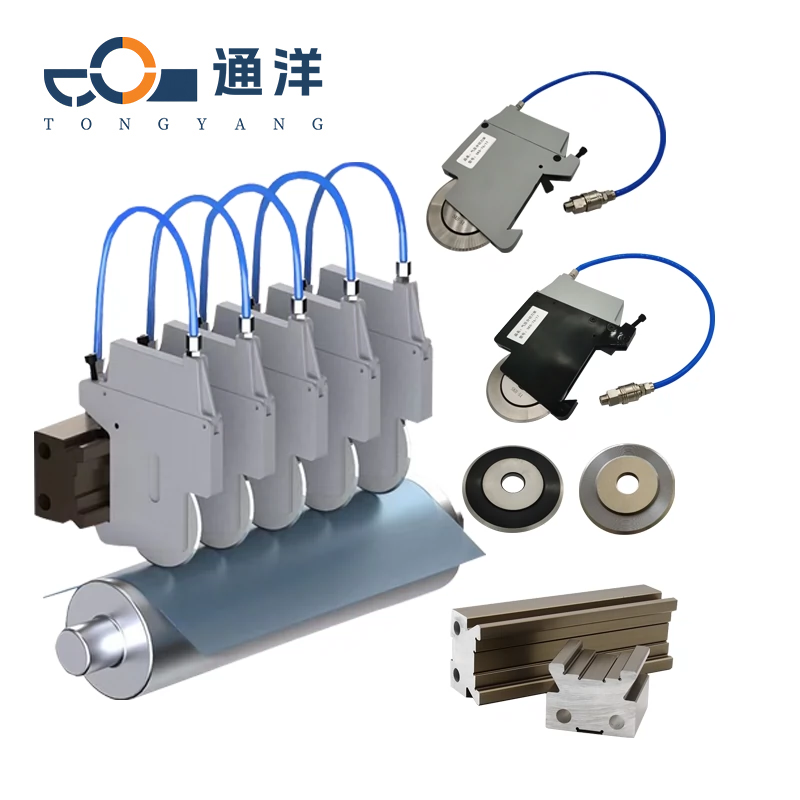
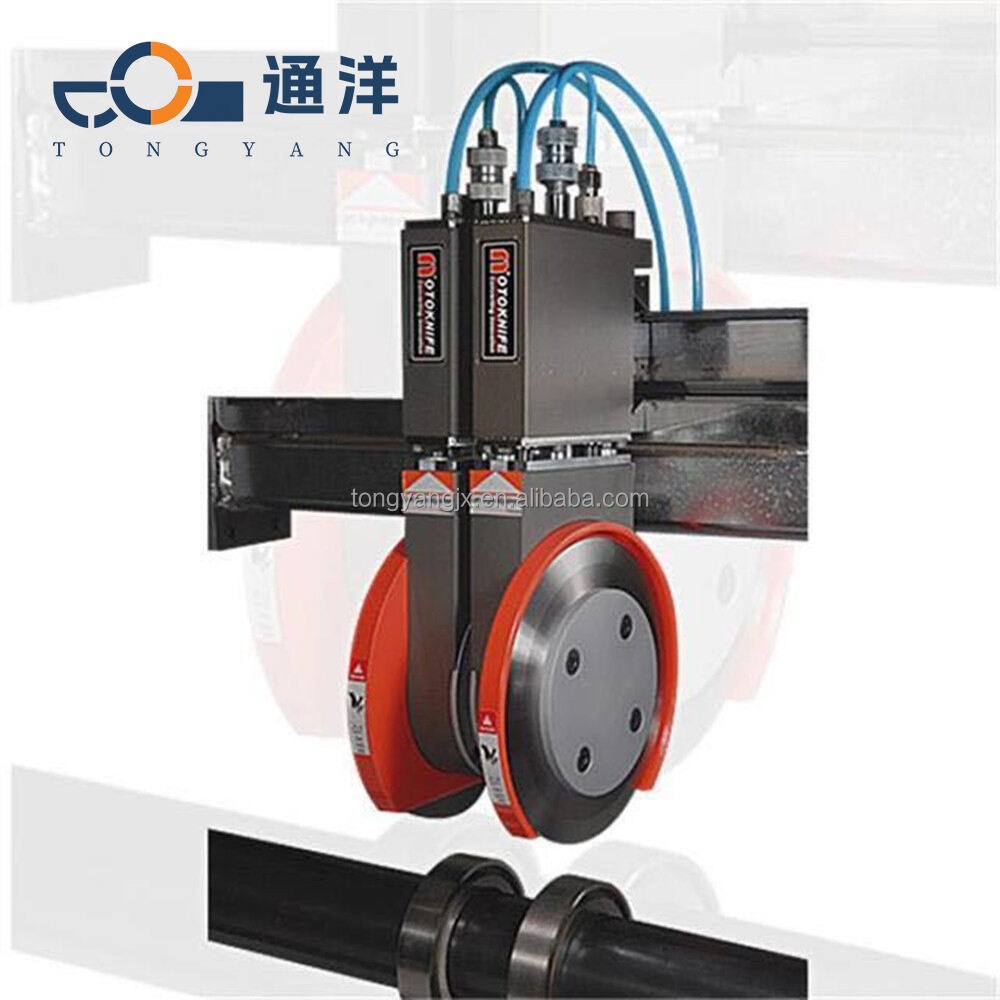
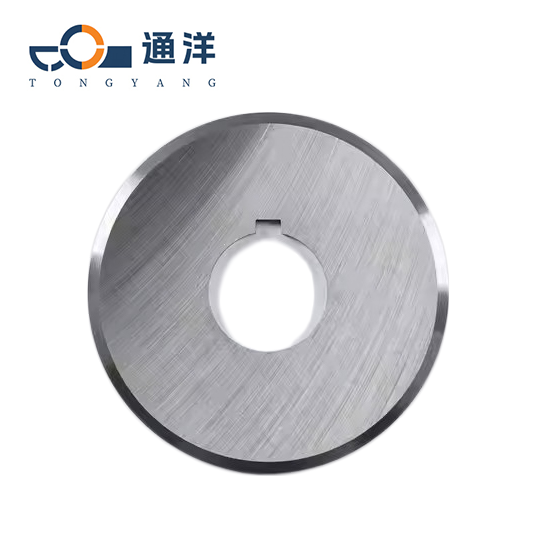
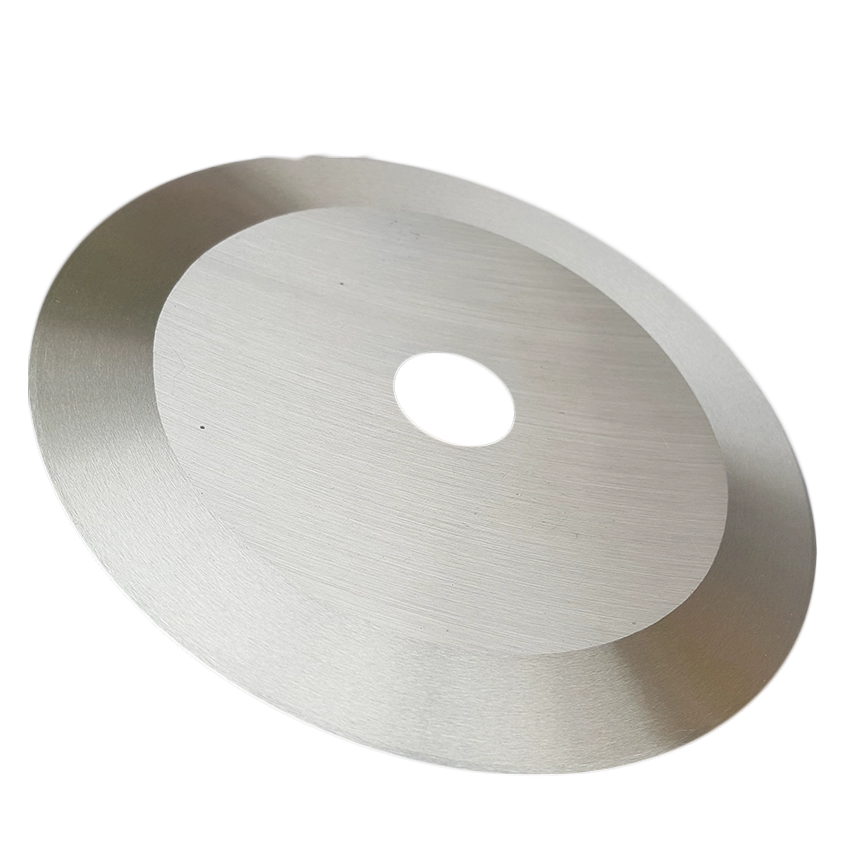
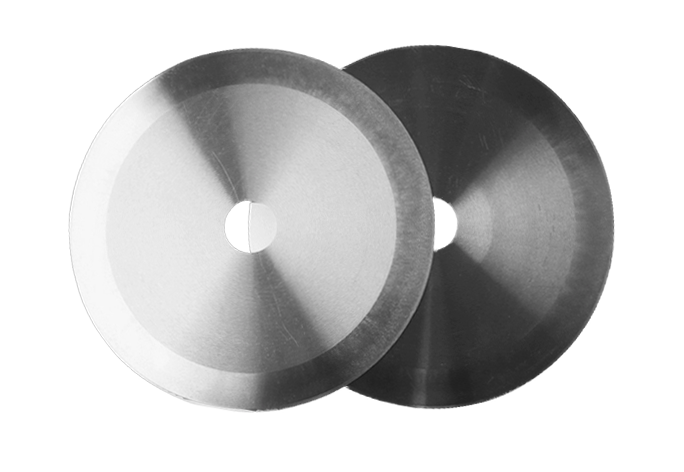
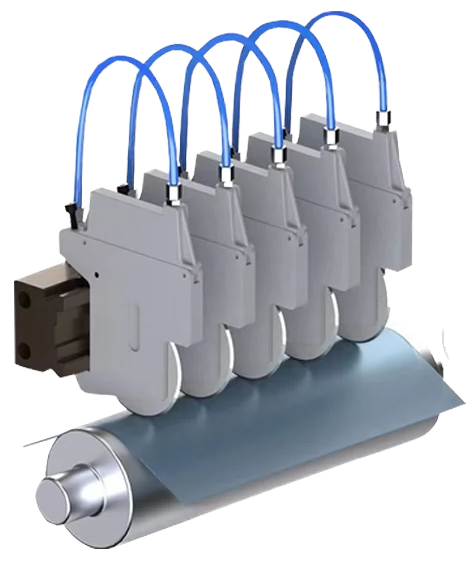
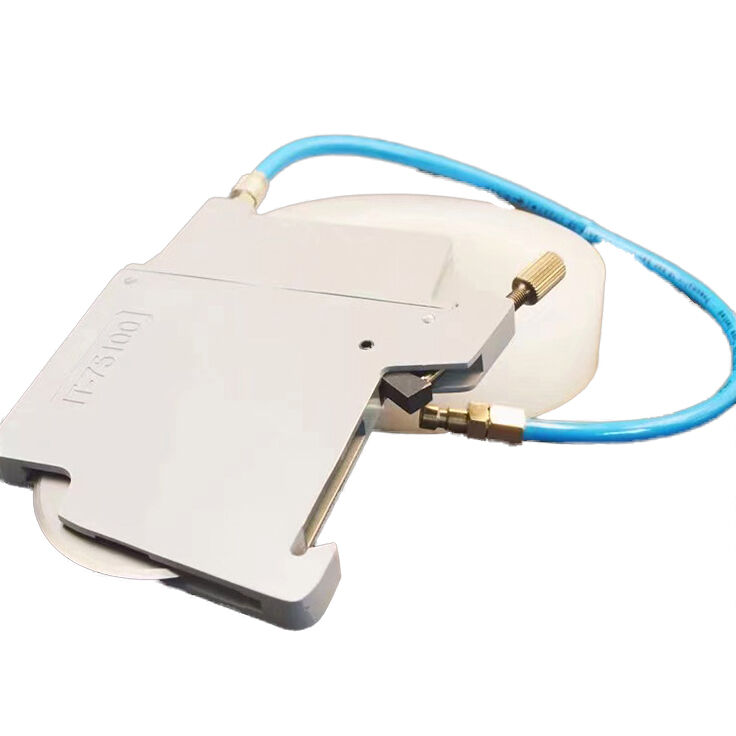
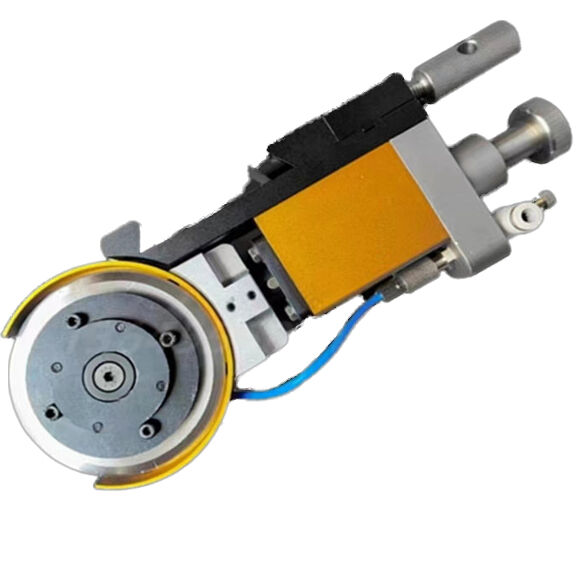
The pneumatic circular knife represents a cutting-edge solution in industrial fabric and material processing equipment, designed to deliver precise, efficient cutting performance across diverse manufacturing environments. This advanced cutting tool harnesses compressed air power to drive a rotating circular blade, enabling operators to achieve clean, accurate cuts through multiple layers of fabric, leather, textile materials, and various soft goods with remarkable consistency. The pneumatic circular knife combines mechanical precision with pneumatic power transmission, creating a versatile cutting instrument that excels in garment manufacturing, upholstery production, automotive interior fabrication, and industrial textile processing operations. At its core, the pneumatic circular knife features a high-speed rotating blade mounted within a protective housing, powered by an integrated pneumatic motor that converts compressed air energy into rotational force. The blade diameter typically ranges from 4 to 6 inches, allowing the pneumatic circular knife to cut through material stacks of varying thicknesses while maintaining exceptional edge quality. The ergonomic handle design incorporates user-friendly controls, enabling operators to adjust cutting speed and blade engagement with minimal effort. Safety mechanisms include blade guards, automatic shut-off features, and pressure-sensitive triggers that prevent accidental activation. The pneumatic circular knife operates at variable speeds, typically ranging from 1500 to 3500 revolutions per minute, providing flexibility to accommodate different material densities and cutting requirements. This cutting tool excels in straight-line cutting applications, curved pattern cutting, and intricate detail work where precision matters most. Manufacturing facilities appreciate how the pneumatic circular knife integrates seamlessly into existing production workflows, requiring only standard compressed air supply infrastructure. The tool's modular design facilitates quick blade changes, routine maintenance procedures, and component replacements, minimizing downtime and maximizing operational efficiency throughout extended production runs.

Popular Products

The pneumatic circular knife delivers substantial operational benefits that directly impact production efficiency, cost management, and workplace safety across manufacturing environments. First and foremost, this cutting tool significantly reduces operator fatigue compared to manual cutting methods or electric alternatives. The pneumatic power system generates consistent cutting force without requiring physical exertion from the operator, enabling workers to maintain productivity levels throughout full shifts without experiencing the muscle strain and exhaustion associated with conventional cutting tools. This ergonomic advantage translates into higher quality output, as fatigued operators are more prone to cutting errors that result in material waste and product defects. The lightweight construction of the pneumatic circular knife, typically weighing between 2 to 4 pounds depending on model specifications, further enhances operator comfort during extended use periods. Energy efficiency represents another compelling advantage, as pneumatic systems consume less power compared to electric motor equivalents while delivering comparable or superior cutting performance. Manufacturing facilities already equipped with compressed air distribution systems can integrate the pneumatic circular knife without additional electrical infrastructure investments, reducing implementation costs and simplifying installation procedures. The absence of electrical components also eliminates spark generation risks, making the pneumatic circular knife inherently safer for use in environments where flammable materials or combustible dust may be present. Maintenance requirements remain minimal, as pneumatic motors contain fewer moving parts than electric counterparts, resulting in lower long-term ownership costs and reduced maintenance scheduling demands. The precision cutting capability of the pneumatic circular knife minimizes material waste by producing clean edges that require little to no secondary finishing operations. This accuracy improvement directly impacts material utilization rates, helping manufacturers reduce raw material consumption and associated procurement expenses. The tool's ability to cut through multiple material layers simultaneously accelerates production throughput, enabling facilities to process larger order volumes without proportional increases in labor costs or equipment investments. Versatility across material types represents a significant practical benefit, as a single pneumatic circular knife can handle cotton fabrics, synthetic textiles, leather goods, foam materials, and composite fabrics without requiring specialized blade configurations for each material category. This adaptability reduces tool inventory requirements and simplifies operator training programs, as workers need to master only one cutting system rather than multiple specialized tools. The consistent cutting quality produced by the pneumatic circular knife enhances finished product appearance and structural integrity, contributing to improved customer satisfaction and reduced return rates that protect profit margins and brand reputation in competitive markets.

Latest News

How to Choose the Right Circular Knife for Your Cutting Application

25

Mar

How to Choose the Right Circular Knife for Your Cutting Application

Selecting the appropriate cutting tool for industrial applications can significantly impact productivity, product quality, and operational costs. Among the various cutting instruments available in manufacturing environments, the circular knife stands...
View More
Paper Cutting Blade Safety: Essential Guidelines

23

Apr

Paper Cutting Blade Safety: Essential Guidelines

Workplace safety incidents involving paper cutting blade equipment account for thousands of injuries annually across commercial and industrial facilities. From minor cuts to severe lacerations requiring medical attention, these incidents often stem f...
View More
How to Sharpen Your Circular Knife: Step-by-Step Guide

30

Apr

How to Sharpen Your Circular Knife: Step-by-Step Guide

Maintaining the sharpness of your circular knife is essential for achieving clean, precise cuts in industrial and commercial applications. Whether you work in rubber processing, textile manufacturing, paper cutting, or food production, a dull circula...
View More
Metal Cutting Blade Types: Complete Comparison Guide

30

Apr

Metal Cutting Blade Types: Complete Comparison Guide

Selecting the appropriate metal cutting blade for industrial applications requires understanding the distinct characteristics, capabilities, and optimal use cases of each blade type available in the market. Metal fabrication professionals face consta...
View More

Get a Free Quote

Our representative will contact you soon.
Email
WhatsApp
Name
Company Name
Message
0/1000

pneumatic circular knife

Superior Cutting Precision and Material Quality Preservation

Superior Cutting Precision and Material Quality Preservation

The pneumatic circular knife stands out in industrial cutting applications through its exceptional ability to maintain precise cutting accuracy while preserving material integrity throughout the cutting process. This remarkable precision stems from the tool's stable rotational speed maintained by the pneumatic power system, which delivers consistent blade velocity regardless of material resistance or cutting depth variations. Unlike manual cutting methods where human inconsistency introduces dimensional variations, or electric systems where motor speed fluctuates under load, the pneumatic circular knife maintains uniform cutting characteristics that produce repeatable results across thousands of cutting cycles. The high-speed blade rotation creates a shearing action that produces clean, sealed edges on synthetic materials, preventing fraying and edge distortion that would otherwise require time-consuming finishing operations. For natural fiber textiles, the pneumatic circular knife generates smooth cuts that maintain yarn integrity along the cut line, preserving fabric strength and appearance characteristics critical for high-quality garment construction. The blade geometry, combined with optimal rotational speeds, minimizes heat generation during the cutting process, protecting temperature-sensitive materials from thermal damage that could cause shrinkage, discoloration, or material property changes. This thermal management capability proves especially valuable when processing synthetic fabrics, vinyl materials, or laminated composites where excessive heat would compromise material bonding or cause permanent deformation. The pneumatic circular knife allows operators to adjust cutting parameters to match specific material requirements, accommodating everything from delicate silk fabrics requiring gentle cutting action to heavy canvas materials demanding aggressive blade engagement. This adjustability ensures optimal cutting results across the full spectrum of textile and soft goods manufacturing applications. The precision delivered by the pneumatic circular knife directly translates into reduced material waste, as accurate cuts eliminate the need for excessive seam allowances or safety margins that consume valuable material. Manufacturing facilities report waste reduction percentages ranging from 15 to 25 percent when transitioning from manual cutting methods to pneumatic circular knife systems, representing substantial cost savings that compound across large production volumes. The cutting accuracy also improves pattern matching efficiency in printed or patterned fabrics, ensuring design elements align correctly across garment pieces and reducing costly rework or rejected products that fail quality inspections.
Enhanced Workplace Safety and Operator Protection Features

Enhanced Workplace Safety and Operator Protection Features

Safety considerations represent a paramount concern in industrial cutting operations, and the pneumatic circular knife incorporates multiple protective features that significantly reduce injury risks while maintaining high productivity levels. The fundamental design of the pneumatic circular knife prioritizes operator safety through comprehensive blade guarding systems that shield users from accidental contact with the rotating cutting edge during normal operation. These protective guards surround the blade exposure area, permitting only the necessary cutting surface to contact workpiece materials while preventing fingers or hands from reaching the blade during active cutting cycles. The trigger-activated control system requires deliberate operator engagement to initiate blade rotation, preventing unintended activation that could occur with toggle switches or constant-on configurations found in less sophisticated cutting tools. Many pneumatic circular knife models incorporate two-stage trigger mechanisms requiring sequential activation steps, adding an additional safety layer that prevents accidental starting during tool handling or positioning activities. The automatic blade stop feature immediately halts rotation when the operator releases the trigger, minimizing the exposed blade movement time and reducing injury risk during tool repositioning or workpiece adjustments. This rapid deceleration capability, facilitated by the pneumatic power system's instant response characteristics, provides superior safety performance compared to electric motor systems that continue coasting after power disconnection due to rotational inertia. The pneumatic circular knife eliminates electrical shock hazards entirely, as the tool contains no electrical components or power connections that could create electrocution risks in wet environments or when damaged insulation occurs. This electrical isolation proves particularly valuable in facilities processing moisture-laden materials or operating in humid climates where condensation could compromise electrical safety. The absence of electrical sparking during operation permits safe use in environments containing flammable vapors, combustible dust particles, or explosive atmospheres where electric tools would be strictly prohibited due to ignition risks. Manufacturing facilities handling synthetic fabrics that generate static electricity buildup, or processing foam materials that produce airborne particulates, benefit substantially from the intrinsically safe design of the pneumatic circular knife. The ergonomic handle configuration reduces physical strain that could lead to repetitive motion injuries, carpal tunnel syndrome, or muscle fatigue that impairs operator coordination and increases accident probability. The balanced weight distribution ensures operators maintain secure tool control throughout cutting operations, preventing the loss of grip that could result in blade contact with unintended surfaces or operator body parts. Vibration dampening features integrated into the handle design minimize hand-arm vibration exposure that causes long-term circulatory problems and nerve damage documented in workers using high-vibration power tools over extended periods.
Cost-Effective Operation and Long-Term Economic Benefits

Cost-Effective Operation and Long-Term Economic Benefits

The financial advantages of implementing pneumatic circular knife technology extend far beyond initial purchase price considerations, encompassing operational cost reductions, maintenance savings, productivity improvements, and quality enhancements that collectively deliver substantial return on investment over the equipment lifecycle. The fundamental operating cost advantage stems from the pneumatic power system's energy efficiency, as compressed air motors convert pneumatic pressure into mechanical work with minimal energy waste compared to electric motors that dissipate significant energy as heat during operation. Manufacturing facilities already maintaining compressed air distribution systems for other pneumatic equipment can integrate the pneumatic circular knife without incremental energy infrastructure investments, leveraging existing air compressor capacity to power additional cutting tools. The absence of electrical power requirements eliminates the need for dedicated electrical circuits, outlet installations, or power distribution modifications that would otherwise increase implementation costs and extend installation timelines. Material cost savings represent another significant economic benefit, as the precision cutting capability of the pneumatic circular knife reduces fabric waste, scrap generation, and off-specification products that consume raw materials without generating saleable output. Industry studies demonstrate that precision cutting systems can improve material utilization rates by 10 to 20 percent compared to manual cutting methods, translating into substantial cost reductions for manufacturers processing expensive fabrics, leather goods, or technical textiles where material costs represent major production expense components. The consistent cutting quality produced by the pneumatic circular knife reduces defect rates and rework requirements, eliminating labor costs associated with correcting cutting errors and preventing material losses from scrapped components that fail quality standards. Labor productivity improvements contribute additional economic value, as the pneumatic circular knife enables individual operators to process greater material volumes per shift compared to manual cutting alternatives. The reduced physical effort required to operate the pneumatic circular knife allows workers to maintain consistent productivity throughout full work shifts without fatigue-related performance degradation that diminishes output during later shift hours. This sustained productivity capability permits manufacturers to process more orders with existing workforce levels, avoiding the recruitment costs, training investments, and benefit expenses associated with hiring additional cutting personnel. Maintenance cost advantages emerge from the simple, durable construction of pneumatic motors, which contain fewer moving parts and wear components compared to electric motor assemblies with complex commutators, brushes, and electrical windings subject to degradation. The pneumatic circular knife requires only periodic lubrication, routine blade sharpening or replacement, and occasional seal inspection, with maintenance procedures simple enough for production staff to perform without specialized technical training or expensive diagnostic equipment.

Get a Free Quote

Our representative will contact you soon.
Email
WhatsApp
Name
Company Name
Message
0/1000
Newsletter
Please Leave A Message With Us