Cost-Effective Operation with Minimal Maintenance Requirements
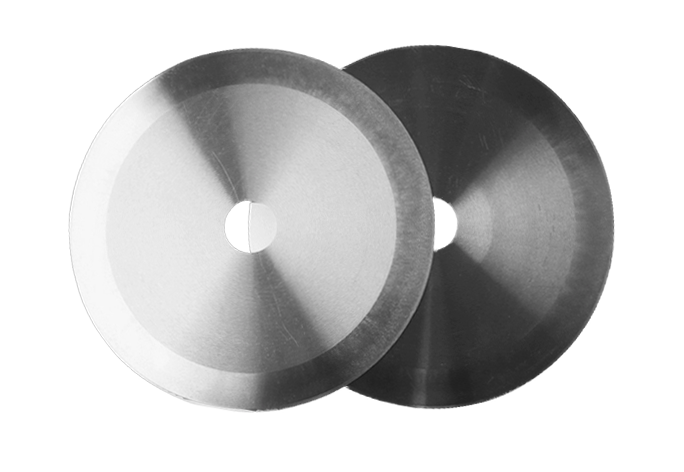
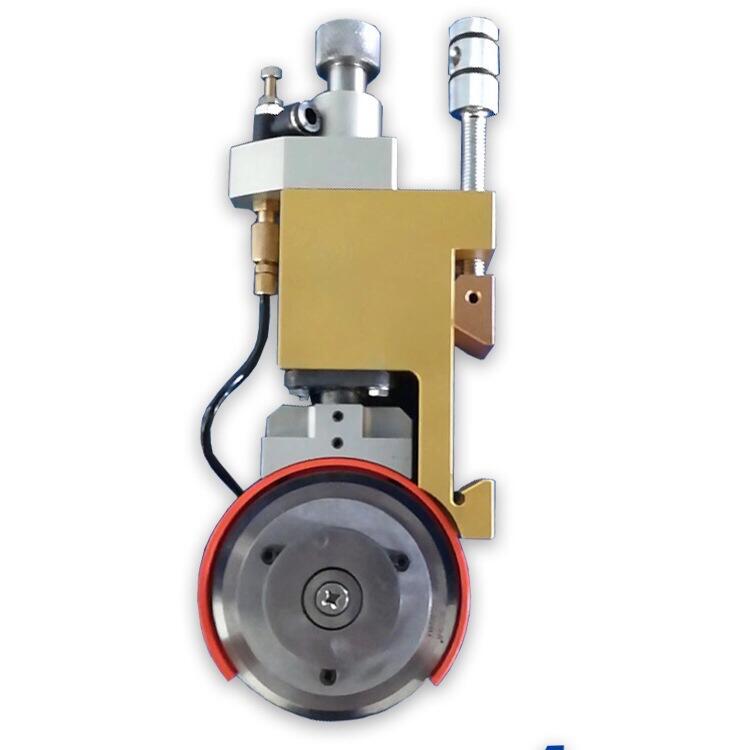
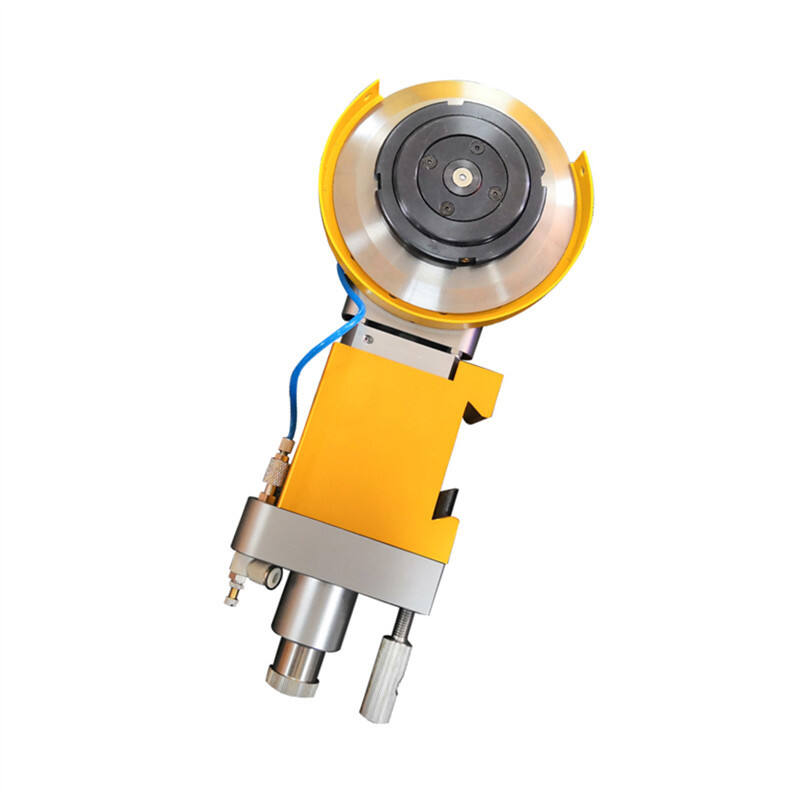
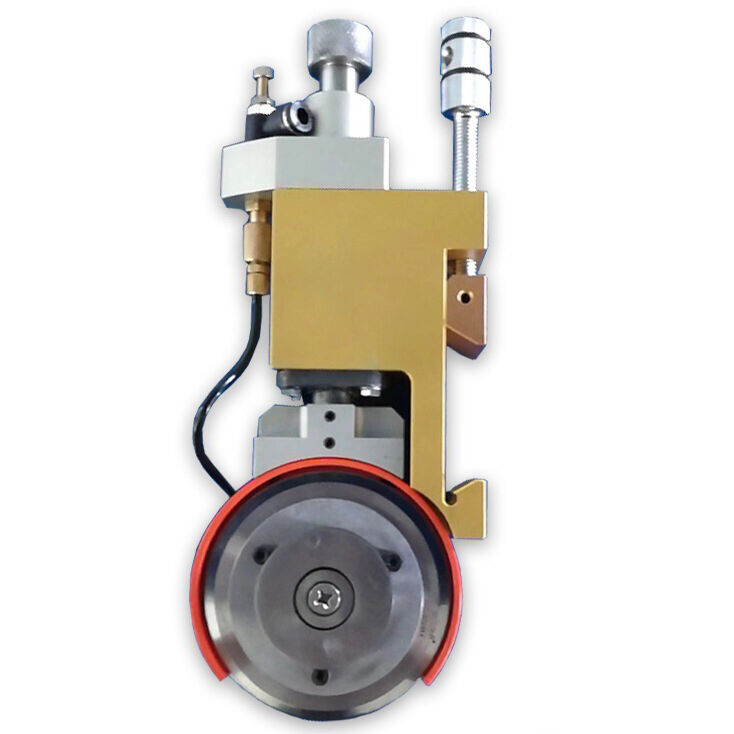
The pneumatic knife for textile delivers exceptional value through its cost-effective operation profile and remarkably low maintenance requirements, making it an intelligent long-term investment for textile operations of all sizes. The economic advantages begin with energy efficiency, as pneumatic systems convert compressed air into cutting power with minimal energy waste. Facilities with existing compressed air infrastructure can integrate the pneumatic knife for textile without additional utility installations, leveraging their current systems to power cutting operations. Even operations requiring new air compressor installations find that pneumatic systems offer lower operational costs compared to electric cutting equipment over the tool's service life. The simplicity of pneumatic mechanism design contributes significantly to reliability and longevity. Unlike complex electric motors with multiple moving parts, bearings, and electronic components susceptible to failure, the pneumatic knife for textile operates through straightforward air pressure principles with fewer failure points. This mechanical simplicity translates directly to reduced maintenance frequency and lower repair costs. Routine maintenance typically involves only blade replacement, lubrication of moving parts, and occasional seal inspection, tasks that facility maintenance teams can perform without specialized training or expensive diagnostic equipment. The pneumatic knife for textile blade replacement process has been engineered for simplicity, often requiring no tools or only basic hex keys, allowing operators to swap blades quickly during production shifts without extended downtime. Blade costs remain reasonable, with bulk purchasing options further reducing per-unit expenses. The durability of quality pneumatic knife for textile components means replacement cycles for major parts extend over years rather than months, minimizing ongoing ownership costs. The tool's resistance to environmental factors common in textile facilities, including airborne fiber particles and humidity variations, ensures consistent performance without frequent adjustments or calibration. Unlike electric cutting tools vulnerable to dust accumulation in motor housings and electrical components, the pneumatic knife for textile maintains performance in typical textile production environments. The absence of electrical components also eliminates concerns about electrical safety compliance, reducing insurance premiums and safety equipment requirements. Return on investment calculations consistently favor pneumatic knife for textile adoption, with payback periods often measured in months rather than years when factoring productivity gains, waste reduction, and maintenance savings. The tool's versatility across different cutting applications means a single investment serves multiple production needs, eliminating redundant equipment purchases. Resale value remains strong for well-maintained pneumatic knife for textile units, providing asset recovery options for facilities upgrading or changing production focuses.
 EN
EN