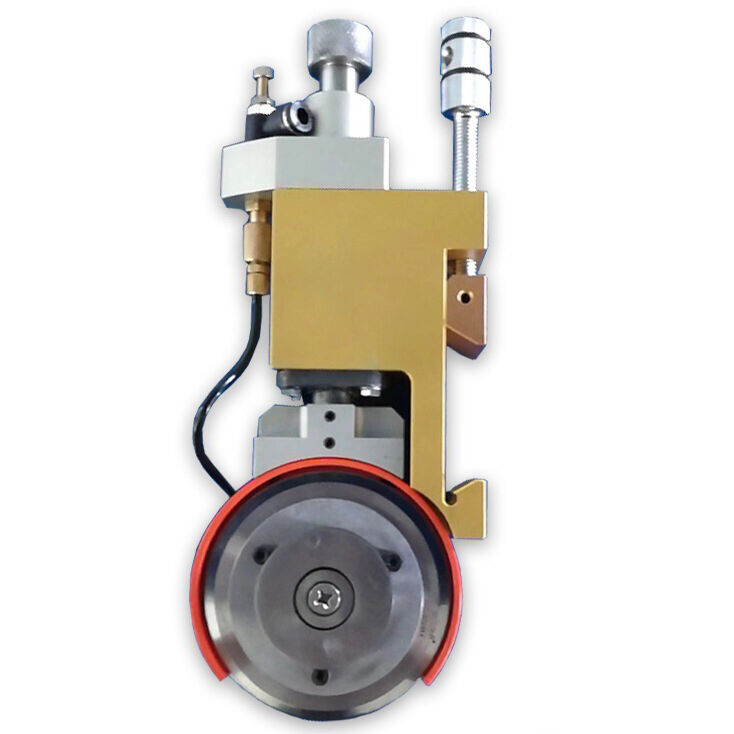
Pneumatic Slitting Knife Solutions - Precision Cutting Technology for Industrial Applications

All Categories

Get a Free Quote

Our representative will contact you soon.
Email
WhatsApp
Name
Company Name
Message
0/1000

pneumatic slitting knife

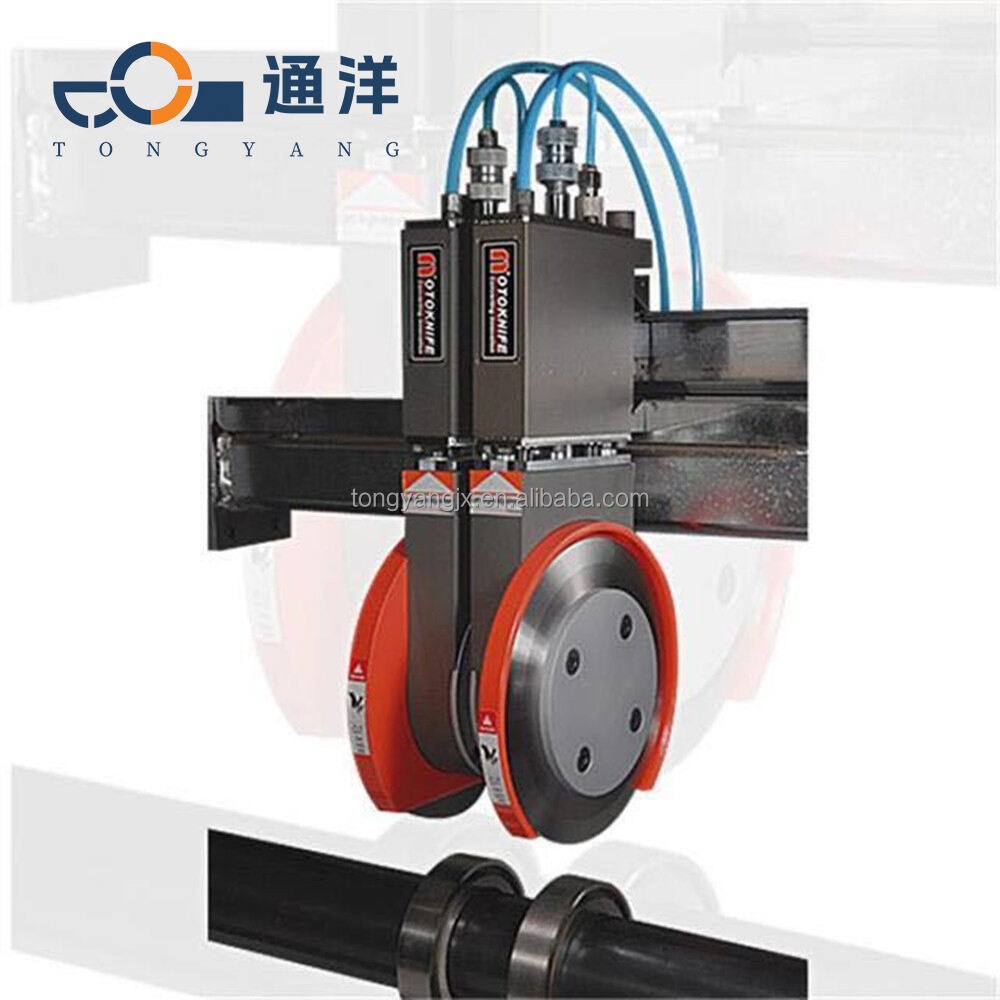
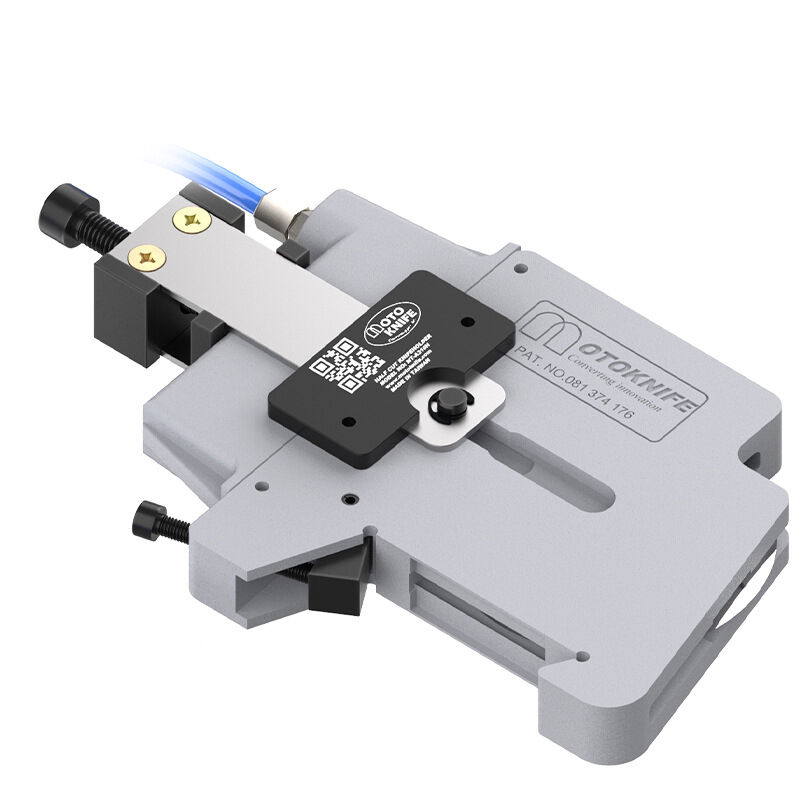
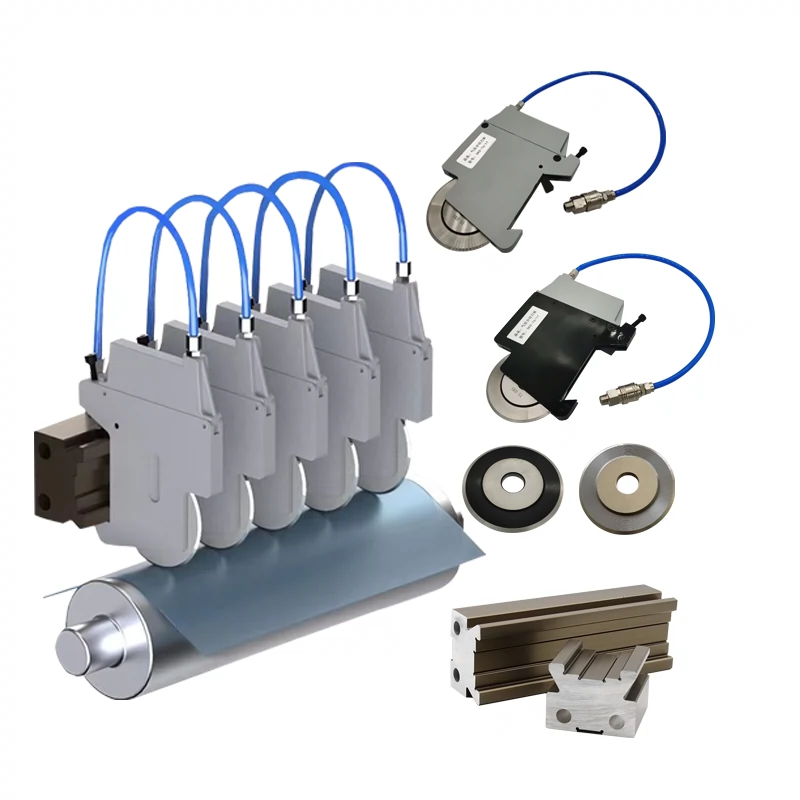
The pneumatic slitting knife represents a sophisticated cutting solution designed to deliver precise and efficient material separation across various industrial applications. This advanced cutting tool harnesses compressed air power to execute clean, accurate slits through diverse materials including paper, film, foil, textiles, and flexible packaging substrates. Unlike traditional mechanical cutting systems, the pneumatic slitting knife operates through air pressure mechanisms that enable rapid blade engagement and disengagement, offering manufacturers enhanced control over cutting operations. The core functionality revolves around converting pneumatic energy into mechanical motion, driving razor-sharp blades through materials with consistent pressure and speed. Modern pneumatic slitting knife systems integrate ergonomic designs with safety features, ensuring operators can perform repetitive cutting tasks without excessive fatigue or injury risk. These tools typically feature adjustable pressure settings, allowing customization based on material thickness, density, and composition. The technological framework includes precision-engineered blade holders, air pressure regulators, quick-release mechanisms, and anti-vibration components that collectively maintain cutting accuracy throughout extended production runs. Manufacturing facilities utilizing pneumatic slitting knife equipment benefit from reduced setup times, minimized material waste, and improved edge quality compared to manual or electric alternatives. The pneumatic slitting knife finds extensive application in converting operations where rolls of material require longitudinal cutting into narrower widths. Printing houses, packaging manufacturers, textile processors, and label production facilities rely on this technology to transform bulk materials into finished products meeting exact dimensional specifications. The pneumatic actuation principle eliminates electrical spark risks, making these cutting systems particularly valuable in environments handling flammable or sensitive materials. Contemporary pneumatic slitting knife designs incorporate modular components, facilitating swift blade changes and maintenance procedures that minimize production downtime while maximizing operational efficiency and return on investment for businesses across multiple sectors.

New Product Recommendations

Manufacturers choosing pneumatic slitting knife technology gain immediate operational advantages that translate directly into improved productivity and cost savings. The primary benefit lies in the consistent cutting quality these systems deliver, producing smooth edges without fraying, tearing, or deformation that often plague inferior cutting methods. This precision stems from the controlled air pressure that maintains uniform blade contact throughout each cutting cycle, ensuring every slit matches exact specifications regardless of production volume. Operators appreciate the reduced physical strain associated with pneumatic slitting knife operation, as the compressed air handles the demanding cutting force rather than requiring manual pressure application. This ergonomic advantage becomes especially significant during extended shifts, where operator fatigue directly impacts both safety records and production output quality. The rapid blade engagement speed inherent to pneumatic systems accelerates cutting cycles, enabling facilities to process greater material volumes within identical timeframes compared to manual or slower electric alternatives. Energy efficiency represents another compelling advantage, as pneumatic slitting knife units consume compressed air only during active cutting moments rather than drawing continuous electrical power. This intermittent consumption pattern reduces operational costs while supporting environmental sustainability initiatives that increasingly influence purchasing decisions across industrial sectors. Maintenance requirements remain minimal due to the straightforward mechanical design, with fewer electronic components that might fail or require specialized technical support. Shop floor personnel can typically perform routine maintenance tasks including blade replacement, pressure adjustments, and cleaning procedures without extensive training or expensive specialized tools. The inherent safety characteristics of pneumatic operation eliminate electrical shock hazards and reduce spark generation risks, creating safer working conditions particularly when cutting static-prone or flammable materials. Versatility across material types allows single pneumatic slitting knife installations to handle diverse substrates, eliminating the need for multiple specialized cutting systems and maximizing equipment utilization rates. The compact footprint of most pneumatic slitting knife designs enables integration into existing production lines without extensive facility modifications or space reallocation. Quick changeover capabilities allow operators to switch between different cutting configurations rapidly, supporting just-in-time manufacturing approaches and small-batch production runs that characterize modern flexible manufacturing environments. Cost-effectiveness extends beyond initial equipment investment, as replacement parts remain affordable and widely available while the durable construction ensures extended service life that delays capital replacement cycles. These combined advantages position the pneumatic slitting knife as a strategic investment that enhances competitive positioning through superior product quality, operational efficiency, workplace safety improvements, and sustained cost management across the complete equipment lifecycle.

Practical Tips

Industrial Corrugated Cardboard Cutting Blade Selection Tips

25

Mar

Industrial Corrugated Cardboard Cutting Blade Selection Tips

Selecting the right cutting blade for corrugated cardboard processing operations represents a critical decision that directly impacts production efficiency, product quality, and operational costs. Industrial facilities handling large volumes of corru...
View More
How to Sharpen Your Circular Knife: Step-by-Step Guide

30

Apr

How to Sharpen Your Circular Knife: Step-by-Step Guide

Maintaining the sharpness of your circular knife is essential for achieving clean, precise cuts in industrial and commercial applications. Whether you work in rubber processing, textile manufacturing, paper cutting, or food production, a dull circula...
View More
Metal Cutting Blade Maintenance: Essential Tips

30

Apr

Metal Cutting Blade Maintenance: Essential Tips

Metal cutting blades are critical components in industrial manufacturing environments, directly influencing productivity, cut quality, and operational safety. Whether deployed in metal slitting machines, shearing operations, or precision cutting appl...
View More
Leather Cutting Blade Maintenance: Essential Tips

30

Apr

Leather Cutting Blade Maintenance: Essential Tips

Proper maintenance of your leather cutting blade directly determines the quality of your cuts, the longevity of your equipment, and the efficiency of your production workflow. Whether you operate a small leather workshop or manage a large-scale manuf...
View More

Get a Free Quote

Our representative will contact you soon.
Email
WhatsApp
Name
Company Name
Message
0/1000

pneumatic slitting knife

Precision Cutting Performance with Pneumatic Control Technology

Precision Cutting Performance with Pneumatic Control Technology

The pneumatic slitting knife distinguishes itself through exceptional precision enabled by advanced pneumatic control technology that transforms compressed air into consistently accurate cutting motion. This sophisticated mechanism allows operators to fine-tune cutting parameters with remarkable granularity, adjusting air pressure levels to accommodate varying material characteristics ranging from delicate tissue papers to robust industrial textiles. The pneumatic actuation system responds instantaneously to control inputs, engaging blades with millisecond precision that ensures clean entry points and exit edges throughout each cutting operation. This responsiveness proves particularly valuable when processing materials with inconsistent thickness or density variations, as the pneumatic slitting knife automatically compensates through its pressure regulation system, maintaining cut quality despite substrate irregularities. The technology eliminates common cutting defects including jagged edges, compression marks, and material distortion that compromise finished product quality and generate costly waste. Manufacturing facilities implementing pneumatic slitting knife systems report significant reductions in quality control rejections, as the consistent blade pressure prevents the over-cutting and under-cutting issues associated with manually operated or mechanically driven alternatives. The precision extends to dimensional accuracy, with pneumatic systems capable of maintaining tolerances within fractions of millimeters across thousands of repetitive cuts, ensuring finished products meet exacting customer specifications. This reliability stems from the stable nature of compressed air delivery, which provides uniform force application unaffected by electrical fluctuations or mechanical wear patterns that degrade cutting accuracy over time. Operators benefit from intuitive pressure adjustment interfaces that require minimal training, enabling quick adaptation to new materials or changing production requirements without extensive recalibration procedures. The pneumatic slitting knife precision advantage translates directly into material savings, as tighter cutting tolerances reduce trim waste and allow manufacturers to maximize yield from each raw material roll. Quality improvements extend beyond dimensional accuracy to include superior edge characteristics, with pneumatic cutting producing sealed edges on certain synthetic materials and preventing unraveling in textile applications. These precision capabilities make the pneumatic slitting knife indispensable for applications demanding exact specifications, including medical packaging, electronic component materials, and premium consumer products where cutting quality directly influences brand perception and market competitiveness.
Enhanced Operator Safety and Ergonomic Efficiency

Enhanced Operator Safety and Ergonomic Efficiency

The pneumatic slitting knife prioritizes operator wellbeing through comprehensive safety features and ergonomic design principles that reduce workplace injuries while improving productivity outcomes. Unlike blade systems requiring manual force application, the pneumatic slitting knife harnesses compressed air power to execute cutting operations, eliminating the repetitive strain injuries associated with hand-operated tools. This fundamental design advantage becomes critically important in high-volume production environments where operators perform thousands of cutting cycles daily, as the pneumatic assistance prevents the cumulative musculoskeletal disorders that plague manual cutting operations. The ergonomic benefits extend to tool positioning and handling, with modern pneumatic slitting knife designs incorporating balanced weight distribution, comfortable grip surfaces, and adjustable mounting configurations that accommodate diverse operator preferences and workstation layouts. Safety mechanisms integrated into pneumatic slitting knife systems include blade guards that shield operators from accidental contact, two-handed activation controls preventing unintended engagement, and automatic blade retraction features that withdraw cutting edges immediately upon pressure release. These protective elements work synergistically to create multiple safety layers, dramatically reducing laceration risks compared to exposed blade alternatives. The absence of electrical power transmission eliminates shock hazards, making pneumatic slitting knife equipment particularly appropriate for environments with moisture exposure or conductive material handling. Operators working with flammable substrates benefit from the spark-free operation inherent to pneumatic systems, as the air-powered mechanism generates no ignition sources that might trigger fires in volatile atmospheres. Training requirements remain minimal due to intuitive operation sequences, allowing new personnel to achieve proficiency quickly while reducing the supervision burden on experienced staff members. The reduced physical demands enable operators to maintain focus and precision throughout extended shifts, as fatigue-related concentration lapses decrease when ergonomic tools eliminate unnecessary physical stress. Maintenance safety receives equal attention, with pneumatic slitting knife designs facilitating blade replacement and adjustment procedures that minimize exposure to sharp edges through tool-free access panels and magnetic blade retention systems. The overall safety profile supports regulatory compliance with occupational health standards while demonstrating organizational commitment to workforce protection, factors that enhance employee satisfaction, reduce insurance costs, and strengthen company reputation within competitive labor markets seeking safe working conditions.
Versatile Application Range Across Multiple Industries

Versatile Application Range Across Multiple Industries

The pneumatic slitting knife demonstrates remarkable versatility, serving diverse cutting requirements across numerous industrial sectors with equal effectiveness and reliability. Converting operations represent the primary application domain, where pneumatic slitting knife systems transform large master rolls of paper, film, or foil into narrower widths specified by downstream manufacturing processes or end-user requirements. Printing facilities rely on pneumatic slitting knife equipment to prepare substrates for press feeding, cutting stock materials to exact dimensions that align with printing plate layouts and finishing equipment specifications. The technology proves equally valuable in packaging manufacturing, where pneumatic slitting knife systems process multilayer laminates, barrier films, and flexible packaging materials that demand clean edge separation without delamination or structural compromise. Textile industries utilize pneumatic slitting knife installations for fabric cutting operations, producing strips of consistent width from woven and non-woven materials destined for apparel manufacturing, upholstery production, and industrial applications. Label production facilities depend on pneumatic slitting knife precision to create die-cut blanks and continuous label stock from printed webs, maintaining registration accuracy essential for downstream converting steps. The medical and pharmaceutical sectors employ pneumatic slitting knife technology when processing sterile packaging materials, surgical fabrics, and wound care products where contamination prevention and edge cleanliness directly impact patient safety outcomes. Electronics manufacturing incorporates pneumatic slitting knife systems for cutting insulating films, conductive tapes, and protective layers used in component assembly and device fabrication processes. Automotive suppliers utilize these cutting tools when processing interior trim materials, sound dampening fabrics, and adhesive-backed components requiring precise dimensional control. The food packaging industry benefits from pneumatic slitting knife capabilities when working with metallized films, barrier materials, and portion control packaging that must meet stringent hygiene standards while delivering consistent package dimensions. Graphic arts operations employ pneumatic slitting knife equipment for trimming large-format prints, cutting banner materials, and preparing display graphics that demand professional edge appearance. Agricultural film manufacturers use these systems to create mulch films, greenhouse covers, and silage wraps in customized widths matching specific farming applications. This extensive application range demonstrates the pneumatic slitting knife adaptability across material types, thickness ranges, and production environments, making it a universally valuable cutting solution that delivers consistent performance regardless of industry-specific challenges or unique operational requirements faced by diverse manufacturing sectors.

Get a Free Quote

Our representative will contact you soon.
Email
WhatsApp
Name
Company Name
Message
0/1000
Newsletter
Please Leave A Message With Us