Pneumatic Knife: Precision Air-Powered Cutting Tools for Industrial Applications

All Categories

Get a Free Quote

Our representative will contact you soon.
Email
WhatsApp
Name
Company Name
Message
0/1000

pneumatic knife

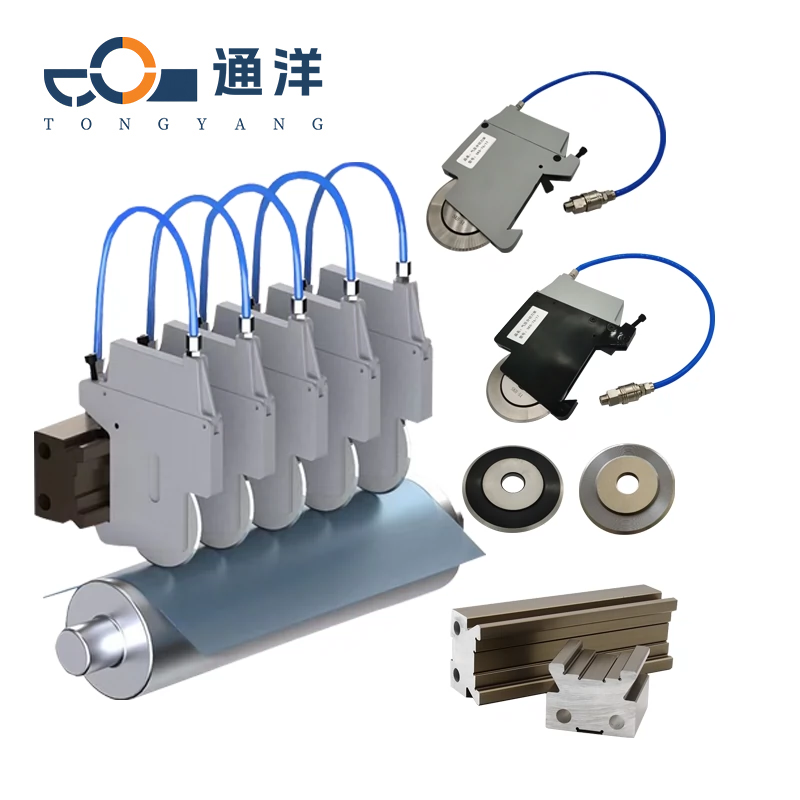
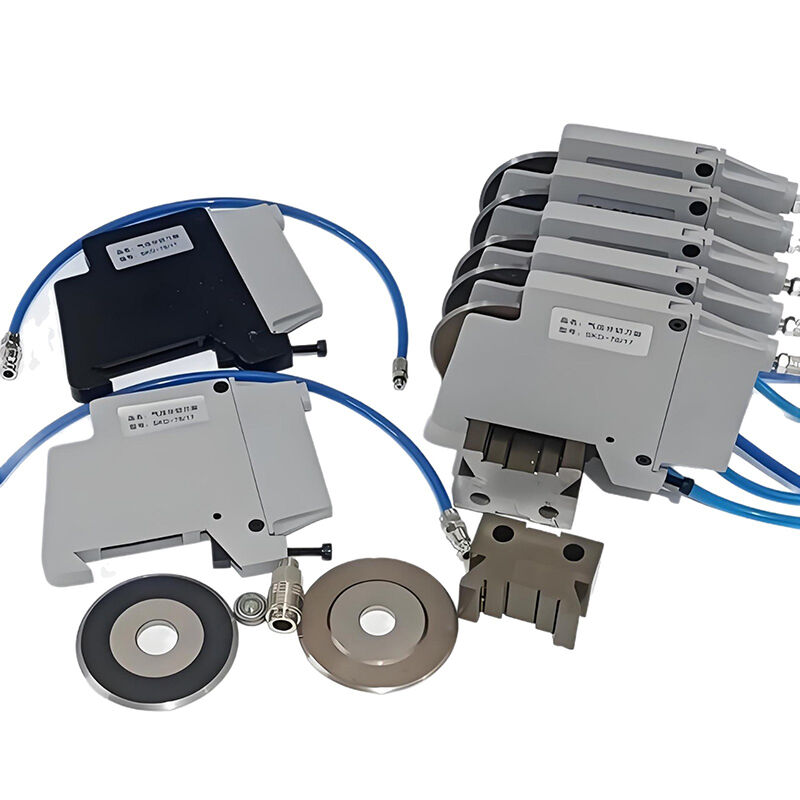
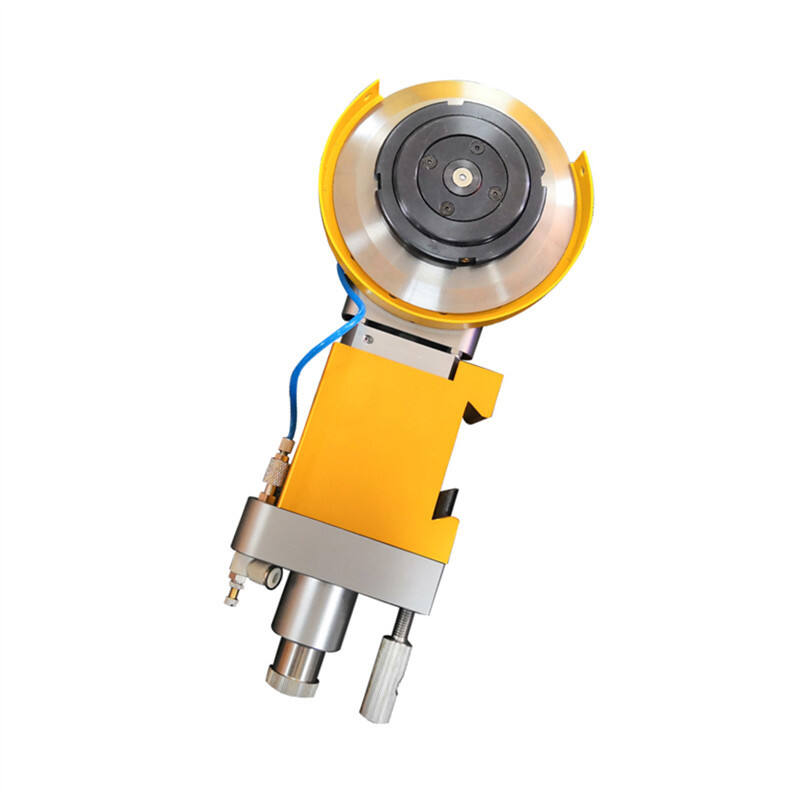
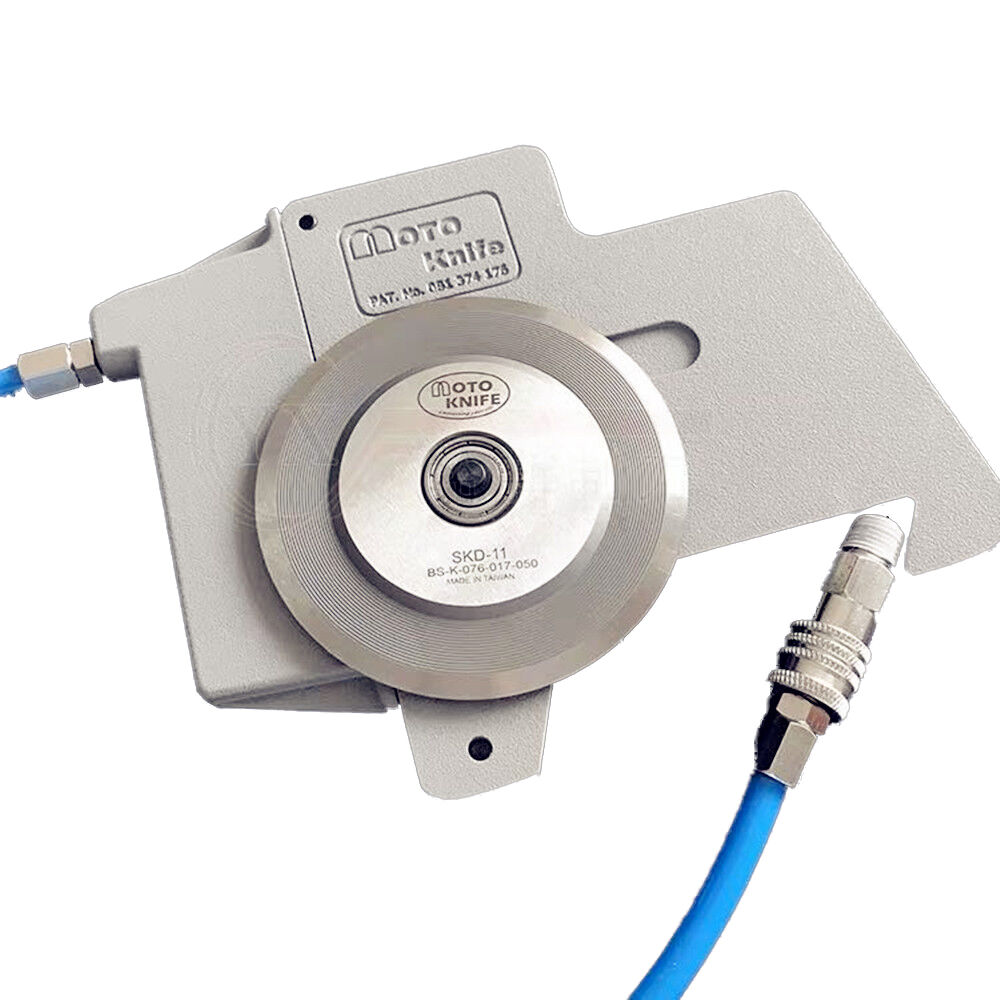
The pneumatic knife represents a cutting-edge solution in industrial cutting technology, powered by compressed air to deliver precise and efficient cutting operations across various materials and applications. This innovative tool harnesses the power of pneumatic systems to drive a sharp blade at controlled speeds, offering manufacturers and craftsmen a reliable alternative to traditional manual or electric cutting methods. The pneumatic knife operates by converting compressed air energy into mechanical motion, driving the cutting blade with consistent force and rhythm. Its main functions include straight-line cutting, curved cutting, trimming excess materials, and creating clean edges on diverse substrates ranging from textiles and leather to foam, rubber, and composite materials. The technological features of this tool distinguish it from conventional cutting equipment through its air-powered motor system that eliminates electrical hazards in sensitive environments. The pneumatic knife incorporates advanced blade oscillation technology that moves the cutting edge at high frequencies, typically ranging from several hundred to several thousand strokes per minute, depending on the model specifications. This rapid oscillation combined with forward motion creates smooth, accurate cuts with minimal material distortion or fraying. Modern pneumatic knife systems feature adjustable pressure regulators that allow operators to fine-tune cutting force according to material thickness and density, ensuring optimal performance across different applications. The ergonomic design of pneumatic knives prioritizes user comfort during extended operation periods, with lightweight construction and balanced weight distribution reducing operator fatigue. Safety mechanisms built into these tools include blade guards, trigger locks, and quick-release air fittings that enable immediate shutdown in emergency situations. Applications for pneumatic knives span numerous industries including automotive upholstery, furniture manufacturing, apparel production, packaging, aerospace composite fabrication, and industrial gasket cutting. The versatility of this tool makes it indispensable in both high-volume production environments and specialized custom fabrication shops where precision and repeatability are paramount requirements.

Popular Products

Choosing a pneumatic knife for your cutting operations delivers numerous practical benefits that directly impact productivity, safety, and cost-effectiveness. First and foremost, these tools operate without electrical power, eliminating the risk of electrical shocks and sparks that could ignite flammable materials in your workplace. This makes them ideal for environments where volatile substances are present or where stringent safety regulations prohibit electric tools. The compressed air power source provides consistent performance without the power fluctuations that can affect electric motors, ensuring uniform cutting quality throughout your entire production shift. Maintenance requirements for pneumatic knives are significantly lower compared to electric alternatives because they contain fewer complex components that can fail or wear out. The simple air motor design means fewer breakdowns, less downtime, and reduced maintenance costs over the tool's operational lifetime. When maintenance is needed, repairs are straightforward and inexpensive, often requiring only basic seal replacements or lubrication adjustments that your in-house technicians can easily perform. The lightweight nature of pneumatic knives reduces operator fatigue dramatically during extended use, allowing your workers to maintain precision and productivity throughout their shifts without experiencing the arm strain and muscle fatigue associated with heavier electric tools. This ergonomic advantage translates into higher quality output and fewer repetition-related injuries in your workforce. Cost savings become apparent quickly when you factor in the lower initial purchase price compared to premium electric cutting systems, combined with reduced energy consumption since compressed air systems in most facilities are already established infrastructure. The pneumatic knife generates minimal heat during operation, preventing heat-related damage to temperature-sensitive materials such as synthetic fabrics, thermoplastics, and adhesive-backed materials that might melt or deform under the heat produced by electric motors. Noise levels are considerably lower than many electric cutting tools, creating a more comfortable working environment and reducing the need for extensive hearing protection measures. The instantaneous power delivery of compressed air allows for immediate start-up and shutdown, improving operational efficiency by eliminating warm-up periods required by some electric systems. Versatility is another significant advantage, as a single pneumatic knife can handle multiple materials by simply changing blades or adjusting air pressure, eliminating the need to invest in multiple specialized cutting tools. The durability of pneumatic construction ensures these tools withstand harsh industrial environments including dusty conditions, humidity, and temperature extremes that might damage sensitive electronic components in electric tools. Finally, the environmental footprint is reduced since pneumatic knives do not consume electricity directly and produce no electromagnetic interference that could affect nearby sensitive equipment or electronic systems in your facility.

Tips And Tricks

Industrial Circular Knife Applications: Complete Overview

25

Mar

Industrial Circular Knife Applications: Complete Overview

Industrial cutting operations rely heavily on precision tools that deliver consistent results across diverse manufacturing environments. The circular knife stands as one of the most versatile and essential cutting implements in modern industrial appl...
View More
How to Extend Your Film Slitting Blade Lifespan

25

Mar

How to Extend Your Film Slitting Blade Lifespan

Manufacturing operations that rely on precise film cutting know that blade performance directly impacts production efficiency and product quality. A well-maintained film slitting blade can significantly reduce downtime, minimize material waste, and e...
View More
Common Slitter Blades Problems and Solutions

30

Mar

Common Slitter Blades Problems and Solutions

Manufacturing operations that rely on slitter blades face a variety of challenges that can significantly impact production efficiency, material quality, and operational costs. Understanding the most common problems associated with slitter blades and ...
View More
Metal Cutting Blade Maintenance: Essential Tips

30

Apr

Metal Cutting Blade Maintenance: Essential Tips

Metal cutting blades are critical components in industrial manufacturing environments, directly influencing productivity, cut quality, and operational safety. Whether deployed in metal slitting machines, shearing operations, or precision cutting appl...
View More

Get a Free Quote

Our representative will contact you soon.
Email
WhatsApp
Name
Company Name
Message
0/1000

pneumatic knife

Superior Safety Features That Protect Your Workforce

Superior Safety Features That Protect Your Workforce

The pneumatic knife stands out in industrial settings primarily due to its comprehensive safety features that protect operators from common workplace hazards associated with cutting operations. Unlike electric-powered cutting tools that pose electrocution risks and can generate dangerous sparks in volatile environments, the pneumatic knife operates entirely on compressed air, creating an intrinsically safe tool for use around flammable materials, combustible dust, and explosive atmospheres. This fundamental design advantage makes it the preferred choice in industries such as chemical manufacturing, petroleum refining facilities, and paint production plants where even a tiny spark from an electric motor could trigger catastrophic incidents. The absence of electrical components eliminates the possibility of electric shock injuries, providing peace of mind for safety managers and operators alike, particularly in wet environments or areas where conductive materials are present. Modern pneumatic knife designs incorporate multiple layers of operator protection including blade guards that shield hands from accidental contact with the cutting edge while maintaining visibility of the cutting path. These guards are engineered to balance protection with functionality, ensuring operators can work efficiently without compromising safety. The trigger mechanism on quality pneumatic knives features a dead-man switch design that immediately stops blade motion when the operator releases pressure, preventing accidental cuts during momentary distractions or unexpected situations. This instant-stop capability proves invaluable in preventing injuries that might occur if the tool continued operating after being set down or dropped. The cool-running nature of air-powered motors means operators never risk burns from touching hot surfaces, a common hazard with electric tools that heat up during prolonged use. Furthermore, the pneumatic knife produces no electromagnetic fields, making it safe to use near pacemakers and other medical devices that might be affected by electromagnetic interference from electric motors. The simple disconnect of the air supply line provides an additional failsafe mechanism, allowing supervisors to quickly isolate tools during maintenance, training sessions, or emergency situations. Ergonomic safety considerations are also paramount in pneumatic knife design, with balanced weight distribution and anti-vibration features reducing the cumulative stress injuries associated with repetitive cutting motions. The lower vibration levels compared to many electric reciprocating tools help prevent hand-arm vibration syndrome, a debilitating condition affecting workers who use high-vibration tools extensively. Quality pneumatic knife systems include pressure regulators and relief valves that prevent over-pressurization, protecting both the tool and the operator from the dangers of excessive air pressure that could cause catastrophic tool failure or projectile hazards.
Exceptional Cutting Precision for Consistent Quality Results

Exceptional Cutting Precision for Consistent Quality Results

Precision cutting capability represents one of the most compelling reasons professionals choose pneumatic knife technology for demanding applications where accuracy directly impacts product quality and material waste. The pneumatic knife achieves remarkable cutting precision through its high-frequency blade oscillation system that moves the cutting edge in rapid, controlled strokes while the operator guides the tool along the intended cutting path. This oscillating action, typically operating at frequencies between 3000 and 10000 strokes per minute depending on the model, creates exceptionally clean cuts with smooth edges that require minimal secondary finishing operations. The consistency of compressed air power delivery ensures each stroke maintains uniform force and speed, eliminating the variation that can occur with electric motors experiencing voltage fluctuations or battery-powered tools suffering from charge depletion. This consistency translates directly into uniform cut quality across entire production runs, reducing reject rates and ensuring every piece meets your quality specifications. The pneumatic knife excels at following intricate patterns and tight radius curves that would be difficult or impossible with straight-blade cutting methods, enabling manufacturers to produce complex shapes without investing in expensive die-cutting equipment. Operators appreciate the tactile feedback provided by pneumatic systems, as the tool's response to material resistance gives them real-time information about cutting conditions, allowing immediate adjustments to pressure or speed for optimal results. Advanced blade designs compatible with pneumatic knife systems include various tooth configurations, blade materials, and edge geometries optimized for specific materials, whether you are cutting delicate silk fabrics, tough Kevlar composites, dense rubber sheets, or multi-layer laminates. The adjustable pressure regulation feature allows operators to dial in the perfect cutting force for each material type and thickness, preventing both incomplete cuts that require additional passes and excessive force that might damage substrates or cause premature blade wear. This adjustability makes the pneumatic knife remarkably versatile, capable of handling everything from gossamer-thin tissues to heavy industrial textiles within a single production shift. The minimal heat generation during pneumatic knife operation proves critical when cutting thermoplastic materials, synthetic fibers, and adhesive-backed products that would melt, fuse, or experience edge distortion from the heat produced by friction-intensive cutting methods or hot-blade systems. Clean edges without melted material or frayed fibers mean reduced waste, better product appearance, and elimination of secondary edge-finishing steps that add labor costs and production time. Manufacturers working with expensive materials particularly value the precision of pneumatic knife cutting because accurate cuts minimize scrap and maximize material utilization, directly improving profit margins on every production run.
Outstanding Durability and Low Maintenance for Maximum Uptime

Outstanding Durability and Low Maintenance for Maximum Uptime

Industrial operations demand tools that deliver reliable performance day after day with minimal maintenance requirements, and the pneumatic knife excels in both durability and ease of maintenance, making it an economically sound investment for businesses focused on maximizing equipment uptime and minimizing total cost of ownership. The fundamental simplicity of pneumatic motor design, featuring fewer moving parts compared to complex electric motor assemblies, directly contributes to exceptional reliability and extended service life under demanding industrial conditions. Where electric motors contain brushes, armatures, commutators, and electronic speed controls that wear out or fail, the pneumatic knife relies on a straightforward air motor with rotary vanes or pistons that convert compressed air energy into mechanical motion through basic mechanical principles. This elegant simplicity means fewer components that can break, reducing both the frequency and cost of repairs throughout the tool's operational lifetime. The pneumatic knife demonstrates remarkable resilience in harsh environments that would quickly degrade electric tools, operating reliably in extremely dusty conditions where abrasive particles would infiltrate electric motor housings and accelerate wear on bearings and electronic components. Similarly, humid environments and occasional water exposure that might cause corrosion or short circuits in electric tools pose minimal threat to properly maintained pneumatic systems constructed from corrosion-resistant materials. Temperature extremes that affect battery performance and electric motor efficiency have little impact on pneumatic knife operation, as compressed air systems function effectively across wide temperature ranges encountered in industrial facilities. Maintenance procedures for pneumatic knives are straightforward and require minimal technical expertise, typically involving periodic lubrication of the air motor using inline oilers that automatically introduce proper lubrication into the air stream, ensuring consistent motor protection without operator intervention. When maintenance is required, replacement parts for pneumatic systems are generally inexpensive and readily available, and the simple construction allows maintenance technicians to perform repairs quickly without specialized training or expensive diagnostic equipment. The blade changing process on pneumatic knives is designed for rapid execution, minimizing production downtime when blade replacement becomes necessary due to normal wear or when switching between different materials requiring different blade types. Many pneumatic knife models feature tool-free blade changing systems using quick-release mechanisms that allow operators to swap blades in seconds without screwdrivers, hex keys, or other tools that might be misplaced or unavailable when needed. Preventive maintenance schedules for pneumatic knives are far less demanding than those for electric cutting tools, typically requiring only periodic inspection of air supply fittings, hose condition checks, and verification that moisture separators in the compressed air system are functioning properly to prevent water contamination. The absence of electrical components eliminates concerns about capacitor aging, motor brush wear, switch contact degradation, and the electronic control failures that plague electric tools as they accumulate operating hours. This reliability advantage means your pneumatic knife remains productive year after year, delivering consistent performance without the productivity losses and replacement costs associated with tools that require frequent repairs or premature replacement due to cumulative wear on complex electrical and electronic systems.

Get a Free Quote

Our representative will contact you soon.
Email
WhatsApp
Name
Company Name
Message
0/1000
Newsletter
Please Leave A Message With Us