Premium Corrugated Cardboard Trimming Blade - High-Performance Cutting Solutions for Packaging Industry

All Categories

Get a Free Quote

Our representative will contact you soon.
Email
WhatsApp
Name
Company Name
Message
0/1000

corrugated cardboard trimming blade

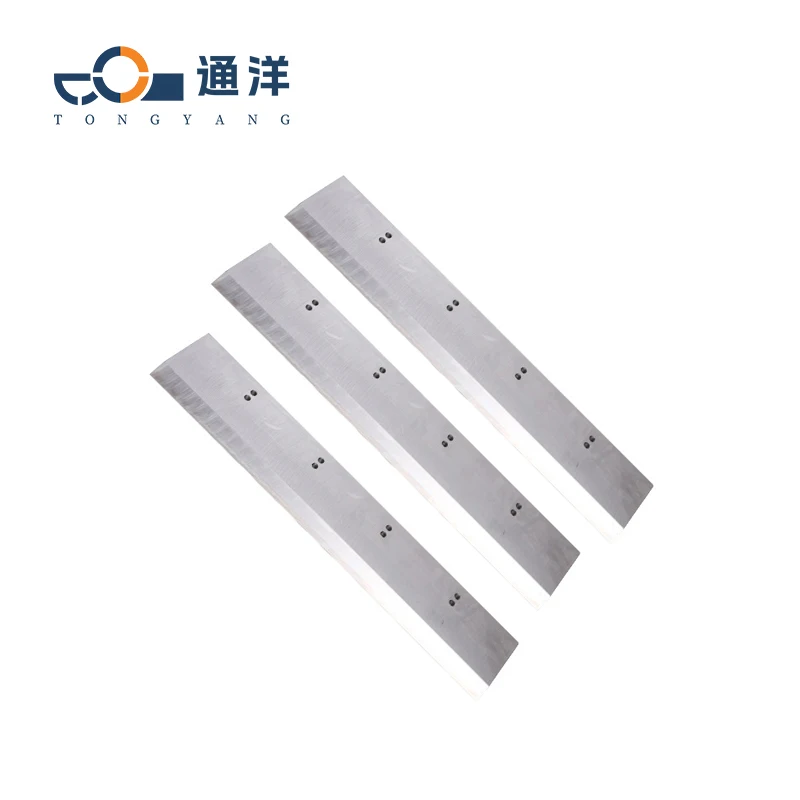
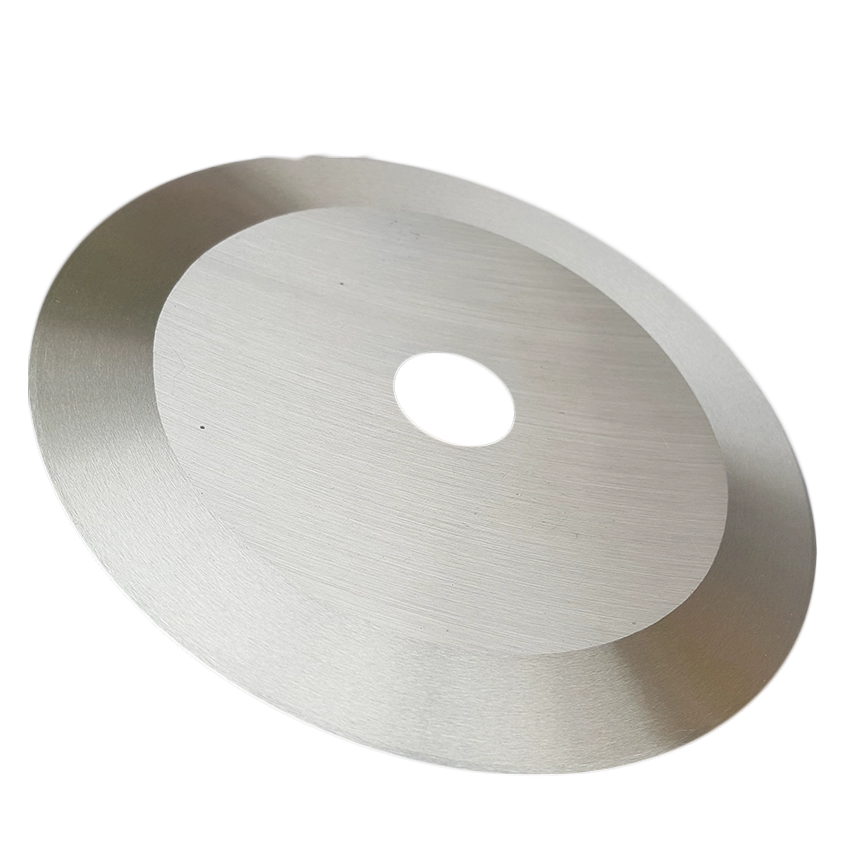
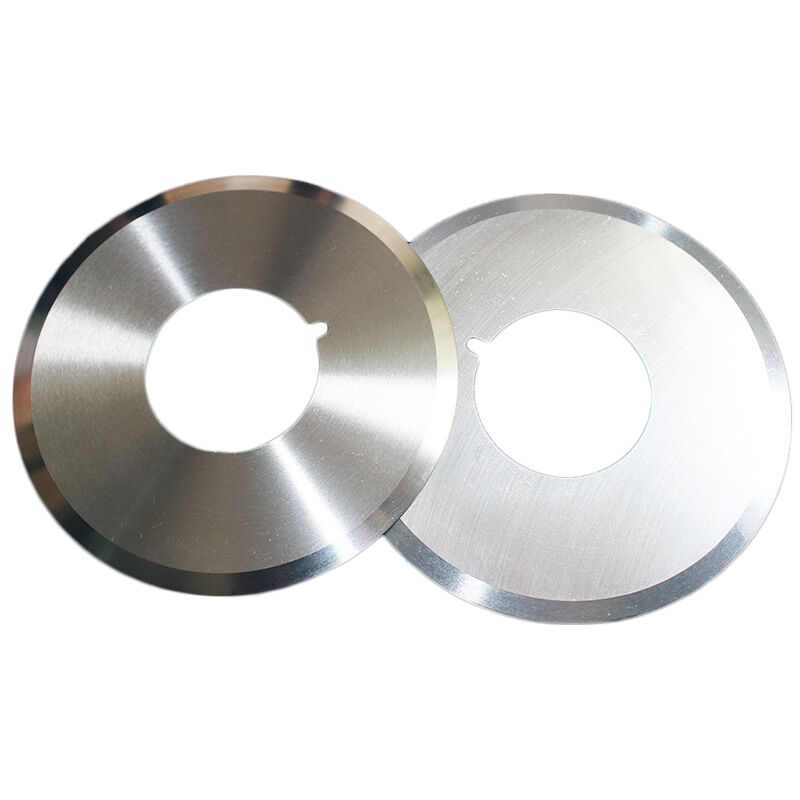
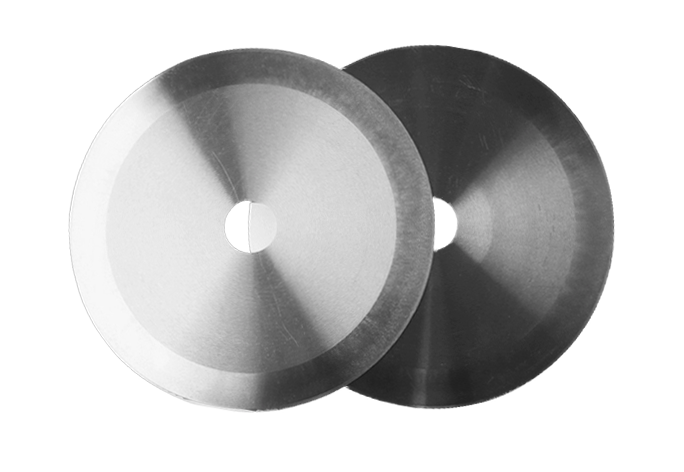
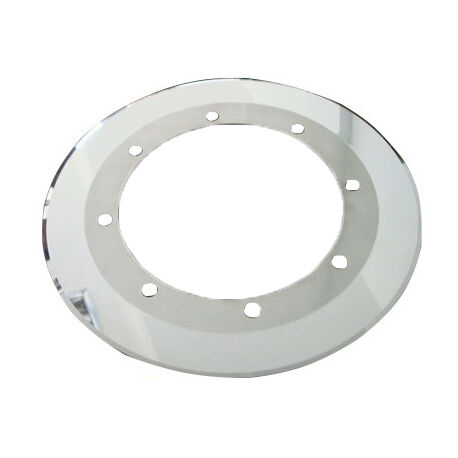
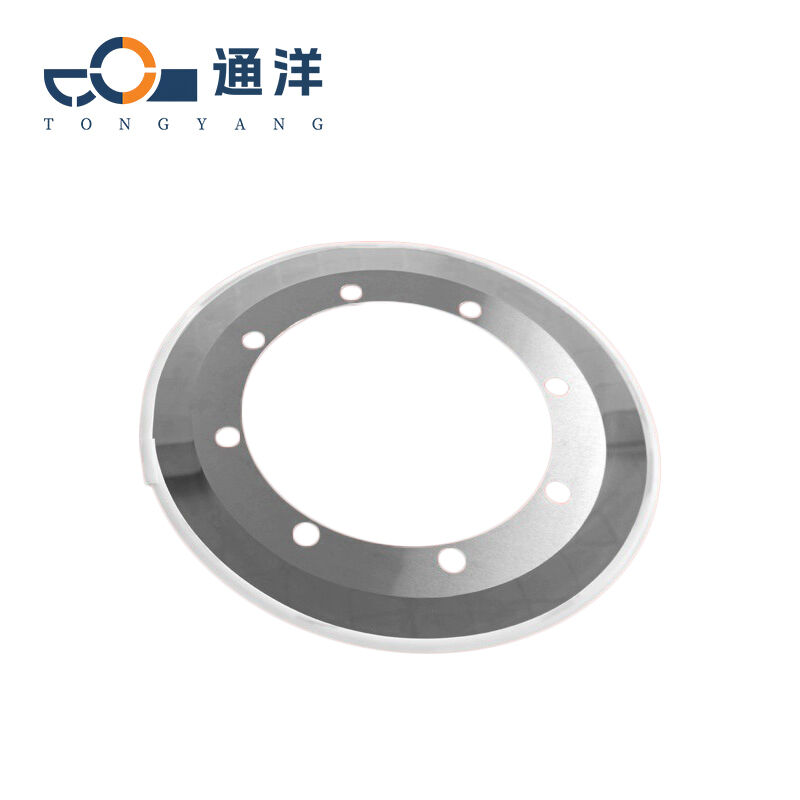
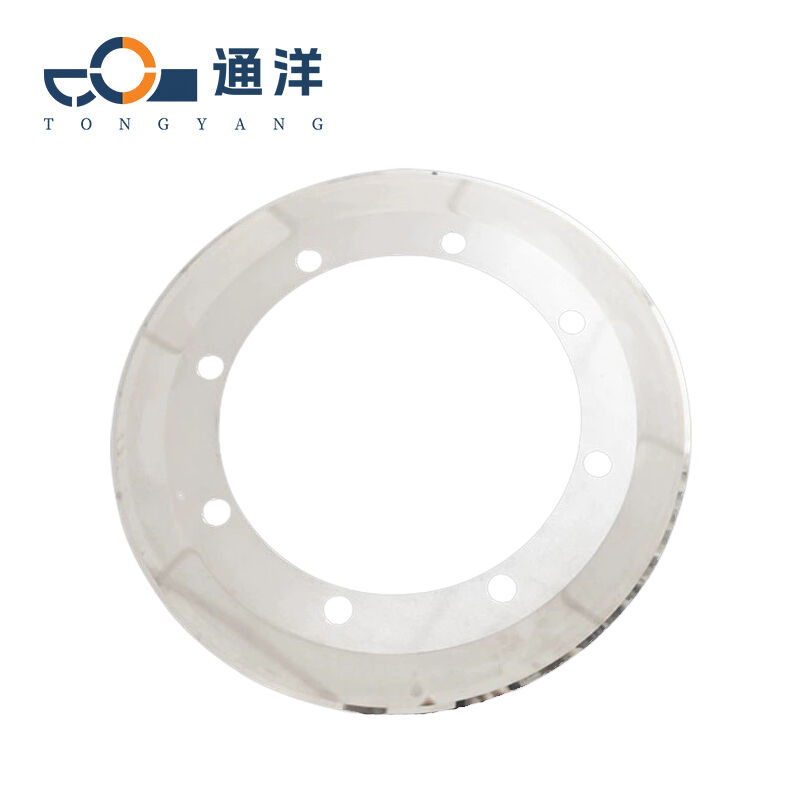
The corrugated cardboard trimming blade represents an essential industrial cutting tool specifically engineered for processing corrugated cardboard materials with exceptional precision and efficiency. This specialized blade serves as a critical component in packaging manufacturing facilities, converting operations, and box-making plants where corrugated cardboard undergoes various trimming and cutting procedures. The primary function of the corrugated cardboard trimming blade involves cleanly severing cardboard sheets, removing excess material from edges, and creating precise cuts that meet exact dimensional specifications required for packaging production. These blades are manufactured using premium-grade steel alloys that undergo specialized heat treatment processes to achieve optimal hardness levels, typically ranging between 58 to 62 HRC on the Rockwell scale, ensuring extended operational life and consistent cutting performance. The technological features incorporated into modern corrugated cardboard trimming blades include advanced edge geometries that minimize friction during cutting operations, proprietary coating technologies that reduce adhesive buildup from cardboard materials, and precision-ground cutting surfaces that maintain sharpness throughout extended production runs. The blade design often incorporates specific bevel angles and relief grinds that facilitate smooth material separation while preventing fiber tearing or edge crushing that could compromise the structural integrity of finished products. Applications for corrugated cardboard trimming blades span multiple sectors within the packaging industry, including single-face corrugator operations, double-backer machines, rotary die-cutting equipment, guillotine cutters, and longitudinal trimming stations. These blades prove indispensable for manufacturers producing shipping containers, retail packaging, point-of-purchase displays, and protective packaging solutions where clean edges and dimensional accuracy directly impact product quality and customer satisfaction. The versatility of corrugated cardboard trimming blades allows them to process various flute configurations, from E-flute microflute materials to heavy-duty triple-wall constructions, accommodating diverse production requirements across different market segments. Regular maintenance protocols involving proper blade positioning, timely resharpening, and appropriate cleaning procedures ensure that corrugated cardboard trimming blades deliver consistent performance metrics throughout their service life, maximizing return on investment for packaging operations while maintaining stringent quality standards demanded by modern manufacturing environments.

New Product Recommendations

Investing in high-quality corrugated cardboard trimming blades delivers numerous practical benefits that directly impact your production efficiency and bottom-line profitability. First and foremost, superior blade construction translates into dramatically extended service intervals between replacements, which means your production lines experience less downtime for blade changes and your maintenance teams spend more time on value-added activities rather than frequent tool swaps. This extended lifespan results from advanced metallurgy and precision manufacturing techniques that create blades capable of processing thousands of linear feet of cardboard material before requiring resharpening or replacement. The economic advantages become immediately apparent when you calculate the reduced frequency of blade purchases, lower labor costs associated with fewer changeovers, and eliminated production interruptions that previously disrupted delivery schedules and customer commitments. Another significant advantage centers on the exceptional cut quality that professional-grade corrugated cardboard trimming blades consistently deliver throughout their operational life. Clean, precise cuts eliminate common problems such as ragged edges, fiber pullout, and crushed flutes that compromise the appearance and structural performance of finished packaging products. When your customers receive boxes with perfectly trimmed edges and professional aesthetics, their confidence in your manufacturing capabilities strengthens, leading to repeat orders and positive referrals that expand your business opportunities. The improved cut quality also reduces waste by minimizing rejected products and rework requirements, ensuring that more of your raw material investment converts into sellable finished goods rather than scrap. Operational efficiency receives a substantial boost from corrugated cardboard trimming blades designed with friction-reducing features and optimized cutting geometries. These design elements allow your equipment to operate at higher speeds without sacrificing cut quality, effectively increasing throughput without requiring capital investment in additional machinery. The reduced cutting resistance also decreases the power consumption of your trimming equipment, lowering energy costs while simultaneously reducing mechanical stress on motors, bearings, and drive components, which extends the service life of expensive production equipment. Worker safety improves significantly when using properly manufactured corrugated cardboard trimming blades, as premium products undergo rigorous quality control testing to ensure they meet strict dimensional tolerances and remain free from metallurgical defects that could cause catastrophic blade failure during operation. The predictable performance characteristics of quality blades give your operators confidence in their equipment, while the reduced frequency of blade changes minimizes their exposure to potentially hazardous tool replacement procedures. Furthermore, many modern corrugated cardboard trimming blades feature coating technologies that prevent adhesive accumulation on cutting surfaces, eliminating the need for frequent cleaning interventions that interrupt production flow and expose workers to cleaning solvents and manual scraping operations that present injury risks.

Practical Tips

Can a Circular Blade Cut Metal? A Look at Hardened Metal Cutting Blades

25

Mar

Can a Circular Blade Cut Metal? A Look at Hardened Metal Cutting Blades

The ability to cut through metal efficiently and precisely has always been a cornerstone of modern manufacturing and fabrication industries. When professionals need to slice through various metal materials, the choice of cutting tool can make the dif...
View More
Paper Cutting Blade Safety: Essential Guidelines

23

Apr

Paper Cutting Blade Safety: Essential Guidelines

Workplace safety incidents involving paper cutting blade equipment account for thousands of injuries annually across commercial and industrial facilities. From minor cuts to severe lacerations requiring medical attention, these incidents often stem f...
View More
Common Slitter Blades Problems and Solutions

30

Mar

Common Slitter Blades Problems and Solutions

Manufacturing operations that rely on slitter blades face a variety of challenges that can significantly impact production efficiency, material quality, and operational costs. Understanding the most common problems associated with slitter blades and ...
View More
How to Sharpen Your Circular Knife: Step-by-Step Guide

30

Apr

How to Sharpen Your Circular Knife: Step-by-Step Guide

Maintaining the sharpness of your circular knife is essential for achieving clean, precise cuts in industrial and commercial applications. Whether you work in rubber processing, textile manufacturing, paper cutting, or food production, a dull circula...
View More

Get a Free Quote

Our representative will contact you soon.
Email
WhatsApp
Name
Company Name
Message
0/1000

corrugated cardboard trimming blade

Superior Material Composition and Heat Treatment for Maximum Durability

Superior Material Composition and Heat Treatment for Maximum Durability

The foundation of exceptional corrugated cardboard trimming blade performance rests upon the sophisticated material selection and advanced heat treatment processes employed during manufacturing. Premium blades utilize specially formulated tool steel alloys containing precise ratios of carbon, chromium, vanadium, and molybdenum that create a molecular structure capable of maintaining sharp cutting edges under the demanding conditions present in high-volume cardboard processing environments. The carbon content provides the fundamental hardness required for edge retention, while chromium contributes corrosion resistance that prevents premature degradation from exposure to moisture and adhesives commonly present in corrugated materials. Vanadium and molybdenum additions refine the grain structure of the steel, creating a tougher, more resilient material that resists chipping and microcracking that would otherwise initiate premature blade failure. Following initial forging or rolling operations, the blade blanks undergo precision machining to establish the exact dimensional specifications and cutting geometries that optimize performance for corrugated cardboard applications. The subsequent heat treatment process represents perhaps the most critical manufacturing step, as it transforms the steel's internal structure through carefully controlled heating and cooling cycles. During austenitizing, the blade material reaches temperatures exceeding 1800 degrees Fahrenheit, causing carbon atoms to dissolve uniformly throughout the iron matrix and creating a homogeneous structure. The rapid quenching that follows locks this structure in place, creating the martensite phase that provides exceptional hardness levels. Tempering operations then reduce internal stresses while adjusting the final hardness to the optimal range that balances edge retention against toughness, preventing brittle fractures while maintaining the ability to hold a sharp cutting edge through extended production runs. Modern corrugated cardboard trimming blade manufacturers employ computerized heat treatment furnaces with precise atmosphere control and temperature monitoring systems that eliminate variations between production batches, ensuring every blade delivers consistent, predictable performance. This metallurgical excellence translates into tangible operational benefits for packaging manufacturers, as blades maintain their cutting efficiency significantly longer than economy alternatives, reducing the total cost of ownership while improving production consistency and product quality throughout the blade's extended service life.
Precision-Engineered Cutting Geometry for Optimal Performance

Precision-Engineered Cutting Geometry for Optimal Performance

The cutting geometry of corrugated cardboard trimming blades represents a critical design element that profoundly influences cutting efficiency, edge quality, and overall blade longevity. Engineers specializing in blade design employ sophisticated computer modeling and finite element analysis to determine optimal bevel angles, relief grinds, and edge configurations that minimize cutting resistance while maximizing material separation efficiency. The primary bevel angle, typically ranging between 18 and 25 degrees depending on specific application requirements, determines how aggressively the blade engages the cardboard material and influences both cutting force requirements and edge durability characteristics. Steeper bevel angles create more acute cutting edges that slice through materials with minimal resistance, ideal for processing lighter-weight single-wall corrugated stocks, while more obtuse angles provide greater edge strength necessary for handling heavy-duty multi-wall constructions without experiencing premature edge degradation. Beyond the primary bevel, many high-performance corrugated cardboard trimming blades incorporate secondary relief grinds that reduce friction between the blade surface and cut material, preventing heat buildup that accelerates wear and reduces the adhesive accumulation that otherwise necessitates frequent cleaning interruptions. The precision grinding operations that create these complex geometries utilize computer-controlled grinding machines equipped with diamond or cubic boron nitride wheels capable of achieving surface finishes measured in microinches, ensuring the cutting edge remains free from microscopic irregularities that would compromise performance. Edge straightness represents another critical geometric parameter, as even minor deviations from perfect linearity create inconsistent cutting pressure distribution that produces uneven wear patterns and irregular cut quality. Premium corrugated cardboard trimming blade manufacturers employ laser measurement systems and coordinate measuring machines to verify that finished blades meet stringent straightness tolerances, typically within 0.001 inches per foot of blade length. The width and thickness dimensions of trimming blades also receive careful engineering consideration, balancing the structural rigidity necessary to prevent deflection under cutting loads against the desire to minimize material removal and reduce cutting resistance. Wider blades provide greater stability and can be resharpened more times before reaching minimum dimension limits, extending total service life and improving long-term cost effectiveness. The culmination of these geometric design elements produces corrugated cardboard trimming blades that consistently deliver clean, square cuts with minimal burr formation, ensuring packaging products meet exacting quality standards while the blade itself maintains performance characteristics throughout an extended operational lifespan that maximizes return on investment for packaging manufacturers operating in competitive market conditions.
Advanced Surface Treatments and Coating Technologies

Advanced Surface Treatments and Coating Technologies

Modern corrugated cardboard trimming blades increasingly incorporate sophisticated surface treatment technologies and specialized coatings that dramatically enhance performance characteristics and extend operational life beyond what bare tool steel can achieve. These surface modifications address specific challenges inherent in corrugated cardboard processing, particularly adhesive accumulation, friction-related heat generation, and corrosion from exposure to moisture and processing chemicals. Titanium nitride coatings, applied through physical vapor deposition processes in vacuum chambers, create extremely hard surface layers with distinctive gold coloration that provides immediate visual confirmation of coating presence. These coatings increase surface hardness by 30 to 40 percent compared to uncoated steel, significantly improving wear resistance and extending intervals between resharpening operations. The reduced friction coefficient of titanium nitride surfaces also decreases cutting forces and heat generation, allowing higher processing speeds while consuming less energy and reducing thermal stress on blade materials. Chromium-based coatings offer alternative benefits, providing exceptional corrosion resistance that proves particularly valuable in humid production environments or facilities processing cardboard stocks with high moisture content. The smooth, non-stick properties of these coatings minimize adhesive buildup on blade surfaces, maintaining consistent cutting performance throughout production shifts and reducing the frequency of cleaning interventions that interrupt manufacturing flow. Some specialized corrugated cardboard trimming blade manufacturers employ proprietary multi-layer coating systems that combine different materials in strategically designed stacks, leveraging the unique properties of each layer to optimize overall performance. These advanced systems might incorporate a base layer for adhesion and stress management, intermediate layers for wear resistance and hardness, and top layers engineered for low friction and non-stick properties. Cryogenic treatment represents another cutting-edge surface modification technique gaining adoption in premium blade manufacturing, involving exposure to temperatures approaching minus 300 degrees Fahrenheit for extended periods. This extreme cold causes additional precipitation of fine carbide particles throughout the steel matrix, filling microscopic voids and creating a denser, more uniform structure that exhibits improved wear resistance and edge retention. The benefits of cryogenic processing extend throughout the entire blade cross-section rather than just surface layers, providing performance improvements that persist even after multiple resharpening cycles. Beyond coatings and cryogenic treatments, some manufacturers employ specialized polishing techniques that create mirror-smooth surfaces with extremely low roughness values, eliminating microscopic peaks and valleys that would otherwise accelerate wear and provide nucleation sites for adhesive accumulation. The investment in advanced surface treatments for corrugated cardboard trimming blades delivers quantifiable returns through reduced downtime, lower maintenance requirements, improved product quality, and extended blade service life that substantially reduces the total cost of cutting tool ownership for packaging manufacturers committed to operational excellence and competitive advantage.

Get a Free Quote

Our representative will contact you soon.
Email
WhatsApp
Name
Company Name
Message
0/1000
Newsletter
Please Leave A Message With Us