Premium Corrugated Cardboard Scorer Blade - Precision Scoring Solutions for Packaging Excellence

All Categories

Get a Free Quote

Our representative will contact you soon.
Email
WhatsApp
Name
Company Name
Message
0/1000

corrugated cardboard scorer blade

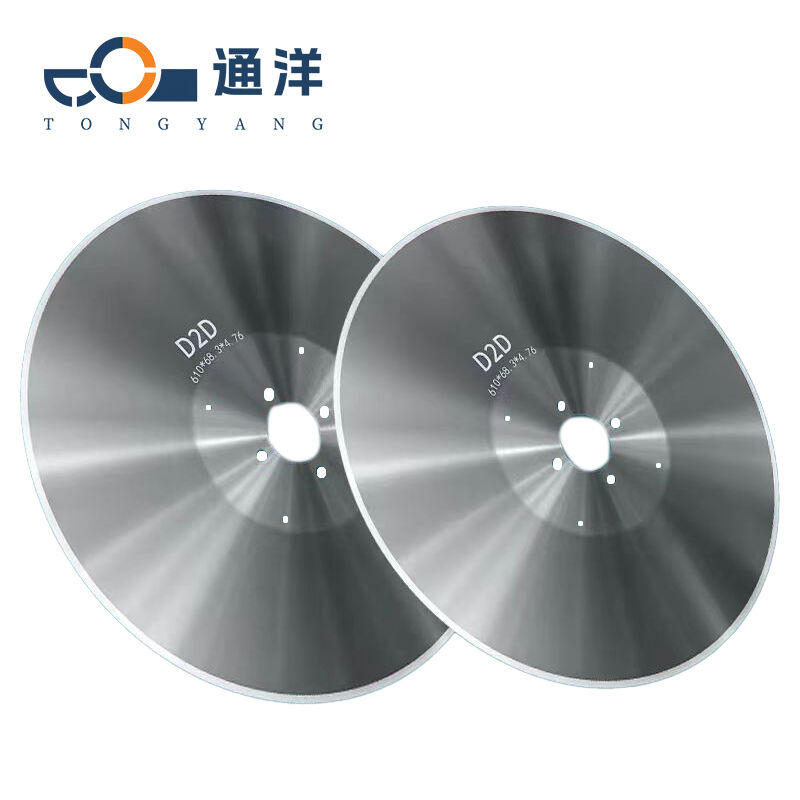
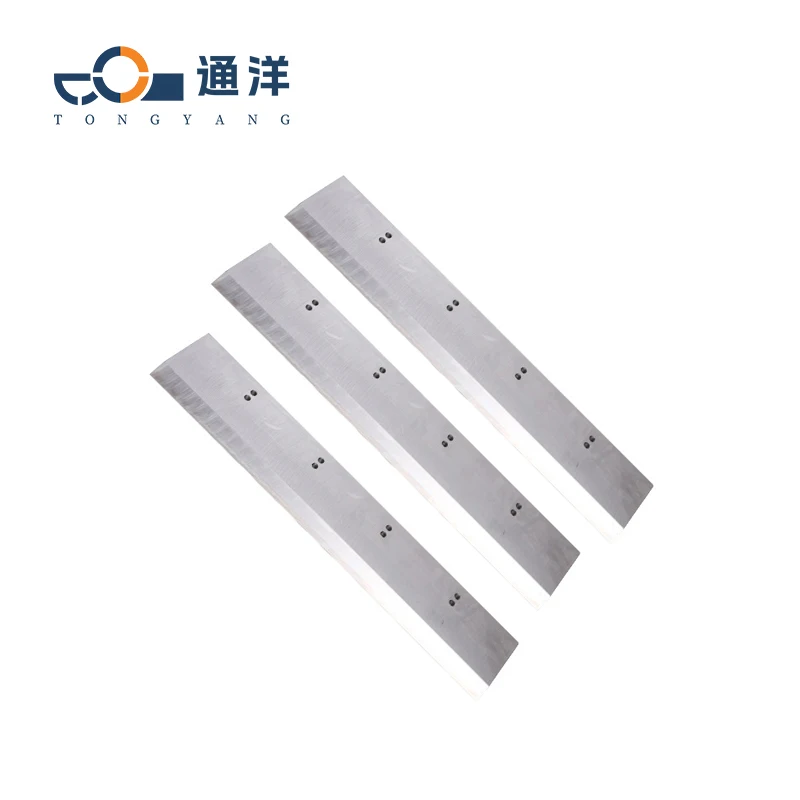
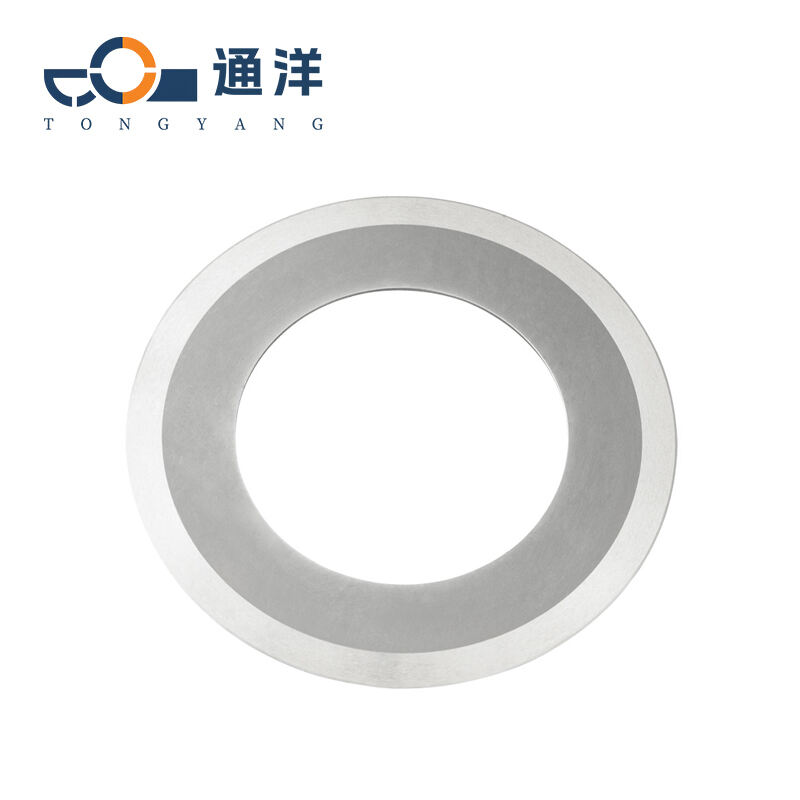
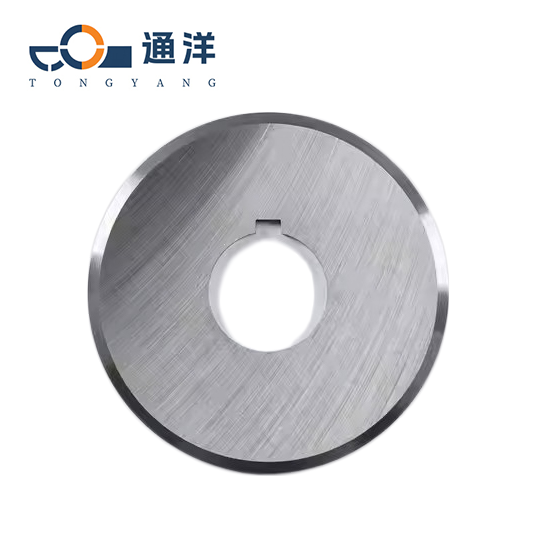
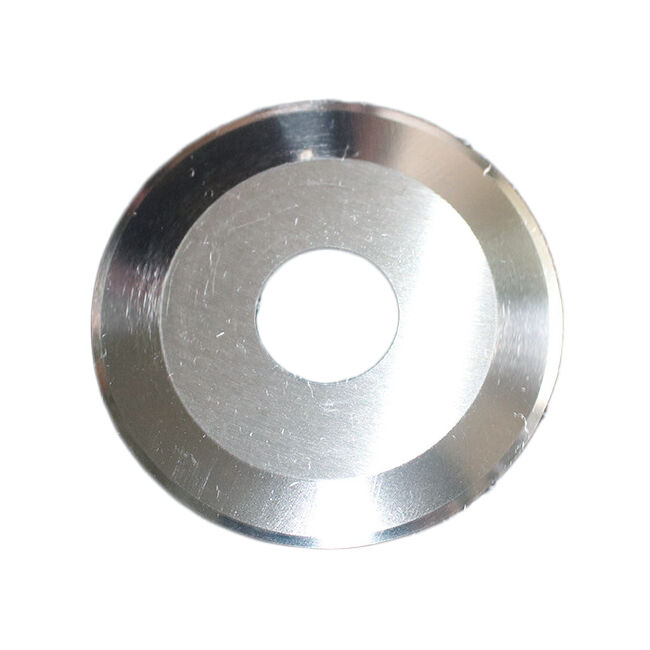
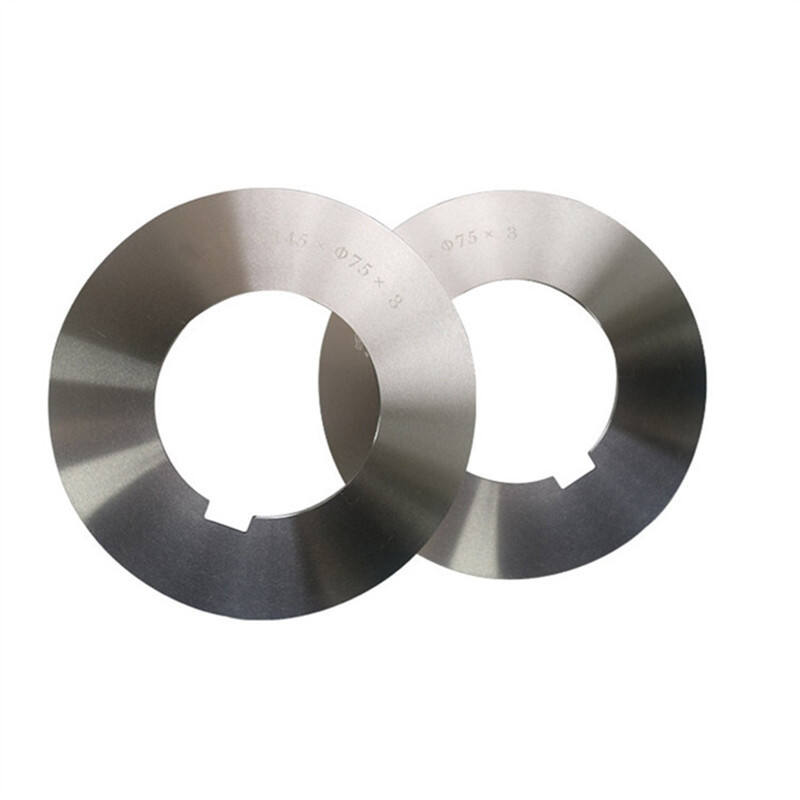
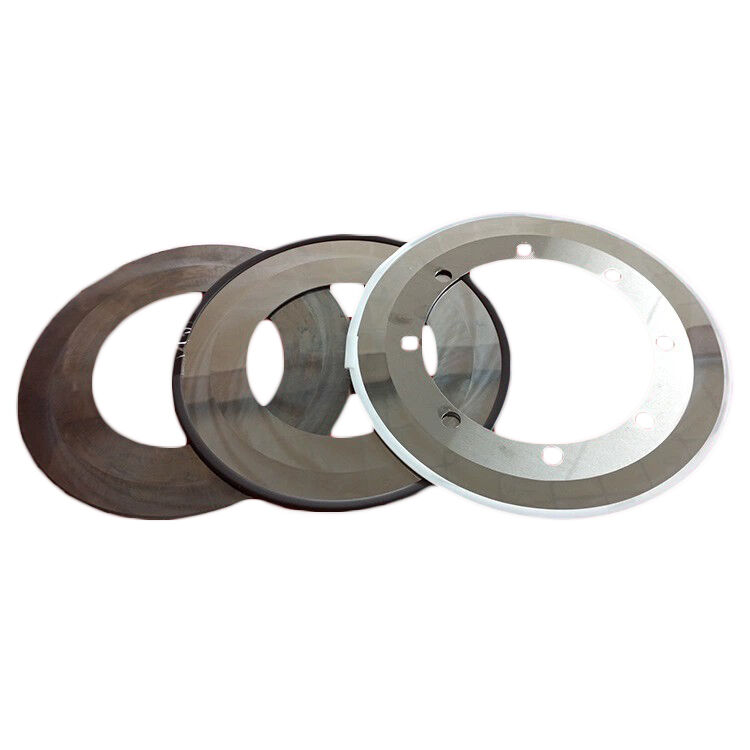
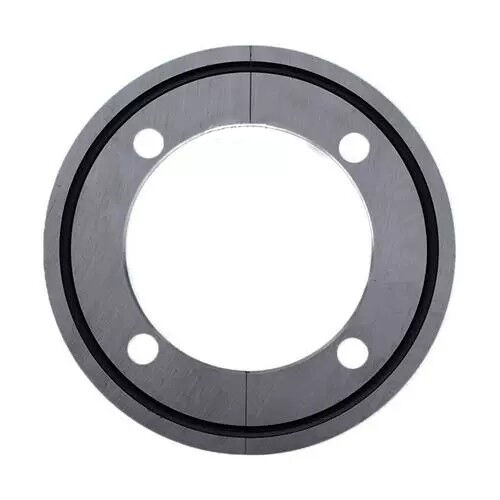
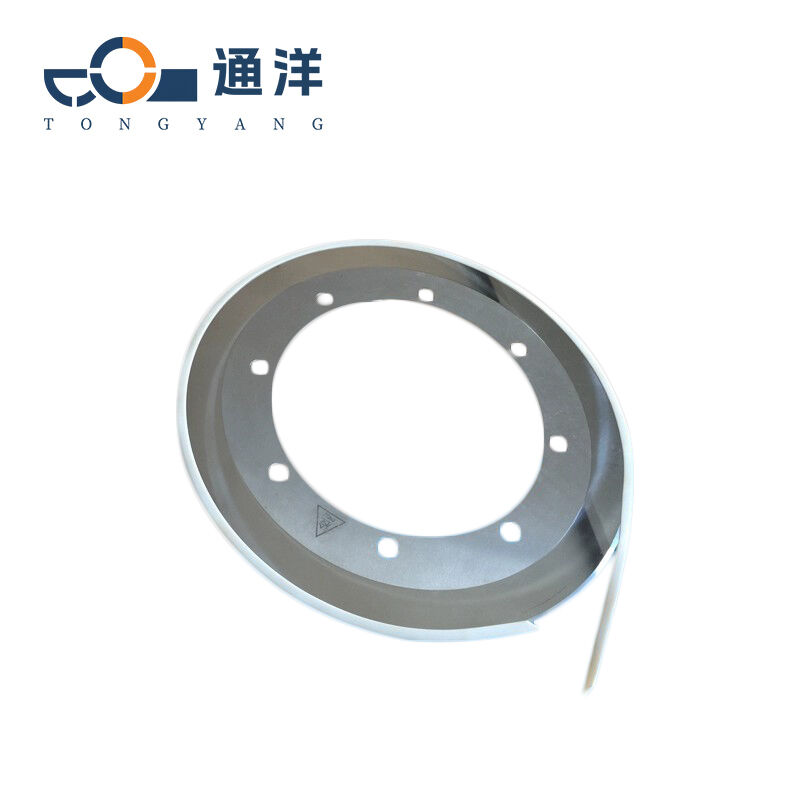
The corrugated cardboard scorer blade represents an essential precision tool in the packaging and converting industry, designed specifically to create controlled fold lines in corrugated cardboard materials. This specialized blade enables manufacturers to produce clean, accurate score lines that facilitate precise folding without compromising the structural integrity of the cardboard. The primary function of a corrugated cardboard scorer blade involves creating indentations or grooves along predetermined fold lines, allowing boxes and packaging materials to fold smoothly and consistently during the assembly process. These blades are engineered with exacting specifications to penetrate the outer liner of corrugated board while preserving the fluting structure beneath, ensuring that each fold maintains strength and durability. The technological features of modern scorer blades include precision-ground edges manufactured from high-grade steel alloys, often featuring specialized coatings that enhance wear resistance and extend operational lifespan. Advanced scorer blades incorporate carefully calculated blade angles, typically ranging from specific geometric configurations that optimize scoring depth and quality across various board grades and thicknesses. The blade thickness, edge geometry, and material composition are meticulously calibrated to accommodate different corrugated board profiles, from lightweight single-wall constructions to heavy-duty triple-wall applications. In practical applications, the corrugated cardboard scorer blade serves multiple industries including retail packaging, shipping container manufacturing, food and beverage packaging, electronics packaging, and custom display production. These blades are integral components in rotary die-cutting systems, flatbed die-cutting equipment, and automated folder-gluer machines where consistent, repeatable scoring performance directly impacts production efficiency and final product quality. The versatility of scorer blade technology enables processors to handle diverse project requirements, from simple straight scores to complex multi-directional folding patterns. Quality scorer blades contribute significantly to reducing material waste, minimizing production downtime, and ensuring that finished packaging products meet stringent quality standards while maintaining competitive production costs throughout manufacturing operations.

New Product Recommendations

The corrugated cardboard scorer blade delivers numerous practical benefits that directly impact your production efficiency and product quality. First and foremost, these blades provide remarkable precision in creating fold lines that result in perfectly aligned boxes every single time. This consistency means fewer rejected products and less material waste during your production runs, which translates directly into cost savings for your operation. When you use quality scorer blades, you notice immediate improvements in how smoothly your cardboard folds during assembly, reducing the physical effort required by workers and speeding up your entire packaging process. The durability of modern scorer blades means you spend less time changing out worn tools and more time running productive operations. High-quality blades maintain their sharp edges significantly longer than inferior alternatives, which means your maintenance costs decrease while your output quality remains consistently high throughout extended production cycles. Another significant advantage comes from the versatility these blades offer across different cardboard thicknesses and grades. You can process various materials without constantly adjusting equipment settings or switching between multiple blade types, which streamlines your workflow and reduces complexity in your operations. The clean scoring action prevents fiber tearing and crushing that commonly occurs with poorly designed blades, ensuring that your finished boxes maintain their structural strength even after repeated folding. This structural integrity proves especially valuable when your packaging needs to protect valuable or fragile contents during shipping and handling. Businesses also benefit from improved production speeds because properly scored cardboard moves through folder-gluers and assembly stations with minimal jamming or misalignment issues. The reduced friction and smoother material flow mean your machines operate at optimal speeds without frequent interruptions. Energy efficiency improves as well since machines equipped with precision scorer blades require less force to complete scoring operations, reducing power consumption across your facility. From a quality perspective, clean score lines create professional-looking finished products that enhance your brand image and customer satisfaction. Boxes fold crisply and present cleanly, which matters greatly in retail environments where packaging appearance influences purchasing decisions. The corrugated cardboard scorer blade also contributes to workplace safety by reducing the physical strain on operators who no longer need to force improperly scored material into shape. This ergonomic benefit decreases injury risks and improves employee comfort throughout shifts. Finally, the long-term reliability of quality scorer blades provides predictable performance that helps you plan production schedules confidently, knowing that your equipment will deliver consistent results batch after batch without unexpected quality variations that disrupt customer deliveries.

Latest News

How to Choose the Right Circular Knife for Your Cutting Application

25

Mar

How to Choose the Right Circular Knife for Your Cutting Application

Selecting the appropriate cutting tool for industrial applications can significantly impact productivity, product quality, and operational costs. Among the various cutting instruments available in manufacturing environments, the circular knife stands...
View More
2025 Guide: Choosing the Right Slitter Blades for Your Industry

09

Apr

2025 Guide: Choosing the Right Slitter Blades for Your Industry

Selecting the appropriate slitter blades for your specific industry applications represents a critical decision that directly impacts operational efficiency, product quality, and overall production costs. Industrial cutting operations across manufact...
View More
How to Choose the Perfect Metal Cutting Blade: Pro Guide

06

May

How to Choose the Perfect Metal Cutting Blade: Pro Guide

Selecting the right metal cutting blade is a critical decision that directly impacts production efficiency, cut quality, blade lifespan, and overall operational costs in industrial metalworking operations. Whether you're processing thin gauge steel, ...
View More
Metal Cutting Blade Maintenance: Essential Tips

30

Apr

Metal Cutting Blade Maintenance: Essential Tips

Metal cutting blades are critical components in industrial manufacturing environments, directly influencing productivity, cut quality, and operational safety. Whether deployed in metal slitting machines, shearing operations, or precision cutting appl...
View More

Get a Free Quote

Our representative will contact you soon.
Email
WhatsApp
Name
Company Name
Message
0/1000

corrugated cardboard scorer blade

Precision Engineering for Superior Folding Performance

Precision Engineering for Superior Folding Performance

The corrugated cardboard scorer blade achieves exceptional folding performance through meticulously engineered design features that distinguish it from conventional scoring tools. At the core of this precision lies the blade's carefully calculated edge geometry, which determines how effectively it penetrates the cardboard surface while preserving the internal fluting structure that provides corrugated board its characteristic strength. Manufacturers employ advanced grinding techniques to create blade edges with exact angular specifications, typically utilizing computer-controlled machinery that maintains tolerances measured in micrometers. This precision ensures that every blade produces identical scoring depths and widths, eliminating the quality variations that plague operations using less sophisticated tools. The material selection process for these blades prioritizes high-carbon steel alloys and specialty tool steels that combine hardness with resilience, preventing premature dulling while resisting the chipping and cracking that occurs under repetitive stress. Many premium scorer blades feature proprietary heat treatment processes that optimize the steel's molecular structure, creating a blade edge that maintains sharpness through millions of scoring cycles. Surface treatments such as titanium nitride coating or chrome plating add additional protection layers that reduce friction during scoring operations while preventing corrosion that degrades performance in humid production environments. The dimensional accuracy of scorer blade thickness plays a crucial role in determining score line quality, with manufacturers maintaining strict tolerances that ensure consistent compression of cardboard fibers without creating excessive material displacement. When the corrugated cardboard scorer blade contacts the board surface, its precision-ground profile creates a controlled deformation zone that weakens the outer liner along the intended fold line while leaving surrounding areas completely intact. This selective weakening allows the cardboard to fold cleanly at exact right angles or other specified degrees without cracking, splitting, or creating unsightly creases that compromise appearance. The engineering excellence extends to how blades are mounted and positioned within die-cutting systems, with precision machining of blade holders and positioning mechanisms ensuring that scoring pressure distributes evenly across the entire blade length. This uniform pressure application prevents the uneven scoring that creates boxes folding at slight angles or exhibiting varying fold resistance along different sections. For packaging manufacturers, this precision engineering translates directly into production advantages including higher machine speeds, reduced setup times, and the capability to handle complex scoring patterns involving multiple intersecting fold lines with complete accuracy and repeatability.
Extended Operational Lifespan Reducing Total Production Costs

Extended Operational Lifespan Reducing Total Production Costs

One of the most compelling advantages of quality corrugated cardboard scorer blade technology involves the exceptional operational lifespan that directly impacts your total production costs and equipment uptime. Unlike basic scoring tools that require frequent replacement due to rapid edge degradation, advanced scorer blades incorporate materials science innovations and manufacturing excellence that extend usable life substantially. The economic impact of this longevity becomes immediately apparent when you calculate the cumulative costs associated with blade replacements, including not just the purchase price of replacement blades but also the labor expenses for changeovers, the production time lost during equipment downtime, and the material waste that occurs during post-replacement setup and calibration procedures. Premium scorer blades manufactured from superior steel grades and treated with advanced hardening processes maintain their critical edge geometry through significantly more scoring operations than standard alternatives. The molecular structure modifications achieved through specialized heat treatment create a blade edge that resists the microscopic wear patterns that gradually degrade scoring quality. As the blade repeatedly contacts abrasive cardboard surfaces containing hard particles and chemical residues, the hardened edge withstands this erosive action while maintaining the precise profile necessary for clean scoring. Surface coatings applied to these blades provide an additional protective barrier that reduces friction coefficient during the scoring action, which simultaneously decreases heat generation and minimizes the adhesive buildup that can compromise scoring precision. The reduced friction also means that production equipment motors and drive systems experience less mechanical stress, extending the maintenance intervals for these supporting components as well. Businesses operating high-volume production facilities particularly benefit from extended blade life because the cumulative downtime savings across multiple shifts and production lines multiply into substantial productivity gains. When your blades maintain consistent performance for weeks or months rather than days, your scheduling becomes more predictable and your quality control processes stabilize around known equipment performance characteristics. The corrugated cardboard scorer blade with extended lifespan also reduces your inventory management burden since you stock fewer replacement blades and dedicate less warehouse space to blade storage. Environmental considerations also favor longer-lasting blades as they generate less manufacturing waste and require fewer resource-intensive production cycles to manufacture replacements. From a financial planning perspective, the higher initial investment in premium scorer blades pays dividends through lower total cost of ownership calculations that account for all direct and indirect expenses associated with scoring operations throughout the blade's complete lifecycle.
Versatile Compatibility Across Diverse Cardboard Specifications

Versatile Compatibility Across Diverse Cardboard Specifications

The corrugated cardboard scorer blade demonstrates remarkable versatility in handling diverse cardboard specifications, providing manufacturers with flexible solutions that adapt to varying production requirements without compromising quality or efficiency. This adaptability proves essential in modern packaging operations where customer demands frequently require processing different board grades, flute profiles, and material compositions within the same production shift. The engineering sophistication behind this versatility begins with understanding how different corrugated board constructions respond to scoring pressure and edge geometry. Single-face corrugated board, single-wall constructions, double-wall configurations, and heavy-duty triple-wall boards each present unique characteristics that influence optimal scoring parameters. Quality scorer blades are designed with edge profiles and blade thicknesses that accommodate this spectrum of materials, creating appropriate score depths regardless of whether the cardboard measures thin and flexible or thick and rigid. The blade's ability to compress the outer liner and partially penetrate the adhesive layer connecting it to the fluting, while stopping before damaging the flutes themselves, requires precise engineering that accounts for the variable material densities and compression resistances present in different board grades. Manufacturers producing packaging for diverse industries particularly value this versatility because it eliminates the need to maintain separate die-cutting systems for different material types or to interrupt production flow for extensive equipment adjustments when switching between board specifications. The corrugated cardboard scorer blade performs equally well whether processing kraft liner boards with their characteristic brown appearance and high strength, or white-top boards featuring bleached outer surfaces preferred for high-quality printing applications. This material compatibility extends to specialty boards incorporating moisture-resistant treatments, wax coatings, or laminated surfaces that present additional challenges for scoring tools. The blade edge geometry and material hardness allow effective scoring even through these surface treatments without causing delamination or coating damage that compromises the finished package appearance. Recycled content boards, which increasingly dominate sustainable packaging initiatives, often contain harder particles and inconsistent fiber structures that accelerate tool wear, yet properly engineered scorer blades handle these materials effectively while maintaining acceptable service life. The operational flexibility also encompasses variable scoring depths required for different folding applications, from shallow scores for gentle fold angles in display packaging to deep scores necessary for crisp right-angle folds in shipping containers. Production managers appreciate how this versatility simplifies their operations by reducing the complexity of tool inventory management and minimizing the technical expertise required for equipment setup and changeovers, ultimately contributing to more agile manufacturing capabilities that respond quickly to changing customer specifications and market demands.

Get a Free Quote

Our representative will contact you soon.
Email
WhatsApp
Name
Company Name
Message
0/1000
Newsletter
Please Leave A Message With Us