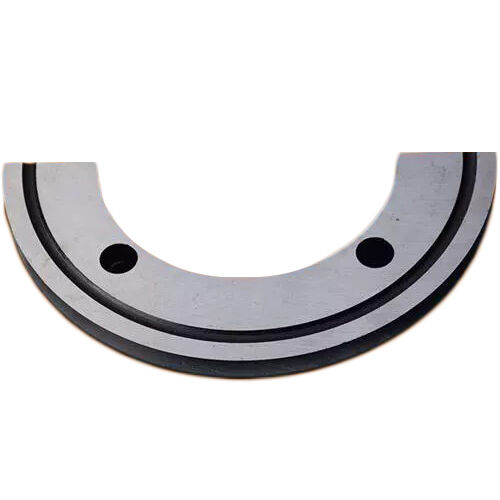
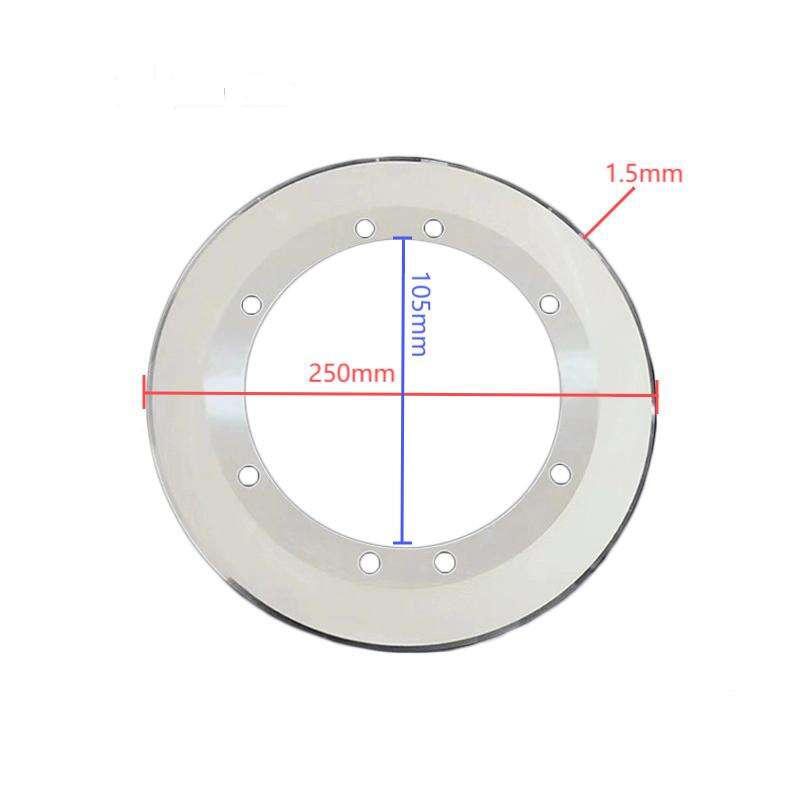
cardboard slitting blade 76 bore
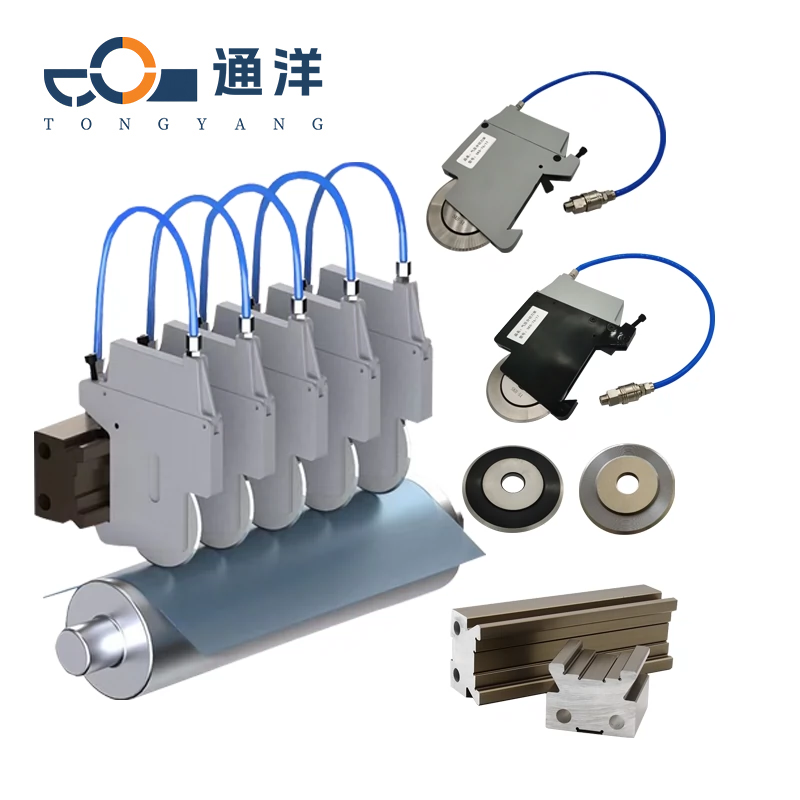
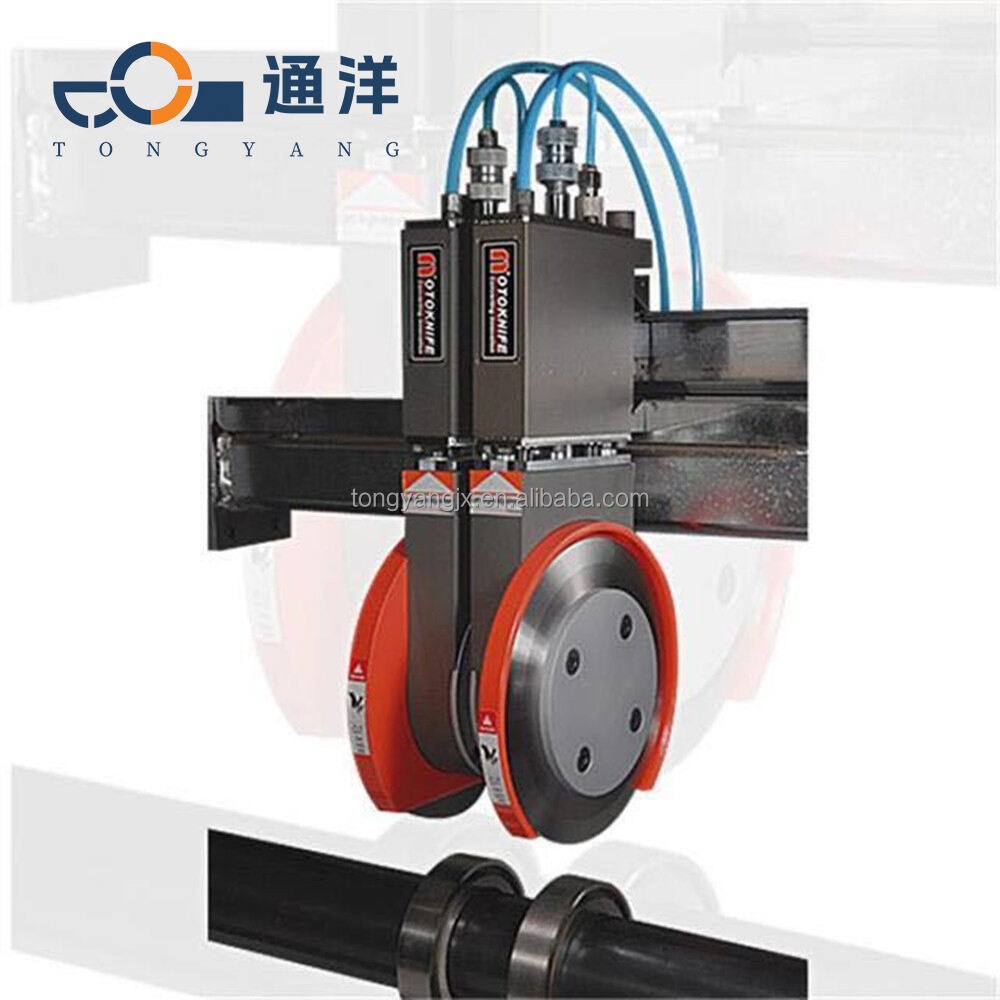
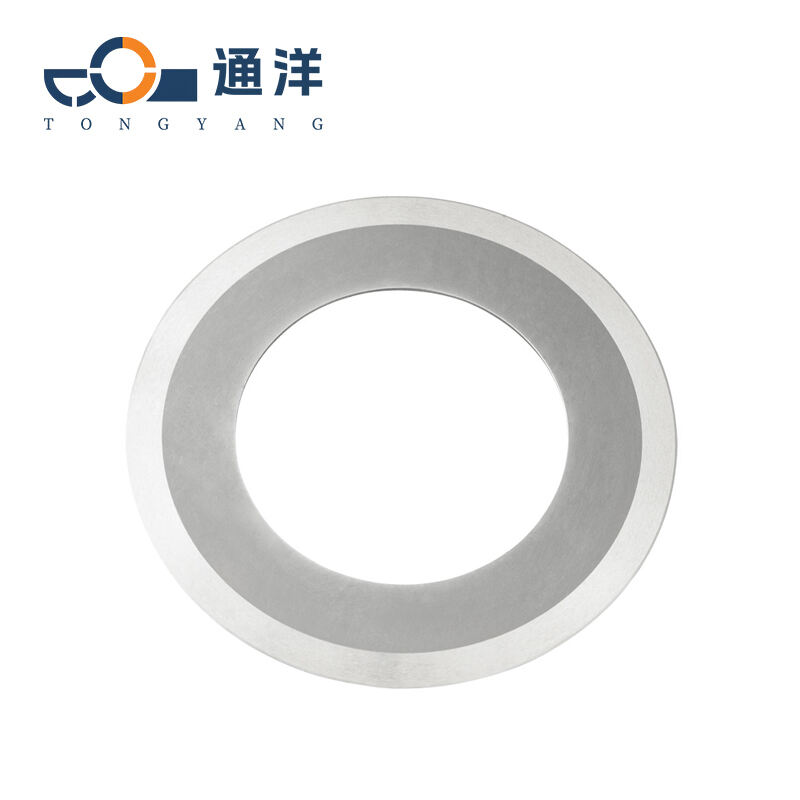
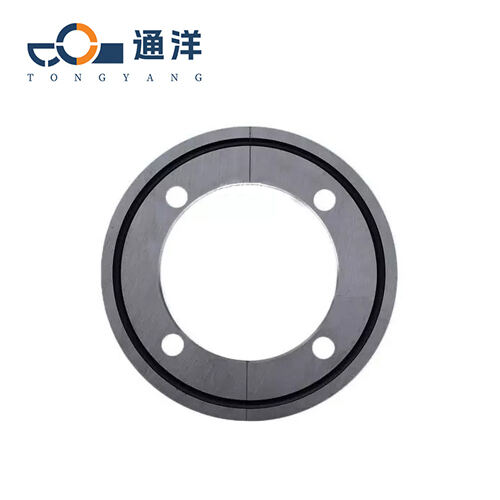
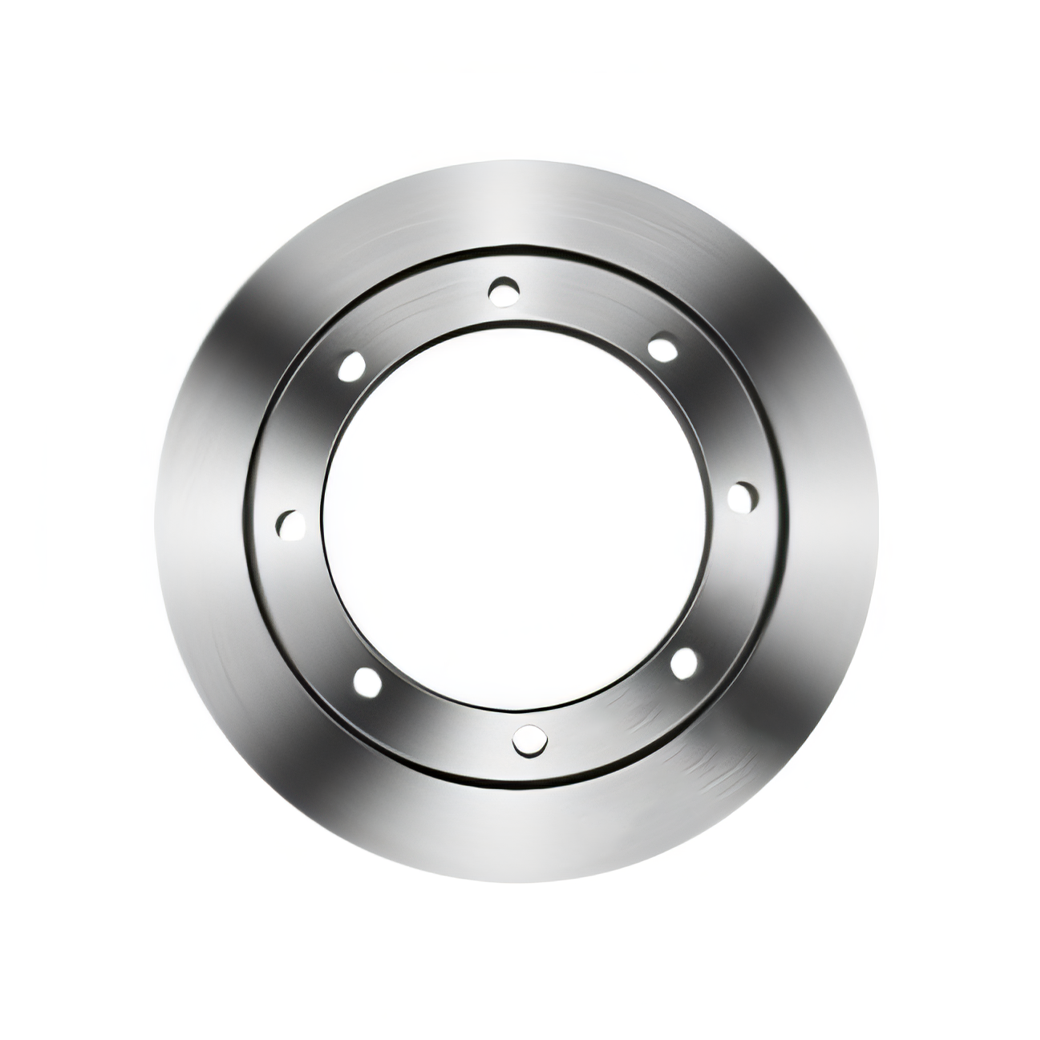
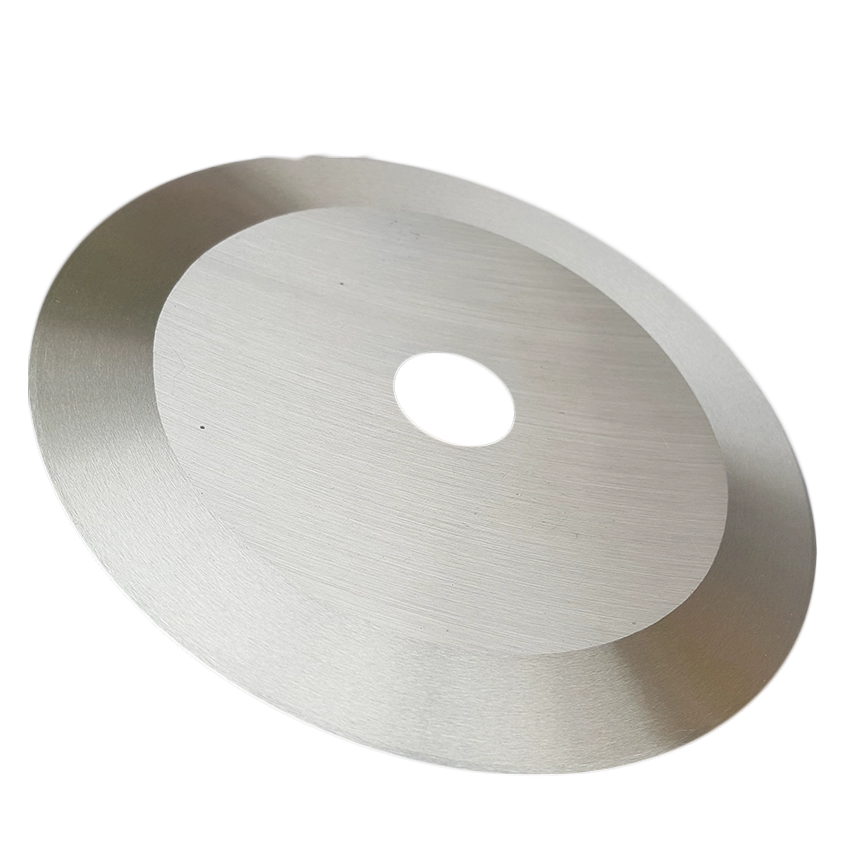
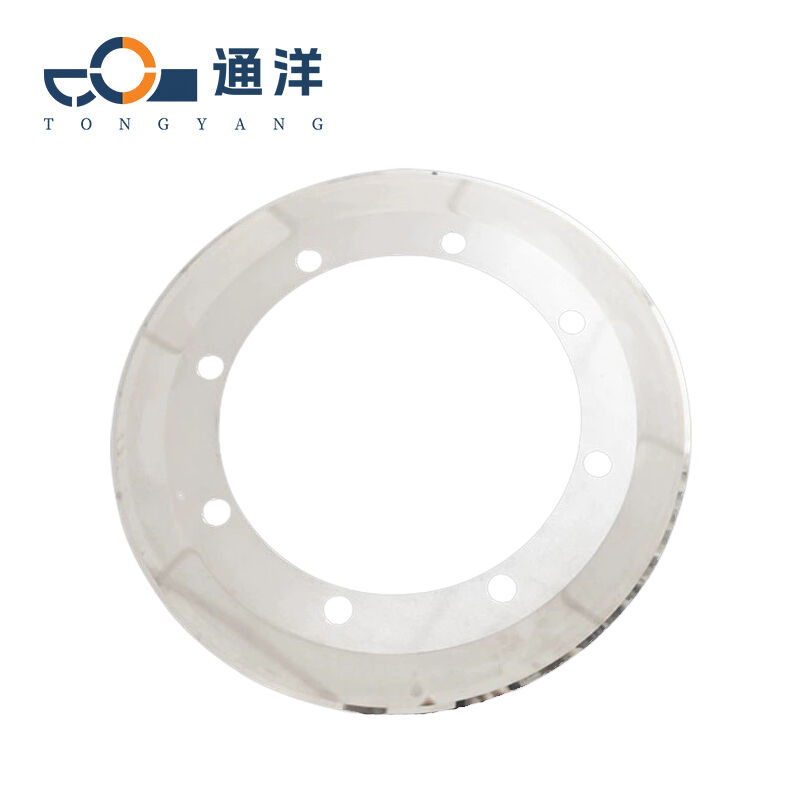
The cardboard slitting blade 76 bore represents a specialized cutting tool engineered specifically for processing cardboard materials in industrial manufacturing environments. This precision-crafted blade features a 76-millimeter center bore diameter, which serves as the mounting point for installation onto rotary slitting machines and converting equipment. The design of the cardboard slitting blade 76 bore incorporates advanced metallurgy and heat treatment processes to deliver consistent cutting performance across extended production runs. Manufacturing facilities that process corrugated cardboard, paperboard, and similar materials rely on these blades to achieve clean, burr-free edges while maintaining operational efficiency. The blade's construction typically utilizes high-carbon steel or tungsten carbide materials, selected for their ability to retain sharpness even when cutting through abrasive cardboard fibers containing recycled content. The 76-millimeter bore specification ensures compatibility with standard industrial slitting machinery used throughout the packaging and converting industries. Operators appreciate how the cardboard slitting blade 76 bore maintains dimensional stability under the thermal stress generated during high-speed cutting operations. The blade's edge geometry receives precise grinding to create optimal cutting angles that minimize resistance while maximizing cut quality. This particular bore size has become an industry standard, allowing manufacturers to stock replacement blades that fit multiple machine configurations within their facilities. The cardboard slitting blade 76 bore performs critical functions in converting large master rolls of cardboard into narrower widths required for box manufacturing, display production, and protective packaging applications. Quality control during blade manufacturing ensures concentricity between the bore and outer diameter, preventing vibration issues that could compromise cut quality or create safety hazards. The blade's thickness and diameter specifications vary based on specific application requirements, but the 76-millimeter bore remains constant, providing standardization benefits across different production lines and manufacturing locations.
 EN
EN