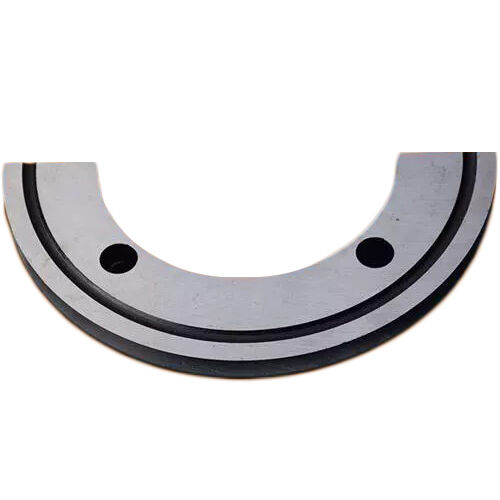
Premium Corrugated Cardboard Die-Cutting Blade Solutions | Precision Cutting Tools for Packaging Industry

All Categories

Get a Free Quote

Our representative will contact you soon.
Email
WhatsApp
Name
Company Name
Message
0/1000

corrugated cardboard die-cutting blade

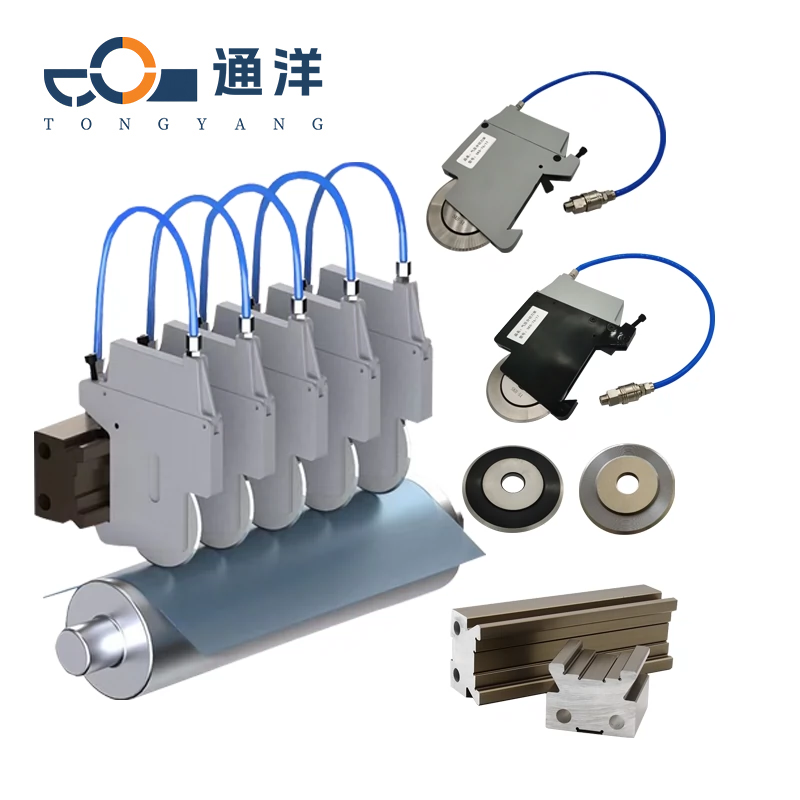
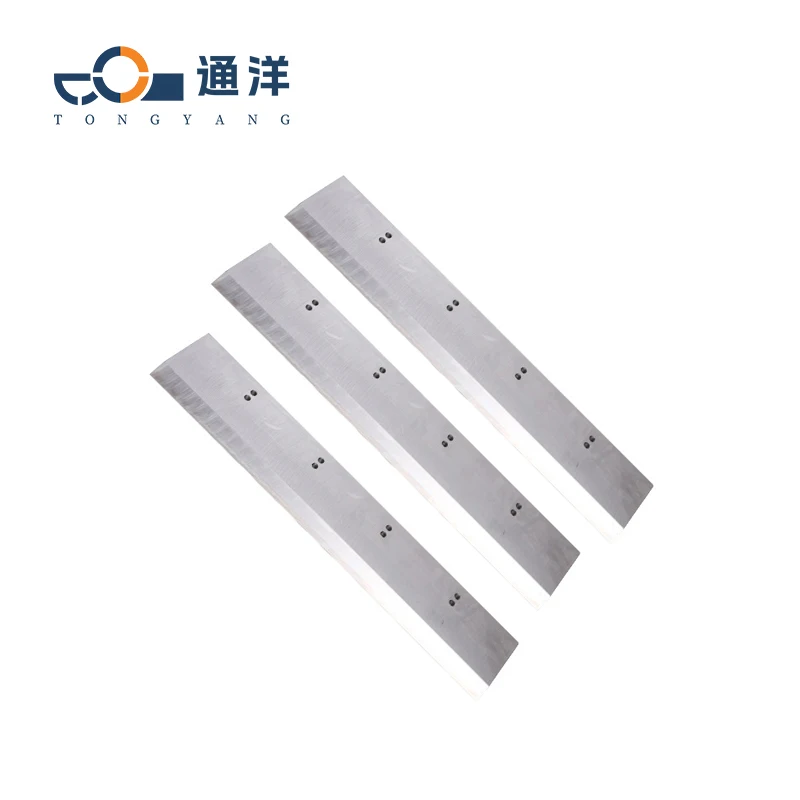
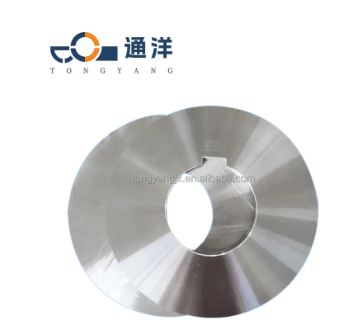
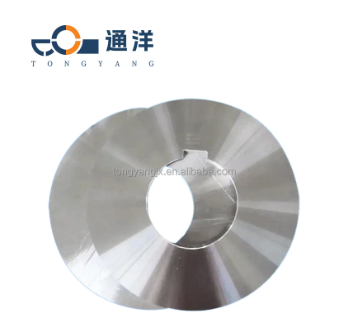
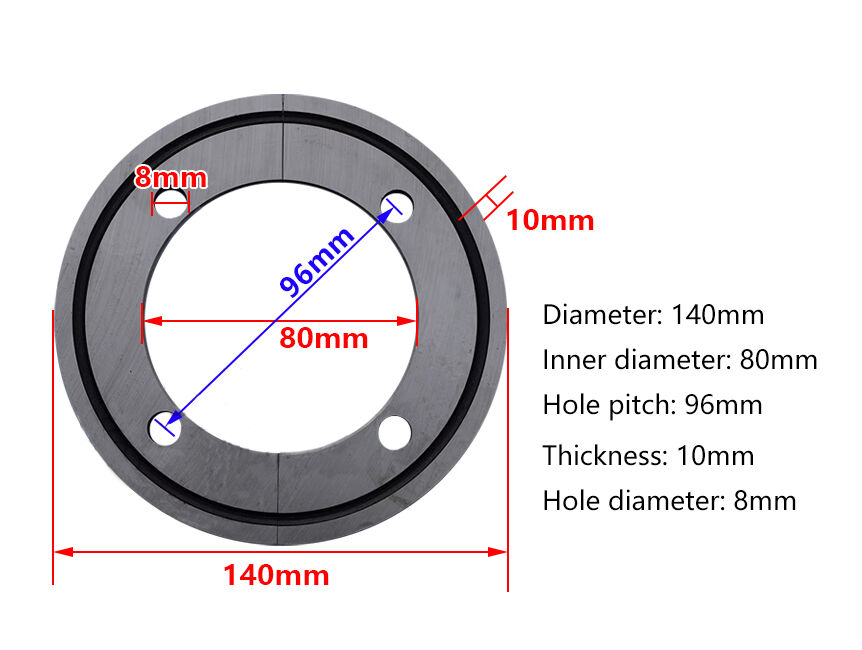
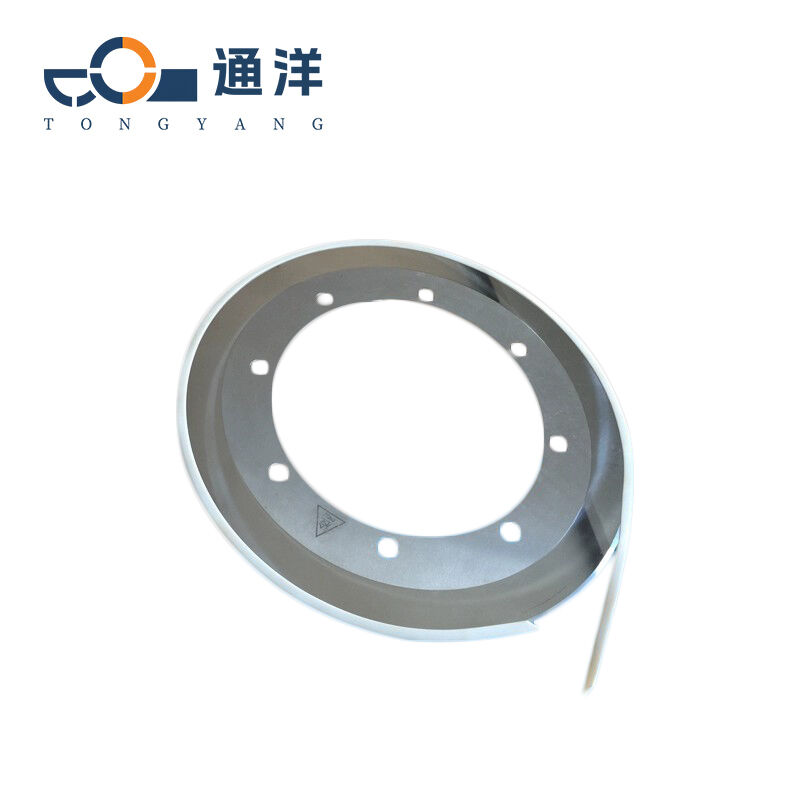
The corrugated cardboard die-cutting blade represents an essential precision tool in the packaging and printing industry, specifically engineered to cut through corrugated cardboard materials with exceptional accuracy and consistency. This specialized blade serves as the cornerstone component in die-cutting operations, transforming flat corrugated sheets into customized shapes, boxes, and packaging solutions that meet diverse commercial requirements. The corrugated cardboard die-cutting blade functions through a carefully calibrated mechanical process where sharpened steel edges are pressed against cardboard material, creating clean cuts along predetermined patterns. These blades are manufactured from high-grade steel alloys that undergo rigorous heat treatment processes to achieve optimal hardness levels, typically ranging between 47 and 52 on the Rockwell scale. This precise hardness specification ensures the blade maintains its cutting edge throughout extended production runs while resisting wear from repetitive contact with abrasive cardboard fibers. The technological design of the corrugated cardboard die-cutting blade incorporates several sophisticated features, including varying height profiles that accommodate different cardboard thicknesses, specialized tooth configurations for perforating applications, and carefully engineered bevel angles that optimize cutting efficiency. Modern corrugated cardboard die-cutting blade manufacturing employs advanced laser-cutting technology and computer numerical control machining to achieve micrometer-level precision in blade dimensions. Applications for the corrugated cardboard die-cutting blade span numerous industries, from e-commerce packaging operations requiring custom-sized shipping boxes to retail display manufacturers creating intricate point-of-purchase materials. Food packaging facilities utilize these blades for producing pizza boxes, takeout containers, and product cartons, while electronics manufacturers depend on them for creating protective packaging inserts. The versatility of the corrugated cardboard die-cutting blade extends to specialty applications including greeting card production, folder manufacturing, and corrugated plastic cutting for signage applications. Each blade can be customized with specific dimensions, cutting profiles, and material compositions to match particular production requirements and substrate characteristics.

New Product Releases

When businesses invest in quality corrugated cardboard die-cutting blade equipment, they immediately experience significant reductions in material waste, which directly translates to lower operational costs and improved profit margins. The precision cutting capabilities ensure that each piece of cardboard is utilized efficiently, minimizing scrap and maximizing the number of finished products extracted from raw material sheets. Companies report waste reductions of up to thirty percent compared to alternative cutting methods, creating substantial savings over time. The corrugated cardboard die-cutting blade delivers consistent results across thousands of cutting cycles, eliminating the quality variations that plague manual cutting operations or inferior blade systems. This consistency means every package, box, or display piece meets exact specifications, reducing customer complaints and product returns while building brand reputation for reliability. Production managers appreciate how these blades maintain their sharpness significantly longer than conventional cutting tools, resulting in fewer blade changes and reduced downtime during manufacturing operations. Workers can complete production schedules without interruptions for frequent maintenance, keeping assembly lines moving smoothly and meeting tight delivery deadlines. The financial benefits extend beyond raw material savings, as the corrugated cardboard die-cutting blade enables faster production speeds that increase overall output capacity without requiring additional labor or equipment investments. Facilities can fulfill larger orders within existing operational hours, accepting more business without expanding physical infrastructure. Safety improvements represent another crucial advantage, as properly maintained corrugated cardboard die-cutting blade systems reduce worker exposure to sharp implements compared to manual cutting operations with knives or utility blades. Automated die-cutting systems incorporating these blades create protective barriers between operators and cutting edges, decreasing workplace injury incidents and associated costs. The environmental advantages resonate with sustainability-focused organizations, as efficient cutting reduces cardboard waste destined for landfills and lowers the carbon footprint associated with manufacturing excess packaging materials. Businesses can promote their environmental responsibility while achieving practical cost savings, appealing to environmentally conscious consumers and corporate clients. Flexibility stands as a paramount advantage, with corrugated cardboard die-cutting blade systems accommodating rapid changeovers between different product designs, allowing manufacturers to serve diverse clients with varying packaging needs without investing in multiple specialized machines. Small businesses particularly benefit from this versatility, competing effectively with larger operations by offering customized packaging solutions without prohibitive setup costs or extended lead times for production changes.

Practical Tips

Common Slitter Blades Problems and Solutions

30

Mar

Common Slitter Blades Problems and Solutions

Manufacturing operations that rely on slitter blades face a variety of challenges that can significantly impact production efficiency, material quality, and operational costs. Understanding the most common problems associated with slitter blades and ...
View More
How to Sharpen Your Circular Knife: Step-by-Step Guide

30

Apr

How to Sharpen Your Circular Knife: Step-by-Step Guide

Maintaining the sharpness of your circular knife is essential for achieving clean, precise cuts in industrial and commercial applications. Whether you work in rubber processing, textile manufacturing, paper cutting, or food production, a dull circula...
View More
Metal Cutting Blade Maintenance: Essential Tips

30

Apr

Metal Cutting Blade Maintenance: Essential Tips

Metal cutting blades are critical components in industrial manufacturing environments, directly influencing productivity, cut quality, and operational safety. Whether deployed in metal slitting machines, shearing operations, or precision cutting appl...
View More
Leather Cutting Blade Maintenance: Essential Tips

30

Apr

Leather Cutting Blade Maintenance: Essential Tips

Proper maintenance of your leather cutting blade directly determines the quality of your cuts, the longevity of your equipment, and the efficiency of your production workflow. Whether you operate a small leather workshop or manage a large-scale manuf...
View More

Get a Free Quote

Our representative will contact you soon.
Email
WhatsApp
Name
Company Name
Message
0/1000

corrugated cardboard die-cutting blade

Superior Material Durability Extends Operational Lifespan

Superior Material Durability Extends Operational Lifespan

The corrugated cardboard die-cutting blade achieves exceptional longevity through advanced metallurgical engineering that combines carefully selected steel alloys with precision heat treatment protocols. Manufacturers utilize high-carbon steel compositions enhanced with chromium, vanadium, and molybdenum additions that dramatically improve wear resistance and edge retention characteristics. This sophisticated material science ensures each corrugated cardboard die-cutting blade maintains optimal cutting performance through hundreds of thousands of cutting cycles before requiring replacement or resharpening services. The heat treatment process involves precisely controlled heating to critical transformation temperatures followed by rapid quenching in specialized media, creating a martensitic crystal structure that delivers maximum hardness at the cutting edge while maintaining sufficient toughness in the blade body to prevent catastrophic fracturing. Subsequent tempering operations reduce internal stresses and adjust final hardness values to optimal levels for corrugated cardboard cutting applications. This durability advantage provides tangible economic benefits as businesses reduce blade replacement frequency, lowering consumable costs and minimizing production interruptions for blade changes. Purchasing managers report that premium corrugated cardboard die-cutting blade products deliver service lives three to five times longer than economy alternatives, justifying higher initial investments through reduced total cost of ownership. The extended operational lifespan also contributes to environmental sustainability by reducing steel consumption and waste generation associated with discarded worn blades. Manufacturing facilities appreciate how durable corrugated cardboard die-cutting blade components maintain dimensional stability throughout their service life, preserving cut accuracy and quality consistency from the first cut through final blade retirement. This stability eliminates gradual quality degradation that necessitates progressive machine adjustments to compensate for blade wear, simplifying operator responsibilities and maintaining process control parameters. Maintenance technicians benefit from predictable blade performance characteristics that enable effective scheduling of preventive replacement activities based on actual production volumes rather than reactive responses to quality failures. The robust construction of the corrugated cardboard die-cutting blade withstands the mechanical stresses imposed by high-speed automated die-cutting equipment, resisting edge chipping, stress cracking, and premature dulling that compromise inferior blade products. Quality assurance teams document how consistent blade performance supports statistical process control initiatives by eliminating blade-related variables from production quality equations.
Precision Engineering Delivers Exceptional Cut Quality

Precision Engineering Delivers Exceptional Cut Quality

The corrugated cardboard die-cutting blade incorporates microscopic geometric features that dramatically influence cutting performance and finished product quality. Engineers specify exact bevel angles ranging from eighteen to twenty-three degrees on the cutting edge, optimizing the balance between initial sharpness and structural support that prevents edge collapse during cutting operations. These precisely controlled angles are maintained through computer-guided grinding processes that achieve surface finish specifications measured in micrometers, creating smooth cutting faces that slice through cardboard fibers with minimal friction and tearing. The corrugated cardboard die-cutting blade edge preparation includes secondary operations like honing and stropping that refine the cutting edge to razor-like sharpness while removing microscopic burrs and irregularities left by primary grinding operations. This meticulous attention to edge geometry ensures clean cuts that eliminate ragged edges, fiber pull-out, and crushing damage that detract from finished package appearance and functionality. Quality-conscious packaging producers recognize that superior cut quality from the corrugated cardboard die-cutting blade enhances their products' market appeal, as crisp, clean edges project professionalism and attention to detail that resonates with customers. Retail packaging applications particularly benefit from precision cutting, as display boxes and point-of-purchase materials serve marketing functions where visual presentation directly influences consumer purchasing decisions. The dimensional accuracy achieved by precision-engineered corrugated cardboard die-cutting blade systems enables tight tolerance control essential for automated packaging equipment that requires consistent piece dimensions for reliable feeding and assembly operations. Packaging engineers specify tolerances as tight as plus or minus half a millimeter for components that must interface correctly with folding, gluing, and assembly machinery. Manufacturing operations report significant reductions in downstream processing issues when implementing quality corrugated cardboard die-cutting blade equipment, as accurate cuts eliminate jamming, misalignment, and rejection problems that disrupt automated packaging lines. The precision characteristics extend to perforating and creasing functions, where the corrugated cardboard die-cutting blade creates controlled weakness lines that enable predictable folding behavior without premature tearing or incomplete separation during package assembly. This controlled functionality proves critical for tamper-evident packaging, easy-open features, and fold-in-place designs that enhance user experience and product protection.
Versatile Design Adaptability Serves Multiple Applications

Versatile Design Adaptability Serves Multiple Applications

The corrugated cardboard die-cutting blade platform supports extensive customization options that enable manufacturers to address diverse cutting challenges across varied cardboard grades, thicknesses, and flute configurations. Blade suppliers offer corrugated cardboard die-cutting blade products in height ranges from standard configurations to specialized profiles accommodating material thicknesses from thin folding carton board through heavy-duty triple-wall corrugated constructions. This height versatility allows packaging producers to operate unified die-cutting systems for their complete product range rather than maintaining separate equipment for different material categories. The corrugated cardboard die-cutting blade design accommodates various tooth configurations for applications requiring perforated tear lines, with tooth spacing and geometry customized to create specific tear strength characteristics matching end-use requirements. Packaging designers collaborate with blade manufacturers to develop custom corrugated cardboard die-cutting blade specifications that produce perforation patterns optimized for ease of opening while maintaining package integrity during shipping and handling. Width dimensions of the corrugated cardboard die-cutting blade can be tailored to match specific die designs, from narrow radius cuts for intricate designs to broad sweeping curves requiring wider blade profiles that maintain structural rigidity during cutting operations. Complex packaging designs incorporating windows, handle cutouts, and decorative shapes demand corrugated cardboard die-cutting blade systems capable of executing multiple cutting operations within single press strokes. Modern die-cutting operations integrate the corrugated cardboard die-cutting blade with complementary creasing, perforating, and embossing tools within unified die assemblies that complete all package forming operations simultaneously, maximizing production efficiency and consistency. This integrated approach reduces handling between separate processing stations, minimizing material damage and production time while maintaining precise registration between different forming operations. The adaptability of the corrugated cardboard die-cutting blade extends to compatibility with various die-cutting press technologies, including platen presses, rotary die-cutters, and flatbed systems, providing manufacturers flexibility in equipment selection based on production volume requirements and budget constraints. Specialty applications including corrugated plastic sheet cutting for reusable packaging and signage applications utilize modified corrugated cardboard die-cutting blade configurations with enhanced edge angles and material specifications optimized for synthetic substrates.

Get a Free Quote

Our representative will contact you soon.
Email
WhatsApp
Name
Company Name
Message
0/1000
Newsletter
Please Leave A Message With Us