Tungsten Carbide Cardboard Slitter - Premium Cutting Blades for Industrial Efficiency

All Categories

Get a Free Quote

Our representative will contact you soon.
Email
WhatsApp
Name
Company Name
Message
0/1000

tungsten carbide cardboard slitter

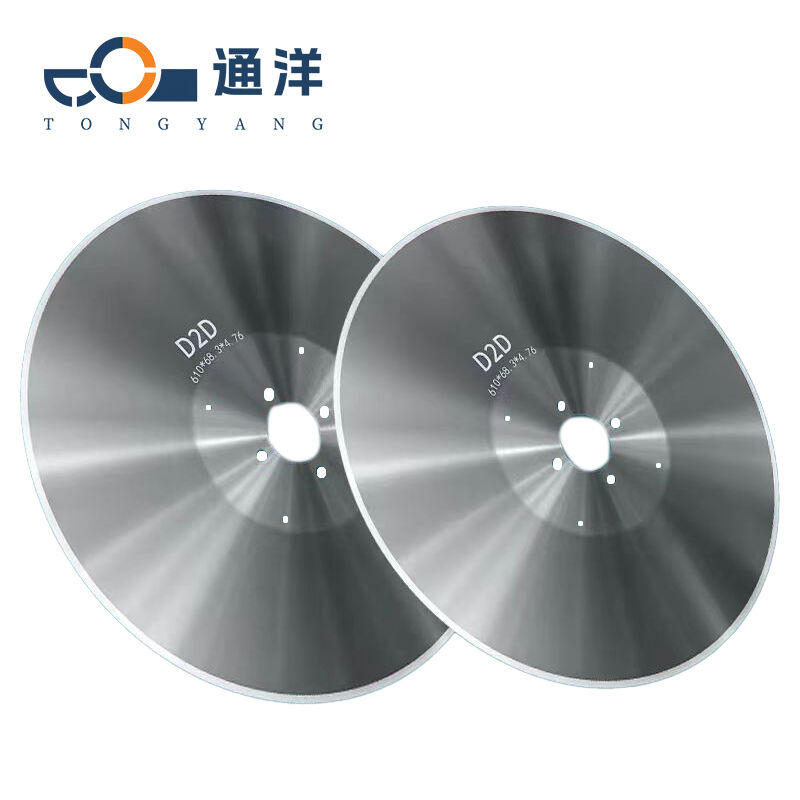
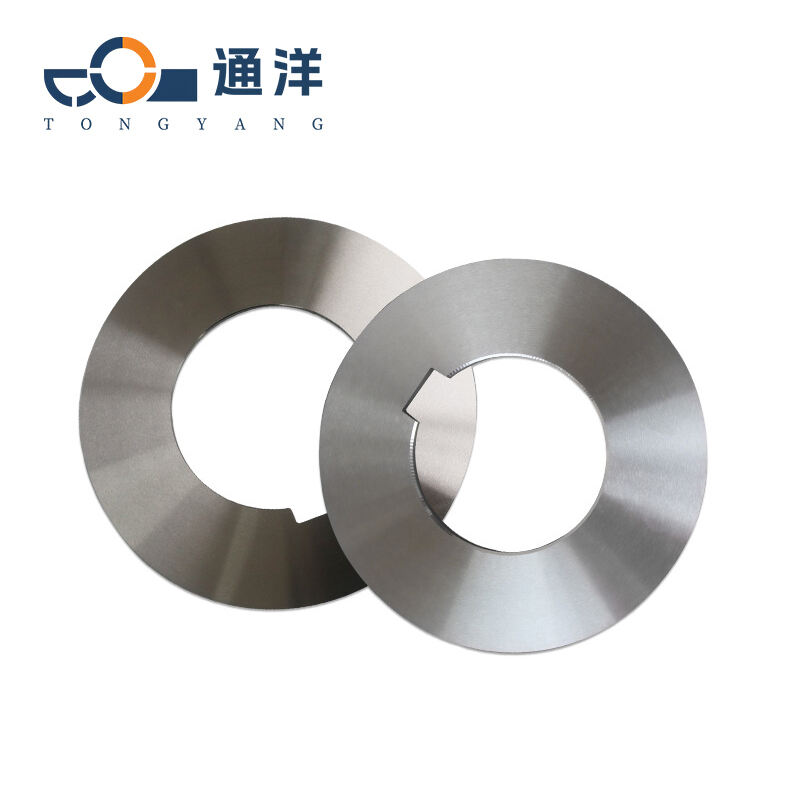
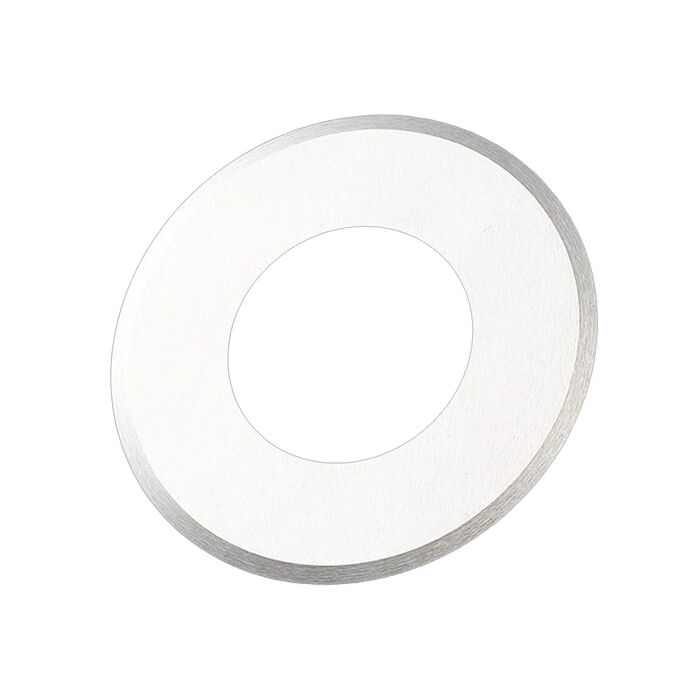
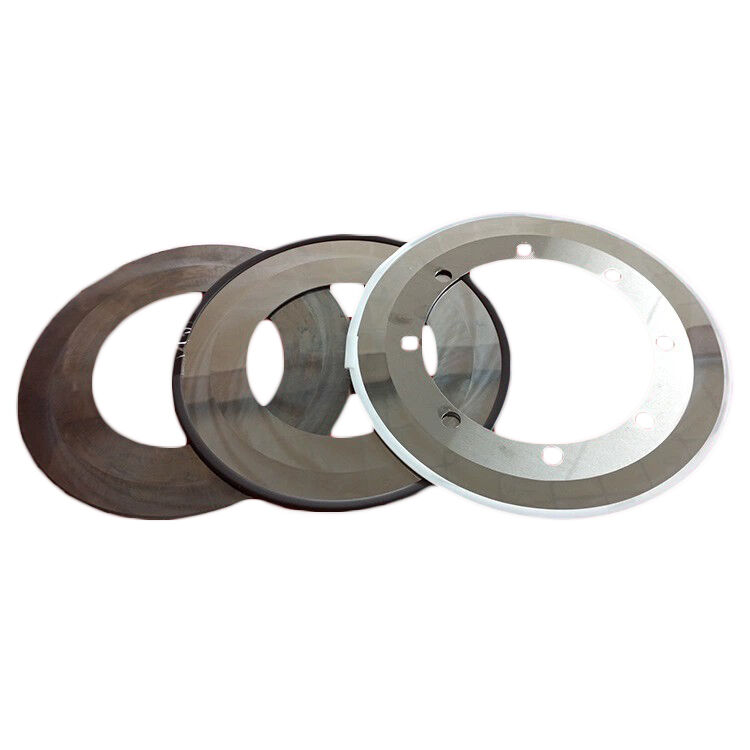
The tungsten carbide cardboard slitter represents a precision cutting solution designed specifically for packaging, manufacturing, and recycling industries that demand consistent performance in cardboard processing operations. This specialized cutting tool incorporates tungsten carbide material into its blade construction, creating an exceptionally durable edge that maintains sharpness significantly longer than traditional steel alternatives. The main function of the tungsten carbide cardboard slitter centers on delivering clean, accurate cuts through various cardboard thicknesses and densities, from single-wall corrugated sheets to heavy-duty multi-layered materials. The tool operates by utilizing its ultra-hard cutting edge to slice through fibrous cardboard substrates with minimal resistance, reducing the force required during operation and improving overall cutting efficiency. Technological features embedded within the tungsten carbide cardboard slitter include advanced metallurgical bonding processes that permanently fuse the carbide cutting edge to a steel body, creating optimal balance between hardness and toughness. The blade geometry incorporates precision-ground angles that facilitate smooth penetration through cardboard layers while minimizing material displacement and edge fraying. Many tungsten carbide cardboard slitter designs feature adjustable mounting systems that enable quick installation and replacement, reducing downtime during blade changes. Applications for the tungsten carbade cardboard slitter span numerous industrial sectors, including packaging facilities that prepare shipping containers, printing operations that trim finished cardboard products, recycling centers that process waste cardboard materials, and manufacturing plants that fabricate custom cardboard components. The tool proves particularly valuable in high-volume production environments where blade longevity directly impacts operational costs and production continuity. Additionally, the tungsten carbide cardboard slitter serves artisan workshops, prototyping laboratories, and small-scale operations that require professional-grade cutting precision without frequent blade maintenance interruptions. The versatility of this cutting solution makes it indispensable for operations ranging from automated production lines equipped with mechanical slitting systems to manual cutting stations where operators require reliable, consistent performance throughout extended work periods.

Popular Products

The tungsten carbide cardboard slitter delivers substantial benefits that directly impact your operational efficiency and bottom-line profitability. First and foremost, the exceptional durability of tungsten carbide material means your cutting blades last significantly longer than conventional steel options, often delivering five to ten times the service life before requiring replacement. This extended lifespan translates into fewer blade changes, reduced downtime for maintenance, and lower overall consumable costs throughout the year. You spend less time swapping worn blades and more time maintaining productive output, which becomes especially valuable during peak production periods when every minute counts. The superior edge retention of the tungsten carbide cardboard slitter ensures that your cuts remain clean and precise from the first slice to the last, eliminating the gradual quality degradation that occurs with softer blade materials. Your finished products maintain consistent appearance and dimensional accuracy, reducing rejection rates and customer complaints while enhancing your reputation for quality workmanship. The hardness of tungsten carbide also enables sharper initial edge angles that slice through cardboard fibers rather than tearing them, producing smooth edges without the fuzzy residue or delamination common with duller blades. This clean cutting action reduces dust generation in your workspace, contributing to a healthier environment for your team and minimizing contamination concerns for sensitive applications. Another practical advantage involves the reduced cutting force required when using a tungsten carbide cardboard slitter, as the ultra-sharp edge penetrates materials more easily than blunter alternatives. Operators experience less fatigue during manual cutting tasks, while automated systems consume less energy and experience reduced mechanical stress on motors and drive components. This efficiency extends equipment lifespan and lowers maintenance requirements for your entire cutting system. The tungsten carbide cardboard slitter also maintains performance consistency across varying cardboard types and environmental conditions, unlike steel blades that may become brittle in cold environments or soften under prolonged use. You achieve predictable results regardless of whether you are processing virgin cardboard, recycled materials with embedded contaminants, or moisture-affected substrates. Cost analysis reveals that despite higher initial investment compared to standard steel blades, the tungsten carbide cardboard slitter delivers superior total cost of ownership through extended replacement intervals, reduced labor for blade changes, decreased waste from quality issues, and improved production throughput. Business operations benefit from simplified inventory management, as fewer replacement blades need storage space and purchasing frequency decreases substantially. Finally, the tungsten carbide cardboard slitter supports sustainability initiatives by reducing material waste through cleaner cuts, minimizing the number of discarded blades entering waste streams, and optimizing energy consumption during cutting operations.

Tips And Tricks

What is the difference between a combination blade and a ripping or crosscutting blade?

25

Mar

What is the difference between a combination blade and a ripping or crosscutting blade?

What is the Difference Between a Combination Blade and a Ripping or Crosscutting Blade? In woodworking, the type of saw blade you use directly affects the quality of your cuts, the efficiency of your work, and even the lifespan of your tools. Three c...
View More
Industrial Circular Knife Applications: Complete Overview

25

Mar

Industrial Circular Knife Applications: Complete Overview

Industrial cutting operations rely heavily on precision tools that deliver consistent results across diverse manufacturing environments. The circular knife stands as one of the most versatile and essential cutting implements in modern industrial appl...
View More
How to Choose the Perfect Rubber Cutting Knife

25

Mar

How to Choose the Perfect Rubber Cutting Knife

In industrial manufacturing and crafting applications, selecting the right cutting tool can significantly impact productivity, precision, and safety. A rubber cutting knife serves as an essential instrument for professionals working with various rubb...
View More
Choosing the Best Circular Knife for Fabric Cutting

30

Mar

Choosing the Best Circular Knife for Fabric Cutting

Selecting the right circular knife for fabric cutting represents one of the most critical decisions in textile manufacturing and processing operations. The precision, efficiency, and quality of your fabric cutting directly impacts production costs, m...
View More

Get a Free Quote

Our representative will contact you soon.
Email
WhatsApp
Name
Company Name
Message
0/1000

tungsten carbide cardboard slitter

Unmatched Durability Through Advanced Material Science

Unmatched Durability Through Advanced Material Science

The tungsten carbide cardboard slitter achieves its remarkable longevity through sophisticated material engineering that combines the extreme hardness of tungsten carbide with strategic design elements that maximize cutting performance. Tungsten carbide ranks among the hardest materials available for industrial tooling applications, registering between 8.5 and 9 on the Mohs hardness scale, which positions it just below diamond in material toughness. This exceptional hardness stems from the compound's molecular structure, where tungsten atoms bond with carbon in an extremely dense crystalline arrangement that resists deformation and wear even under repeated stress. When manufacturers produce a tungsten carbide cardboard slitter, they typically employ powder metallurgy processes that compress and sinter tungsten carbide particles at extremely high temperatures, creating a homogeneous material with consistent properties throughout the cutting edge. The resulting blade maintains its sharp geometry through thousands of cutting cycles, whereas conventional steel blades begin dulling after a fraction of that usage. The importance of this durability becomes immediately apparent in production environments where blade replacement interrupts workflow, requires skilled technicians to perform changeovers safely, and creates potential quality variations as new blades settle into consistent cutting patterns. By extending the interval between replacements, the tungsten carbide cardboard slitter eliminates these disruptions and allows your operation to maintain steady production rhythms. Furthermore, the consistent performance throughout the blade's extended life means that the first cut and the ten-thousandth cut deliver virtually identical quality, eliminating the need to adjust cutting parameters or compensate for gradual edge deterioration. This consistency proves invaluable for quality control systems and automated processes that depend on predictable cutting behavior. The value proposition extends beyond simple replacement cost savings to encompass the hidden expenses associated with blade changes, including labor time, production losses during changeover periods, initial waste as operators verify new blade performance, and potential safety risks inherent in blade handling procedures. Organizations that transition to tungsten carbide cardboard slitter technology frequently report that the total operational savings exceed their initial expectations, as they discover efficiency improvements and quality enhancements beyond the obvious durability advantages.
Precision Cutting Performance That Elevates Product Quality

Precision Cutting Performance That Elevates Product Quality

The tungsten carbide cardboard slitter delivers cutting precision that fundamentally distinguishes it from alternative blade technologies, producing remarkably clean edges that enhance both product appearance and functional characteristics. This precision originates from the ability to grind tungsten carbide to extremely fine edge geometries that remain stable during use, creating blade angles that slice through cardboard fibers with surgical accuracy rather than tearing or crushing them. When a properly manufactured tungsten carbide cardboard slitter engages with cardboard material, it separates individual fibers cleanly at the molecular level, preventing the ragged edges, fuzzy residue, and delamination problems that plague operations using inferior cutting tools. The quality implications of this precision extend throughout your product lifecycle, beginning with improved visual appearance that customers immediately notice and appreciate. Clean-cut edges project professionalism and attention to detail, strengthening brand perception and justifying premium pricing strategies in competitive markets. Beyond aesthetics, the precision of the tungsten carbide cardboard slitter ensures accurate dimensional control that becomes critical when cardboard components must fit together during assembly or integrate with other packaging elements. Tolerance stack-up issues diminish when each cut maintains its intended dimensions without the unpredictable variations introduced by dull or inconsistent blades. Manufacturing operations that produce folding cartons, display stands, or protective packaging benefit enormously from this dimensional reliability, as it reduces fitting problems, assembly delays, and field failures that damage customer relationships. The clean cutting action also minimizes stress concentration points along cut edges, which can initiate tearing failures when finished products experience handling stress or environmental exposure. Cardboard items with ragged or crushed edges prove more susceptible to moisture penetration, edge-initiated tears, and structural degradation compared to products finished with a tungsten carbide cardboard slitter. Quality control personnel appreciate the consistency that tungsten carbide cutting technology brings to inspection processes, as product samples exhibit uniform characteristics that simplify acceptance decisions and reduce subjective judgment requirements. The precision advantage also manifests in reduced material waste, since accurate cuts minimize oversize dimensions and the safety margins that operations add to compensate for cutting variability. Even small improvements in material utilization compound substantially across high-volume production runs, translating precision into measurable cost savings that enhance profitability while supporting environmental sustainability objectives.
Versatile Application Range Across Diverse Operating Environments

Versatile Application Range Across Diverse Operating Environments

The tungsten carbide cardboard slitter demonstrates remarkable versatility by maintaining consistent performance across an extensive range of applications, material types, and operating conditions that would challenge lesser cutting technologies. This adaptability stems from the fundamental material properties of tungsten carbide, which remains stable and functional across temperature extremes, humidity variations, and contamination exposure that degrade conventional blade materials. Operations processing virgin corrugated cardboard, recycled cardboard with embedded staples or adhesive residues, wax-coated materials, and laminated products all benefit from the tungsten carbide cardboard slitter's ability to handle diverse substrates without performance degradation. The blade's hardness allows it to slice through unexpected contaminants that would chip or dull steel edges, while its toughness prevents catastrophic fractures when encountering harder inclusions. This resilience proves particularly valuable in recycling operations where incoming material composition varies unpredictably, containing everything from pure cardboard to items with tape, labels, printing ink buildup, and occasional non-cardboard contaminants. Manufacturing facilities appreciate how the tungsten carbide cardboard slitter transitions seamlessly between different cardboard grades and thicknesses without requiring blade changes or extensive parameter adjustments, enabling flexible production scheduling and rapid changeovers between product runs. The tool performs equally well in manual cutting applications where operators guide the blade by hand and in fully automated slitting systems where mechanical precision demands consistent blade behavior. Climate-controlled facilities and harsh industrial environments both accommodate the tungsten carbide cardboard slitter effectively, as the material remains unaffected by humidity extremes that cause steel blades to rust or temperature variations that alter blade temper and cutting characteristics. This environmental stability eliminates the seasonal performance variations that complicate production planning and quality management in operations subject to weather-related condition changes. Small workshops running limited production volumes find the tungsten carbide cardboard slitter delivers professional results without professional-scale investment in complex equipment systems, while high-volume industrial operations leverage the blade's durability to minimize the supply chain complexity and inventory carrying costs associated with frequent blade replacement programs. The versatility extends to compatibility with various mounting systems and cutting apparatus designs, allowing organizations to upgrade cutting performance without replacing entire machinery platforms. Whether your operation focuses on packaging production, point-of-purchase display manufacturing, protective packaging fabrication, or cardboard recycling processing, the tungsten carbide cardboard slitter adapts to your specific requirements while delivering consistent value through extended service life, superior cutting quality, and reliable performance that supports your operational objectives and competitive positioning in demanding markets.

Get a Free Quote

Our representative will contact you soon.
Email
WhatsApp
Name
Company Name
Message
0/1000
Newsletter
Please Leave A Message With Us