Cardboard Converting Blade Solutions - Premium Cutting Tools for Packaging Industry

All Categories

Get a Free Quote

Our representative will contact you soon.
Email
WhatsApp
Name
Company Name
Message
0/1000

cardboard converting blade

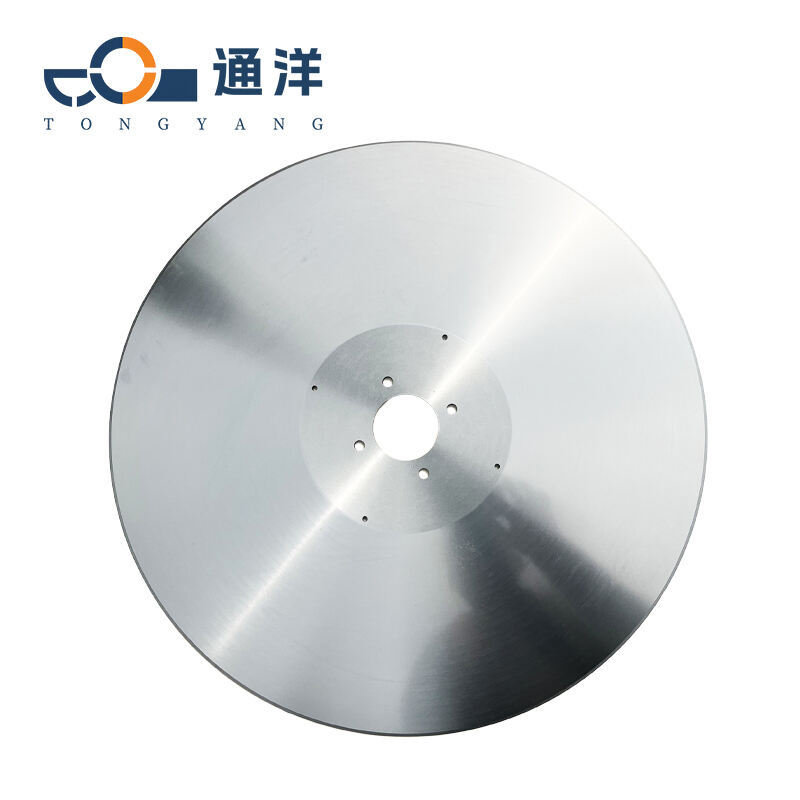
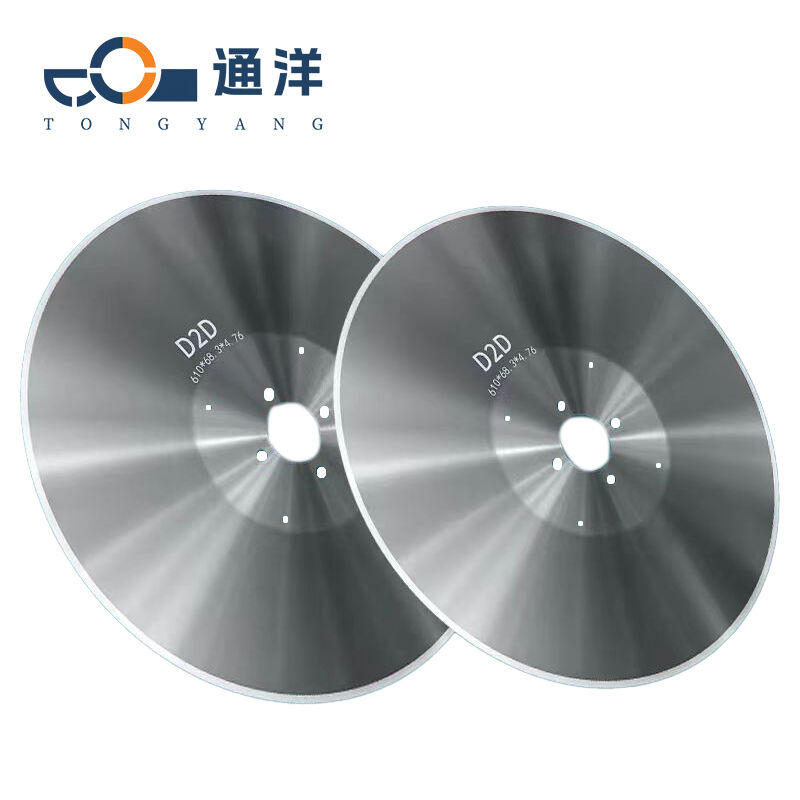
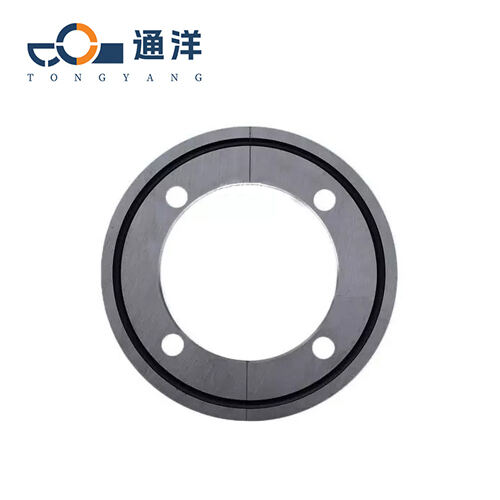
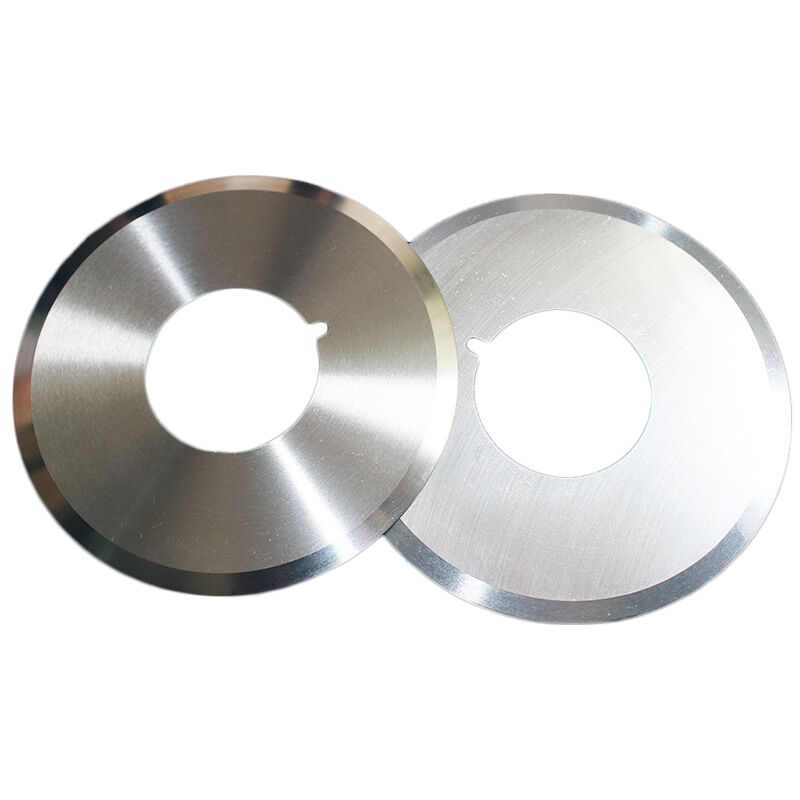
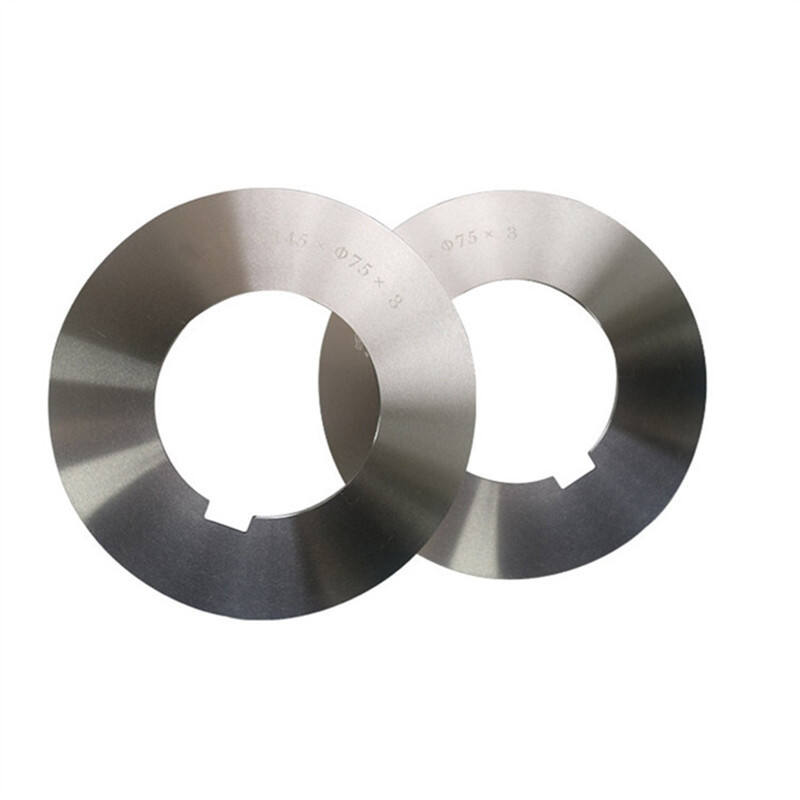
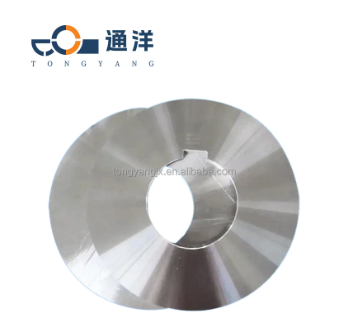
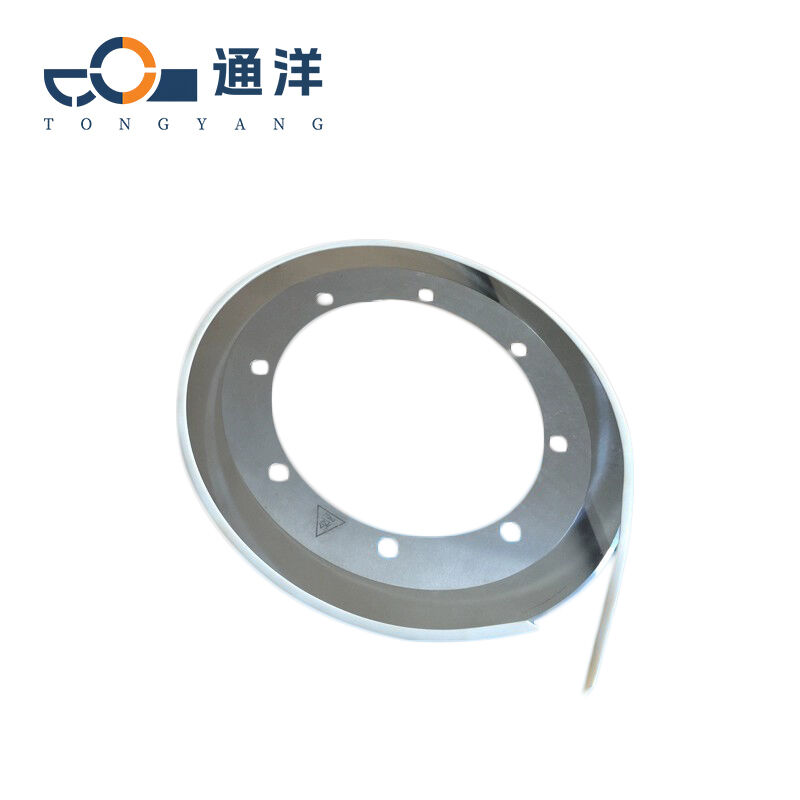
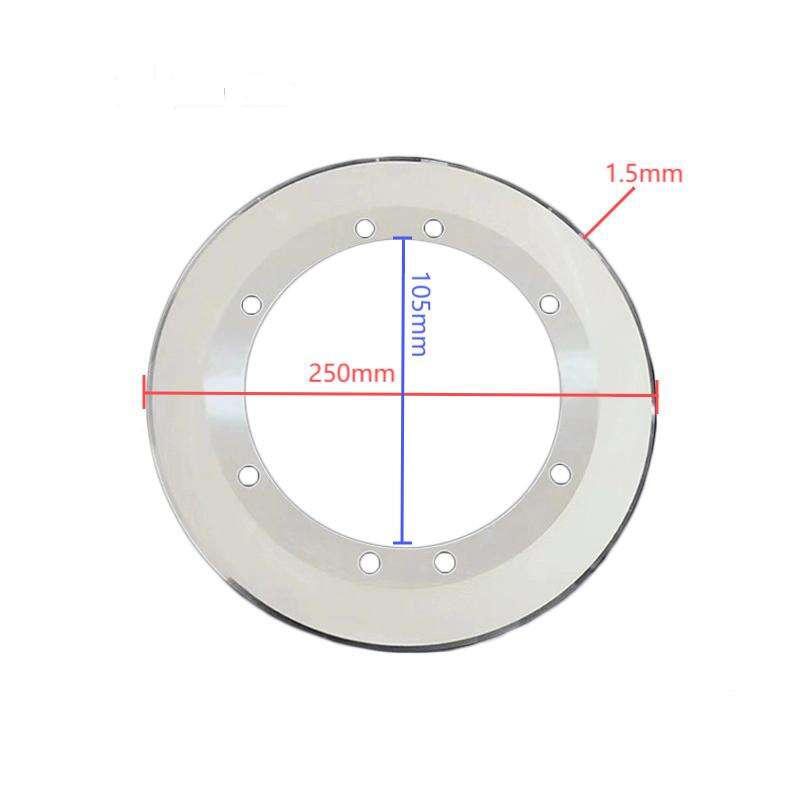
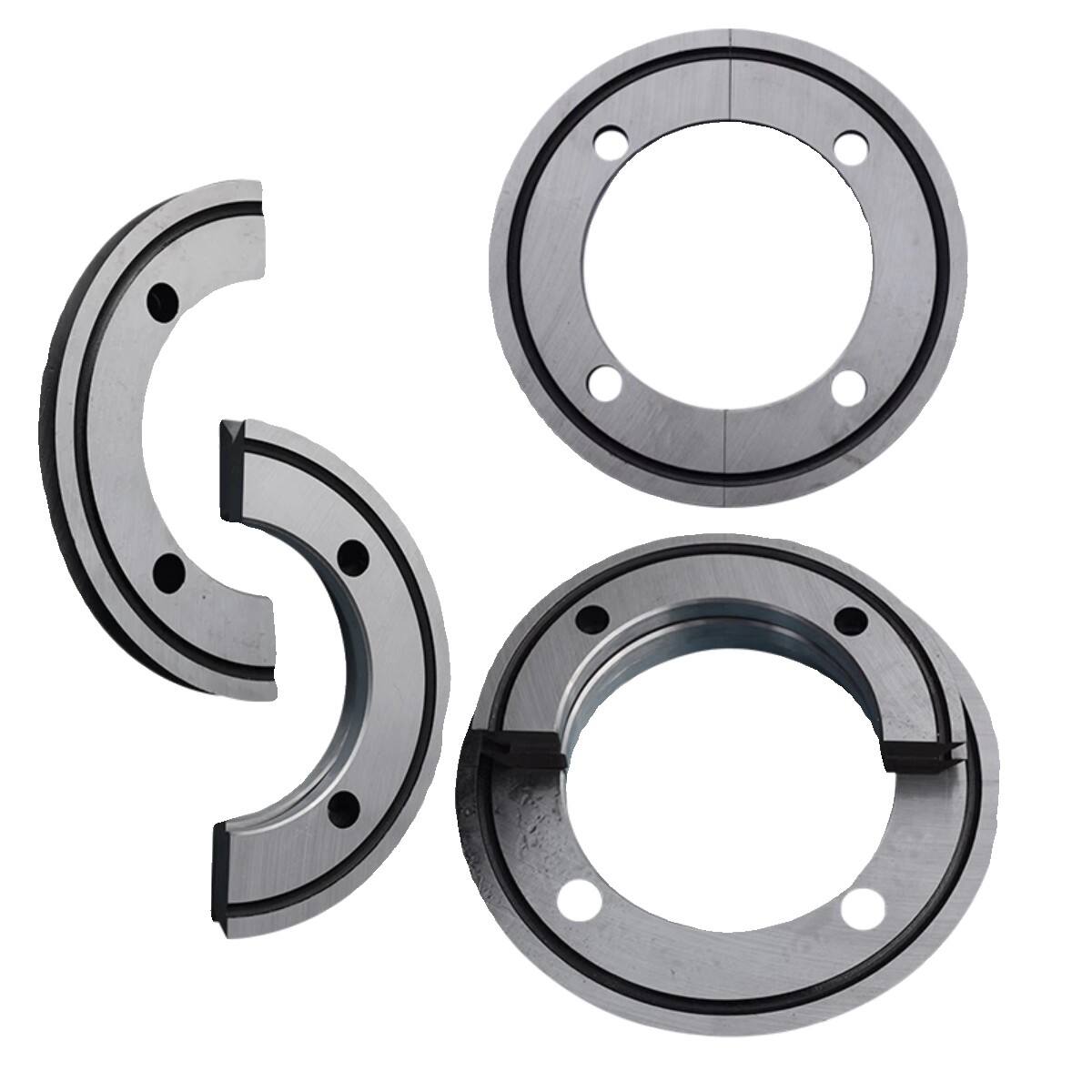
The cardboard converting blade represents an essential cutting tool specifically engineered for the packaging and paper processing industries. This precision-manufactured component serves as the cornerstone of converting operations, transforming large sheets of cardboard into specific sizes and shapes required for various packaging applications. The cardboard converting blade performs critical functions including slitting, trimming, perforating, and scoring operations that are fundamental to modern packaging production lines. Manufacturing facilities rely on these specialized blades to maintain consistent output quality while processing different grades of corrugated materials and paperboard. The technological features embedded within each cardboard converting blade reflect decades of metallurgical advancement and industrial engineering expertise. Premium-grade steel alloys form the foundation of these cutting tools, ensuring exceptional edge retention and resistance to wear even under demanding production conditions. Advanced heat treatment processes enhance the molecular structure of the blade material, creating optimal hardness levels that balance cutting performance with durability. The geometric design of each cardboard converting blade incorporates precise angles and edge configurations tailored to specific converting applications, whether for straight cuts, curved patterns, or specialized perforations. Surface treatments and coatings further enhance performance by reducing friction and preventing material buildup during extended production runs. Applications for the cardboard converting blade span numerous industries including e-commerce packaging, food and beverage containers, retail display materials, and industrial shipping solutions. Box manufacturers depend on these blades to achieve clean edges and accurate dimensions that meet stringent quality standards. Printing companies utilize them to prepare substrates for graphic applications, while specialized converters employ them for creating intricate die-cut designs. The versatility of the cardboard converting blade makes it indispensable across small-scale operations and high-volume automated production facilities alike, adapting to various machine configurations and processing requirements with remarkable consistency and reliability.

New Products

Investing in high-quality cardboard converting blade solutions delivers substantial operational benefits that directly impact your bottom line and production efficiency. First and foremost, these precision tools significantly reduce material waste by executing clean, accurate cuts that minimize edge defects and dimensional variations. When your cutting equipment operates with sharp, properly maintained blades, each sheet of cardboard gets utilized to its maximum potential, translating directly into cost savings on raw materials. The economic advantage becomes particularly evident in high-volume operations where even small improvements in yield percentages result in substantial financial gains over time. Production speed represents another critical advantage that superior cardboard converting blade technology brings to your facility. Modern blade designs slice through multiple layers of corrugated material with minimal resistance, allowing your converting lines to operate at optimal speeds without sacrificing cut quality. This enhanced throughput capability means you can fulfill larger orders within shorter timeframes, improving customer satisfaction and enabling your business to accept more contracts. The consistency provided by premium blades also reduces the frequency of production interruptions for quality checks and adjustments, keeping your operations running smoothly throughout extended shifts. Maintenance efficiency emerges as a third major benefit that operators consistently appreciate. Well-engineered cardboard converting blade products maintain their cutting edges significantly longer than inferior alternatives, reducing the frequency of blade changes and associated downtime. This extended service life means your maintenance teams spend less time on blade replacement procedures and more time on value-added activities. The predictable wear patterns of quality blades also simplify maintenance scheduling, allowing you to plan blade changes during scheduled downtime rather than responding to unexpected failures that disrupt production schedules. Worker safety improves considerably when you equip your facility with properly designed cutting tools. Modern cardboard converting blade products incorporate safety features that reduce the risk of accidents during installation, operation, and maintenance procedures. The reduced force required for cutting operations also minimizes operator fatigue, creating a more comfortable work environment that supports sustained productivity throughout entire shifts. Product quality consistency stands as perhaps the most visible advantage to your customers. Sharp, precision-ground blades deliver clean edges free from tears, crushing, or fuzzing that can compromise the structural integrity and appearance of finished packages. This quality consistency strengthens your reputation in the marketplace and reduces customer complaints and returns. Environmental considerations also favor advanced blade technology, as efficient cutting operations consume less energy and generate less scrap material destined for disposal, supporting your sustainability initiatives while reducing operational costs.

Practical Tips

Maximizing ROI with Quality Corrugated Cardboard Cutting Blade

25

Mar

Maximizing ROI with Quality Corrugated Cardboard Cutting Blade

In today's competitive packaging industry, maximizing return on investment requires strategic investments in high-quality equipment and tools. The efficiency of your corrugated cardboard production line directly impacts your bottom line, and selectin...
View More
Common Slitter Blades Problems and Solutions

30

Mar

Common Slitter Blades Problems and Solutions

Manufacturing operations that rely on slitter blades face a variety of challenges that can significantly impact production efficiency, material quality, and operational costs. Understanding the most common problems associated with slitter blades and ...
View More
How to Choose the Perfect Metal Cutting Blade: Pro Guide

06

May

How to Choose the Perfect Metal Cutting Blade: Pro Guide

Selecting the right metal cutting blade is a critical decision that directly impacts production efficiency, cut quality, blade lifespan, and overall operational costs in industrial metalworking operations. Whether you're processing thin gauge steel, ...
View More
Metal Cutting Blade Types: Complete Comparison Guide

30

Apr

Metal Cutting Blade Types: Complete Comparison Guide

Selecting the appropriate metal cutting blade for industrial applications requires understanding the distinct characteristics, capabilities, and optimal use cases of each blade type available in the market. Metal fabrication professionals face consta...
View More

Get a Free Quote

Our representative will contact you soon.
Email
WhatsApp
Name
Company Name
Message
0/1000

cardboard converting blade

Superior Edge Retention Technology for Extended Production Runs

Superior Edge Retention Technology for Extended Production Runs

The cornerstone advantage of premium cardboard converting blade manufacturing lies in advanced edge retention technology that fundamentally transforms operational economics for converting facilities. This sophisticated engineering approach begins with careful selection of high-carbon steel alloys that possess optimal molecular structures for maintaining sharpness under continuous cutting stress. The metallurgical composition incorporates precise ratios of carbon, chromium, and other elements that work synergistically to create a blade matrix resistant to dulling, chipping, and deformation. Manufacturing processes subject these materials to controlled heat treatment cycles that transform the crystalline structure of the steel, achieving hardness levels measured between 58 and 62 on the Rockwell scale depending on specific application requirements. This hardness range represents the sweet spot where cutting edges remain sharp enough to slice cleanly through dense corrugated materials while retaining sufficient toughness to resist brittle fracture under impact loads. The grinding and honing processes that create the actual cutting edge employ precision machinery capable of achieving edge angles accurate to within fractions of a degree, ensuring geometric consistency across the entire blade length. This precision matters tremendously because even minor variations in edge angle can create uneven wear patterns that compromise cut quality as production continues. Advanced surface finishing techniques further enhance edge retention by creating micro-smooth surfaces that reduce friction and heat generation during cutting operations. Some premium cardboard converting blade products incorporate specialized coatings applied through physical vapor deposition or similar processes, creating ultra-thin protective layers that extend service life without increasing blade thickness or altering cutting characteristics. The practical impact of superior edge retention manifests in multiple ways throughout your operation. Production managers appreciate the extended intervals between blade changes, which can stretch from days to weeks depending on material types and production volumes. This longevity reduces the inventory of spare blades required on-site, freeing up capital and storage space for other purposes. Quality control becomes more predictable as blades maintain consistent cutting performance throughout their service life rather than gradually degrading and requiring constant adjustment. Operators benefit from reduced physical demands since sharp blades require less cutting force, translating to lower stress on drive systems and reduced energy consumption. The environmental advantages deserve emphasis as well, since longer-lasting blades mean fewer discarded cutting tools requiring disposal and less frequent manufacturing of replacement units, reducing the overall carbon footprint associated with your converting operations.
Precision Grinding for Consistent Cut Quality Across All Materials

Precision Grinding for Consistent Cut Quality Across All Materials

Achieving exceptional cut quality across diverse cardboard grades and thicknesses demands precision grinding technology that transforms raw blade blanks into finely tuned cutting instruments. The cardboard converting blade manufacturing process employs computer-controlled grinding systems that remove material with micrometer-level accuracy, creating edge geometries optimized for specific converting applications. This technological sophistication begins with three-dimensional modeling of ideal blade profiles based on extensive testing with different corrugated materials, cutting speeds, and machine configurations. Engineers analyze how blade angles, edge radii, and relief angles interact with cardboard fibers during the cutting action, identifying configurations that minimize fiber tearing and edge crushing. The grinding equipment translates these optimized designs into physical reality through multi-axis control systems that position abrasive wheels with extraordinary precision relative to the blade blank. Diamond-impregnated grinding wheels capable of maintaining their shape and cutting characteristics throughout extended production runs ensure consistency across large blade batches. Temperature management during grinding operations proves critical because excessive heat can alter the metallurgical properties carefully developed during heat treatment, potentially creating soft spots or stress concentrations that compromise performance. Advanced grinding systems incorporate coolant delivery mechanisms that flood the grinding interface with precisely formulated fluids, simultaneously controlling temperature and flushing away swarf that might otherwise scratch finished surfaces. Following initial grinding, many premium cardboard converting blade products undergo additional honing processes that refine the cutting edge to even finer tolerances. These finishing operations employ ultra-fine abrasive compounds that polish microscopic imperfections, creating edges that literally reflect light uniformly along their entire length. Quality control procedures verify that finished blades meet exacting specifications through optical measurement systems capable of detecting deviations measured in microns. The benefits of precision grinding extend throughout your converting operation in tangible ways. When processing lightweight single-wall corrugated materials, properly ground blades slice cleanly without crushing flutes or delaminating face sheets, preserving structural integrity essential for package performance. Heavy-duty triple-wall materials that challenge lesser blades yield readily to precision-ground edges that maintain their geometry under the substantial forces involved. Mixed production runs featuring varying material grades proceed smoothly without blade changes or extensive machine adjustments, improving scheduling flexibility and reducing setup times. Edge quality on finished pieces meets the highest standards, with clean cuts free from the fuzzing and fiber pullout that characterize dull or improperly ground blades. This consistency proves particularly valuable for printed materials where ragged edges detract from overall appearance and potentially interfere with automated packaging equipment downstream. Printers and brand owners alike appreciate the professional appearance that precision cutting delivers, strengthening your competitive position in quality-conscious market segments.
Versatile Design Adaptability for Multiple Converting Applications

Versatile Design Adaptability for Multiple Converting Applications

Modern cardboard converting blade engineering emphasizes versatile design characteristics that enable single blade platforms to serve multiple converting applications with minimal modifications. This adaptability reflects sophisticated understanding of how different cutting operations interact with cardboard materials and how blade geometry influences these interactions. The foundational design of contemporary blades incorporates modular concepts where basic blade bodies accept different edge configurations, mounting systems, and accessory components suited to specific tasks. Converting facilities benefit enormously from this versatility because equipment investments serve broader purposes rather than requiring dedicated blades for each operation type. Standard slitting applications where blades separate continuous webs into narrower strips demand different geometric characteristics than trim cutting operations that remove excess material from sheet edges. The cardboard converting blade addresses these varying requirements through carefully engineered edge angles and relief configurations that optimize performance for each scenario. Slitter blade edges typically feature relatively acute angles that concentrate cutting forces into narrow zones, enabling clean separation with minimal material distortion. Trim blades may incorporate slightly more obtuse angles that provide enhanced durability when cutting through multiple layers simultaneously or processing materials with embedded contaminants. Perforating operations represent another application where blade versatility proves valuable, with specialized edge patterns creating controlled weakness lines that facilitate easy tearing along predetermined paths. Scoring applications utilize blade designs that compress rather than cut through cardboard layers, creating fold lines without compromising material integrity. The ability to accomplish all these operations with blade products sharing common mounting interfaces and basic dimensional characteristics simplifies inventory management and reduces the training burden on maintenance personnel. Machine compatibility represents another dimension of versatility embedded in modern cardboard converting blade design. Converting equipment manufacturers employ diverse blade mounting systems, drive mechanisms, and adjustment methods based on their proprietary engineering approaches. Premium blade suppliers address this diversity by offering products compatible with major equipment brands and models, eliminating the compatibility uncertainties that complicate purchasing decisions. Dimensional standards ensure proper fit within blade holders and cutting heads, while material specifications guarantee performance consistency across different machine types. Some advanced blade designs incorporate adjustment features that accommodate minor variations in mounting systems, further expanding compatibility. The operational flexibility resulting from versatile blade design manifests in numerous practical advantages for converting facilities. Production scheduling becomes more efficient when equipment can transition quickly between different job types without extensive blade change procedures. Smaller operations that cannot justify maintaining large blade inventories particularly benefit from multipurpose blade designs that reduce the variety of spare parts requiring warehouse space and capital investment. Training programs simplify when maintenance teams work with consistent blade platforms rather than learning unique procedures for numerous specialized products. Quality consistency improves across different product lines because the same proven blade technology supports all your converting operations. This standardization also facilitates performance comparisons and continuous improvement initiatives, as operators can confidently attribute quality variations to process parameters rather than blade differences. The economic advantages compound over time as your facility gains experience with specific blade platforms, developing expertise that translates into optimized performance and maximum return on your converting equipment investment.

Get a Free Quote

Our representative will contact you soon.
Email
WhatsApp
Name
Company Name
Message
0/1000
Newsletter
Please Leave A Message With Us