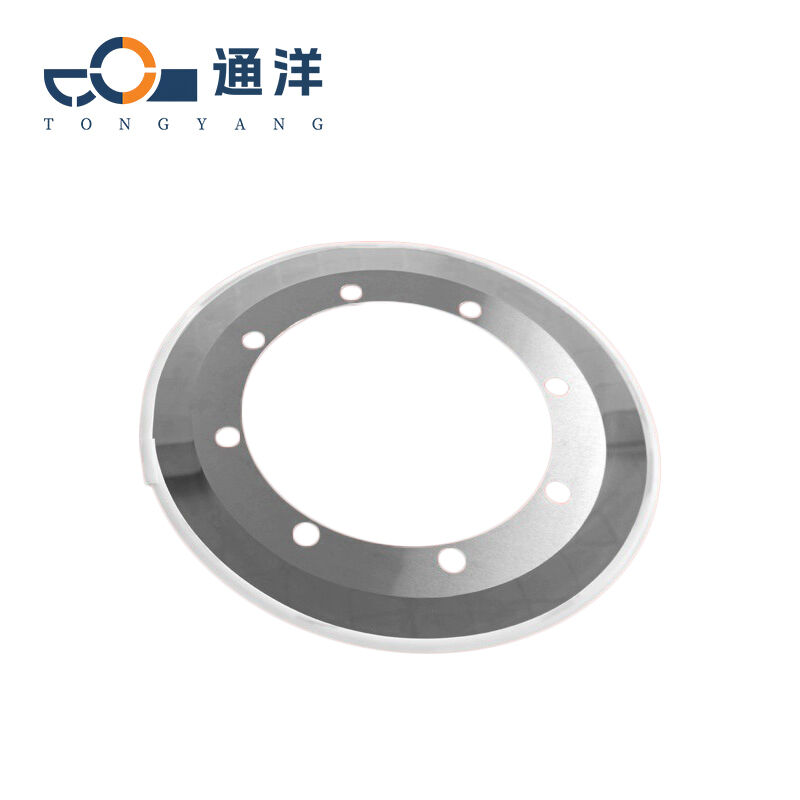
Long-Life Cardboard Cutting Blade - Durable Industrial Cutting Solution for Extended Performance

All Categories

Get a Free Quote

Our representative will contact you soon.
Email
WhatsApp
Name
Company Name
Message
0/1000

long-life cardboard cutting blade

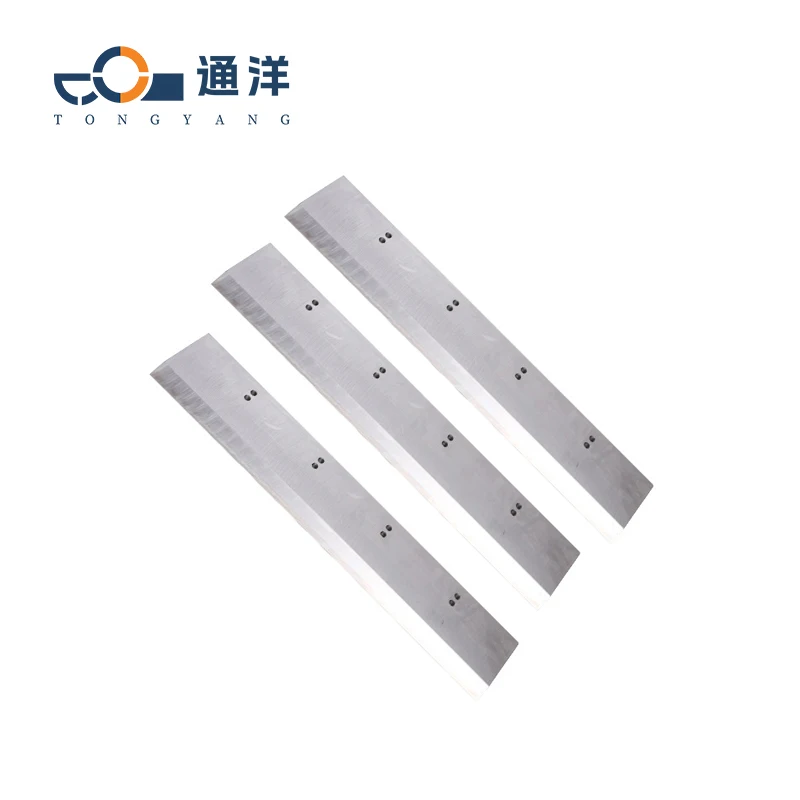
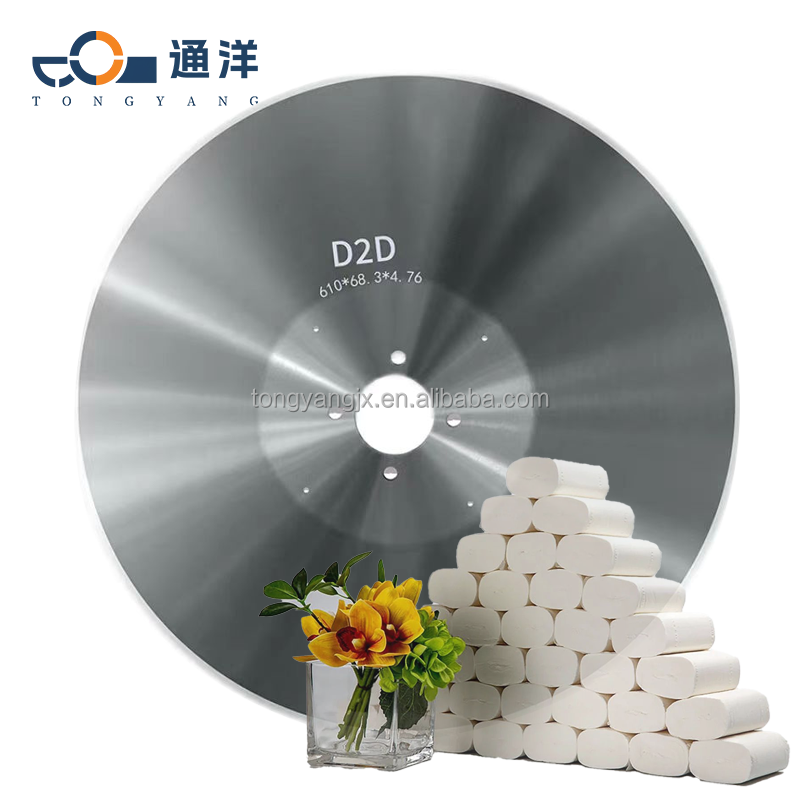
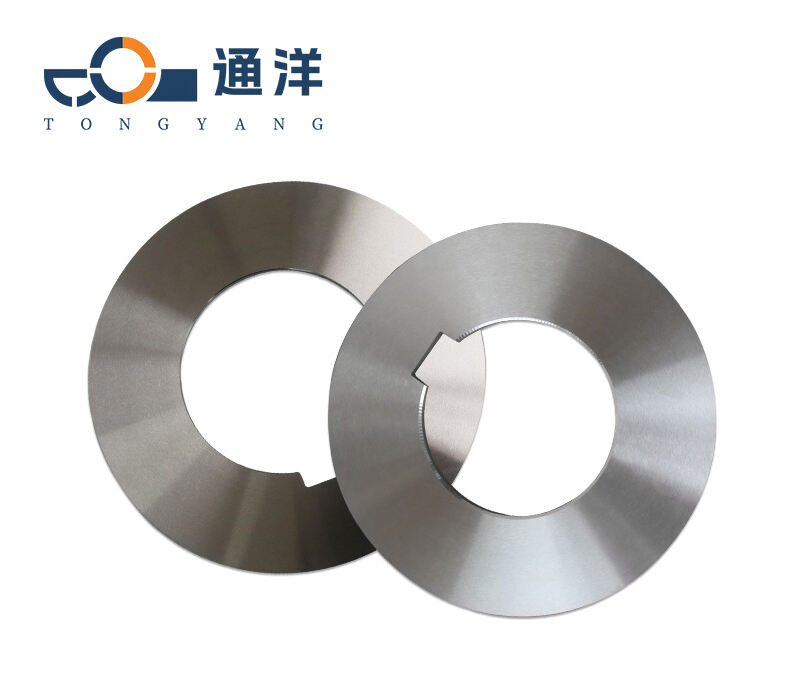
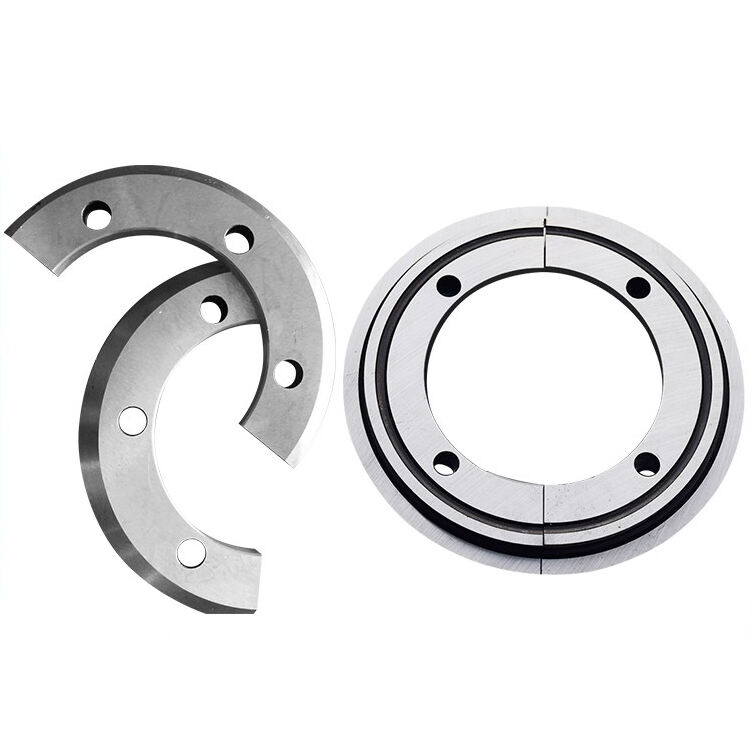
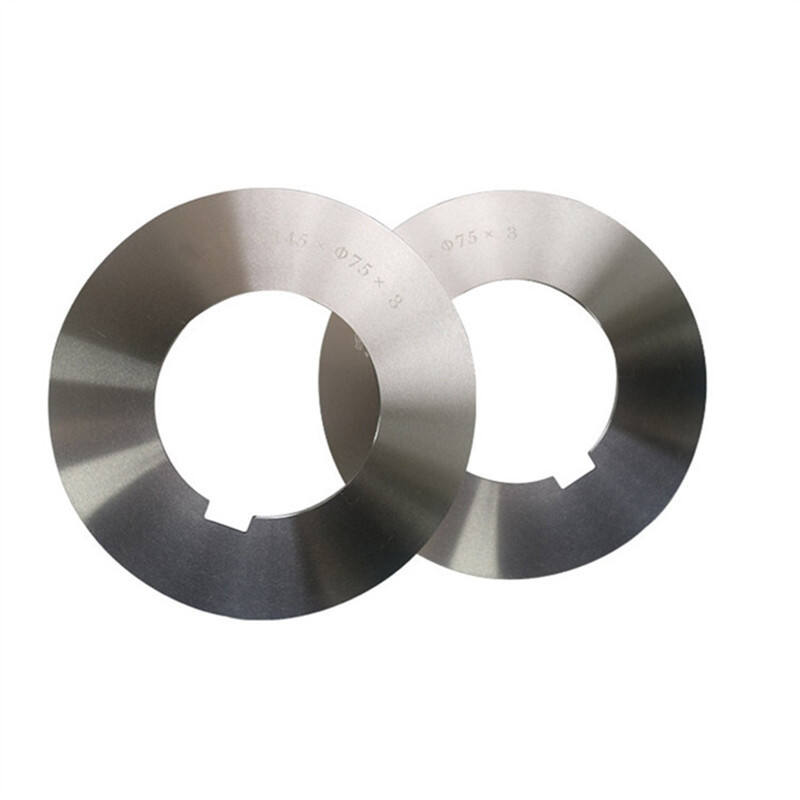
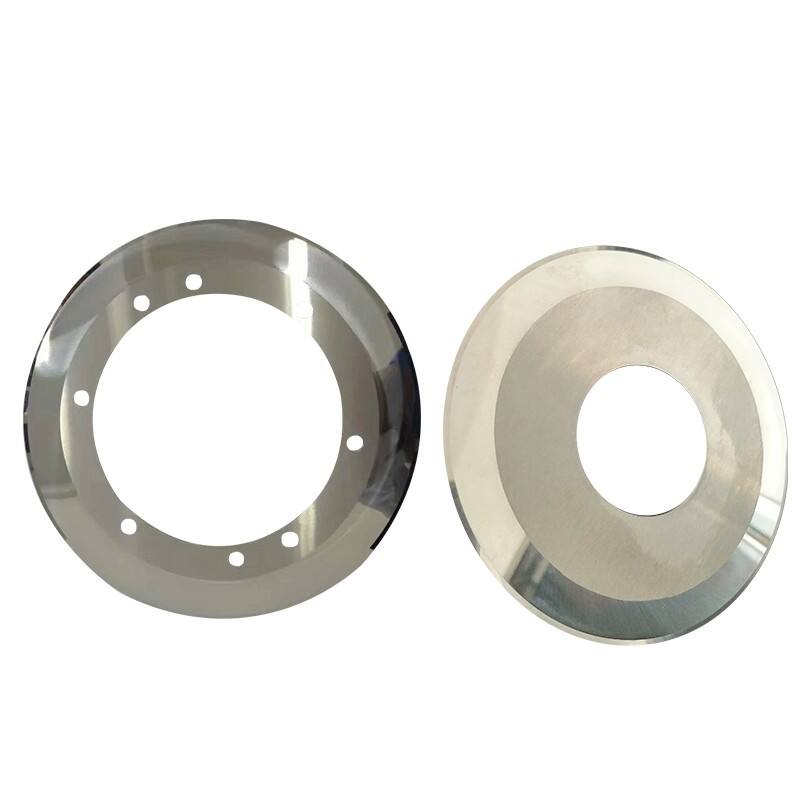
The long-life cardboard cutting blade represents a specialized cutting solution engineered specifically for industrial and commercial cardboard processing operations. This precision-manufactured blade delivers exceptional performance in cutting, slicing, and trimming various cardboard materials, from single-layer corrugated sheets to multi-ply industrial packaging materials. The long-life cardboard cutting blade incorporates advanced metallurgical compositions and heat treatment processes that significantly extend operational lifespan while maintaining consistent cutting quality throughout its service period. These blades feature carefully designed edge geometries that reduce friction during cutting operations, minimize material tearing, and produce clean, professional edges on every cut. The technological foundation of the long-life cardboard cutting blade includes high-carbon steel alloys or tungsten carbide compositions, depending on application requirements, with specialized coatings that enhance wear resistance and reduce adhesive buildup from cardboard materials. Manufacturing facilities, packaging operations, printing companies, and distribution centers rely on these blades for continuous production environments where downtime for blade replacement directly impacts operational efficiency and profitability. The long-life cardboard cutting blade functions across various cutting equipment types, including rotary cutters, guillotine shears, slitter machines, and automated die-cutting systems. Applications span diverse industries such as e-commerce fulfillment, food packaging, electronics shipping, furniture manufacturing, and retail display production. The blade's engineering focuses on balancing hardness for edge retention with sufficient toughness to resist chipping or breakage during high-volume cutting cycles. Temperature stability ensures the long-life cardboard cutting blade maintains performance characteristics even during extended operation periods that generate significant heat through friction. Precision grinding and finishing techniques create micro-smooth cutting surfaces that glide through cardboard fibers with minimal resistance, reducing motor load on cutting equipment and contributing to energy efficiency. The long-life cardboard cutting blade design accommodates various thicknesses and densities of cardboard materials, from lightweight single-wall corrugated board to heavy-duty triple-wall industrial packaging substrates, making it a versatile solution for operations handling diverse product portfolios.

New Product Recommendations

The long-life cardboard cutting blade delivers substantial cost savings by dramatically reducing replacement frequency compared to standard cutting blades. While conventional blades may require replacement every few weeks in high-volume operations, these advanced blades maintain cutting performance for months, directly lowering procurement costs and reducing inventory requirements for spare blades. Production managers appreciate how the extended lifespan minimizes machine downtime associated with blade changes, keeping production lines running smoothly and meeting tight delivery schedules without interruption. Workers benefit from fewer blade replacement tasks, which not only improves safety by reducing exposure to sharp blade handling but also allows staff to focus on value-added activities rather than repetitive maintenance procedures. The consistent cutting quality throughout the blade's operational life ensures uniform product appearance and dimensional accuracy, eliminating quality variations that occur as standard blades dull and begin producing ragged edges or incomplete cuts. This consistency translates to reduced waste, as fewer cardboard pieces are rejected due to poor cut quality, improving material utilization rates and lowering raw material costs. The long-life cardboard cutting blade generates cleaner cuts with minimal dust and debris, creating a healthier work environment and reducing cleanup time and maintenance on surrounding equipment. Enhanced edge retention means cutting equipment motors experience less strain throughout production runs, as sharp blades require less force to penetrate cardboard materials, potentially extending motor lifespan and reducing energy consumption. Businesses processing various cardboard grades find these blades adapt effectively across different material characteristics without performance degradation, eliminating the need to stock multiple specialized blade types for different applications. The superior wear resistance prevents the gradual cutting performance decline that forces operators to compensate by increasing cutting pressure or slowing production speeds, maintaining optimal throughput rates throughout the blade's service life. Companies implementing the long-life cardboard cutting blade report measurable improvements in overall equipment effectiveness metrics, with reduced unplanned stops, faster cycle times, and improved first-pass quality rates. The predictable performance degradation allows maintenance teams to implement scheduled blade replacement during planned downtime rather than responding to emergency blade failures during production runs. Environmental benefits emerge from reduced blade disposal frequency, decreasing industrial waste generation and supporting corporate sustainability initiatives. Training requirements decrease as operators work with blades that maintain consistent behavior rather than learning to compensate for progressive performance changes. The long-life cardboard cutting blade represents a strategic investment that delivers returns through multiple operational dimensions, from direct cost reduction to enhanced production reliability, improved workplace safety, better product quality, and simplified maintenance planning, making it an intelligent choice for operations committed to continuous improvement and competitive advantage.

Latest News

Can a Circular Blade Cut Metal? A Look at Hardened Metal Cutting Blades

25

Mar

Can a Circular Blade Cut Metal? A Look at Hardened Metal Cutting Blades

The ability to cut through metal efficiently and precisely has always been a cornerstone of modern manufacturing and fabrication industries. When professionals need to slice through various metal materials, the choice of cutting tool can make the dif...
View More
Industrial Corrugated Cardboard Cutting Blade Selection Tips

25

Mar

Industrial Corrugated Cardboard Cutting Blade Selection Tips

Selecting the right cutting blade for corrugated cardboard processing operations represents a critical decision that directly impacts production efficiency, product quality, and operational costs. Industrial facilities handling large volumes of corru...
View More
How to Choose the Perfect Metal Cutting Blade: Pro Guide

06

May

How to Choose the Perfect Metal Cutting Blade: Pro Guide

Selecting the right metal cutting blade is a critical decision that directly impacts production efficiency, cut quality, blade lifespan, and overall operational costs in industrial metalworking operations. Whether you're processing thin gauge steel, ...
View More
Metal Cutting Blade Types: Complete Comparison Guide

30

Apr

Metal Cutting Blade Types: Complete Comparison Guide

Selecting the appropriate metal cutting blade for industrial applications requires understanding the distinct characteristics, capabilities, and optimal use cases of each blade type available in the market. Metal fabrication professionals face consta...
View More

Get a Free Quote

Our representative will contact you soon.
Email
WhatsApp
Name
Company Name
Message
0/1000

long-life cardboard cutting blade

Advanced Material Engineering for Exceptional Durability

Advanced Material Engineering for Exceptional Durability

The long-life cardboard cutting blade achieves its remarkable longevity through sophisticated material science and precision manufacturing techniques that fundamentally differentiate it from conventional cutting solutions. The blade's foundation begins with carefully selected high-performance alloys, typically featuring high-carbon steel formulations with precise chromium, vanadium, and molybdenum additions that create a microstructure optimized for both hardness and toughness. This balanced composition prevents the brittleness associated with extremely hard materials while maintaining the edge retention necessary for extended service life. Advanced heat treatment protocols subject the long-life cardboard cutting blade to precisely controlled heating and cooling cycles that transform the internal grain structure, creating optimal hardness gradients from the cutting edge to the blade body. This differential hardening ensures the cutting edge maintains sharpness while the blade core retains flexibility to absorb impact forces without fracturing. Surface engineering plays an equally critical role, with specialized coating technologies such as titanium nitride, titanium carbonitride, or diamond-like carbon applications creating ultra-hard protective layers that shield the underlying steel from wear while reducing friction coefficients during cutting operations. These coatings prevent cardboard fibers and adhesives from building up on the blade surface, maintaining clean cutting action throughout extended production runs. The grinding and finishing processes that create the cutting edge utilize precision machinery with tolerances measured in microns, producing edge geometries that optimize penetration characteristics for cardboard materials. The specific edge angle balances sharpness for effortless cutting with sufficient included angle to support the edge structure under repeated stress. Manufacturing quality control includes rigorous inspection protocols using advanced metrology equipment to verify dimensional accuracy, surface finish quality, and material hardness across every blade produced. This consistency ensures predictable performance regardless of which blade is installed, eliminating the performance variations that plague lower-quality alternatives. The long-life cardboard cutting blade engineering also considers thermal management, as cutting friction generates heat that can affect blade temper and accelerate wear. Material selections and edge designs minimize heat generation while maintaining thermal stability across the blade's operating temperature range. This comprehensive engineering approach transforms raw materials into precision cutting instruments that deliver exceptional value through extended operational life, consistent performance, and reliable service across demanding production environments.
Optimized Cutting Performance Across Diverse Applications

Optimized Cutting Performance Across Diverse Applications

The long-life cardboard cutting blade demonstrates remarkable versatility in handling the wide spectrum of cardboard materials and cutting applications found in modern manufacturing and packaging operations. This adaptability stems from intelligent design choices that accommodate varying material densities, thicknesses, and structural characteristics without compromising cutting quality or blade longevity. Single-face corrugated material, single-wall board, double-wall constructions, and heavy-duty triple-wall industrial cardboard all respond cleanly to the blade's cutting action, with the edge geometry penetrating smoothly through both the facing liners and the corrugated medium without tearing or crushing the flute structure. The long-life cardboard cutting blade maintains this performance advantage across different flute profiles, from fine E-flute used in retail packaging to robust A-flute and B-flute found in shipping containers. Cutting speed flexibility allows the blade to perform effectively in both high-speed automated production lines running at several hundred cuts per minute and slower manual or semi-automated operations where precision positioning takes precedence over throughput. The blade's design prevents common cutting defects such as fuzzy edges, where inadequate sharpness allows fibers to tear rather than cut cleanly, or compression damage, where excessive force crushes the corrugated structure before cutting occurs. Operators working with printed cardboard appreciate how the long-life cardboard cutting blade produces clean cuts without smearing or damaging graphics near the cut line, preserving the visual appeal of finished products. The blade handles direction changes smoothly in applications requiring curved cuts or complex contours, maintaining consistent cutting quality through varying stress angles. Cross-grain and with-grain cutting orientations both produce satisfactory results, as the edge sharpness and geometry overcome the directional strength variations inherent in cardboard fiber structure. Companies processing recycled cardboard content, which often contains harder contaminants or inconsistent material properties, find the long-life cardboard cutting blade maintains performance where standard blades quickly deteriorate. The blade's wear resistance prevents the accelerated dulling that occurs when cutting edges encounter embedded staples, tape residue, or density variations common in recycled materials. Multi-shift operations running continuous production particularly benefit from the blade's sustained performance, as cutting quality remains consistent from the start of the first shift through the end of the third shift without adjustment or replacement. This reliability eliminates the mid-shift performance degradation that forces operators to compensate with machine adjustments, maintaining optimal production parameters throughout extended runs. The long-life cardboard cutting blade effectively supports lean manufacturing principles by reducing process variation and eliminating waste associated with poor cut quality, contributing to overall operational excellence and customer satisfaction through consistent product quality.
Comprehensive Economic and Operational Benefits

Comprehensive Economic and Operational Benefits

Implementing the long-life cardboard cutting blade generates measurable financial advantages and operational improvements that extend far beyond the initial purchase price consideration. The total cost of ownership analysis reveals how the blade's extended service life fundamentally changes the economics of cutting operations compared to frequently replaced conventional blades. Procurement departments reduce administrative burden through fewer purchase orders, reduced vendor interactions, and simplified inventory management when blade replacement intervals extend from weeks to months. Warehouse space allocated to blade inventory decreases significantly, freeing valuable storage capacity for revenue-generating materials rather than maintenance supplies. The long-lifeCardboard cutting blade reduces the hidden costs associated with blade changeouts, including the direct labor time for maintenance personnel performing replacements, the indirect labor cost of machine operators waiting during changeovers, and the production volume lost during downtime periods. These interruption costs often exceed the blade purchase price itself, making extended blade life a powerful lever for improving operational profitability. Production planning becomes more predictable when the long-life cardboard cutting blade delivers consistent performance throughout its service period, eliminating the gradual quality degradation that complicates scheduling and forces conservative production estimates. Quality assurance processes simplify as cut quality remains within specification without the trending variations that require increased inspection frequency with conventional blades. Customer satisfaction improves through more consistent product appearance and dimensional accuracy, reducing complaints and returns while strengthening brand reputation. The workplace safety profile improves as reduced blade handling frequency decreases injury risk from sharp edge exposure during replacement procedures. Maintenance team efficiency increases when blade changes transition from frequent reactive tasks to scheduled preventive maintenance activities performed during planned downtime. Energy costs decrease subtly but measurably as sharp blades require less motor force to complete cuts compared to dulling blades that demand increasing power throughout their service life. Environmental responsibility advances through reduced blade disposal volumes, supporting corporate sustainability commitments and potentially reducing hazardous waste handling costs. The long-life cardboard cutting blade enables more aggressive automation investments, as the predictable blade performance supports lights-out manufacturing concepts where extended unmanned operation requires reliable tool performance. Competitive advantage emerges from the combined effects of lower operating costs, improved quality consistency, enhanced production flexibility, and increased equipment reliability that the blade facilitates. Companies implementing these blades often discover that the performance advantages extend to related processes, as cleaner cuts reduce downstream handling issues, improve folding accuracy, and enhance adhesive application in box assembly operations. The blade's contribution to overall equipment effectiveness creates a foundation for continuous improvement initiatives, providing stable baseline performance that allows meaningful measurement of other process optimization efforts. Return on investment calculations consistently favor the long-life cardboard cutting blade across diverse operational contexts, from small job shops processing modest volumes to large-scale packaging manufacturers running multiple production lines continuously, making it a universally applicable solution for organizations committed to operational excellence and financial performance.

Get a Free Quote

Our representative will contact you soon.
Email
WhatsApp
Name
Company Name
Message
0/1000
Newsletter
Please Leave A Message With Us