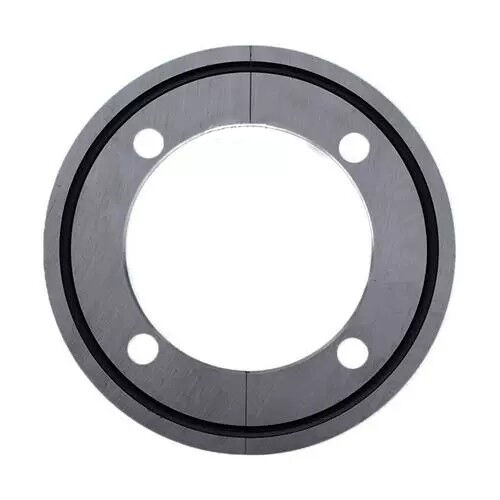
carbide corrugated cutting knife
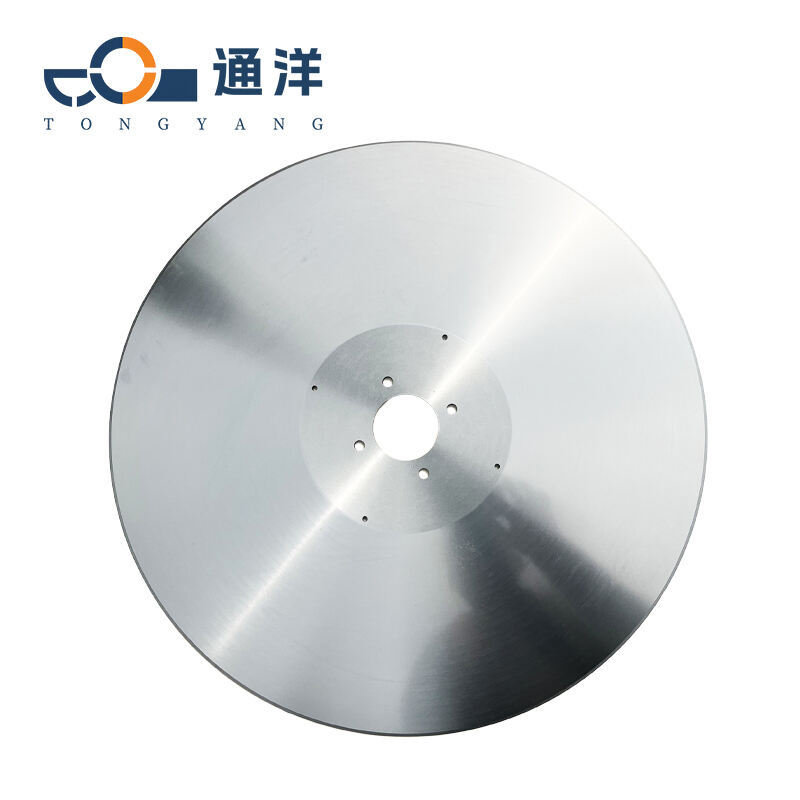
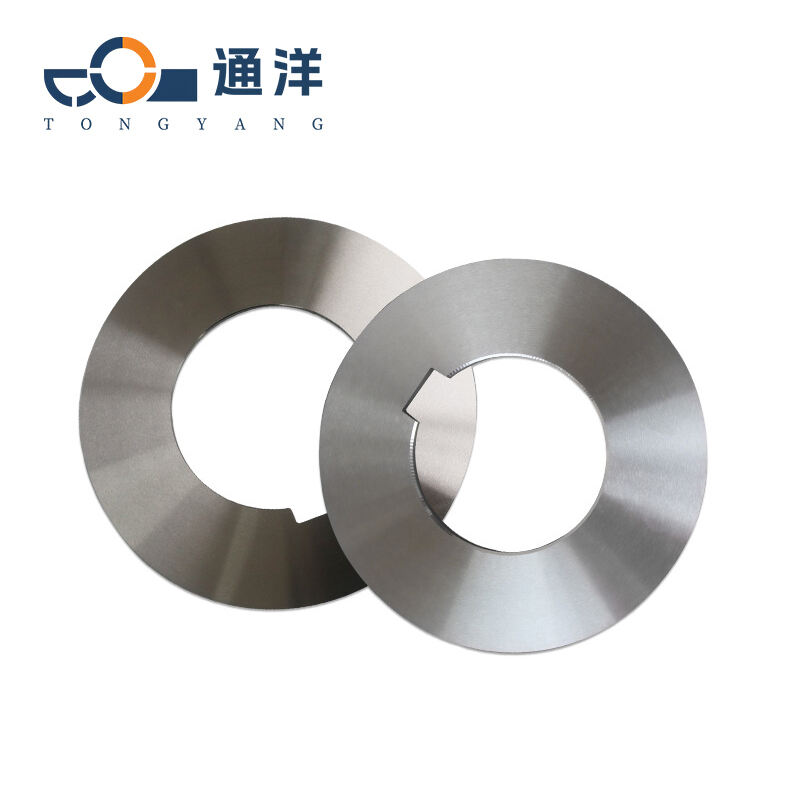
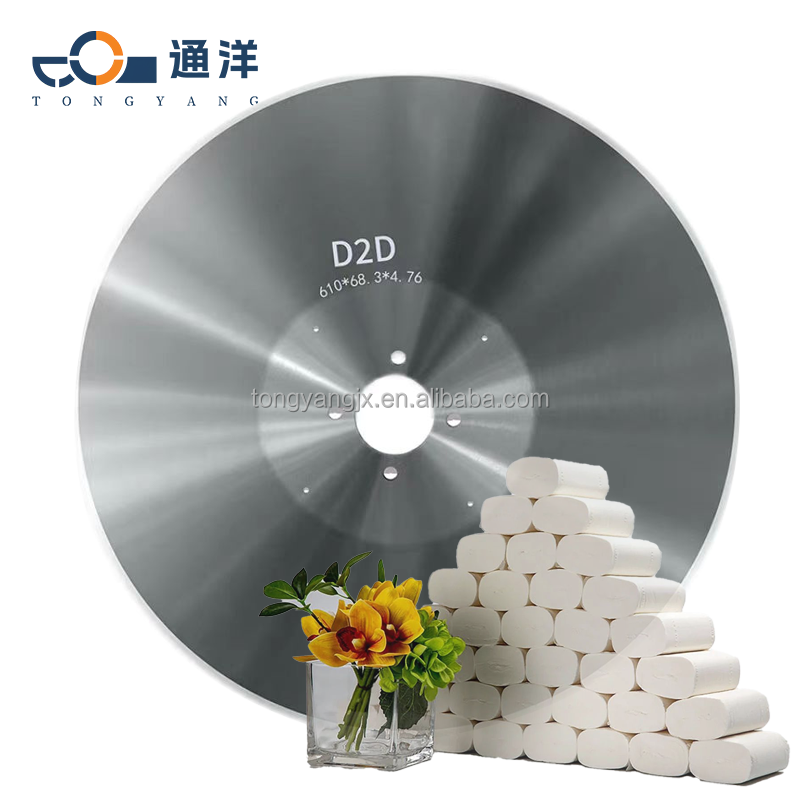
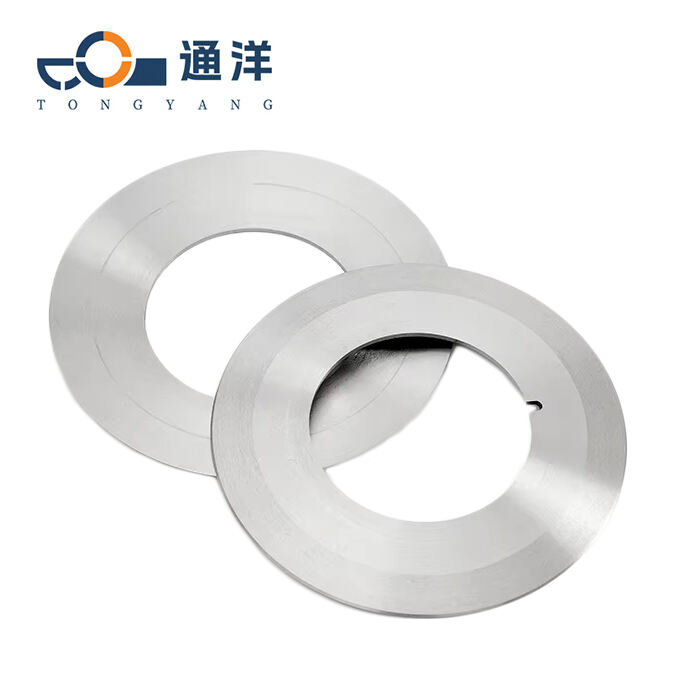
The carbide corrugated cutting knife represents a precision-engineered industrial tool specifically designed for cutting corrugated materials with exceptional accuracy and longevity. This specialized blade is manufactured from tungsten carbide, one of the hardest materials available for industrial cutting applications, ensuring superior performance in demanding production environments. The carbide corrugated cutting knife serves as an essential component in corrugated board manufacturing, packaging production, and paper processing facilities where consistent, clean cuts are crucial for product quality. Its main function involves slicing through multiple layers of corrugated cardboard, fluted paperboard, and similar materials with minimal effort while maintaining edge sharpness over extended operational periods. The technological features of this cutting tool include advanced metallurgical composition that combines tungsten and carbon particles through sophisticated sintering processes, creating a blade structure that resists wear, heat, and deformation. The cutting edge geometry is precisely ground to specific angles that optimize penetration through corrugated structures without crushing or tearing the delicate flutes. Many carbide corrugated cutting knife designs incorporate specialized coatings that further enhance performance by reducing friction and preventing material adhesion during high-speed cutting operations. Applications for this tool span across various industries including packaging manufacturing plants, where corrugated boxes are produced in massive quantities, printing companies that require precise trimming of printed corrugated sheets, and distribution centers that need to customize box sizes for specific shipping requirements. The carbide corrugated cutting knife also finds extensive use in die-cutting operations, rotary slitting systems, and guillotine-style cutting machines. Its robust construction allows it to maintain dimensional stability even under continuous operational stress, while the inherent hardness of carbide material ensures that blade replacement intervals are significantly extended compared to traditional steel alternatives, ultimately reducing downtime and maintenance costs in production facilities.
 EN
EN