High-Speed Steel Cardboard Blade: Premium Cutting Solutions for Packaging Industry | Extended Life & Precision Performance

All Categories

Get a Free Quote

Our representative will contact you soon.
Email
WhatsApp
Name
Company Name
Message
0/1000

high-speed steel cardboard blade

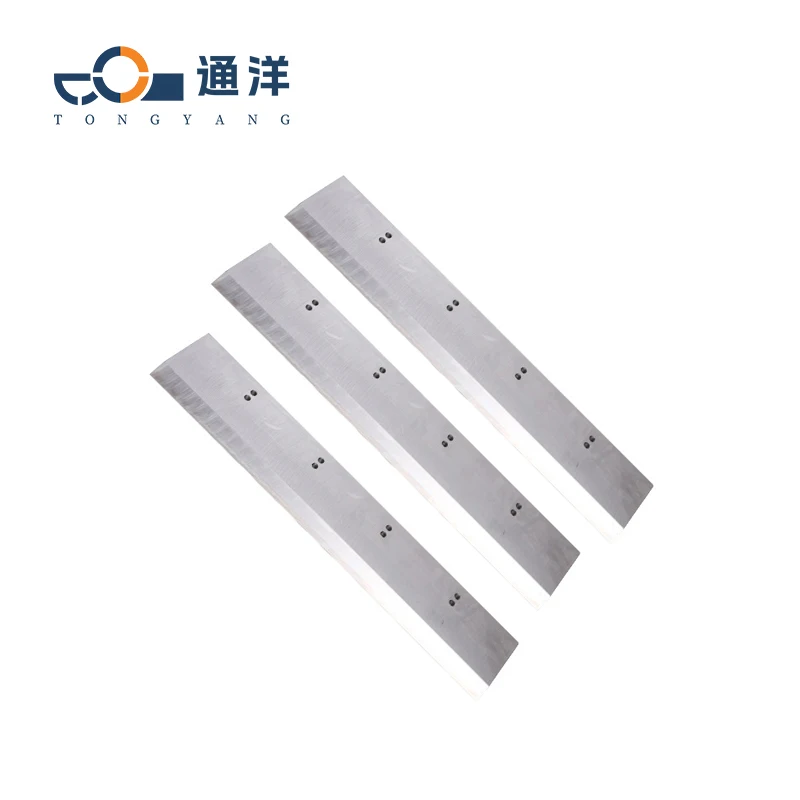
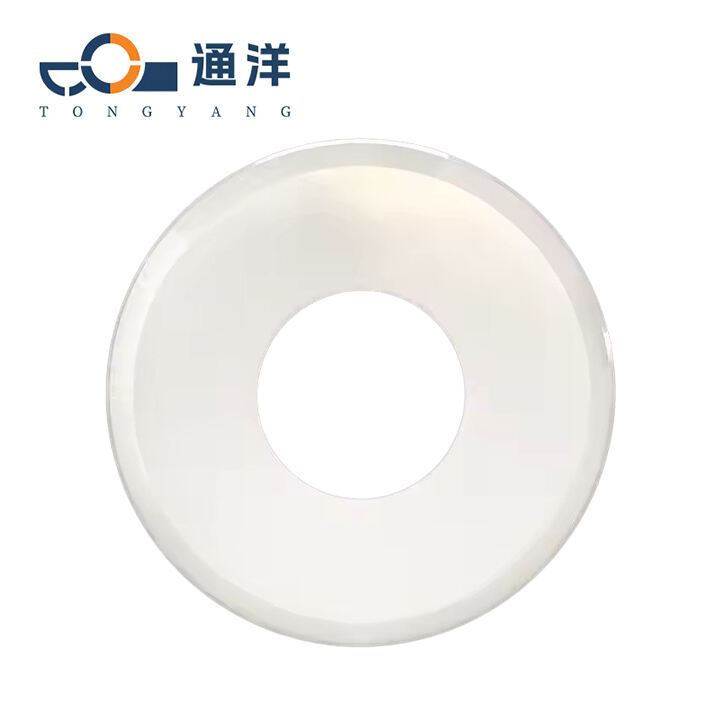
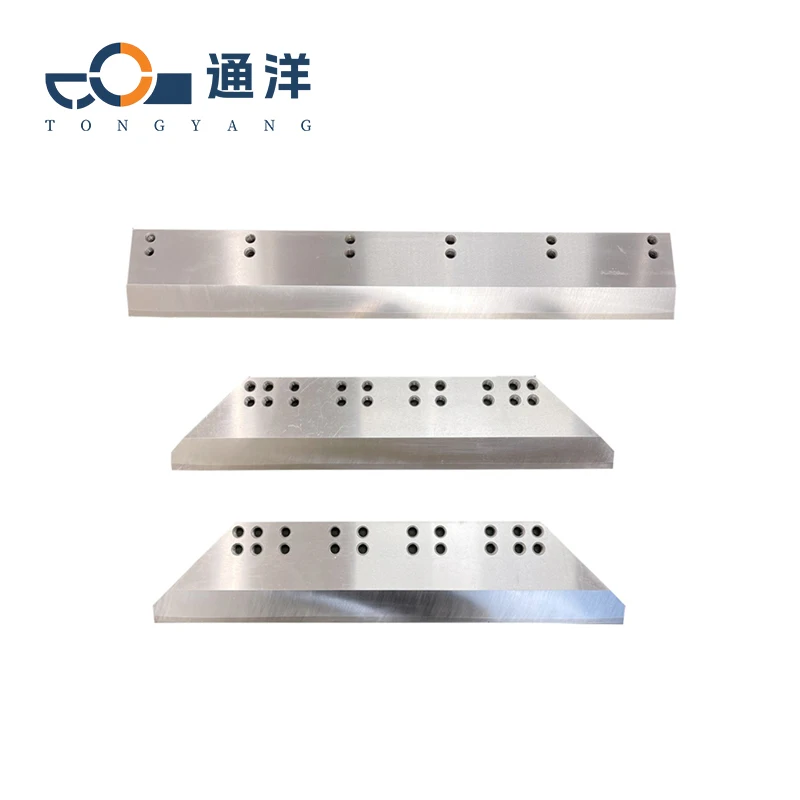
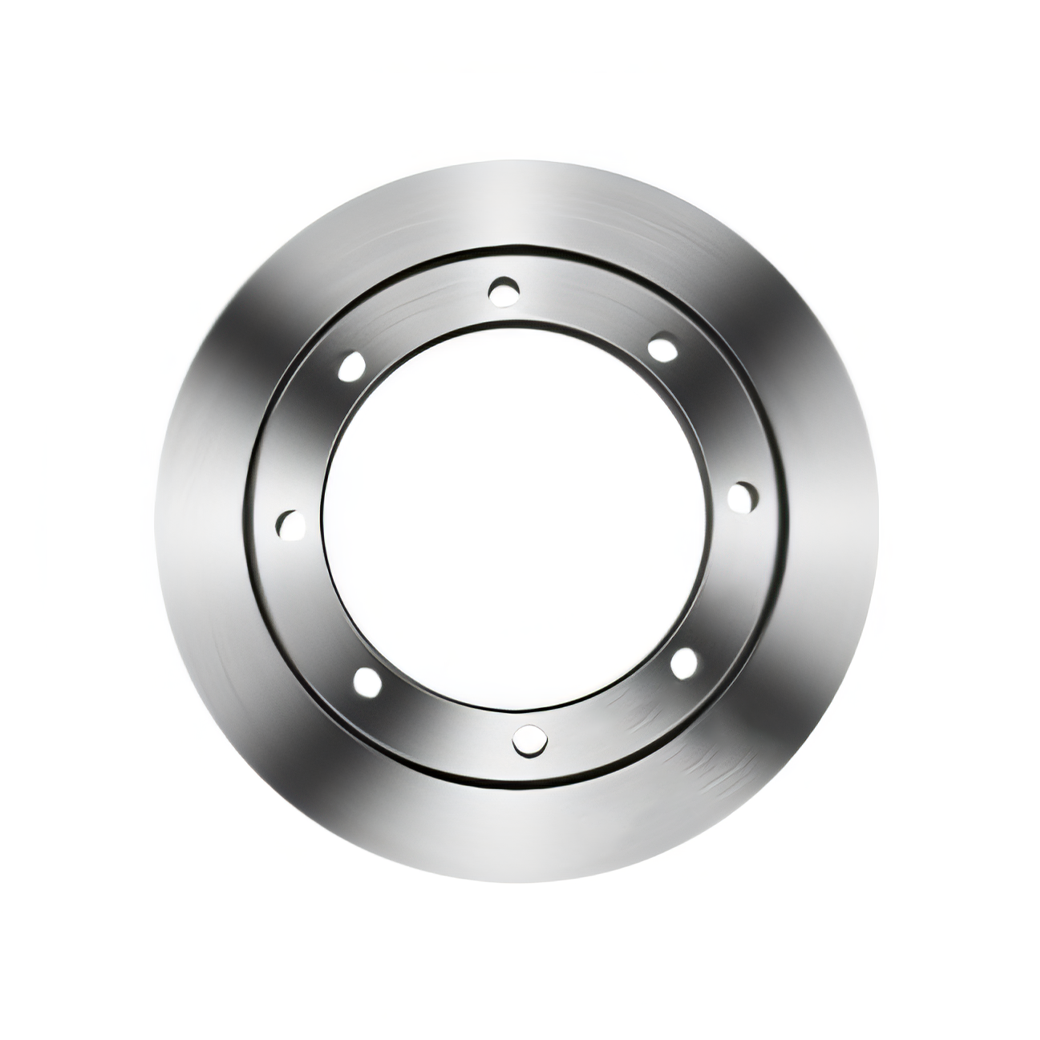
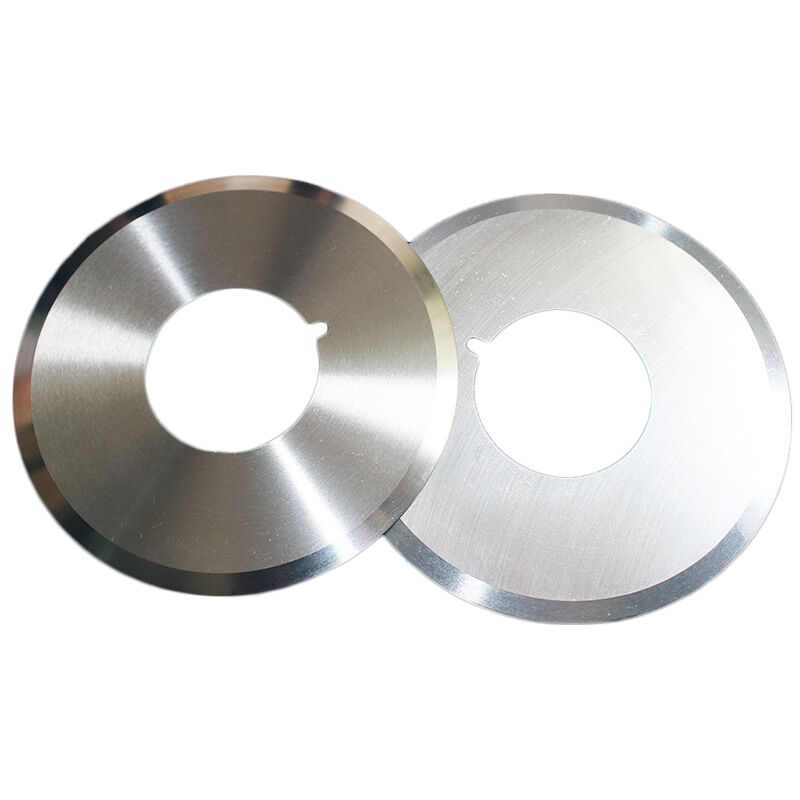
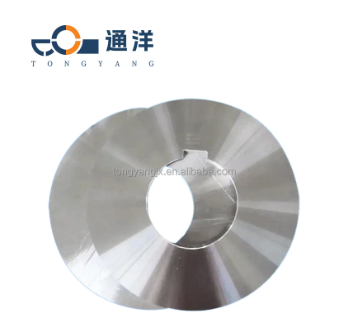
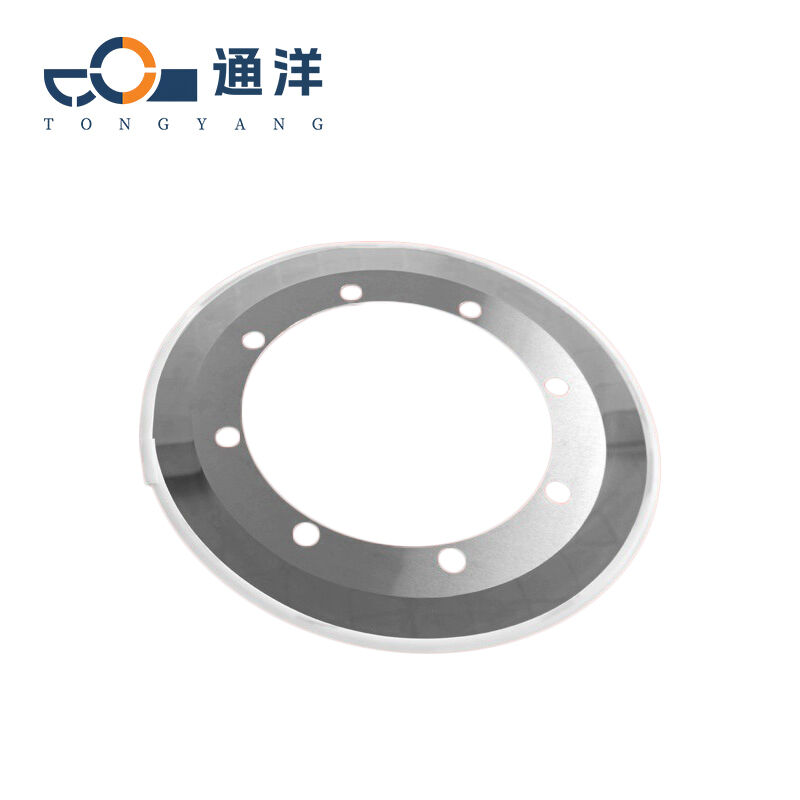
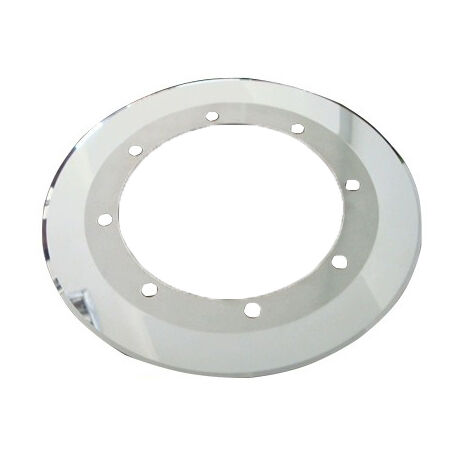
The high-speed steel cardboard blade represents a cutting-edge solution designed specifically for processing corrugated cardboard, paperboard, and various packaging materials with exceptional precision and durability. Manufactured from premium high-speed steel alloy, this industrial cutting tool delivers superior performance in converting, slitting, trimming, and perforating operations across packaging production facilities, printing houses, and box manufacturing plants. The high-speed steel cardboard blade combines advanced metallurgical engineering with practical design elements to create a cutting instrument that withstands the demanding requirements of modern cardboard processing operations. Its main functions encompass clean cutting of single-wall and double-wall corrugated sheets, precise trimming of packaging materials, accurate scoring for folding applications, and consistent perforating for tear-away sections. The technological features of the high-speed steel cardboard blade include a specially formulated alloy composition that maintains edge sharpness significantly longer than conventional carbon steel alternatives, heat-treatment processes that enhance wear resistance and dimensional stability, and precision grinding techniques that ensure uniform cutting geometry along the entire blade length. The material composition typically incorporates tungsten, molybdenum, chromium, and vanadium elements that contribute to the blade's hardness ratings between 62-65 HRC, enabling it to retain its cutting edge through thousands of linear cutting meters. Applications for the high-speed steel cardboard blade span numerous industrial sectors, including corrugated box manufacturing where it processes shipping containers and retail packaging, commercial printing operations that require clean edge finishing on printed cardboard displays, die-cutting facilities producing custom shapes and designs, and automated packaging lines where consistent cutting quality directly impacts production efficiency. The blade's versatility extends to processing various cardboard weights from lightweight single-face corrugated to heavy-duty triple-wall industrial board, making the high-speed steel cardboard blade an indispensable component in modern packaging material processing equipment.

New Products

Choosing the high-speed steel cardboard blade for your production operations brings tangible benefits that directly impact your bottom line and operational efficiency. First and foremost, these blades dramatically reduce your replacement costs because they last substantially longer than traditional cutting tools. While standard blades might require changing after processing several thousand meters of cardboard, the high-speed steel cardboard blade maintains its sharpness through tens of thousands of meters, meaning you purchase fewer blades annually and spend less time on equipment downtime for blade changes. This extended service life translates to fewer production interruptions, allowing your operation to maintain consistent output levels and meet demanding delivery schedules without unexpected delays. The superior cutting quality delivered by the high-speed steel cardboard blade eliminates common production problems such as fuzzy edges, incomplete cuts, and cardboard delamination that often plague operations using inferior cutting tools. Clean, precise cuts mean fewer rejected products, reduced material waste, and higher customer satisfaction with finished packaging quality. Your maintenance team will appreciate how the high-speed steel cardboard blade simplifies their workflow, as these blades require less frequent adjustments and maintain consistent cutting depth throughout their service life, reducing the specialized technical knowledge needed for optimal equipment operation. The heat resistance inherent in high-speed steel construction prevents the blade from dulling quickly during continuous high-volume production runs, even when processing abrasive recycled cardboard materials that contain contaminants. This characteristic proves particularly valuable in operations running multiple shifts where blade performance must remain stable across extended production periods. From a safety perspective, the high-speed steel cardboard blade reduces workplace risks because operators handle blade changes less frequently, decreasing exposure to sharp cutting edges and minimizing injury potential. The dimensional stability of these blades means they resist warping and bending under operational stress, maintaining proper alignment within cutting equipment and preventing the dangerous blade failures that sometimes occur with lower-quality alternatives. Economic advantages extend beyond initial blade costs to encompass total cost of ownership, where reduced downtime, lower waste rates, decreased maintenance labor, and improved product quality combine to deliver substantial savings over fiscal quarters and annual budgets. Production managers consistently report that upgrading to the high-speed steel cardboard blade allows their facilities to accept more challenging projects involving heavier board grades or tighter tolerance specifications that were previously declined due to equipment limitations, effectively expanding business opportunities and revenue potential without capital equipment investments.

Tips And Tricks

How to Extend Your Cutting Blade Life: Pro Tips

25

Mar

How to Extend Your Cutting Blade Life: Pro Tips

Maximizing the lifespan of your cutting blade is essential for maintaining operational efficiency and reducing replacement costs in any professional environment. Whether you work in manufacturing, printing, packaging, or crafts, understanding proper ...
View More
How to Choose the Perfect Rubber Cutting Knife

25

Mar

How to Choose the Perfect Rubber Cutting Knife

In industrial manufacturing and crafting applications, selecting the right cutting tool can significantly impact productivity, precision, and safety. A rubber cutting knife serves as an essential instrument for professionals working with various rubb...
View More
Common Slitter Blades Problems and Solutions

30

Mar

Common Slitter Blades Problems and Solutions

Manufacturing operations that rely on slitter blades face a variety of challenges that can significantly impact production efficiency, material quality, and operational costs. Understanding the most common problems associated with slitter blades and ...
View More
Metal Cutting Blade Types: Complete Comparison Guide

30

Apr

Metal Cutting Blade Types: Complete Comparison Guide

Selecting the appropriate metal cutting blade for industrial applications requires understanding the distinct characteristics, capabilities, and optimal use cases of each blade type available in the market. Metal fabrication professionals face consta...
View More

Get a Free Quote

Our representative will contact you soon.
Email
WhatsApp
Name
Company Name
Message
0/1000

high-speed steel cardboard blade

Exceptional Edge Retention Through Advanced Metallurgy

Exceptional Edge Retention Through Advanced Metallurgy

The high-speed steel cardboard blade achieves its remarkable edge retention capabilities through sophisticated metallurgical engineering that fundamentally distinguishes it from conventional cutting tools. The blade's composition incorporates carefully balanced proportions of tungsten, molybdenum, chromium, vanadium, and cobalt alloying elements that work synergistically to create a microstructure capable of withstanding the abrasive nature of cardboard fibers and recycled paper content. During manufacturing, the high-speed steel cardboard blade undergoes multiple heat treatment cycles that transform its crystalline structure, creating extremely hard carbide particles distributed throughout a tough, resilient matrix that resists chipping and fracturing. This dual-phase microstructure provides the seemingly contradictory properties of exceptional hardness at the cutting edge while maintaining overall blade toughness that prevents catastrophic failure during operation. The practical significance for production facilities becomes evident when comparing blade life cycles, where a high-speed steel cardboard blade might process three to five times more linear meters than carbon steel alternatives before requiring replacement. This extended service interval directly reduces operational costs through decreased blade purchases, fewer machine stoppages for blade changes, and reduced labor hours devoted to maintenance activities. Furthermore, the consistent cutting performance throughout the blade's service life means that product quality remains uniform from the first cut to the final cut before replacement, eliminating the gradual quality degradation that operators often accommodate when using inferior blades. The edge retention advantage becomes particularly pronounced when processing challenging materials such as heavily recycled cardboard containing synthetic fibers, adhesive residues, or mineral fillers that rapidly dull conventional blades. Manufacturing facilities processing these difficult materials find that the high-speed steel cardboard blade maintains acceptable cutting quality where other blade types fail prematurely, enabling them to utilize more economical raw materials without sacrificing production efficiency. The molecular-level engineering that enables superior edge retention also contributes to improved dimensional accuracy, as the blade maintains its precise geometry rather than experiencing the micro-deformation that gradually affects softer blade materials, ensuring that cutting dimensions remain within specification throughout extended production runs.
Optimized Cutting Geometry for Clean Cardboard Processing

Optimized Cutting Geometry for Clean Cardboard Processing

The cutting geometry engineered into each high-speed steel cardboard blade represents years of research into the specific challenges of processing fibrous, layered materials like corrugated cardboard and paperboard. Unlike general-purpose cutting tools, the high-speed steel cardboard blade features carefully calculated edge angles, bevel configurations, and surface treatments optimized specifically for cardboard's unique material properties. The primary cutting edge typically incorporates a precise angle between 20 and 30 degrees, chosen to cleanly sever cardboard fibers rather than tearing or crushing them, which produces the clean edges essential for professional packaging appearance and proper box assembly. The blade's cross-sectional profile includes subtle relief angles behind the cutting edge that reduce friction during the cutting stroke, minimizing heat generation that could otherwise cause premature dulling or produce burn marks on finished products. Surface finishing processes applied to the high-speed steel cardboard blade create micro-smooth surfaces that further reduce friction and prevent fiber buildup along the blade face, a common problem that degrades cutting quality and requires frequent cleaning when using poorly finished blades. This attention to cutting geometry delivers multiple practical advantages for production operations, starting with significantly reduced cutting forces required to process materials, which translates to lower energy consumption by drive motors and reduced mechanical stress on machinery components, extending equipment service life. Operators immediately notice how the optimized geometry of the high-speed steel cardboard blade produces less dust and fiber debris during cutting operations, contributing to cleaner working environments and reducing housekeeping requirements around production equipment. The clean cutting action enabled by proper geometry proves especially critical when processing printed cardboard, where ragged edges could expose inner corrugation layers and create unsightly white edges on finished products with printed exteriors. Box manufacturers appreciate how the high-speed steel cardboard blade's geometry enables precise scoring operations that create clean fold lines without completely penetrating the material, essential for producing boxes that fold reliably during automated assembly processes. The blade geometry also accommodates the varying densities encountered when cutting through corrugated cardboard's alternating layers of liner board and fluted medium, maintaining consistent cutting action rather than deflecting or chattering as it transitions between harder and softer material zones. This geometric optimization extends to the blade's thickness profile, engineered to provide necessary structural rigidity while minimizing the kerf width to reduce material waste, particularly important when processing expensive specialty cardboards or when cutting nested patterns where efficient material utilization directly impacts production costs.
Versatile Performance Across Diverse Production Environments

Versatile Performance Across Diverse Production Environments

The high-speed steel cardboard blade demonstrates remarkable versatility that makes it suitable for an extensive range of production environments, from small commercial printing shops to large-scale corrugated box manufacturing facilities operating continuous production lines. This adaptability stems from the blade's fundamental material properties and manufacturing quality that enable consistent performance across varying operating conditions, equipment types, and material specifications. Small operations benefit from the high-speed steel cardboard blade's ability to deliver professional-quality results without requiring specialized technical expertise or sophisticated monitoring equipment, as the blade's inherent quality compensates for the minor setup variations that might occur in shops without dedicated maintenance personnel. Conversely, high-volume manufacturers appreciate how the same blade technology scales effectively to demanding continuous-duty applications, maintaining performance stability through extended production runs that would quickly overwhelm lesser cutting tools. The high-speed steel cardboard blade adapts effectively to different cutting methods, whether installed in rotary cutting heads, reciprocating knife assemblies, guillotine cutters, or specialized die-cutting equipment, providing equipment manufacturers and end users with a reliable cutting solution regardless of their specific machinery configuration. This cross-platform compatibility simplifies inventory management for operations maintaining multiple equipment types, as a single blade specification can serve various machines rather than requiring separate blade inventories for each equipment model. Material versatility represents another crucial advantage, with the high-speed steel cardboard blade processing everything from lightweight single-face corrugated used for protective wrapping to heavy-duty triple-wall board employed in industrial shipping containers, eliminating the need to stock different blade types for different material weights. The blade's performance remains consistent across the full range of cardboard types, including virgin fiber board, recycled content materials, wax-coated moisture-resistant grades, and specialty products incorporating plastic or foil laminations that pose challenges for conventional cutting tools. Production managers value how this versatility enables them to accept diverse customer orders without concerns about whether their cutting equipment can handle specific material requirements, effectively expanding their addressable market opportunities. Environmental adaptability further distinguishes the high-speed steel cardboard blade, as it maintains performance in facilities with varying climate control, from temperature-controlled clean rooms to industrial environments with seasonal temperature fluctuations and ambient dust conditions. The blade's corrosion-resistant properties ensure reliable performance even in humid coastal regions or facilities processing moisture-laden materials, preventing the rust formation that compromises cutting edges and dimensional accuracy in carbon steel alternatives. This comprehensive versatility ultimately provides production facilities with operational flexibility, enabling them to respond quickly to changing customer demands, process special orders without equipment modifications, and maintain consistent quality standards regardless of the specific materials or production volumes required.

Get a Free Quote

Our representative will contact you soon.
Email
WhatsApp
Name
Company Name
Message
0/1000
Newsletter
Please Leave A Message With Us