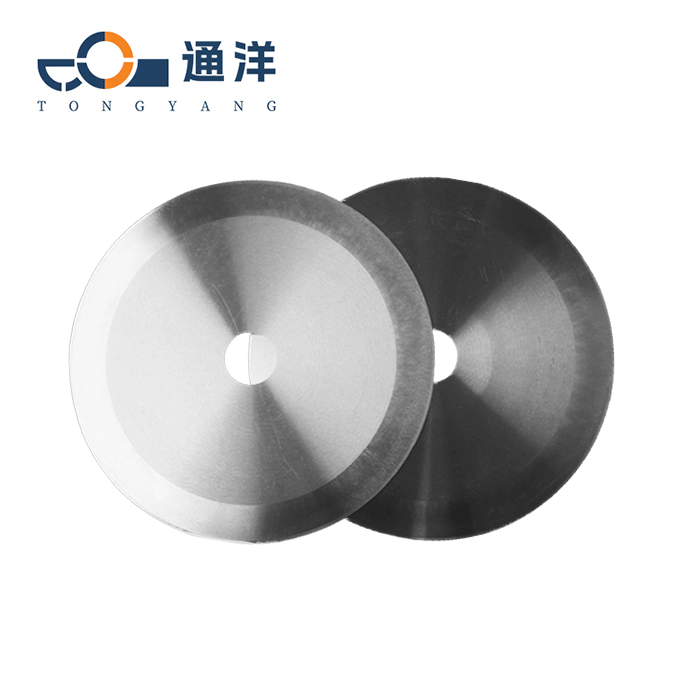
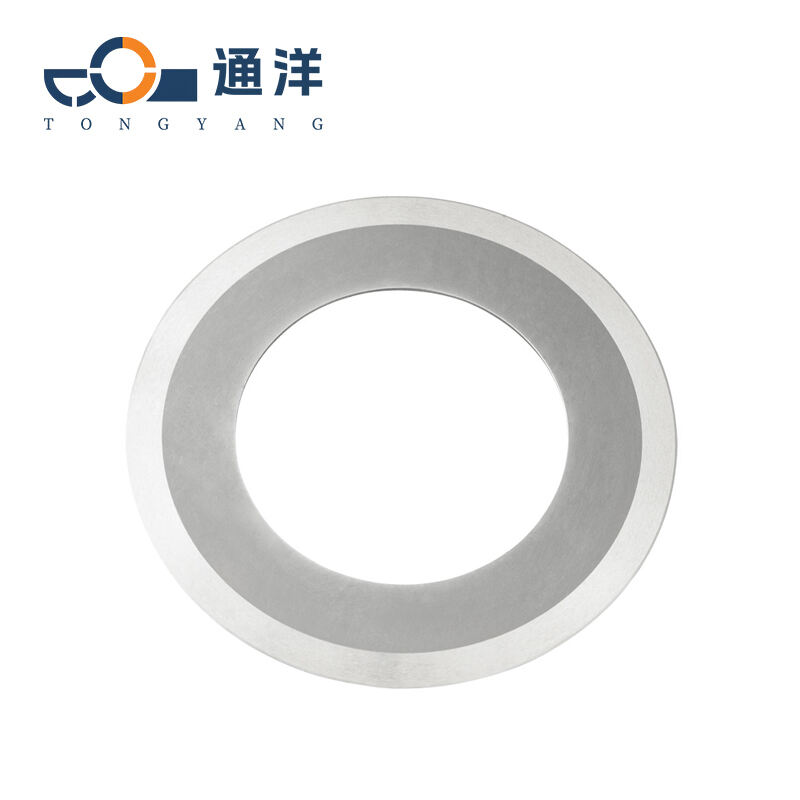
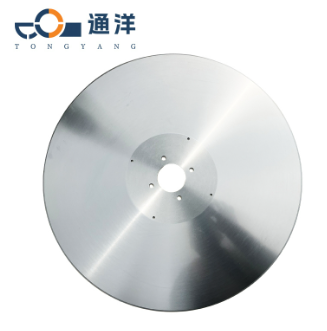
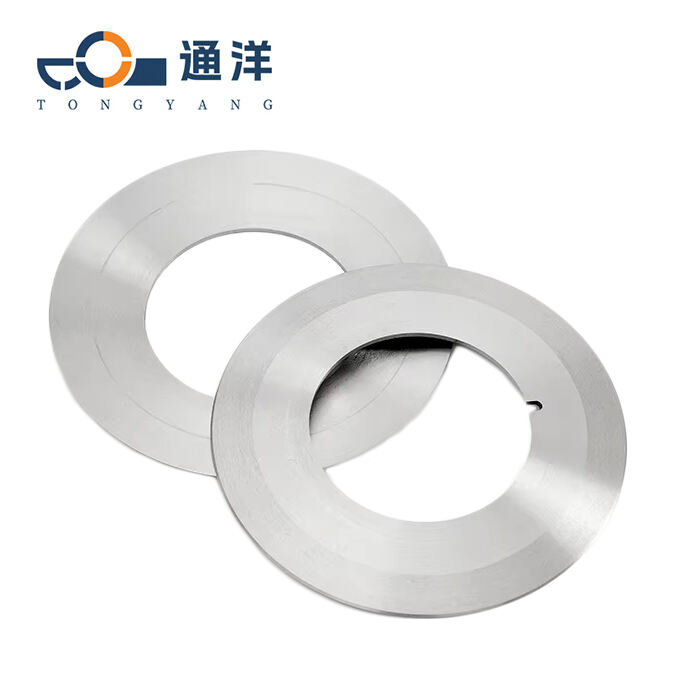
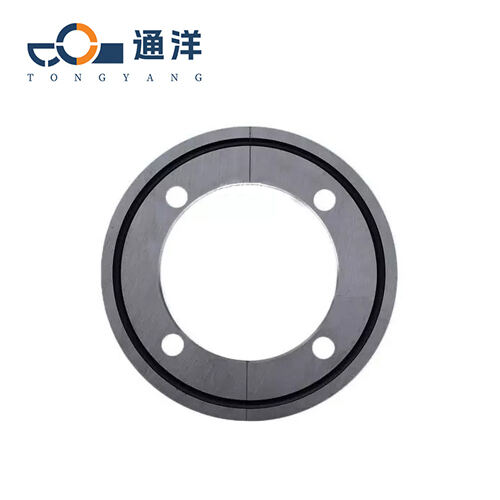
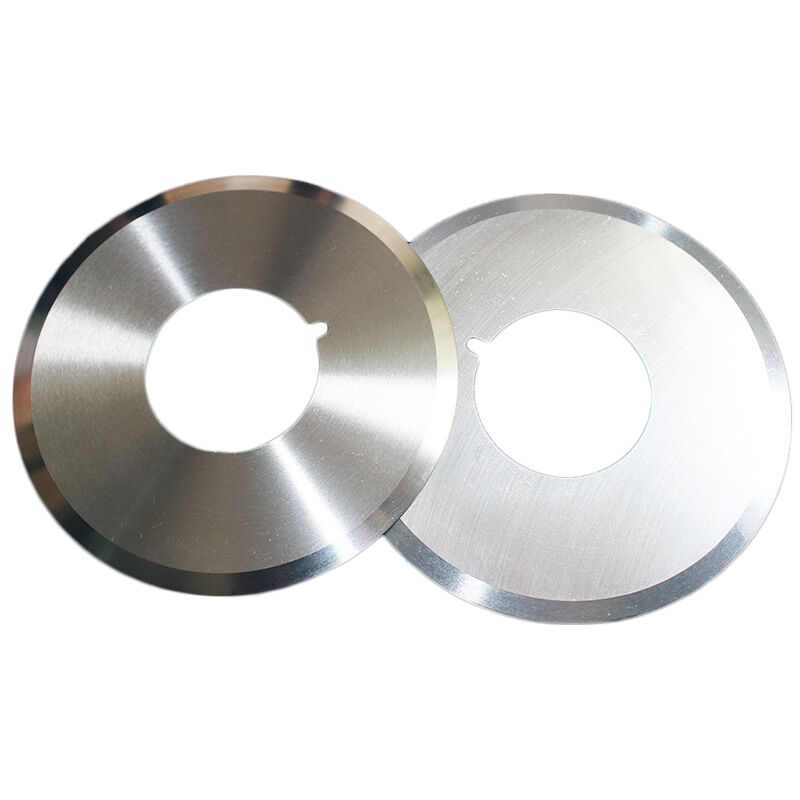
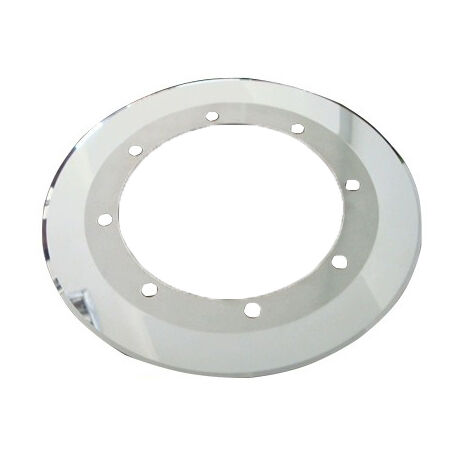
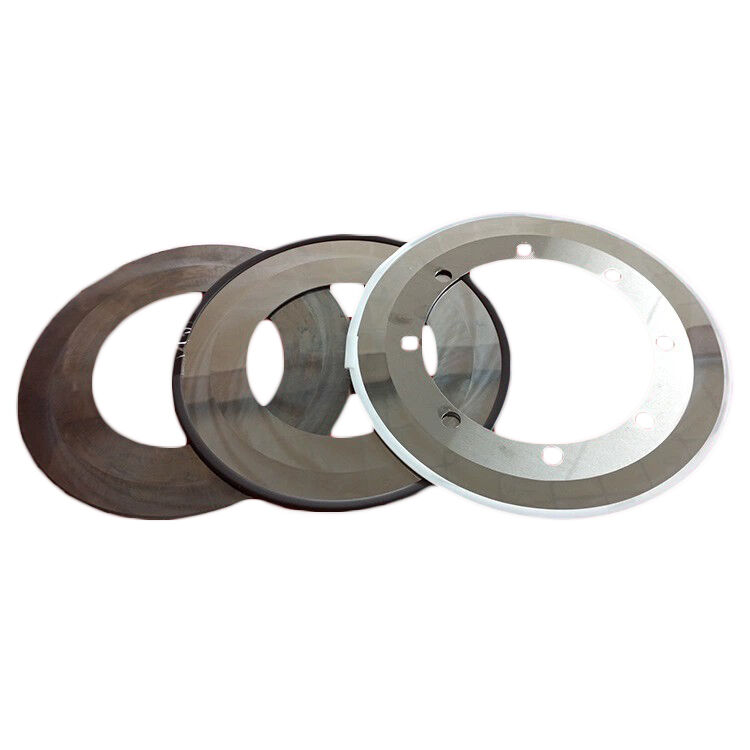
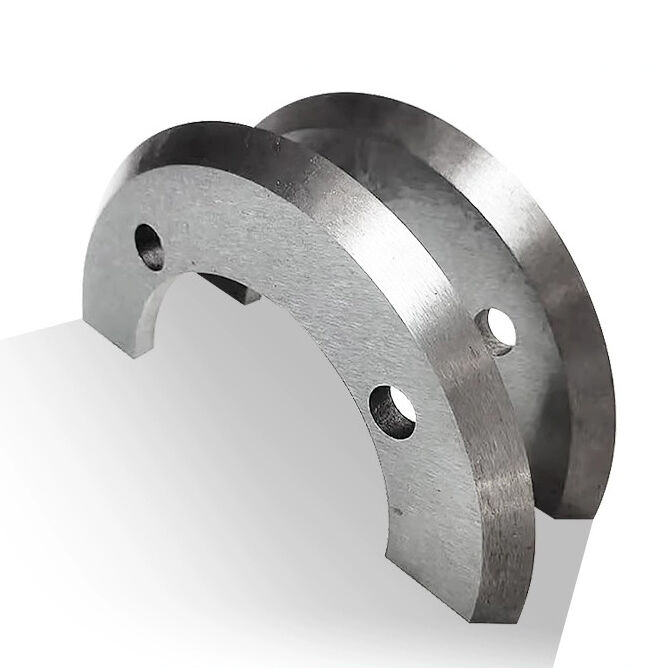
custom corrugated cardboard blade
The custom corrugated cardboard blade represents a specialized cutting tool engineered specifically for the packaging and converting industry. This precision instrument is designed to slice through corrugated cardboard materials with exceptional accuracy and consistency, making it an essential component in manufacturing operations that produce boxes, packaging solutions, and other corrugated products. The custom corrugated cardboard blade features a carefully crafted edge geometry that accommodates the unique structural characteristics of corrugated materials, including the fluted medium layer sandwiched between flat linerboards. These blades are manufactured using high-grade steel alloys that undergo specialized heat treatment processes to achieve optimal hardness levels, typically ranging between 58 and 62 on the Rockwell C scale. This hardness ensures the blade maintains its sharp cutting edge throughout extended production runs while resisting wear from the abrasive nature of cardboard fibers. The customization aspect allows manufacturers to specify exact dimensions, edge angles, thickness parameters, and mounting configurations to match their particular cutting equipment and production requirements. Modern custom corrugated cardboard blades incorporate advanced metallurgical compositions that balance hardness with toughness, preventing catastrophic blade failure while maintaining cutting performance. The technological features include precision grinding techniques that create micro-smooth edge surfaces, reducing friction during the cutting process and extending blade life. Applications span across corrugated box manufacturing plants, packaging converters, printing facilities, and distribution centers where corrugated materials require precise cutting, trimming, scoring, or slitting operations. These blades work seamlessly with rotary cutters, guillotine systems, die-cutting presses, and automated converting machinery. The custom corrugated cardboard blade serves critical functions in maintaining production efficiency, ensuring clean edge quality on finished products, minimizing material waste, and reducing downtime associated with blade changes and maintenance intervals.
 EN
EN