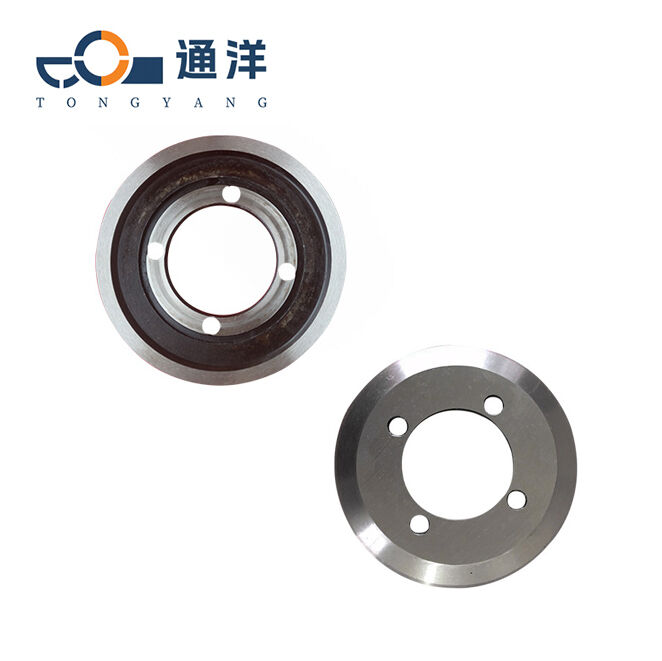
Versatile Leather Material Compatibility for Diverse Projects
The best cricut blade for cutting leather demonstrates remarkable versatility in handling diverse leather types and related materials, expanding your creative possibilities far beyond single-material limitations. This blade successfully cuts genuine full-grain leather, which represents the highest quality leather grade with dense fiber structure and natural surface characteristics. It equally excels with top-grain leather, which features a slightly thinner profile and more uniform appearance after light surface processing. Chrome-tanned leather, known for its softness and flexibility, cuts cleanly without stretching or distorting, while vegetable-tanned leather, preferred for tooling and carving applications, maintains its firm structure during the cutting process. The blade's capabilities extend to specialty leather materials including suede, with its delicate napped surface that requires gentle handling to prevent fiber damage. Nubuck leather, featuring a finely sanded surface texture, cuts without catching or pulling that could mar its distinctive appearance. For budget-conscious crafters and those seeking animal-friendly alternatives, the best cricut blade for cutting leather performs exceptionally well with high-quality faux leather and vegan leather alternatives. These synthetic materials, often constructed from polyurethane or polyvinyl chloride backing, present different cutting challenges than genuine leather, but the blade's engineered design accommodates their unique properties. Cork leather, an increasingly popular sustainable material combining cork veneer with fabric backing, cuts cleanly without crumbling or separating layers. Bonded leather, manufactured from leather scraps combined with binding agents, benefits from the blade's clean cutting action that prevents edge separation common with manual cutting methods. This material versatility means you invest in a single blade that serves multiple project types rather than maintaining separate tools for different leather grades. The blade also handles leather paper, a thin composite material popular for card making and scrapbooking, plus leather fabric combinations used in mixed-media projects. Thickness capacity up to 2.4 millimeters accommodates everything from delicate garment leather to sturdy belt-weight material, giving you freedom to explore various leather working techniques and product categories without equipment limitations constraining your creativity.
 EN
EN