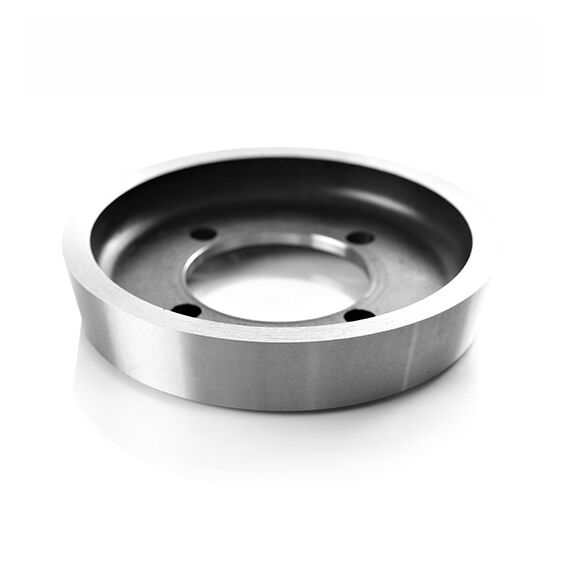
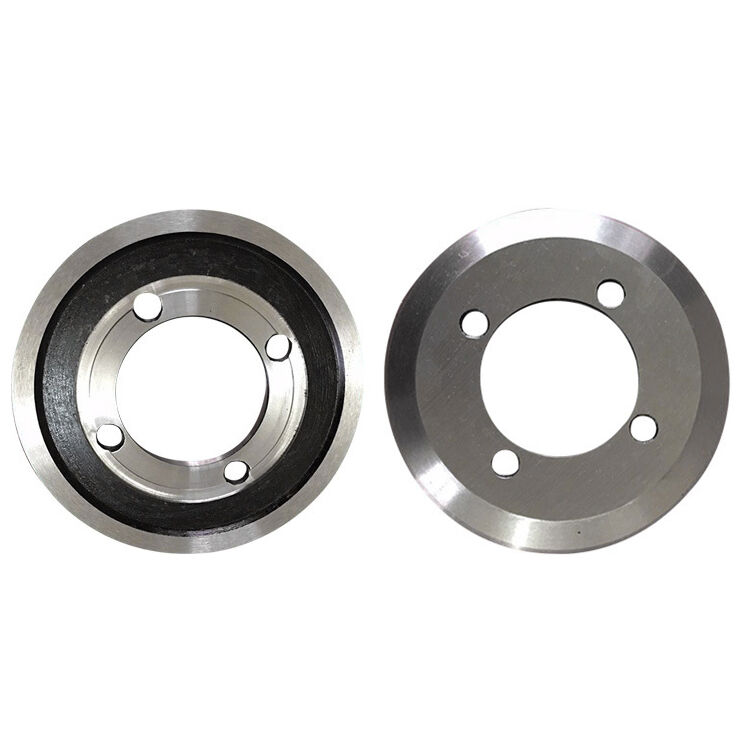
Professional Leather Splitting Blade - Precision Cutting Tools for Superior Leather Processing

All Categories

Get a Free Quote

Our representative will contact you soon.
Email
WhatsApp
Name
Company Name
Message
0/1000

leather splitting blade

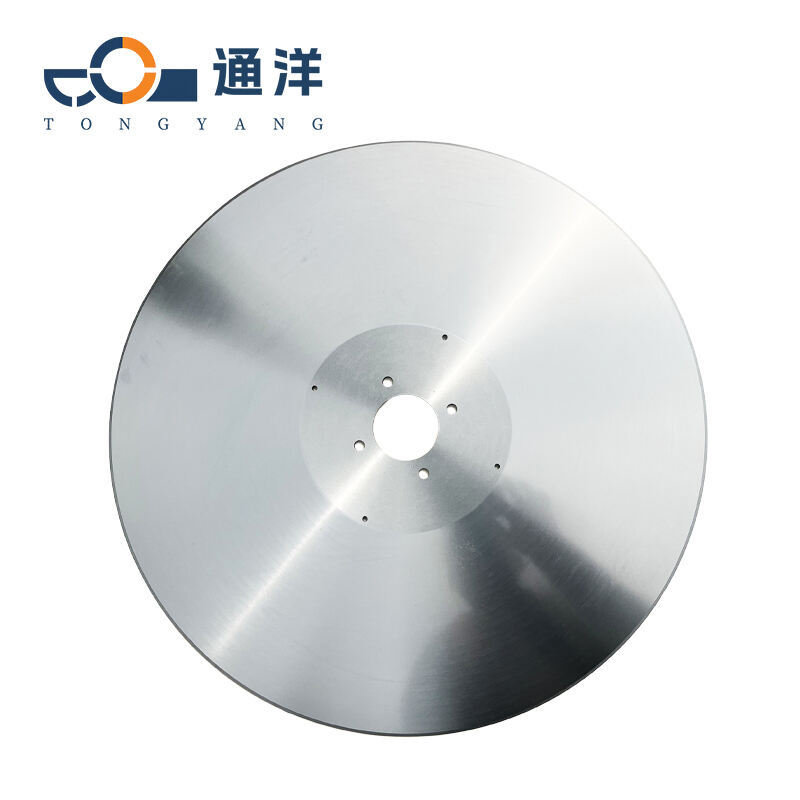
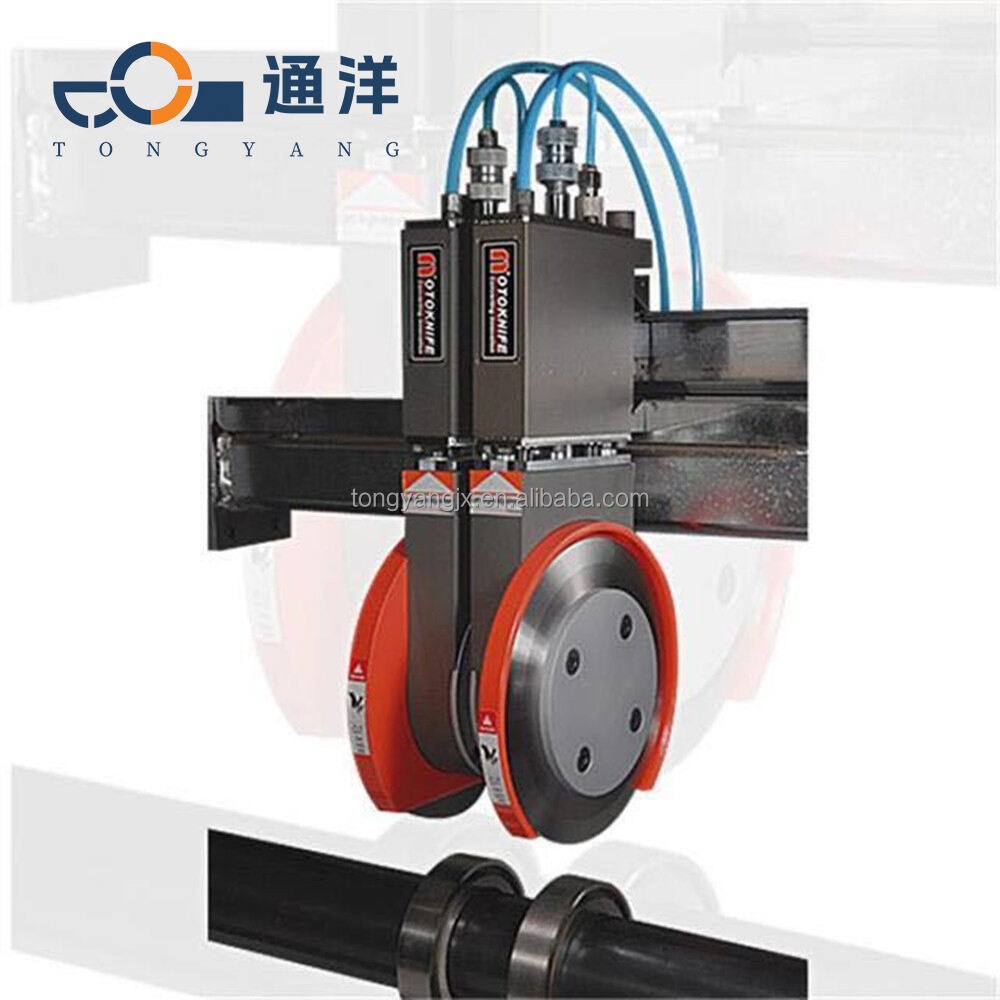
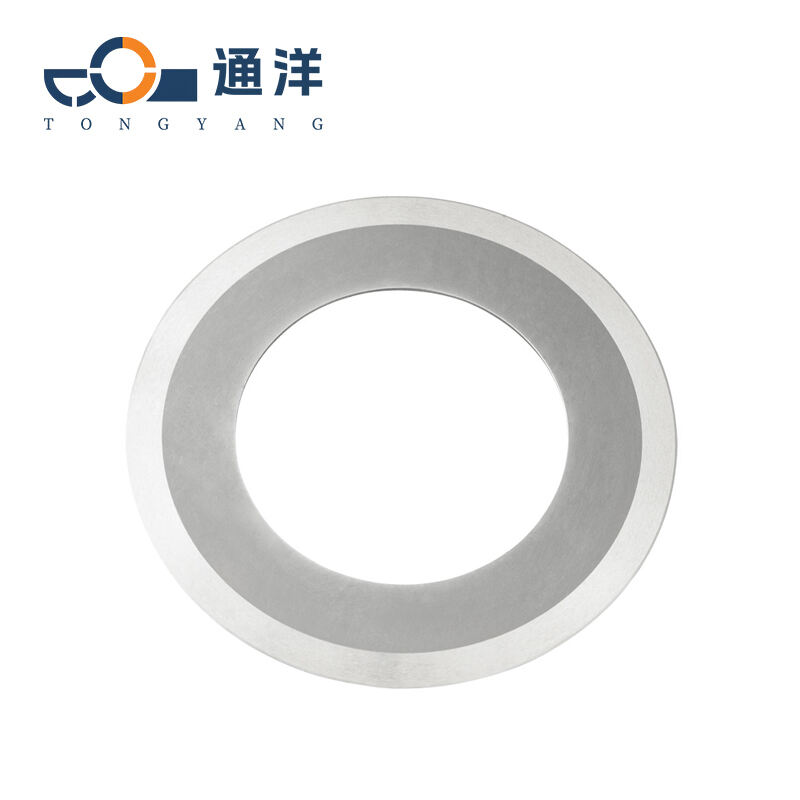
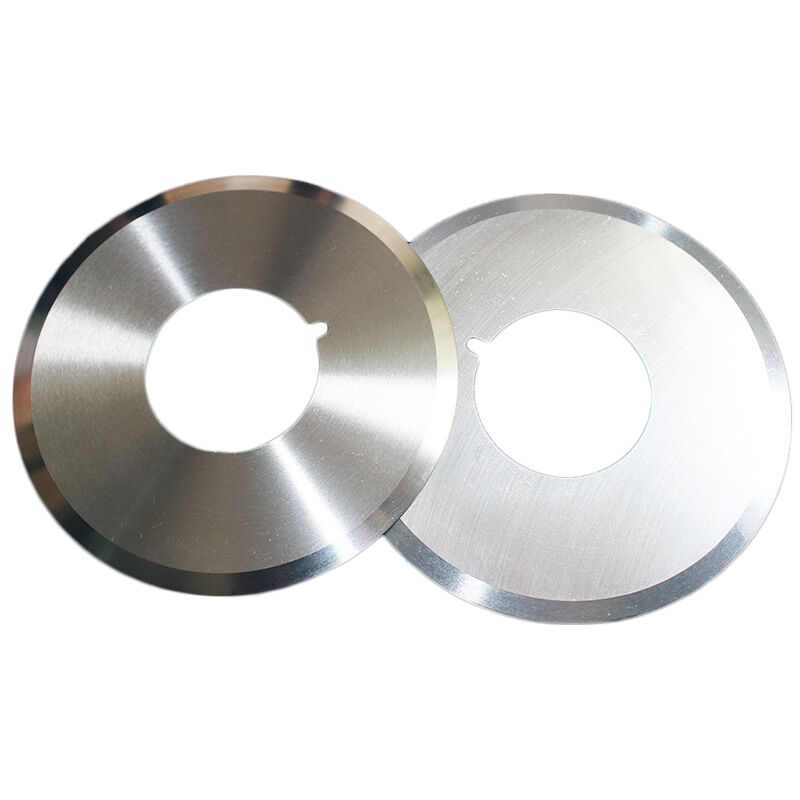
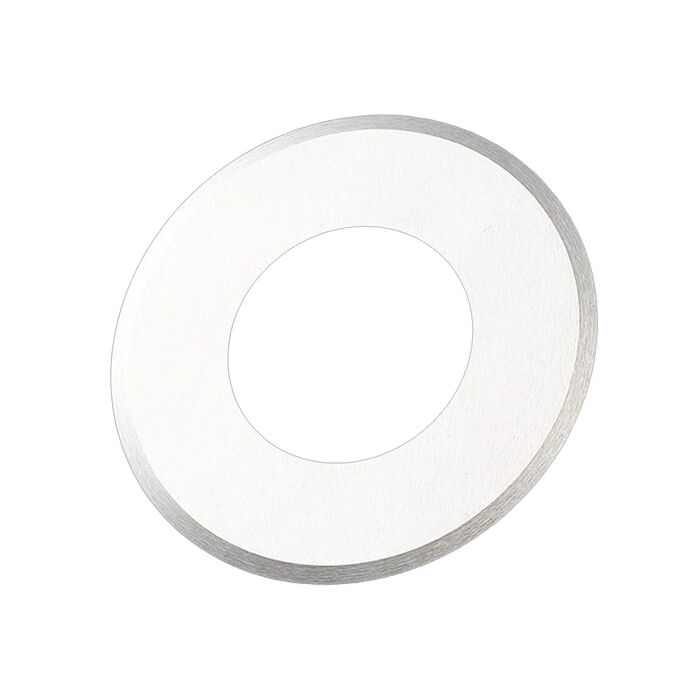
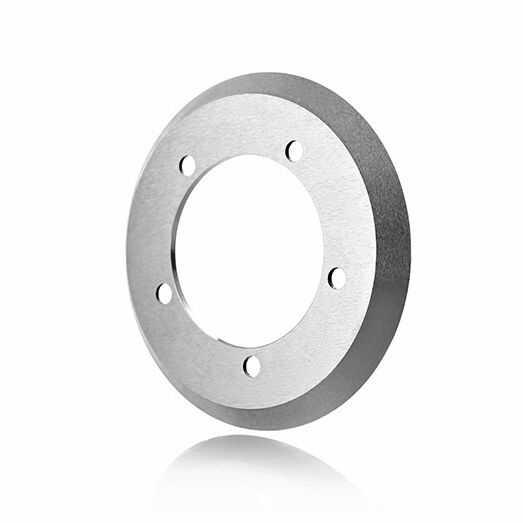
The leather splitting blade represents an essential cutting tool designed specifically for the leather processing industry, enabling manufacturers and craftsmen to achieve precise thickness reduction in various leather materials. This specialized blade operates within leather splitting machines to divide thick leather hides into thinner, more manageable layers with exceptional accuracy and consistency. The primary function of a leather splitting blade involves creating uniform thickness across entire leather surfaces, which proves critical for producing high-quality leather goods ranging from garments and upholstery to footwear and accessories. Modern leather splitting blade technology incorporates advanced metallurgy and precision engineering to deliver sharp, durable cutting edges that maintain their effectiveness throughout extended production runs. The blade's design features carefully calculated angles and profiles that facilitate smooth penetration through dense leather fibers without causing tears, distortions, or uneven surfaces. Technological innovations in leather splitting blade manufacturing include the use of high-carbon steel alloys, specialized heat treatment processes, and precision grinding techniques that enhance edge retention and cutting performance. These blades typically feature specific geometric configurations optimized for different leather types, whether processing delicate lamb skin or robust cowhide. The application scope of leather splitting blade technology extends across numerous sectors including automotive interiors, furniture manufacturing, fashion accessories, footwear production, and luxury goods creation. Professional tanneries rely on these blades to maximize material utilization by splitting single thick hides into multiple usable layers, thereby improving cost efficiency and reducing waste. The leather splitting blade's versatility allows operators to adjust cutting depths according to specific project requirements, accommodating thickness specifications ranging from ultra-thin lining materials to moderately thick structural components. Regular maintenance and proper blade selection ensure optimal performance, extended service life, and consistent output quality that meets demanding industry standards for leather processing operations worldwide.

New Product Recommendations

Investing in a quality leather splitting blade delivers substantial practical benefits that directly impact your production efficiency and bottom line. First and foremost, these specialized blades enable you to transform expensive raw leather materials into multiple usable layers, effectively multiplying your inventory from single hides and maximizing return on material investments. This splitting capability means you can purchase thicker, often more economically priced hides and create your own custom thickness specifications rather than paying premium prices for pre-split materials. The precision cutting action of a well-maintained leather splitting blade ensures consistent thickness throughout entire hides, eliminating the frustrating variations that lead to product rejection and wasted materials. This uniformity proves particularly valuable when producing items requiring exact specifications such as watch straps, wallets, or upholstery panels where inconsistent thickness creates visible quality issues. The sharp, properly designed cutting edge reduces the physical effort required during operation, allowing workers to process more material with less fatigue while maintaining safety standards. Modern leather splitting blade designs incorporate features that minimize friction and heat generation during cutting, which prevents damage to delicate leather fibers and preserves the natural characteristics that make leather valuable. Users benefit from reduced production time as efficient blades cut smoothly through materials without requiring multiple passes or constant adjustments. The durability engineered into quality leather splitting blade construction translates to longer intervals between blade changes, reducing downtime and maintenance costs while keeping production lines moving consistently. These blades adapt to various leather types including vegetable-tanned, chrome-tanned, and specialty finishes without requiring complete equipment changes, providing flexibility for businesses handling diverse product lines. The clean cuts produced by precision leather splitting blade technology eliminate the need for extensive secondary finishing operations, saving labor hours and accelerating order fulfillment timelines. Economic advantages extend beyond direct material savings as consistent splitting quality reduces customer complaints, returns, and reputation damage associated with inferior products. Workshop safety improves when using properly maintained blades because sharp edges require less force and provide better control compared to dull or damaged cutting surfaces. Environmental benefits emerge as efficient splitting allows complete utilization of leather materials, minimizing waste sent to disposal and supporting sustainable manufacturing practices. The leather splitting blade ultimately represents a foundational tool that separates professional operations from amateur efforts, enabling businesses to compete effectively on quality, consistency, and cost efficiency in demanding leather goods markets.

Tips And Tricks

Industrial Circular Knife Applications: Complete Overview

25

Mar

Industrial Circular Knife Applications: Complete Overview

Industrial cutting operations rely heavily on precision tools that deliver consistent results across diverse manufacturing environments. The circular knife stands as one of the most versatile and essential cutting implements in modern industrial appl...
View More
Common Slitter Blades Problems and Solutions

30

Mar

Common Slitter Blades Problems and Solutions

Manufacturing operations that rely on slitter blades face a variety of challenges that can significantly impact production efficiency, material quality, and operational costs. Understanding the most common problems associated with slitter blades and ...
View More
Choosing the Best Circular Knife for Fabric Cutting

30

Mar

Choosing the Best Circular Knife for Fabric Cutting

Selecting the right circular knife for fabric cutting represents one of the most critical decisions in textile manufacturing and processing operations. The precision, efficiency, and quality of your fabric cutting directly impacts production costs, m...
View More
Leather Cutting Blade Maintenance: Essential Tips

30

Apr

Leather Cutting Blade Maintenance: Essential Tips

Proper maintenance of your leather cutting blade directly determines the quality of your cuts, the longevity of your equipment, and the efficiency of your production workflow. Whether you operate a small leather workshop or manage a large-scale manuf...
View More

Get a Free Quote

Our representative will contact you soon.
Email
WhatsApp
Name
Company Name
Message
0/1000

leather splitting blade

Superior Edge Retention Technology for Extended Production Runs

Superior Edge Retention Technology for Extended Production Runs

The leather splitting blade's most compelling feature lies in its advanced edge retention technology, which fundamentally changes how leather processing facilities approach production scheduling and maintenance planning. Unlike conventional cutting tools that dull rapidly under the stress of processing fibrous leather materials, these specialized blades incorporate sophisticated metallurgical engineering that maintains sharp cutting performance across thousands of linear meters of material. The secret behind this exceptional durability resides in the precise combination of high-carbon steel alloys, specialized heat treatment protocols, and precision grinding techniques that create a cutting edge with superior hardness while maintaining necessary flexibility to prevent brittle fracture. This technological advancement means production managers can schedule longer uninterrupted runs without planning for frequent blade changes that halt operations and require skilled technician intervention. The molecular structure achieved through controlled heating and cooling cycles creates a blade surface that resists the abrasive wear caused by natural minerals, tanning chemicals, and dense fiber bundles present in leather materials. This extended edge life translates directly into measurable cost savings as facilities purchase fewer replacement blades annually while simultaneously reducing labor expenses associated with changeover procedures. Workers benefit from consistent cutting performance throughout the blade's service life rather than experiencing gradual degradation that compromises cut quality and requires compensation through machine adjustments. The leather splitting blade's edge retention capabilities prove particularly valuable when processing challenging materials such as vegetable-tanned leather or exotic skins that quickly destroy inferior cutting tools. Quality control becomes more predictable as blade performance remains stable across production batches, eliminating the thickness variations that occur when dull edges compress rather than cleanly cut through leather fibers. Maintenance personnel appreciate the extended service intervals that allow them to focus on preventive care rather than constant emergency blade replacements that disrupt production schedules. The environmental impact of superior edge retention extends beyond operational efficiency as fewer discarded blades reduce industrial waste while the energy invested in manufacturing replacement components decreases proportionally. This feature positions the leather splitting blade as an intelligent investment for forward-thinking operations seeking to optimize both immediate production economics and long-term sustainability objectives in competitive leather processing markets.
Precision Thickness Control for Consistent Quality Output

Precision Thickness Control for Consistent Quality Output

Achieving precise thickness control stands as a critical requirement in professional leather processing, and the leather splitting blade delivers this capability through carefully engineered geometric design and manufacturing precision that ensures uniform material removal across entire hide surfaces. This precision begins with the blade's profile configuration, where microscopic angles and surface finishes are calculated to maintain consistent cutting depth regardless of variations in leather density, fiber orientation, or moisture content that naturally occur within animal hides. The engineering excellence embedded in each leather splitting blade enables operators to set specific thickness targets with confidence that finished materials will meet exact specifications required by downstream manufacturing processes. This reliability proves essential for companies producing leather goods where component compatibility depends on precise dimensional control, such as multi-layer wallets, layered footwear components, or upholstery applications requiring seamless appearance across large surface areas. The blade's ability to maintain consistent cutting depth eliminates the frustrating scenario where thickness varies between the center and edges of hides, a common problem with inferior tools that wastes premium material and increases rejection rates. Manufacturing facilities benefit from reduced quality control burdens as the leather splitting blade's precision minimizes the sampling and measurement activities needed to verify thickness compliance throughout production runs. This consistency extends to the surface finish produced during splitting, where the blade's optimized geometry creates smooth surfaces that require minimal additional processing before moving to subsequent production stages. Operators working with the leather splitting blade discover they can confidently process expensive exotic leathers and specialty materials knowing the tool will deliver predictable results without the trial-and-error waste that plagues less sophisticated cutting solutions. The economic implications of precision thickness control ripple throughout operations as consistent materials feed smoothly through automated manufacturing equipment, reducing jams, adjustments, and defects that increase production costs. Customer satisfaction improves measurably when finished products exhibit the uniform appearance and performance characteristics only achievable through precise material preparation enabled by quality leather splitting blade technology. Training new operators becomes simpler as the blade's inherent precision reduces the skill threshold required to achieve acceptable results, allowing facilities to maintain productivity even when experienced workers are unavailable. The leather splitting blade's precision capabilities ultimately provide a competitive advantage in markets where quality differentiation determines success, enabling manufacturers to command premium pricing while maintaining efficiency standards that protect profit margins in cost-sensitive leather goods industries.
Versatile Material Compatibility Across Diverse Leather Types

Versatile Material Compatibility Across Diverse Leather Types

The leather splitting blade's exceptional versatility in handling diverse material types represents a significant operational advantage for businesses processing varied leather goods or serving multiple market segments with distinct material requirements. This adaptability stems from sophisticated design considerations that balance competing performance factors such as edge sharpness, blade flexibility, and wear resistance to create a tool capable of processing everything from delicate garment leather measuring barely one millimeter thick to robust upholstery hides exceeding six millimeters in original thickness. The metallurgical composition selected for quality leather splitting blade manufacturing provides the hardness necessary to cut through dense, fiber-rich materials like vegetable-tanned leather while retaining sufficient toughness to resist chipping when encountering the mineral deposits and density variations inherent in natural hides. This material flexibility eliminates the need for maintaining extensive blade inventories dedicated to specific leather types, simplifying procurement, storage, and operator training while reducing capital tied up in specialized tooling. Processing facilities working with chrome-tanned, vegetable-tanned, combination-tanned, and specialty finished leathers discover they can transition between material types without workflow interruptions for blade changes, maintaining production momentum and meeting tight delivery schedules. The leather splitting blade performs equally well on exotic materials including ostrich, alligator, and python skins that challenge conventional cutting tools with their unique structural characteristics and high material costs that make processing errors particularly expensive. This versatility extends to handling leathers in various moisture conditions, from freshly tanned materials with elevated water content to fully dried and finished hides, adapting to the processing sequences preferred by different manufacturing operations. Furniture manufacturers appreciate how the same leather splitting blade efficiently processes the large-format upholstery hides they purchase in volume while also handling the smaller specialty pieces required for decorative accents and detail work. Footwear producers benefit from using consistent tooling across their diverse material requirements, from supple lining leathers to structural components requiring different thickness specifications within single shoe constructions. The leather splitting blade's compatibility with both natural and synthetic leather materials expands its utility as markets increasingly incorporate sustainable and innovative material alternatives alongside traditional options. Maintenance simplicity improves when operations standardize on versatile leather splitting blade solutions rather than managing multiple specialized cutting tools with distinct sharpening requirements, adjustment protocols, and performance characteristics. This versatility translates into strategic flexibility allowing businesses to pursue new market opportunities and accept custom projects without worrying whether their cutting capabilities can accommodate unusual material specifications or processing requirements that might otherwise require significant capital investment in additional equipment.

Get a Free Quote

Our representative will contact you soon.
Email
WhatsApp
Name
Company Name
Message
0/1000
Newsletter
Please Leave A Message With Us