Industrial Leather Cutting Blade - Precision Tools for Professional Manufacturing Excellence

All Categories

Get a Free Quote

Our representative will contact you soon.
Email
WhatsApp
Name
Company Name
Message
0/1000

industrial leather cutting blade

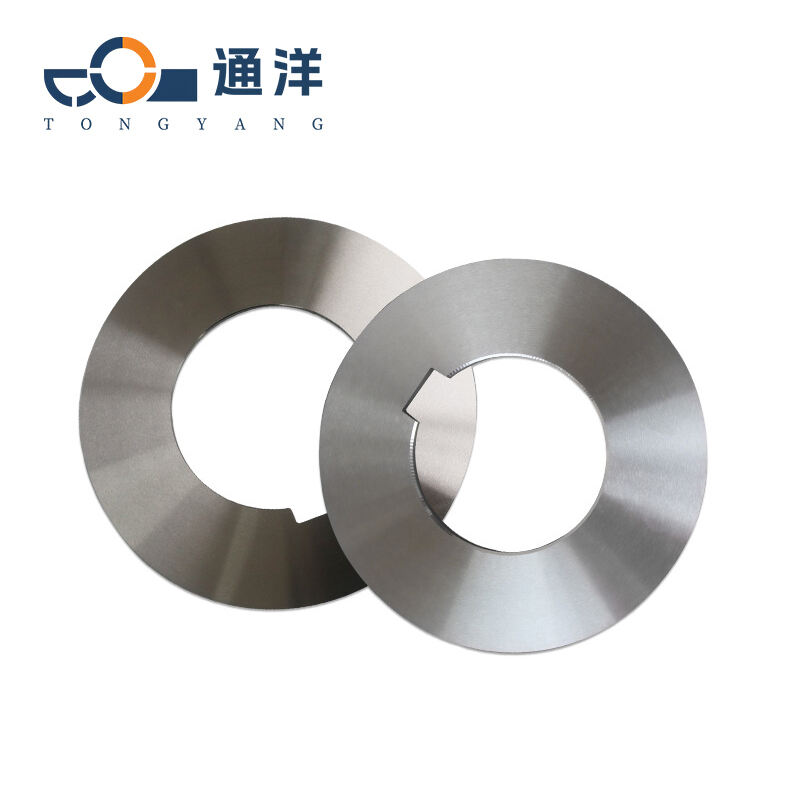
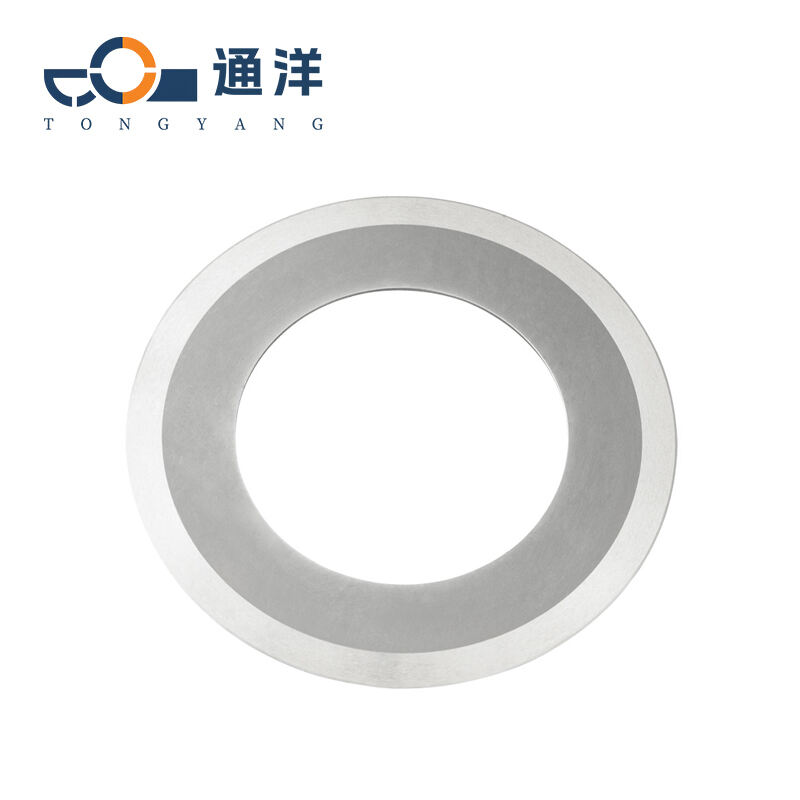
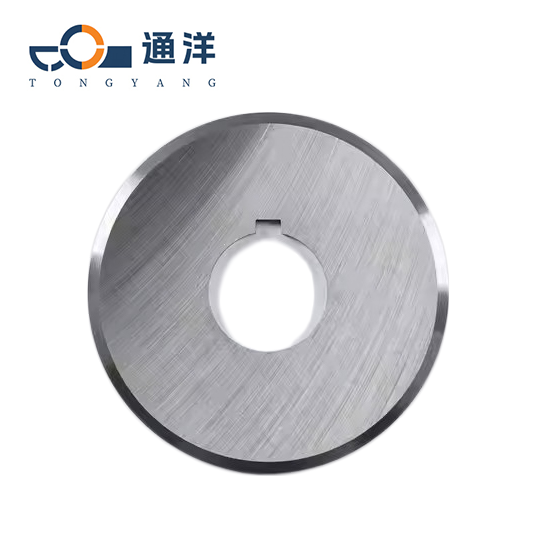
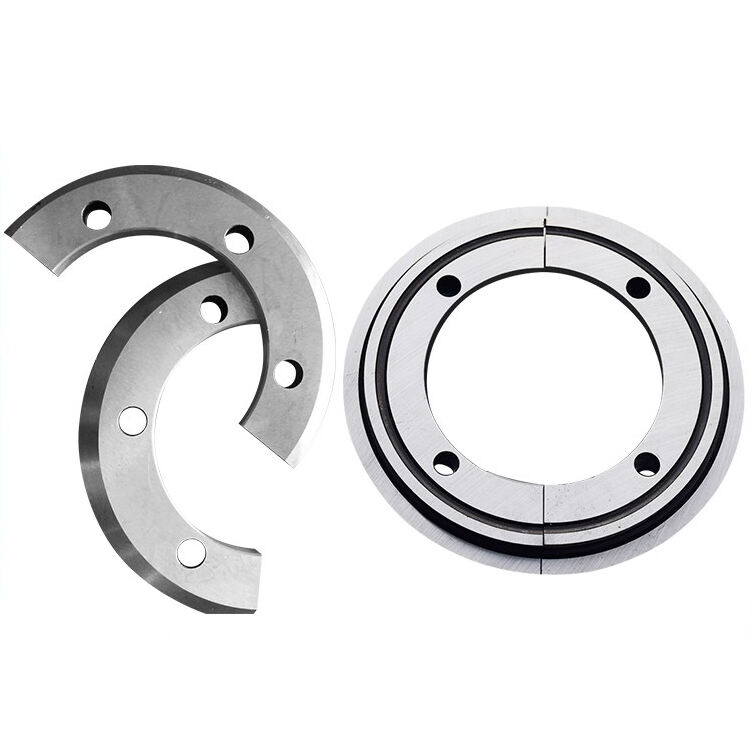
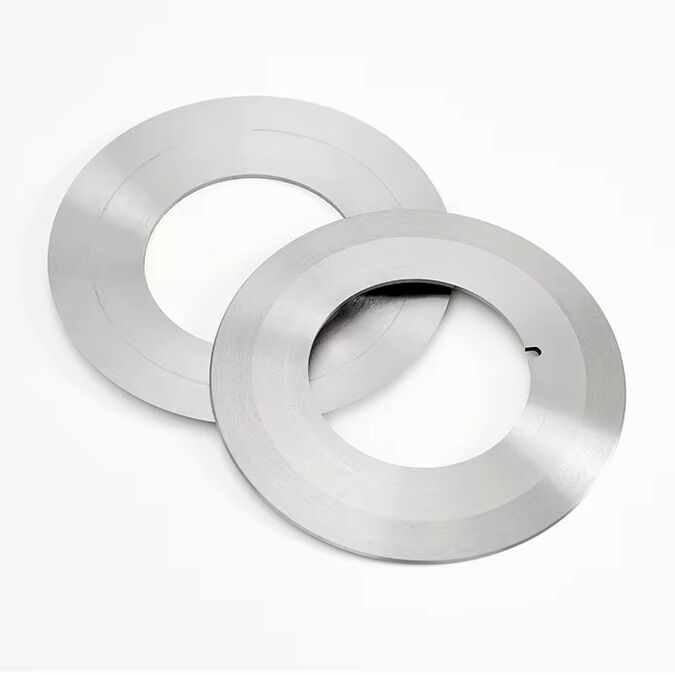
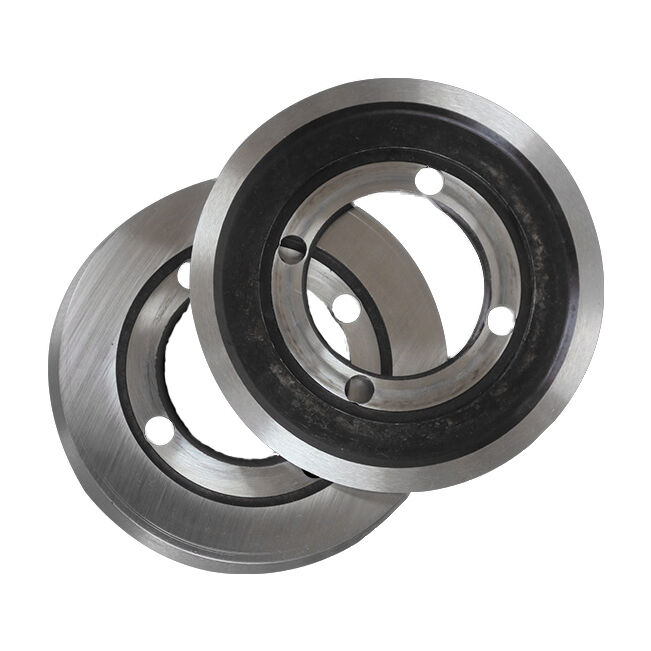
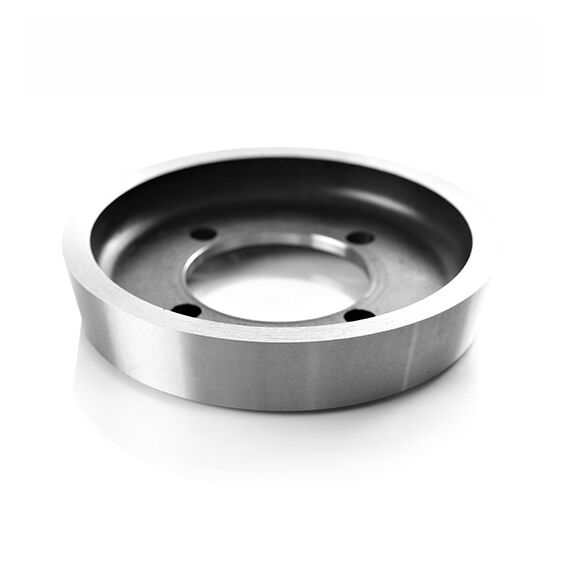
The industrial leather cutting blade represents a critical component in modern manufacturing environments where precision and efficiency are paramount. These specialized blades are engineered specifically for cutting various types of leather materials, from delicate suede to thick full-grain hides used in furniture, automotive, footwear, and fashion industries. An industrial leather cutting blade is designed with razor-sharp edges that maintain their sharpness over extended periods, ensuring consistent cutting quality across thousands of operations. The main function of these blades is to deliver clean, accurate cuts that minimize material waste and reduce the need for secondary finishing processes. Technologically, these blades incorporate advanced metallurgy, typically utilizing high-carbon steel, tungsten carbide, or specialized alloy compositions that provide exceptional hardness and wear resistance. Many industrial leather cutting blade models feature precision-ground edges that can achieve tolerances measured in fractions of a millimeter, which is essential when working with expensive leather materials where every square inch matters. The geometric design of the blade, including its angle, bevel, and edge profile, is carefully calculated to match specific cutting applications and leather types. Some advanced industrial leather cutting blade variants include coatings such as titanium nitride or diamond-like carbon that further extend blade life and reduce friction during cutting operations. These blades are compatible with various cutting systems, including rotary cutters, straight knife machines, die-cutting presses, and automated CNC cutting tables. The versatility of the industrial leather cutting blade makes it indispensable across multiple sectors, from small artisan workshops to large-scale manufacturing facilities. Applications range from cutting patterns for handbags and wallets to producing automotive seat covers and upholstery components. The proper selection of an industrial leather cutting blade depends on factors such as leather thickness, density, material composition, cutting speed requirements, and production volume, making it essential for manufacturers to understand the specific characteristics of their blade options to optimize their cutting operations.

New Products

Investing in a quality industrial leather cutting blade delivers substantial benefits that directly impact your bottom line and operational efficiency. First and foremost, these blades dramatically reduce material waste by producing cleaner cuts with minimal edge fraying or tearing, which means you get more usable products from each hide and maximize your material investment. When you consider that leather is one of the most expensive raw materials in manufacturing, even a small percentage reduction in waste translates to significant cost savings over time. The precision offered by an industrial leather cutting blade ensures that each piece is cut to exact specifications, reducing the rejection rate and eliminating the need for costly rework or secondary trimming operations. Another major advantage is the exceptional durability these blades provide, as they maintain their cutting performance through thousands of operations before requiring sharpening or replacement, which minimizes downtime and keeps your production lines running smoothly. This extended blade life also reduces the frequency of blade changes, which not only saves money on replacement costs but also reduces the labor hours spent on maintenance activities. The consistent cutting quality delivered by an industrial leather cutting blade means your finished products maintain uniform appearance and quality, which strengthens your brand reputation and customer satisfaction. Speed is another critical benefit, as these blades are engineered to cut efficiently at higher speeds without compromising accuracy, enabling you to increase throughput and meet demanding production schedules without sacrificing quality. The reduced friction and optimized blade geometry also mean that cutting machines require less power to operate, contributing to lower energy costs throughout your facility. Safety is significantly improved when using a properly designed industrial leather cutting blade, as the precision engineering reduces the likelihood of blade deflection, breakage, or unexpected behavior during operation, protecting your operators from potential injuries. The versatility of these blades allows you to work with various leather types and thicknesses without constantly switching equipment, streamlining your workflow and reducing setup time between different production runs. Many industrial leather cutting blade options are designed for easy installation and removal, meaning your operators can quickly change blades when needed without specialized tools or extensive training. The clean cuts produced by these blades also reduce strain on your cutting equipment, as the machinery does not need to force its way through material, which extends the life of your entire cutting system and reduces maintenance costs on motors, bearings, and other mechanical components. Ultimately, the right industrial leather cutting blade transforms your cutting operation from a potential bottleneck into a smooth, efficient process that enhances your competitive position in the marketplace.

Tips And Tricks

How to Choose the Right Circular Knife for Your Cutting Application

25

Mar

How to Choose the Right Circular Knife for Your Cutting Application

Selecting the appropriate cutting tool for industrial applications can significantly impact productivity, product quality, and operational costs. Among the various cutting instruments available in manufacturing environments, the circular knife stands...
View More
Industrial Corrugated Cardboard Cutting Blade Selection Tips

25

Mar

Industrial Corrugated Cardboard Cutting Blade Selection Tips

Selecting the right cutting blade for corrugated cardboard processing operations represents a critical decision that directly impacts production efficiency, product quality, and operational costs. Industrial facilities handling large volumes of corru...
View More
Maximizing ROI with Quality Corrugated Cardboard Cutting Blade

25

Mar

Maximizing ROI with Quality Corrugated Cardboard Cutting Blade

In today's competitive packaging industry, maximizing return on investment requires strategic investments in high-quality equipment and tools. The efficiency of your corrugated cardboard production line directly impacts your bottom line, and selectin...
View More
Leather Cutting Blade Maintenance: Essential Tips

30

Apr

Leather Cutting Blade Maintenance: Essential Tips

Proper maintenance of your leather cutting blade directly determines the quality of your cuts, the longevity of your equipment, and the efficiency of your production workflow. Whether you operate a small leather workshop or manage a large-scale manuf...
View More

Get a Free Quote

Our representative will contact you soon.
Email
WhatsApp
Name
Company Name
Message
0/1000

industrial leather cutting blade

Unmatched Precision Engineering for Zero-Defect Production

Unmatched Precision Engineering for Zero-Defect Production

The precision engineering behind every industrial leather cutting blade sets it apart as an essential tool for manufacturers who refuse to compromise on quality. Each blade undergoes meticulous manufacturing processes that control every aspect of its geometry, from the exact angle of the cutting edge to the microscopic surface finish that determines how smoothly it glides through leather. This attention to detail results in cuts that are exceptionally clean and accurate, with edges so smooth they often require no additional finishing work. The industrial leather cutting blade achieves this precision through advanced grinding techniques that can create edge tolerances measured in microns, ensuring that every cut matches your specifications exactly. This level of accuracy is particularly crucial when producing items that require multiple pieces to fit together perfectly, such as leather goods with intricate stitching patterns or automotive interiors where panels must align seamlessly. The blade geometry is optimized through computer modeling and real-world testing to find the perfect balance between sharpness, strength, and longevity. Unlike generic cutting tools, an industrial leather cutting blade is specifically designed to handle the unique characteristics of leather, including its varying density, fiber orientation, and tendency to stretch during cutting. The precision extends beyond just the cutting edge to include the entire blade body, which must be perfectly flat and balanced to prevent vibration or deflection during high-speed operation. This stability ensures that the blade follows its intended cutting path without deviation, even when processing thick or tough leather materials. Manufacturers benefit from this precision through dramatically reduced scrap rates, as fewer pieces are rejected due to dimensional inaccuracies or rough edges. The consistency provided by an industrial leather cutting blade also simplifies quality control processes, as operators can trust that each cut will meet standards without requiring extensive inspection. This reliability becomes especially valuable in high-volume production environments where even small variations can compound into significant problems. The precision engineering also contributes to longer blade life, as the optimized geometry distributes cutting forces evenly across the edge, preventing premature wear or chipping that would compromise cutting quality. For businesses focused on premium products, the industrial leather cutting blade provides the foundation for excellence, ensuring that every item leaving your facility reflects the highest standards of craftsmanship and attention to detail.
Advanced Material Science for Extended Operational Life

Advanced Material Science for Extended Operational Life

The exceptional durability of an industrial leather cutting blade stems from cutting-edge material science that combines specialized alloys, heat treatment processes, and surface engineering to create a tool that outperforms conventional alternatives by a substantial margin. These blades typically utilize high-carbon steel formulations that have been carefully balanced to provide both extreme hardness for edge retention and sufficient toughness to resist chipping or fracturing under the stresses of industrial use. The metallurgical composition is precisely controlled during manufacturing, with elements like chromium, vanadium, and molybdenum added in specific proportions to enhance performance characteristics. Following the initial forging or forming process, the industrial leather cutting blade undergoes sophisticated heat treatment procedures that transform its internal structure, creating a microstructure optimized for cutting performance. This heat treatment process involves heating the blade to exact temperatures and then cooling it at controlled rates to achieve the desired balance of hardness and toughness. Many premium industrial leather cutting blade products also receive cryogenic treatment, where the blade is cooled to extremely low temperatures to further refine the steel structure and improve wear resistance. Beyond the base material, advanced surface treatments add another layer of performance enhancement. Coatings such as titanium nitride create an ultra-hard surface layer that resists abrasion while also reducing friction, allowing the blade to cut more smoothly and with less force. Some industrial leather cutting blade variants utilize diamond-like carbon coatings that provide even greater hardness and lubricity, extending blade life in the most demanding applications. The result of these advanced materials and treatments is a blade that maintains its sharp edge through tens of thousands of cutting operations, far exceeding the lifespan of standard blades. This extended operational life translates directly into lower cost per cut, as you replace blades less frequently and spend less time on maintenance activities. The durability also ensures consistent cutting quality throughout the blade's service life, as the edge does not gradually degrade and produce progressively worse cuts. For manufacturers, this reliability means you can plan production schedules with confidence, knowing that blade performance will remain consistent and predictable. The industrial leather cutting blade represents a perfect example of how investing in superior materials and manufacturing processes delivers tangible returns through reduced operating costs and improved productivity.
Versatile Compatibility Across Multiple Cutting Systems and Applications

Versatile Compatibility Across Multiple Cutting Systems and Applications

One of the most valuable characteristics of a modern industrial leather cutting blade is its remarkable versatility, enabling manufacturers to use a single blade type across diverse cutting equipment and applications, which simplifies inventory management and reduces the complexity of production operations. These blades are engineered to integrate seamlessly with various cutting technologies, from traditional straight knife machines and rotary cutters to sophisticated CNC cutting tables and automated die-cutting presses. This compatibility is achieved through standardized mounting dimensions and attachment mechanisms that have become industry norms, ensuring that switching between different machines or upgrading equipment does not require completely changing your blade inventory. The industrial leather cutting blade adapts effectively to different cutting speeds and forces, maintaining its performance whether used in manual operations where speed is moderate or in high-speed automated systems that process hundreds of pieces per hour. This adaptability extends to the range of leather materials the blade can handle, from soft, thin leathers used in garment applications to thick, dense hides used for heavy-duty products like belts, saddles, and industrial components. The blade geometry and edge design allow it to cut cleanly through materials with varying characteristics without requiring constant adjustments or specialized settings. For businesses that work with multiple product lines or accept custom orders, this versatility is invaluable, as it eliminates the need to maintain separate cutting tools for different applications or to halt production while switching between blade types. The industrial leather cutting blade also performs effectively across different cutting techniques, including straight cuts, curved patterns, and intricate designs with tight radius corners. This flexibility supports creative design freedom, allowing manufacturers to produce complex shapes and patterns without being limited by their cutting tools. The blade works equally well in both wet and dry cutting environments, accommodating different production processes and material preparation methods. For facilities that process both natural leather and synthetic alternatives, the industrial leather cutting blade handles both material types effectively, providing consistent results regardless of the specific composition being cut. This versatility also extends to maintenance procedures, as most industrial leather cutting blade models can be sharpened using standard equipment and techniques, eliminating the need for specialized sharpening services or equipment. The ability to use one blade type across multiple applications reduces training requirements for operators, as they become familiar with a single tool rather than having to learn the characteristics and handling procedures for numerous specialized blades. This standardization also simplifies purchasing and inventory management, as you can maintain a smaller variety of blade types while still being prepared for any cutting challenge that arises. For growing businesses, the versatility of the industrial leather cutting blade provides scalability, as you can expand into new product categories or cutting techniques without investing in completely new tooling systems, making it easier to respond to market opportunities and customer demands.

Get a Free Quote

Our representative will contact you soon.
Email
WhatsApp
Name
Company Name
Message
0/1000
Newsletter
Please Leave A Message With Us