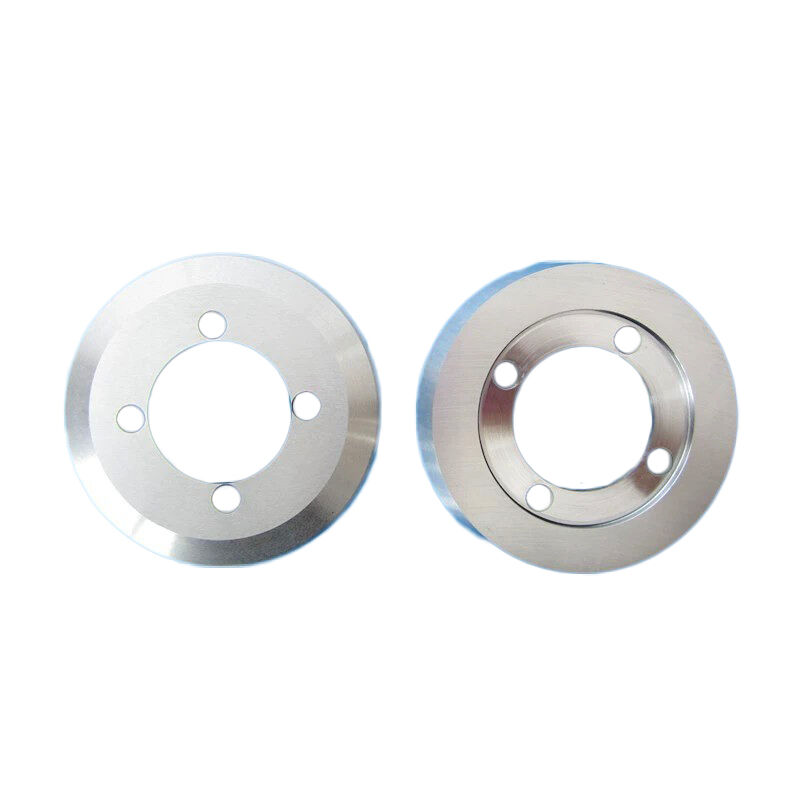
Professional Leather Cutting Blade Solutions - Precision Tools for Superior Leather Processing

All Categories

Get a Free Quote

Our representative will contact you soon.
Email
WhatsApp
Name
Company Name
Message
0/1000

leather cutting blade

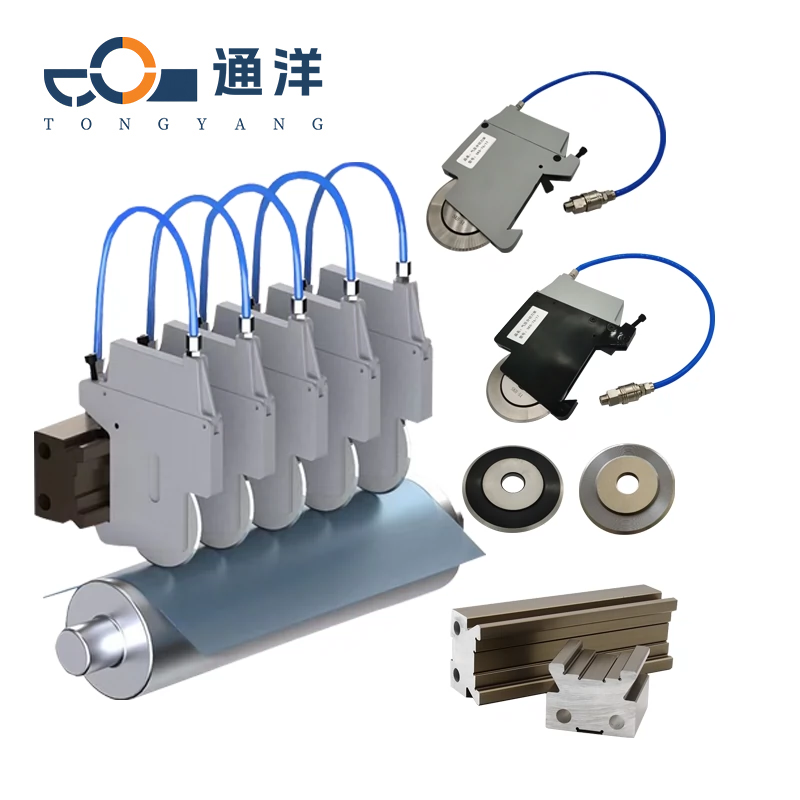
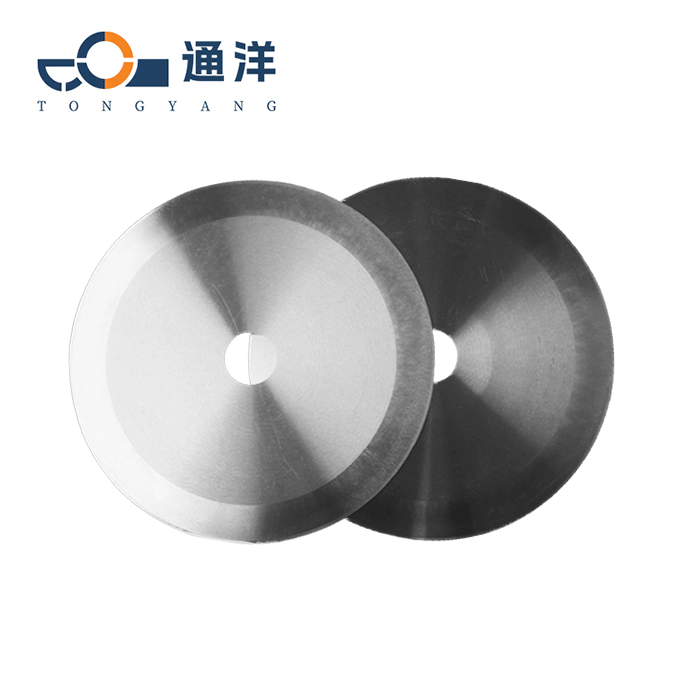
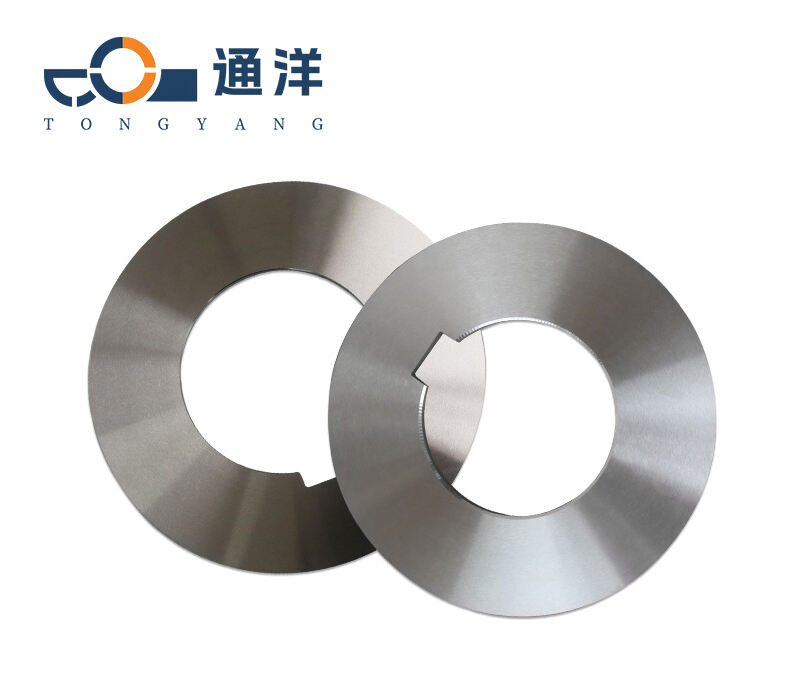
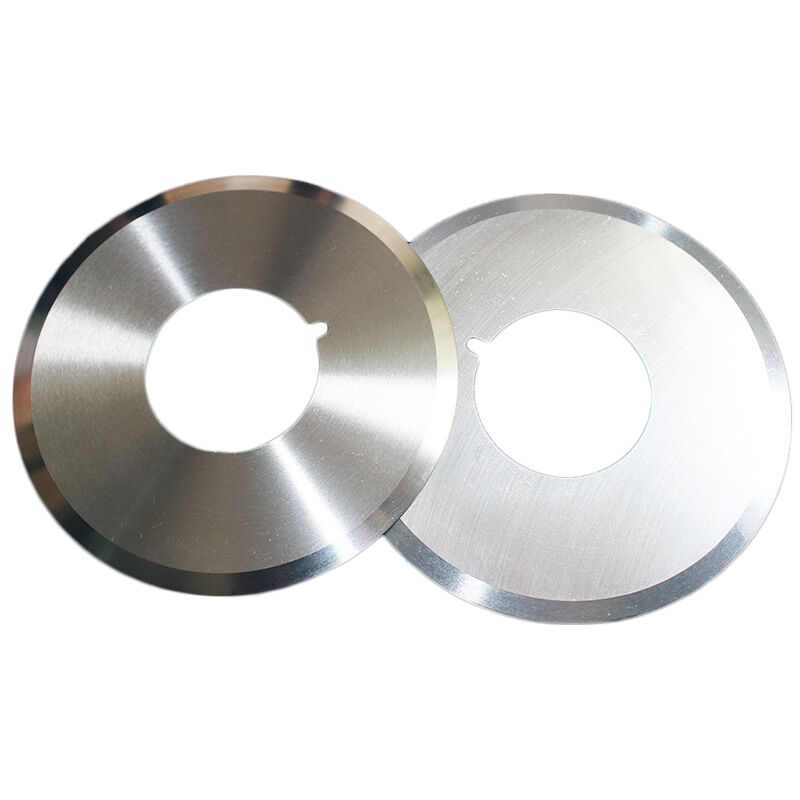
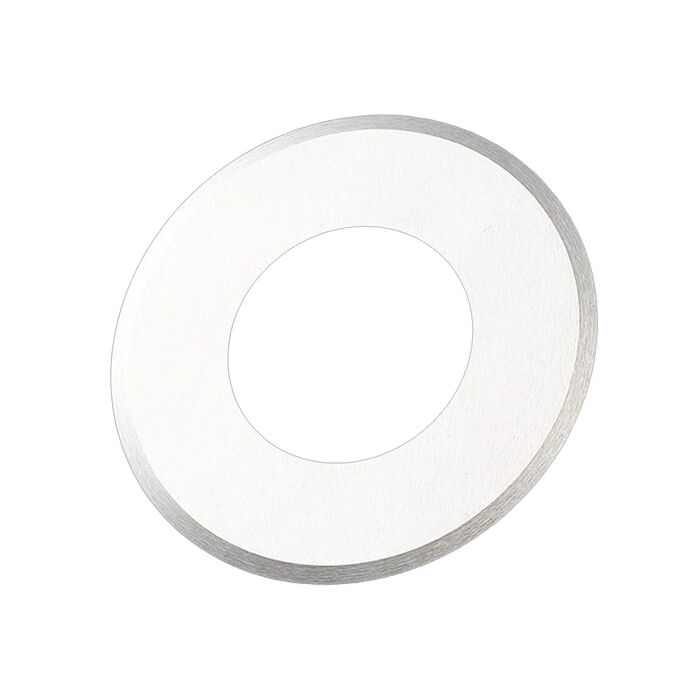
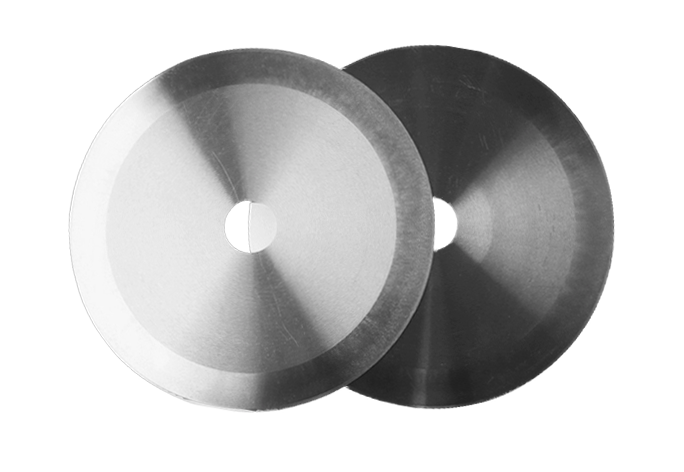
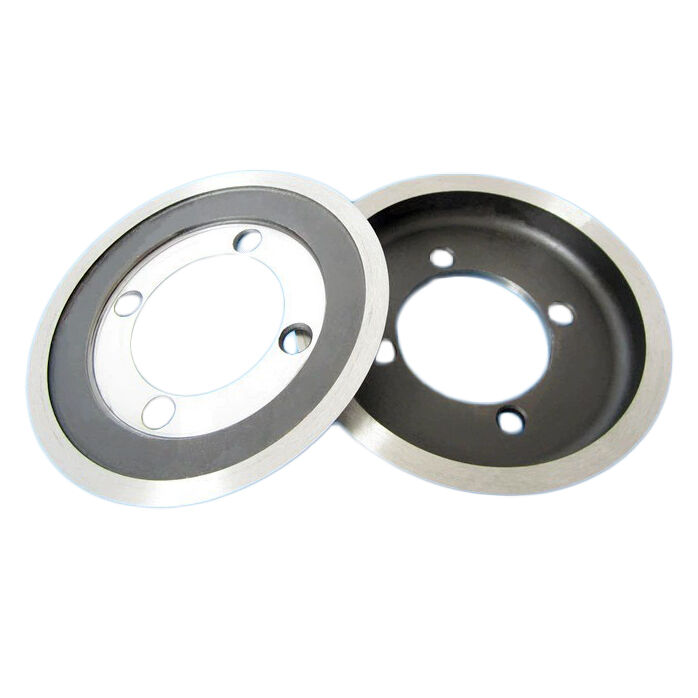
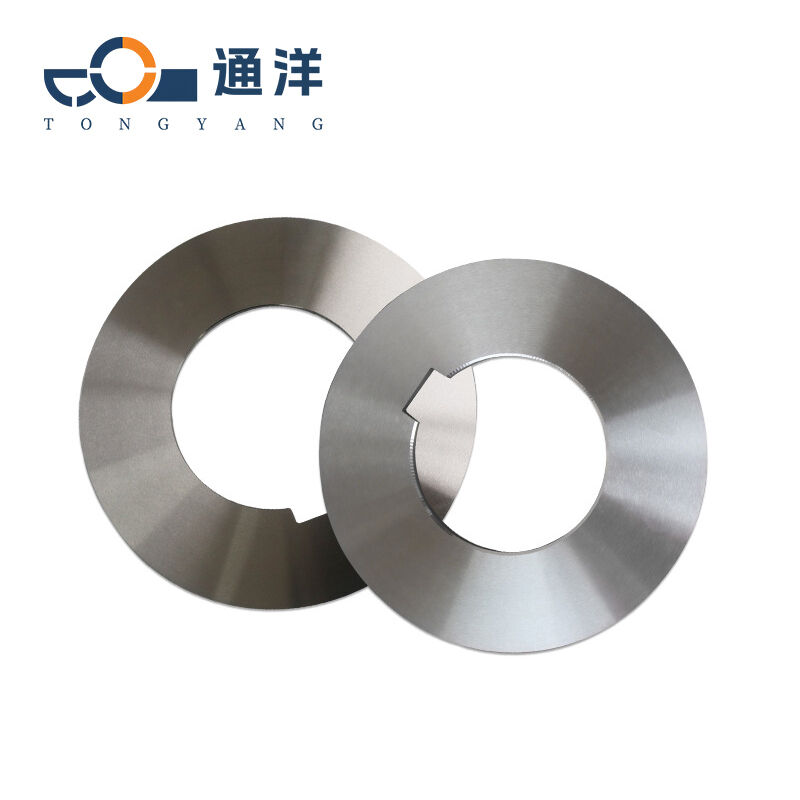
A leather cutting blade represents an essential precision tool engineered specifically for processing leather materials across various industrial and craft applications. This specialized cutting instrument combines advanced metallurgical technology with ergonomic design principles to deliver consistent, clean cuts through different leather types and thicknesses. The leather cutting blade functions as the primary cutting component in both manual and automated leather processing systems, enabling manufacturers, artisans, and hobbyists to transform raw leather into finished products with exceptional accuracy. These blades incorporate carefully selected steel alloys that undergo specialized heat treatment processes to achieve optimal hardness levels while maintaining necessary flexibility to prevent premature failure during operation. The technological features integrated into modern leather cutting blade designs include precision-ground cutting edges that maintain sharpness over extended periods, reducing the frequency of blade replacement and minimizing production downtime. Advanced coating technologies applied to blade surfaces enhance corrosion resistance and reduce friction during cutting operations, resulting in smoother cuts and extended operational lifespan. The geometry of each leather cutting blade is mathematically calculated to optimize cutting performance for specific leather characteristics, including grain structure, thickness variations, and moisture content. Applications for these specialized blades span numerous industries, from automotive upholstery manufacturing and footwear production to luxury goods creation and custom leather crafting. In furniture manufacturing facilities, the leather cutting blade enables precise sectioning of hide materials to maximize material utilization while minimizing waste. Fashion industry professionals rely on these blades to execute intricate pattern cutting for garments, accessories, and decorative elements. The versatility of leather cutting blade technology accommodates both straight-line cutting operations and complex curved patterns, making them indispensable tools in modern leather processing workflows where precision and efficiency directly impact product quality and production economics.

New Products

Investing in high-quality leather cutting blade technology delivers substantial practical benefits that directly improve your production outcomes and operational efficiency. First and foremost, these specialized blades dramatically reduce material waste by executing cleaner, more accurate cuts compared to conventional cutting tools. When you cut leather with precision blades designed specifically for this purpose, you minimize the risk of jagged edges, uneven cuts, and material deformation that often result from using inappropriate cutting instruments. This precision translates directly into cost savings, as leather represents one of the most expensive raw materials in manufacturing, and reducing waste by even small percentages can significantly impact your bottom line. The superior sharpness retention of professional-grade leather cutting blade products means you spend less time changing blades and more time maintaining productive operations. Extended blade life reduces your consumable costs while simultaneously decreasing equipment downtime associated with blade replacement procedures. Workers experience less fatigue when using properly designed leather cutting blade tools because these instruments require less applied force to achieve clean cuts, improving workplace safety and enabling sustained productivity throughout extended shifts. The consistent cutting performance delivered by quality blades ensures uniformity across all finished products, which proves essential for maintaining brand reputation and customer satisfaction in competitive markets. Another significant advantage involves the versatility these blades provide across different leather types and thicknesses. Whether you work with delicate lambskin, robust cowhide, or exotic leather varieties, the appropriate leather cutting blade handles each material with equal proficiency, eliminating the need to maintain multiple cutting systems for different applications. This versatility simplifies inventory management and reduces equipment investment requirements. Enhanced cutting speed represents another practical benefit, as sharp, properly designed blades slice through leather materials more quickly than dull or inappropriate alternatives. Faster cutting cycles accelerate overall production timelines, enabling you to fulfill orders more rapidly and potentially increase production capacity without additional labor costs. The clean edges produced by quality leather cutting blade technology often eliminate or reduce secondary finishing operations such as edge trimming or smoothing, further streamlining your production workflow. Temperature management during cutting operations improves with specialized blade designs that minimize friction, preventing heat buildup that can damage delicate leather surfaces or alter material properties. Finally, modern leather cutting blade options integrate seamlessly with both traditional manual tools and automated cutting systems, providing flexibility as your operations scale or evolve to meet changing market demands.

Tips And Tricks

5 Best Metal Cutting Blade Options for DIY Projects

25

Mar

5 Best Metal Cutting Blade Options for DIY Projects

Choosing the right metal cutting blade can make the difference between a successful DIY project and a frustrating experience filled with poor cuts and damaged materials. Whether you're working on home renovations, crafting custom metalwork, or tackli...
View More
Common Slitter Blades Problems and Solutions

30

Mar

Common Slitter Blades Problems and Solutions

Manufacturing operations that rely on slitter blades face a variety of challenges that can significantly impact production efficiency, material quality, and operational costs. Understanding the most common problems associated with slitter blades and ...
View More
Choosing the Best Circular Knife for Fabric Cutting

30

Mar

Choosing the Best Circular Knife for Fabric Cutting

Selecting the right circular knife for fabric cutting represents one of the most critical decisions in textile manufacturing and processing operations. The precision, efficiency, and quality of your fabric cutting directly impacts production costs, m...
View More
How to Sharpen Your Circular Knife: Step-by-Step Guide

30

Apr

How to Sharpen Your Circular Knife: Step-by-Step Guide

Maintaining the sharpness of your circular knife is essential for achieving clean, precise cuts in industrial and commercial applications. Whether you work in rubber processing, textile manufacturing, paper cutting, or food production, a dull circula...
View More

Get a Free Quote

Our representative will contact you soon.
Email
WhatsApp
Name
Company Name
Message
0/1000

leather cutting blade

Precision Engineering for Superior Cutting Accuracy

Precision Engineering for Superior Cutting Accuracy

The precision engineering incorporated into professional leather cutting blade manufacturing represents a critical differentiator that directly impacts your production quality and operational success. Each blade undergoes meticulous manufacturing processes that control dimensional tolerances to microscopic levels, ensuring the cutting edge maintains perfect geometry along its entire length. This geometric precision proves essential when cutting leather materials because even minor variations in blade angle or edge straightness can cause cutting deviations that compound across large production runs, resulting in material waste and product inconsistencies. Advanced grinding techniques employed during leather cutting blade production create edges with specific bevel angles optimized for leather's unique fibrous structure. Unlike generic cutting tools that might feature aggressive edge angles suitable for harder materials, leather-specific blades incorporate carefully calculated geometries that separate leather fibers cleanly without tearing or distorting the material structure. This attention to edge geometry prevents the common problem of leather compression during cutting, which can create crushed edges that appear darker and feel rougher than properly cut surfaces. The metallurgical composition of premium leather cutting blade products combines carefully balanced alloy elements that achieve ideal hardness levels while maintaining sufficient toughness to resist chipping or fracturing under operational stresses. Blades that are too hard become brittle and prone to edge failure, while insufficiently hardened blades lose sharpness rapidly and require frequent replacement. The optimal hardness range for leather cutting applications balances these competing requirements, delivering extended edge retention without sacrificing durability. Precision heat treatment processes ensure consistent hardness throughout each blade, eliminating soft spots that would wear preferentially and create uneven cutting performance. Surface finishing technologies applied to leather cutting blade products reduce microscopic roughness that could generate friction during cutting operations. Smoother blade surfaces glide through leather materials with less resistance, requiring reduced cutting force and generating less heat that might damage sensitive leather types. Some advanced blade designs incorporate micro-textured surfaces that actually reduce effective contact area while channeling away leather particles and oils that might otherwise accumulate on blade surfaces and degrade cutting performance. The precision engineering extends beyond the cutting edge itself to include blade mounting features that ensure secure, vibration-free installation in cutting tools and machinery. Properly designed mounting systems prevent blade deflection during cutting operations, maintaining consistent cutting depth and edge alignment throughout production runs.
Extended Durability Through Advanced Material Technology

Extended Durability Through Advanced Material Technology

The exceptional durability characteristics of modern leather cutting blade products stem from sophisticated material science applications that extend operational lifespan far beyond conventional cutting tools. Advanced steel formulations specifically developed for leather cutting applications incorporate alloying elements selected to enhance wear resistance, corrosion protection, and edge stability under the unique stresses encountered during leather processing. These specialized steel compositions undergo proprietary thermal treatment cycles that transform their crystalline structures to achieve optimal mechanical properties. The resulting blade material exhibits superior resistance to the abrasive wear caused by continuous contact with leather fibers, mineral-tanned leather treatments, and various leather finishing compounds encountered in production environments. This wear resistance translates directly into extended periods between blade replacements, reducing your consumable costs and minimizing production interruptions for blade changes. The leather cutting blade durability advantage becomes particularly apparent in high-volume production settings where conventional blades might require replacement multiple times per shift, while advanced blades maintain cutting performance throughout entire production runs. Surface coating technologies applied to premium leather cutting blade products provide additional protection layers that enhance both durability and performance. These coatings employ various advanced materials including titanium compounds, chromium nitrides, and diamond-like carbon films that create extremely hard, low-friction surfaces. The hardness of these coating materials exceeds that of the underlying steel substrate, providing a protective barrier that resists wear from abrasive leather components. Simultaneously, the low-friction characteristics of these coatings reduce cutting resistance and heat generation, protecting both the blade and the leather material from thermal damage. Corrosion resistance represents another critical durability factor addressed by advanced material technology in leather cutting blade manufacturing. Leather processing environments often expose cutting tools to moisture, tanning chemicals, oils, and other potentially corrosive substances that can rapidly degrade unprotected steel surfaces. Corrosion damage not only shortens blade life but also compromises cutting edge geometry, leading to degraded cutting quality long before complete blade failure occurs. Modern leather cutting blade products incorporate corrosion-resistant steel alloys and protective coatings that maintain blade integrity even in challenging environmental conditions. The edge retention capabilities of advanced blade materials ensure consistent cutting performance throughout the blade's operational life. Rather than experiencing rapid initial dulling followed by gradual performance degradation, quality leather cutting blade products maintain their factory-sharp edges through extensive use, delivering predictable performance that simplifies production planning and quality control. This consistent performance eliminates the quality variations that can occur as conventional blades dull, ensuring uniform product quality from the first cut to the last before blade replacement becomes necessary.
Versatile Applications Across Diverse Leather Processing Needs

Versatile Applications Across Diverse Leather Processing Needs

The remarkable versatility of professional leather cutting blade technology enables effective application across an extraordinarily diverse range of leather processing requirements, from delicate craft projects to heavy industrial manufacturing operations. This adaptability stems from thoughtful blade design that accommodates the wide spectrum of leather types, thicknesses, and processing methods encountered in modern leather working. Whether you process thin, supple garment leathers measuring less than one millimeter in thickness or robust industrial leathers exceeding five millimeters, appropriate leather cutting blade selections deliver optimal cutting performance for each application. The blade geometry, edge angle, and material hardness can be tailored to match specific leather characteristics, ensuring clean cuts without excessive force requirements that might distort thin materials or insufficient cutting power that leaves thick materials incompletely severed. In automotive upholstery manufacturing, leather cutting blade technology enables precise sectioning of premium hides into seat covers, door panels, and interior trim components that must meet exacting dimensional specifications. The consistent cutting quality provided by specialized blades ensures proper fit during assembly operations while maximizing hide utilization to control material costs. Footwear manufacturers depend on leather cutting blade performance to create shoe components ranging from delicate lining materials to substantial sole leathers, often processing multiple leather types within single production runs. The versatility of quality blade systems eliminates the need for frequent tool changes when transitioning between different leather specifications, maintaining production flow and efficiency. In luxury goods production, where brand reputation depends on flawless execution, leather cutting blade precision enables the creation of high-end handbags, wallets, and accessories that showcase clean edges and perfect pattern alignment. Craft artisans and small-scale leather workers benefit equally from versatile blade technology that accommodates their varied project requirements without necessitating extensive tool inventories. A single high-quality leather cutting blade system can handle projects ranging from thin leather jewelry components to thick belt materials, providing hobbyists and professional craftspeople with reliable performance across their entire creative range. Industrial applications extend beyond traditional leather goods manufacturing to include technical applications such as gasket cutting, where leather's natural properties make it valuable for sealing applications. The precision cutting capabilities of specialized blades ensure dimensional accuracy critical for proper gasket function. The leather cutting blade versatility extends to compatibility with various cutting methods, including manual knife cutting, die cutting, automated CNC cutting systems, and rotary cutting equipment. This compatibility ensures that as your operations grow or evolve, your investment in quality blade technology remains relevant and valuable rather than becoming obsolete when production methods change.

Get a Free Quote

Our representative will contact you soon.
Email
WhatsApp
Name
Company Name
Message
0/1000
Newsletter
Please Leave A Message With Us