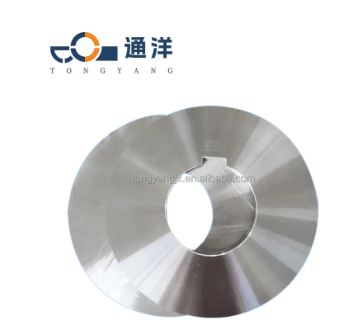
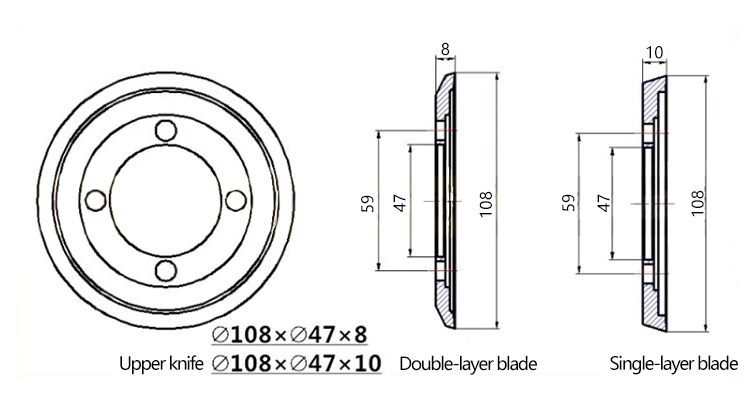
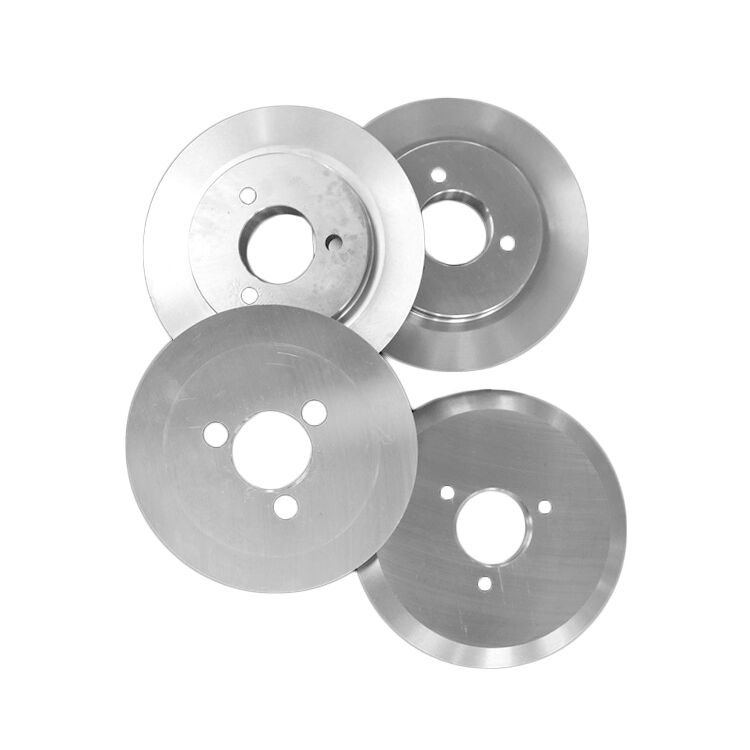
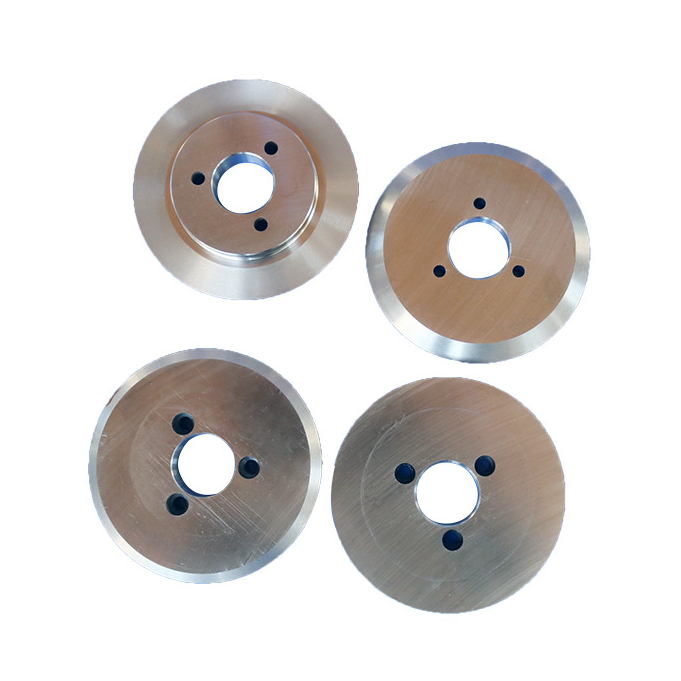
Premium Curved Leather Cutting Knife - Professional Precision Tool for Leather Crafting

All Categories

Get a Free Quote

Our representative will contact you soon.
Email
WhatsApp
Name
Company Name
Message
0/1000

curved leather cutting knife

The curved leather cutting knife represents a specialized cutting instrument designed specifically for leather craftsmen, artisans, and professional workers in the leather industry. This precision tool features a distinctively curved blade that follows the natural cutting motion of the hand, allowing users to make smooth, controlled cuts through various types of leather materials. The curved leather cutting knife has evolved over centuries from traditional cobbler tools into a modern essential for anyone working with leather goods, from small-scale hobbyists to large-scale manufacturing operations. The primary function of this tool centers on its ability to slice through leather with minimal effort while maintaining exceptional accuracy. Unlike straight blade knives, the curved leather cutting knife utilizes its arc-shaped edge to create a rocking motion that distributes cutting force evenly across the material, reducing hand fatigue during extended use. The technological features incorporated into contemporary models include ergonomically designed handles crafted from materials such as hardwood, composite polymers, or cushioned grips that provide comfort during prolonged cutting sessions. The blade itself is typically forged from high-carbon steel or stainless steel alloys, treated through specialized tempering processes to achieve optimal hardness ratings between 58 and 62 on the Rockwell scale. This ensures the curved leather cutting knife maintains its sharp edge through thousands of cuts while resisting corrosion and wear. Applications for this versatile tool span numerous industries including footwear manufacturing, upholstery work, bookbinding, leathercraft art, saddle making, bag production, and garment construction. Professional cobblers rely on the curved leather cutting knife for precise sole cutting and pattern work, while furniture upholsterers use it to trim leather coverings with clean edges. The tool proves equally valuable for cutting vegetable-tanned leather, chrome-tanned hides, suede, and synthetic leather alternatives. Its curved design makes it particularly effective for trimming excess material around edges, creating decorative cuts, and following complex pattern lines that would challenge straight blade alternatives.

New Product Releases

When you work with leather materials, the curved leather cutting knife delivers tangible benefits that directly improve your productivity and finished product quality. The curved blade design works with your natural hand movement rather than against it, which means you can cut for hours without experiencing the wrist strain that comes from using straight knives. This ergonomic advantage translates into faster project completion times and reduced physical discomfort, allowing you to focus on craftsmanship rather than managing pain. The rocking motion enabled by the curved leather cutting knife creates cleaner cut edges compared to sawing back and forth with straight blades. Clean edges mean less time spent finishing and smoothing your leather pieces, which saves you money on additional tools and materials while producing professional results that customers notice and appreciate. Another significant advantage comes from the precision control this tool offers. The curved leather cutting knife allows you to see your cutting line clearly as you work because the blade curves away from your hand, providing an unobstructed view of exactly where you are cutting. This visibility reduces mistakes, minimizes wasted leather, and helps you achieve consistent results across multiple pieces. For anyone working with expensive leather materials, this waste reduction directly impacts your bottom line. The versatility of the curved leather cutting knife means you need fewer specialized tools in your workshop. This single instrument handles straight cuts, curved cuts, detail work, and edge trimming equally well, which simplifies your tool collection and reduces the investment required to start or maintain a leather working operation. Maintenance proves remarkably simple with proper care. The curved leather cutting knife requires only basic sharpening skills and occasional oiling to maintain peak performance for years or even decades. This durability represents excellent value compared to disposable cutting tools that require frequent replacement. The tool also provides superior safety features when used correctly. The curved blade naturally directs cutting force away from your body, reducing the risk of serious injury if the knife slips during use. The stable grip design prevents the tool from rolling or shifting in your hand, giving you confident control throughout each cutting motion. For business owners, investing in quality curved leather cutting knife tools for your staff demonstrates commitment to their comfort and safety while ensuring consistent product quality. Professional craftspeople report that switching to curved blade designs improved their cutting speed by up to forty percent while simultaneously reducing material waste by twenty to thirty percent. These efficiency gains compound over time, making the curved leather cutting knife an investment that pays dividends through improved productivity and reduced operating costs.

Tips And Tricks

Industrial Circular Knife Applications: Complete Overview

25

Mar

Industrial Circular Knife Applications: Complete Overview

Industrial cutting operations rely heavily on precision tools that deliver consistent results across diverse manufacturing environments. The circular knife stands as one of the most versatile and essential cutting implements in modern industrial appl...
View More
How to Choose the Perfect Metal Cutting Blade: Pro Guide

06

May

How to Choose the Perfect Metal Cutting Blade: Pro Guide

Selecting the right metal cutting blade is a critical decision that directly impacts production efficiency, cut quality, blade lifespan, and overall operational costs in industrial metalworking operations. Whether you're processing thin gauge steel, ...
View More
How to Sharpen Your Circular Knife: Step-by-Step Guide

30

Apr

How to Sharpen Your Circular Knife: Step-by-Step Guide

Maintaining the sharpness of your circular knife is essential for achieving clean, precise cuts in industrial and commercial applications. Whether you work in rubber processing, textile manufacturing, paper cutting, or food production, a dull circula...
View More
Metal Cutting Blade Maintenance: Essential Tips

30

Apr

Metal Cutting Blade Maintenance: Essential Tips

Metal cutting blades are critical components in industrial manufacturing environments, directly influencing productivity, cut quality, and operational safety. Whether deployed in metal slitting machines, shearing operations, or precision cutting appl...
View More

Get a Free Quote

Our representative will contact you soon.
Email
WhatsApp
Name
Company Name
Message
0/1000

curved leather cutting knife

Superior Blade Geometry for Effortless Leather Cutting

Superior Blade Geometry for Effortless Leather Cutting

The blade geometry of the curved leather cutting knife represents years of refinement based on biomechanical principles and practical experience from master leather workers. The curve follows a carefully calculated radius that matches the natural arc your hand creates when making cutting motions, which creates a mechanical advantage that multiplies your applied force. When you press down on a curved leather cutting knife, the blade contacts the leather at a single point rather than along its entire length. This concentrated pressure point requires significantly less force to penetrate the material, which means you accomplish more work with less physical effort. The curvature also creates a slicing action as you rock the blade forward, combining downward pressure with a forward shearing motion that separates leather fibers cleanly rather than tearing or crushing them. This dual-action cutting mechanism produces edges that require minimal finishing work, saving you time on every single piece you create. The specific curve angle varies between different curved leather cutting knife models, with each variation optimized for particular leather types and thickness ranges. Shallow curves work exceptionally well for thin garment leathers and delicate materials, while more pronounced curves excel at cutting through thick saddle leather and multiple layers simultaneously. Understanding these variations helps you select the curved leather cutting knife that matches your specific project requirements. The blade thickness also plays a crucial role in performance. Quality manufacturers taper the curved leather cutting knife blade from spine to edge, creating a thin cutting edge that slips through leather easily while maintaining structural strength near the handle. This taper prevents the blade from wedging open the cut as it passes through material, which would otherwise require additional force and create rougher edges. Modern manufacturing techniques allow precision grinding of the curved leather cutting knife edge to incredibly fine angles, some as acute as fifteen degrees, which creates an edge sharp enough to cut leather with minimal pressure. These acute angles do require more frequent sharpening than thicker blade geometries, but the superior cutting performance justifies this minor maintenance requirement for serious leather workers. The curve also provides a natural guide for your hand position, helping you maintain consistent cutting angles across multiple pieces, which proves invaluable when creating matching components for bags, belts, or other projects requiring uniform pieces.
Ergonomic Handle Design Reduces Fatigue and Increases Productivity

Ergonomic Handle Design Reduces Fatigue and Increases Productivity

The handle design of a quality curved leather cutting knife directly impacts your comfort, control, and long-term hand health, making it a critical feature that deserves careful consideration. Manufacturers engineer these handles using ergonomic research data combined with feedback from professional leather workers who use these tools daily for eight or more hours. The handle shape typically features a gentle swell in the middle section where your palm naturally grips, providing a secure hold without requiring excessive grip strength. This design element matters tremendously because a relaxed grip prevents hand cramping and allows better tactile feedback, helping you feel subtle changes in leather density as you cut. Premium curved leather cutting knife handles incorporate materials selected for their friction properties, ensuring the tool stays secure in your hand even when dealing with oils and conditioners commonly used in leather work. Traditional wooden handles aged from hardwoods like rosewood or walnut develop a patina over time that actually improves grip characteristics, while modern polymer handles feature textured surfaces scientifically designed to maximize friction without causing hot spots during extended use. The weight distribution between handle and blade receives careful attention in quality curved leather cutting knife construction. Proper balance means the tool feels like a natural extension of your hand rather than a heavy object you must wrestle into position. This balance point typically sits just forward of where your index finger wraps around the handle, creating a neutral feel that reduces wrist rotation and keeps your hand in a natural position throughout the cutting stroke. Handle length varies between models, with longer handles providing better leverage for cutting thick materials while shorter handles offer increased maneuverability for detail work and intricate cuts. Many professional leather workers maintain multiple curved leather cutting knife tools with different handle lengths to optimize performance across various tasks. The cross-sectional shape of the handle also influences comfort during extended use. Oval profiles distribute pressure across a larger surface area of your palm compared to round handles, preventing the concentrated pressure points that lead to discomfort. Some curved leather cutting knife designs incorporate finger grooves or contours that guide your hand into an optimal grip position automatically, which proves particularly helpful for beginners still developing proper cutting technique. The connection between handle and blade, known as the tang, significantly affects tool longevity and safety. Full tang construction, where the blade material extends through the entire handle length, provides maximum strength and durability, ensuring your curved leather cutting knife withstands decades of demanding use without loosening or failing at this critical junction point.
Versatile Applications Across All Leather Working Disciplines

Versatile Applications Across All Leather Working Disciplines

The curved leather cutting knife demonstrates remarkable versatility across the entire spectrum of leather working applications, from industrial manufacturing environments to intimate craft studios, making it an essential tool regardless of your specific focus within the leather industry. In footwear production, this tool excels at cutting outsoles from thick leather sheets, trimming excess material from lasted uppers, and creating precise cuts for decorative elements. Cobblers particularly value how the curved leather cutting knife handles the transition between different leather thicknesses when working on composite shoe constructions, maintaining clean cuts even when moving from thin lining leather to thick structural components. The rocking motion proves ideal for following the complex curves found in shoe patterns, allowing craftspeople to maintain cutting speed while navigating intricate shapes. Upholstery professionals rely on the curved leather cutting knife for trimming leather coverings to exact dimensions on furniture pieces, cutting relief notches that allow leather to conform around corners and curves, and removing damaged sections for repair work. The tool handles both the delicate top-grain leathers used on premium furniture and the thicker, more robust hides used in commercial applications with equal proficiency. For leather goods manufacturers producing bags, wallets, and accessories, the curved leather cutting knife provides the precision required to cut multiple identical pieces from pattern templates, ensuring consistent dimensions across production runs. This consistency proves critical for maintaining quality standards and minimizing fit issues during assembly. The tool also excels at edge skiving, where you gradually thin leather edges before joining pieces together, creating seamless transitions that enhance both appearance and durability of finished products. Saddlers and equestrian leather workers depend on the curved leather cutting knife for working with the thick, firm leathers required for tack construction. These materials demand tools that can penetrate deeply with minimal force, making the mechanical advantage provided by the curved blade geometry essential. The tool cuts through doubled or tripled leather layers when creating reinforced stress points, something straight knives struggle to accomplish without requiring dangerous levels of force. Bookbinders use the curved leather cutting knife for trimming leather covers to precise dimensions and creating the thin skived edges necessary for proper turnover when covering books. The visibility provided by the curved design helps maintain accuracy when working at the small scales typical in fine bookbinding. Leather artists creating sculptural pieces, wall hangings, and decorative items appreciate how the curved leather cutting knife handles both aggressive material removal and delicate detail work within the same project, eliminating tool changes that interrupt creative flow. Even in modern industrial settings with automated cutting equipment, the curved leather cutting knife remains relevant for setup work, sampling, prototype development, and quality control tasks where manual cutting provides flexibility that machines cannot match.

Get a Free Quote

Our representative will contact you soon.
Email
WhatsApp
Name
Company Name
Message
0/1000
Newsletter
Please Leave A Message With Us