Versatile Material Compatibility Expands Creative Options
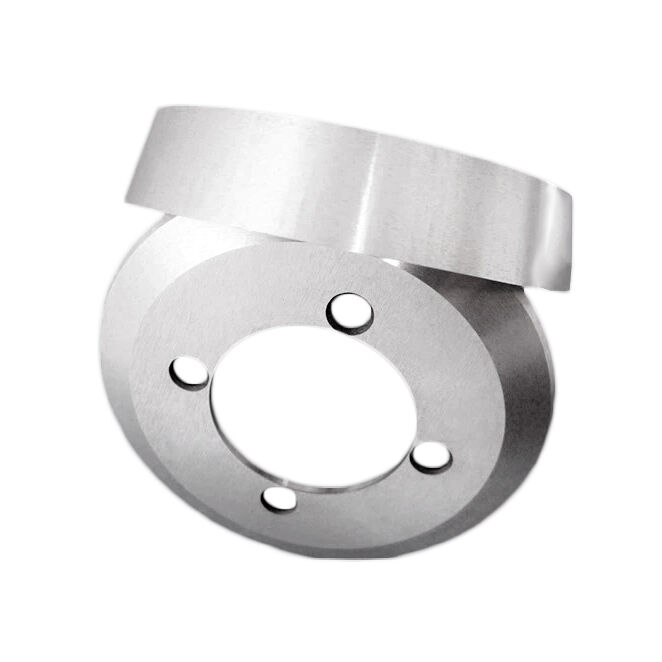
The best cricut blade for faux leather offers exceptional versatility that extends far beyond synthetic leather applications, providing crafters with a single tool capable of handling numerous challenging materials with professional results. This versatility stems from the blade's deep-cut design and robust construction, which prove equally effective when working with thick cardstock, chipboard, craft foam, magnet sheets, thin wood veneers, and various other specialty materials that resist standard blade options. When you equip your Cricut machine with this blade, you essentially transform it into a multi-material powerworking station capable of tackling projects that would otherwise require multiple specialized tools and equipment. The material compatibility advantage becomes particularly valuable for crafters who enjoy exploring diverse project types, as you can seamlessly transition from creating faux leather keychains to cutting foam costume armor to producing chipboard gift boxes without changing blades between projects. This convenience factor eliminates the workflow interruption of blade swapping, allowing you to maintain creative momentum and complete mixed-material projects more efficiently. The best cricut blade for faux leather handles material thickness variations with remarkable adaptability, cutting thin 0.5mm craft foam as cleanly as it processes 2.0mm faux leather, demonstrating the engineering excellence behind its design. Crafters appreciate this flexibility when working with faux leather specifically, as synthetic leather products vary considerably in thickness, backing material, and surface finish depending on manufacturer and intended application. You can confidently purchase interesting faux leather remnants and samples without worrying whether your blade will handle unexpected material characteristics, knowing that the best cricut blade for faux leather adapts to these variations automatically through your machine's smart adaptive tool system. The versatility extends to decorative techniques as well, as the blade executes both through-cuts and scoring operations when paired with appropriate machine settings, enabling you to create dimensional projects featuring fold lines, hinges, and relief details. Mixed-media artists particularly value this capability when incorporating faux leather elements into larger assemblages that include paper, fabric, and rigid substrates, as a single blade handles all cutting requirements throughout the creative process. The compatibility with adhesive-backed materials deserves mention, as the blade's geometry prevents adhesive buildup that typically gums up lesser blades, maintaining clean cutting performance even when processing sticky-back faux leather and vinyl repeatedly.
 EN
EN