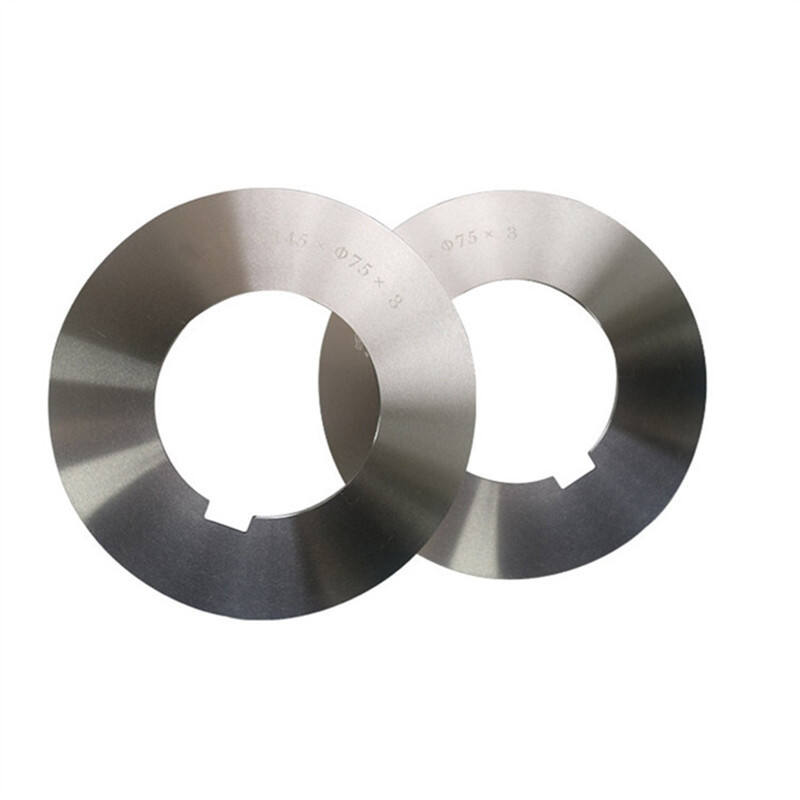
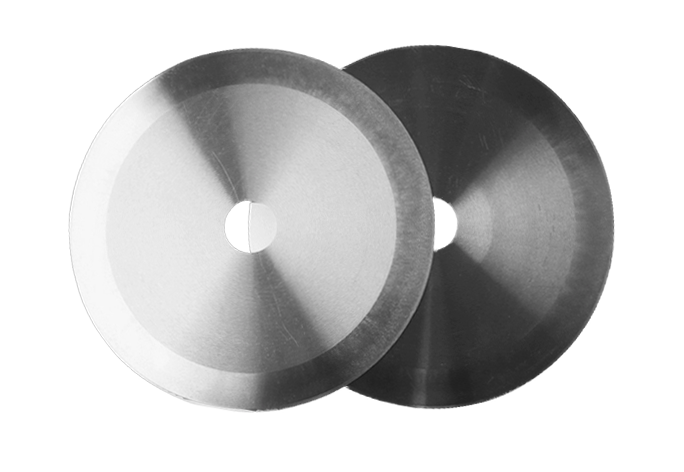
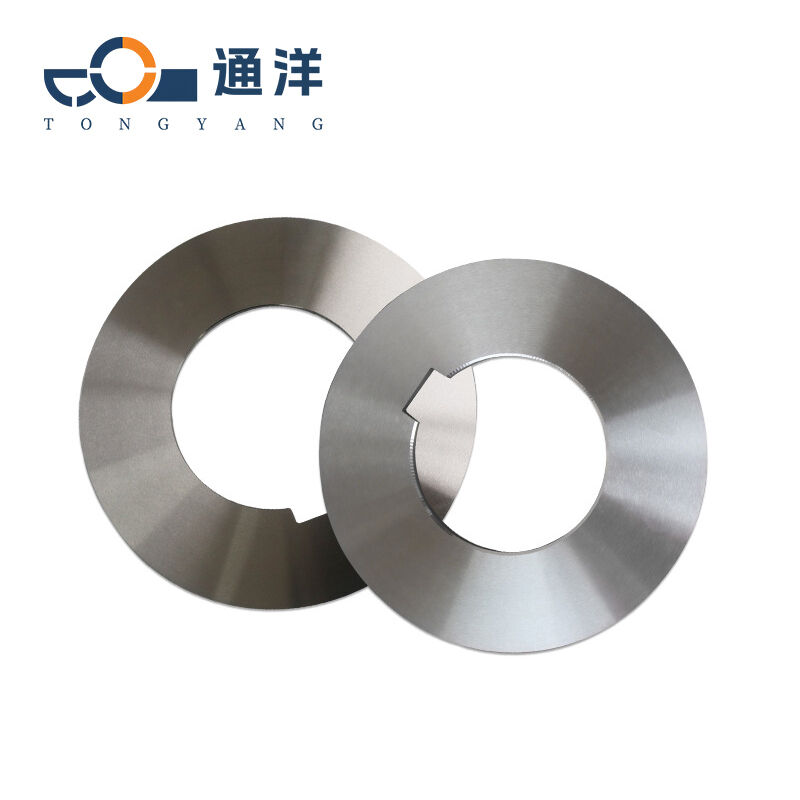
Premium Leather Cutting Machine Blade - Precision, Durability & Versatility for Professional Leather Processing

All Categories

Get a Free Quote

Our representative will contact you soon.
Email
WhatsApp
Name
Company Name
Message
0/1000

leather cutting machine blade

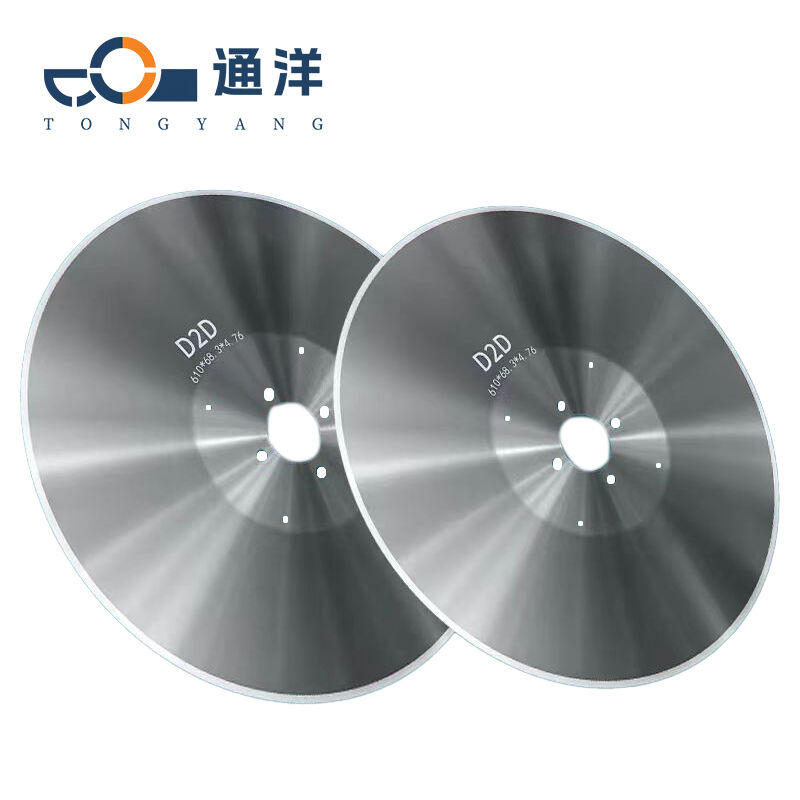
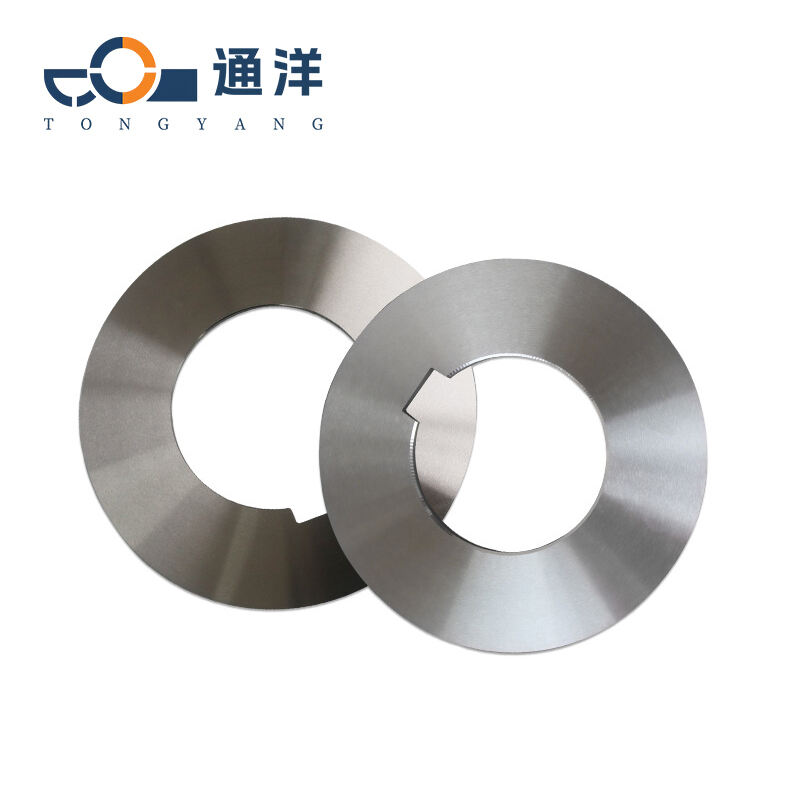
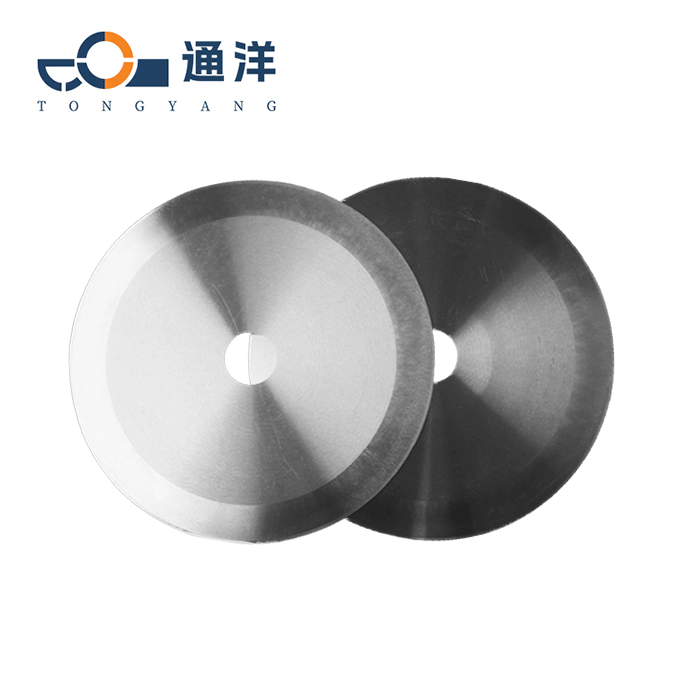
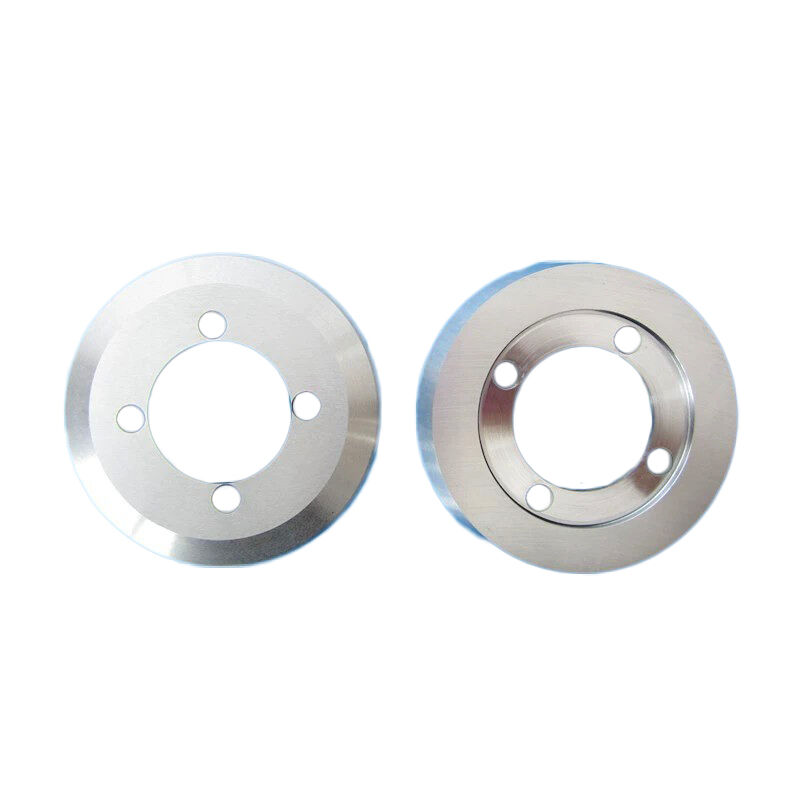
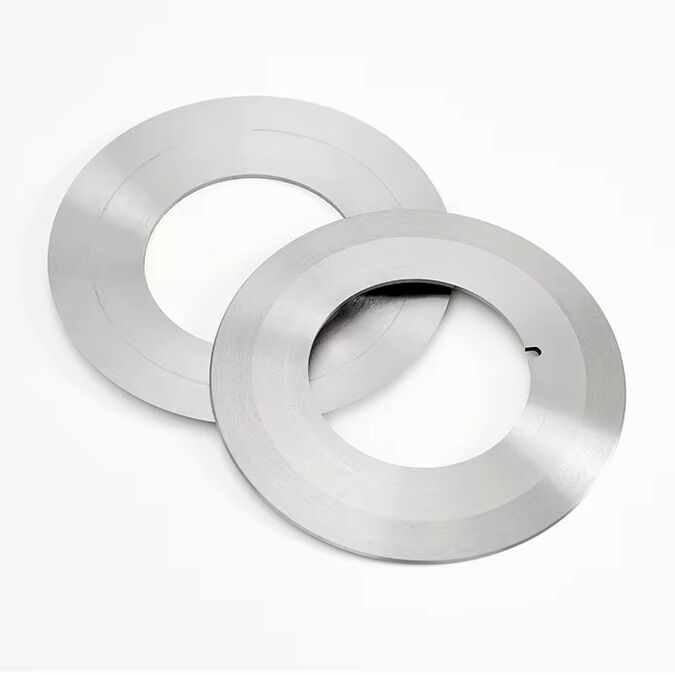
The leather cutting machine blade represents a critical component in modern leather processing operations, serving as the primary interface between cutting equipment and material. This specialized blade transforms raw leather materials into precise shapes and patterns with remarkable accuracy and consistency. Manufacturing facilities, fashion houses, automotive suppliers, and furniture makers rely on these blades to execute intricate cutting tasks that would be impossible or impractical through manual methods. The leather cutting machine blade operates through various mechanisms depending on the specific equipment type, including rotary systems, reciprocating designs, and stationary configurations. Each blade variant addresses particular cutting requirements based on leather thickness, material density, and production volume demands. Advanced metallurgy processes ensure these blades maintain sharpness throughout extended production runs while resisting wear from continuous contact with diverse leather types. The technological evolution of the leather cutting machine blade has incorporated innovations such as specialized coatings, optimized edge geometries, and enhanced material compositions that extend operational lifespan and improve cutting quality. These blades accommodate various leather grades, from delicate lambskin to robust cowhide, adjusting to different material characteristics without compromising performance. Industrial applications demand that the leather cutting machine blade delivers consistent results across thousands of cutting cycles, maintaining dimensional accuracy within tight tolerances. The blade's design considers factors such as friction reduction, heat dissipation, and chip evacuation to prevent material damage during processing. Modern manufacturing environments benefit from the leather cutting machine blade's compatibility with automated systems, enabling integration with computer-controlled cutting tables and robotic handling equipment. This compatibility facilitates high-volume production scenarios where speed and precision must coexist. The blade's construction typically involves high-carbon steel, tungsten carbide, or specialized alloy formulations selected for their ability to retain sharp edges while withstanding mechanical stresses inherent in continuous cutting operations.

New Product Releases

Implementing a quality leather cutting machine blade delivers immediate improvements in production efficiency by reducing cutting time per piece while maintaining superior edge quality compared to manual cutting methods. Operations experience significant labor cost reductions as automated blade systems complete cutting tasks faster than traditional hand-cutting approaches, allowing workforce reallocation to higher-value activities. The precision offered by a properly maintained leather cutting machine blade minimizes material waste by optimizing pattern placement and reducing cutting errors that lead to unusable pieces. This waste reduction translates directly into cost savings, particularly when processing premium leather materials where every square inch represents substantial monetary value. Manufacturers appreciate how the leather cutting machine blade maintains consistent cutting depth across entire production runs, eliminating variations that occur with manual cutting fatigue or operator skill differences. The blade's ability to execute complex curves and intricate patterns expands design possibilities, enabling creative teams to develop sophisticated products without concern for manufacturing limitations. Production scheduling becomes more predictable when utilizing a reliable leather cutting machine blade, as cutting operations proceed at measurable rates without unexpected delays from blade failure or performance degradation. Quality control processes benefit from the uniform edges produced by these blades, as consistent cuts facilitate subsequent assembly operations and improve final product appearance. The leather cutting machine blade requires minimal training for operators compared to developing manual cutting expertise, reducing onboarding time for new personnel and lowering training costs. Businesses gain competitive advantages through faster order fulfillment enabled by efficient blade performance, meeting tight delivery deadlines that manual operations cannot accommodate. The durability of modern blade designs reduces replacement frequency, lowering maintenance expenses and minimizing production interruptions for blade changes. Environmental benefits emerge as precise cutting reduces scrap generation, decreasing waste disposal costs and supporting sustainability initiatives. The leather cutting machine blade accommodates various production scales, from small custom orders to large manufacturing runs, providing operational flexibility that adapts to changing market demands. Safety improvements represent another significant advantage, as automated blade systems reduce worker exposure to sharp implements and repetitive motion injuries associated with manual cutting. Investment in quality blade technology pays dividends through extended equipment lifespan, as proper blade selection prevents damage to cutting machinery from inappropriate tool usage. The clean edges produced by the leather cutting machine blade often eliminate or reduce finishing requirements, streamlining production workflows and reducing processing steps before final assembly.

Practical Tips

Industrial Circular Knife Applications: Complete Overview

25

Mar

Industrial Circular Knife Applications: Complete Overview

Industrial cutting operations rely heavily on precision tools that deliver consistent results across diverse manufacturing environments. The circular knife stands as one of the most versatile and essential cutting implements in modern industrial appl...
View More
How to Choose the Perfect Metal Cutting Blade: Pro Guide

06

May

How to Choose the Perfect Metal Cutting Blade: Pro Guide

Selecting the right metal cutting blade is a critical decision that directly impacts production efficiency, cut quality, blade lifespan, and overall operational costs in industrial metalworking operations. Whether you're processing thin gauge steel, ...
View More
How to Sharpen Your Circular Knife: Step-by-Step Guide

30

Apr

How to Sharpen Your Circular Knife: Step-by-Step Guide

Maintaining the sharpness of your circular knife is essential for achieving clean, precise cuts in industrial and commercial applications. Whether you work in rubber processing, textile manufacturing, paper cutting, or food production, a dull circula...
View More
Leather Cutting Blade Maintenance: Essential Tips

30

Apr

Leather Cutting Blade Maintenance: Essential Tips

Proper maintenance of your leather cutting blade directly determines the quality of your cuts, the longevity of your equipment, and the efficiency of your production workflow. Whether you operate a small leather workshop or manage a large-scale manuf...
View More

Get a Free Quote

Our representative will contact you soon.
Email
WhatsApp
Name
Company Name
Message
0/1000

leather cutting machine blade

Exceptional Precision Engineering for Flawless Cutting Results

Exceptional Precision Engineering for Flawless Cutting Results

The leather cutting machine blade achieves extraordinary precision through sophisticated engineering principles that govern every aspect of its design and manufacture. This precision begins at the molecular level, where blade material selection considers crystalline structures that influence edge retention and cutting performance. Manufacturing processes employ computer-controlled grinding systems that shape blade edges to tolerances measured in microns, ensuring geometric consistency that translates into predictable cutting behavior. The blade's edge angle receives careful optimization based on leather characteristics, balancing sharpness for clean cuts against durability for extended service life. This precision engineering enables the leather cutting machine blade to reproduce identical cuts across thousands of cycles, maintaining dimensional accuracy critical for products requiring precise fit and assembly. Pattern matching becomes effortless when blade precision ensures that cut pieces align perfectly during construction, eliminating gaps or overlaps that compromise finished product quality. The blade's ability to follow programmed cutting paths without deviation supports complex designs featuring tight radiuses, sharp corners, and intricate details that define premium leather goods. Precision extends beyond simple shape accuracy to include edge quality characteristics such as smoothness and perpendicularity, attributes that affect how cut pieces interact during subsequent manufacturing steps. The leather cutting machine blade's consistent performance eliminates the trial-and-error adjustments common with less precise cutting methods, reducing setup time and accelerating production startup. This precision proves particularly valuable when working with expensive exotic leathers where cutting errors result in substantial material losses. Quality assurance processes benefit from the predictable results delivered by precision-engineered blades, as dimensional inspections consistently confirm conformance to specifications without unexpected variations. The blade's precision supports lean manufacturing initiatives by enabling just-in-time production strategies that minimize inventory holding costs while ensuring parts availability. Customers perceive quality differences in products manufactured with precision blade technology, as consistent cuts contribute to uniform appearance and superior fit characteristics that distinguish premium offerings from budget alternatives.
Extended Operational Lifespan Through Advanced Material Technology

Extended Operational Lifespan Through Advanced Material Technology

The leather cutting machine blade incorporates cutting-edge material science that dramatically extends operational lifespan compared to conventional cutting tools. Advanced metallurgical formulations combine multiple elements in precise ratios to create blade substrates exhibiting exceptional hardness while maintaining necessary toughness to resist fracture under operational stresses. Heat treatment processes transform these materials through controlled temperature cycles that optimize grain structures for maximum wear resistance. Surface engineering techniques apply specialized coatings that reduce friction between blade and material, minimizing heat generation that accelerates edge degradation. These coatings also provide chemical resistance against tanning agents and finishing compounds present in processed leather that would otherwise attack blade surfaces. The extended lifespan offered by the leather cutting machine blade reduces replacement frequency, lowering consumable costs and decreasing production interruptions for blade changes. Manufacturing operations benefit from predictable blade performance throughout extended service periods, enabling accurate production planning without concerns about sudden blade failure disrupting schedules. The blade's durability proves especially valuable in high-volume production environments where continuous operation demands reliable performance shift after shift without performance degradation. Material technology advances allow the leather cutting machine blade to maintain sharp edges through thousands of cutting cycles, whereas traditional blades require frequent sharpening or replacement. This edge retention translates into consistent cutting quality from first cut to last, eliminating the gradual performance decline that affects inferior blade designs. The blade's construction resists deformation under cutting forces, maintaining precise geometry that ensures accurate cuts throughout its operational life. Environmental conditions that challenge lesser blades, such as temperature variations or humidity exposure, have minimal impact on advanced blade materials engineered for stability across diverse operating conditions. Investment in long-lasting blade technology reduces total cost of ownership despite potentially higher initial purchase prices, as extended service life spreads costs across greater production volumes. Maintenance requirements decrease when using durable blade designs, freeing technical staff for other priorities while reducing spare parts inventory needs. The leather cutting machine blade's longevity supports sustainability goals by reducing material consumption for replacement blades and minimizing waste generation from discarded worn components.
Versatile Compatibility Across Multiple Leather Types and Applications

Versatile Compatibility Across Multiple Leather Types and Applications

The leather cutting machine blade demonstrates remarkable versatility through its ability to process diverse leather materials ranging from delicate thin skins to heavy industrial grades without requiring equipment changes. This adaptability stems from thoughtful blade design that accommodates varying material densities, thicknesses, and structural characteristics encountered across different leather types. The blade handles vegetable-tanned leather with its firm structure differently than chrome-tanned materials exhibiting greater flexibility, adjusting cutting action to suit each material's unique properties. Full-grain leathers presenting natural surface variations receive clean cuts without tearing or distortion, while corrected-grain materials with uniform characteristics process with equal effectiveness. The leather cutting machine blade's versatility extends to specialized materials including suede, nubuck, and exotic skins such as alligator, ostrich, and python, each presenting distinct cutting challenges. Manufacturers serving diverse market segments appreciate this versatility, as single blade platforms accommodate multiple product lines without investment in specialized equipment for each material type. The blade's compatibility with various thicknesses eliminates production constraints, enabling seamless transitions between projects requiring thin garment leather and thick upholstery applications. This flexibility supports custom manufacturing operations where project specifications vary significantly between orders, requiring equipment that adapts quickly to changing requirements. The leather cutting machine blade integrates effectively with different cutting system architectures, including die cutting presses, flatbed plotters, and conveyor-based continuous systems. This compatibility protects equipment investments by allowing blade upgrades without replacing entire cutting platforms. Production versatility extends to cutting pattern complexity, as the blade executes simple straight cuts and intricate curves with equal proficiency. The blade's performance remains consistent across different cutting speeds, accommodating both high-volume production requiring maximum throughput and precision work demanding careful controlled cutting. Material handling characteristics vary significantly between leather types, yet the leather cutting machine blade adapts to these differences without special adjustments or operational complications. This versatility proves particularly valuable for businesses experiencing seasonal demand fluctuations or market shifts requiring rapid production changes to different product categories. The blade's universal application reduces training complexity, as operators master a single cutting platform applicable across all production scenarios rather than learning multiple specialized systems.

Get a Free Quote

Our representative will contact you soon.
Email
WhatsApp
Name
Company Name
Message
0/1000
Newsletter
Please Leave A Message With Us