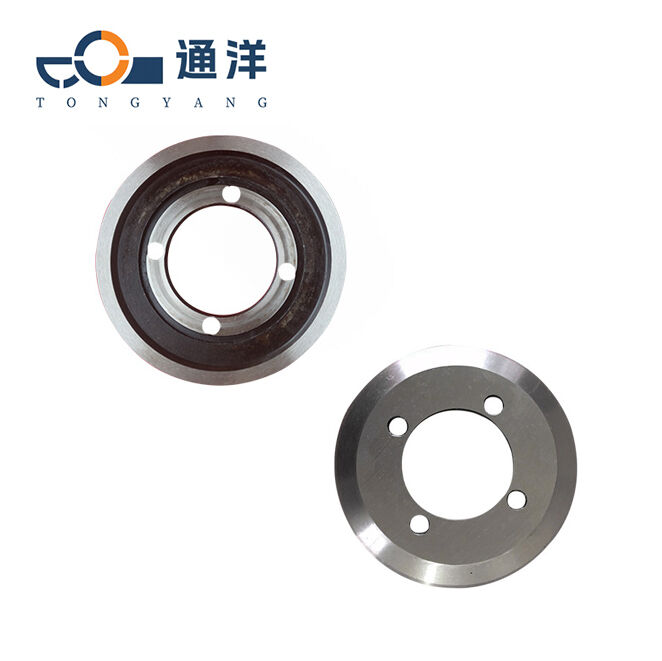
Professional Knife to Cut Leather - Precision Cutting Tools for Leatherworking Projects

All Categories

Get a Free Quote

Our representative will contact you soon.
Email
WhatsApp
Name
Company Name
Message
0/1000

knife to cut leather

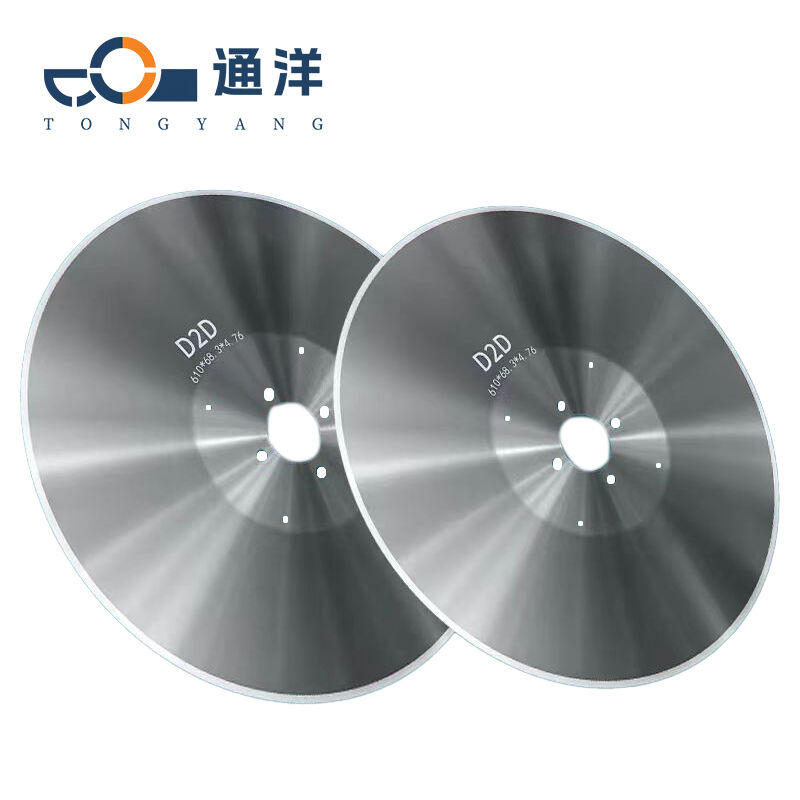
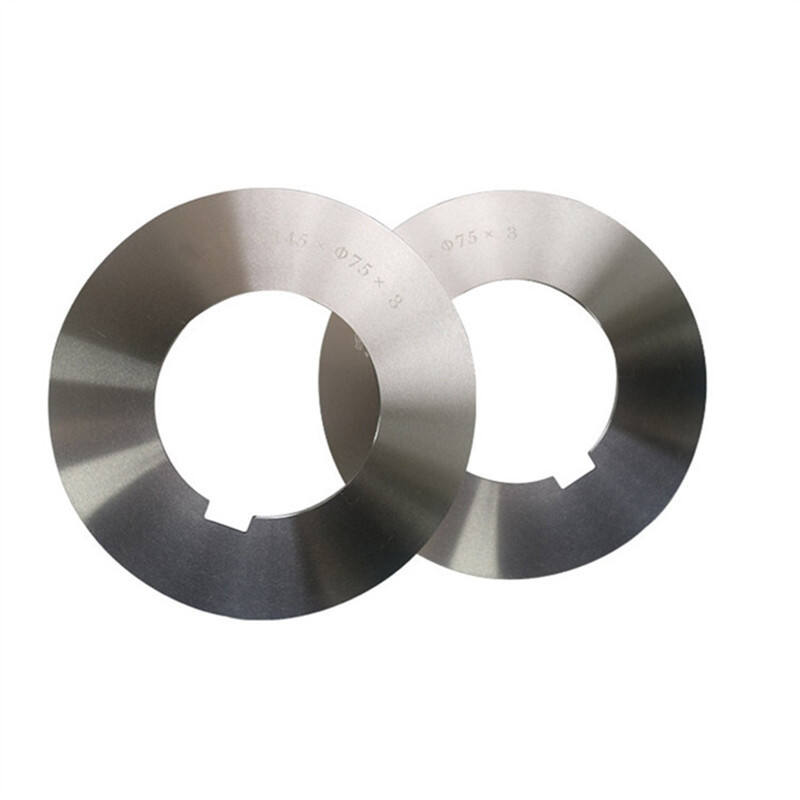
A knife to cut leather represents an essential tool for craftspeople, hobbyists, and professionals working with leather materials. This specialized cutting instrument is meticulously designed to slice through various leather thicknesses with precision and control. The knife to cut leather features a razor-sharp blade crafted from high-carbon steel or stainless steel, ensuring durability and long-lasting sharpness that withstands repeated use. The primary function of this tool involves making clean, accurate cuts in leather for projects ranging from wallet construction to saddle making, upholstery work, and artistic leather crafting. Technological features include ergonomically designed handles that provide comfortable grip during extended cutting sessions, reducing hand fatigue and improving accuracy. Many models incorporate interchangeable blade systems, allowing users to switch between different blade shapes and angles depending on specific cutting requirements. The blade geometry is specifically optimized for leather, featuring angles that prevent tearing or fraying of the material edges. Applications for a knife to cut leather span numerous industries and creative pursuits. Professional leatherworkers rely on these knives for producing high-quality leather goods, including bags, belts, shoes, and custom leather accessories. Upholsterers use them for precise cuts when working with leather furniture coverings. Automotive professionals employ these knives when replacing or repairing leather car interiors. Hobbyists and crafters find these knives indispensable for DIY leather projects, costume making, and artistic endeavors. The versatility of a knife to cut leather makes it suitable for cutting vegetable-tanned leather, chrome-tanned leather, suede, and synthetic leather alternatives. Whether performing straight cuts, curved cuts, or intricate detailed work, this tool delivers consistent results that meet professional standards while remaining accessible to beginners learning the craft of leatherworking.

New Product Releases

Investing in a quality knife to cut leather provides numerous practical benefits that enhance your leatherworking experience and improve project outcomes. First and foremost, these specialized knives deliver unmatched precision compared to standard cutting tools. The sharp blade glides through leather smoothly, creating clean edges without pulling or distorting the material. This precision eliminates the need for extensive edge finishing work, saving valuable time during production. The ergonomic design of a knife to cut leather significantly reduces hand strain during prolonged use. Unlike makeshift cutting tools, these knives feature handles shaped to fit naturally in your palm, distributing pressure evenly across your hand. This thoughtful design allows you to work for hours without experiencing cramping or discomfort, increasing productivity and maintaining cutting accuracy throughout your work session. Durability stands as another major advantage when you choose a proper knife to cut leather. High-quality materials resist corrosion and wear, meaning your investment lasts for years rather than months. The blade maintains its sharpness through countless cuts, and when sharpening becomes necessary, the steel composition allows for easy honing that restores the razor edge quickly. This longevity translates to cost savings over time, as you avoid repeatedly purchasing inferior tools. Versatility represents a key benefit that makes a knife to cut leather valuable for various projects. Whether you work with thin garment leather or thick saddle leather, the appropriate blade handles both with equal effectiveness. The ability to control cutting depth and angle means you can create straight cuts, curves, and intricate patterns with the same tool. This versatility eliminates the need to purchase multiple specialized cutting instruments, simplifying your tool collection while expanding your capabilities. Safety features incorporated into quality leather knives protect users during operation. Many models include blade guards, secure locking mechanisms, and non-slip handle materials that prevent accidents. The controlled cutting action reduces the likelihood of slips that could damage your project or cause injury. Additionally, the clean cuts produced by a knife to cut leather mean fewer rough edges that could scratch or cut hands during subsequent handling. For professionals, using the right knife to cut leather enhances the quality of finished products, leading to increased customer satisfaction and repeat business. The professional appearance of clean-cut edges demonstrates craftsmanship that justifies premium pricing for your leather goods.

Tips And Tricks

Industrial Corrugated Cardboard Cutting Blade Selection Tips

25

Mar

Industrial Corrugated Cardboard Cutting Blade Selection Tips

Selecting the right cutting blade for corrugated cardboard processing operations represents a critical decision that directly impacts production efficiency, product quality, and operational costs. Industrial facilities handling large volumes of corru...
View More
How to Choose the Perfect Metal Cutting Blade: Pro Guide

06

May

How to Choose the Perfect Metal Cutting Blade: Pro Guide

Selecting the right metal cutting blade is a critical decision that directly impacts production efficiency, cut quality, blade lifespan, and overall operational costs in industrial metalworking operations. Whether you're processing thin gauge steel, ...
View More
How to Sharpen Your Circular Knife: Step-by-Step Guide

30

Apr

How to Sharpen Your Circular Knife: Step-by-Step Guide

Maintaining the sharpness of your circular knife is essential for achieving clean, precise cuts in industrial and commercial applications. Whether you work in rubber processing, textile manufacturing, paper cutting, or food production, a dull circula...
View More
Metal Cutting Blade Maintenance: Essential Tips

30

Apr

Metal Cutting Blade Maintenance: Essential Tips

Metal cutting blades are critical components in industrial manufacturing environments, directly influencing productivity, cut quality, and operational safety. Whether deployed in metal slitting machines, shearing operations, or precision cutting appl...
View More

Get a Free Quote

Our representative will contact you soon.
Email
WhatsApp
Name
Company Name
Message
0/1000

knife to cut leather

Superior Blade Technology for Effortless Precision Cutting

Superior Blade Technology for Effortless Precision Cutting

The blade technology incorporated into a knife to cut leather represents the pinnacle of cutting tool engineering, specifically optimized for working with leather materials of all types and thicknesses. At the heart of this technology lies the blade composition, typically manufactured from high-carbon steel or premium stainless steel alloys that undergo specialized heat treatment processes. This treatment hardens the steel to an optimal level that balances edge retention with the ability to resharpen, ensuring the blade maintains its cutting performance through thousands of cuts. The blade geometry features carefully calculated angles that slice through leather fibers cleanly rather than tearing them, which is crucial for achieving professional-quality edges that require minimal finishing work. The cutting edge itself is ground to micron-level precision, creating a razor-sharp surface that requires minimal pressure to penetrate leather, reducing user fatigue and increasing control during intricate cutting operations. Many advanced knife to cut leather models incorporate hollow-ground or convex blade profiles that reduce friction during cutting, allowing the blade to glide through material with remarkable ease. This reduced friction not only makes cutting less physically demanding but also extends blade life by minimizing wear during use. The blade width and thickness are proportioned to provide sufficient rigidity for straight cuts while maintaining enough flexibility for following curved cutting lines without binding or cracking the leather. Some premium models feature replaceable blade systems that allow craftspeople to switch between different blade configurations depending on project requirements, providing exceptional versatility within a single tool. The attachment mechanism ensures blades lock securely without wobble, maintaining consistent cutting depth and angle throughout use. Corrosion-resistant coatings applied to many knife to cut leather blades protect against moisture and oils naturally present in leather, preventing rust formation that could transfer stains to light-colored materials or compromise blade integrity. The pointed tip design enables precision piercing and detailed work in tight spaces, while the blade length provides sufficient cutting surface for long, continuous cuts without repositioning. This superior blade technology directly translates to better project outcomes, reduced material waste from cutting errors, and increased efficiency that makes every leatherworking session more productive and enjoyable.
Ergonomic Handle Design for Maximum Comfort and Control

Ergonomic Handle Design for Maximum Comfort and Control

The handle design of a knife to cut leather plays an absolutely critical role in determining user comfort, cutting accuracy, and overall tool performance during leatherworking projects. Premium leather knives feature ergonomically engineered handles that result from extensive research into hand biomechanics and cutting motion analysis. The handle shape conforms naturally to the curved contours of the human hand, positioning fingers in optimal locations that maximize leverage while minimizing stress on joints and tendons. This anatomical design becomes especially important during extended cutting sessions when even minor discomfort can compound into significant hand fatigue that affects both productivity and cutting precision. Materials selected for knife to cut leather handles prioritize both comfort and functionality, with options including textured rubber compounds, stabilized wood, durable polymers, and composite materials that each offer distinct benefits. Textured rubber provides excellent grip even when hands become moist from perspiration, preventing dangerous slippage during cutting operations. Wood handles offer traditional aesthetics combined with natural warmth and comfortable feel that many craftspeople prefer, while modern polymer handles deliver lightweight durability that withstands impacts and exposure to leather treatment chemicals without degradation. The handle diameter is carefully calculated to fit comfortably within the average hand size range, neither too thin to cause pressure points nor too thick to prevent secure gripping. Strategic placement of finger grooves and palm swells guide hand positioning for optimal control, ensuring consistent blade angle and pressure distribution across different users and cutting techniques. Many knife to cut leather models incorporate subtle texturing or checkering on handle surfaces that enhances grip security without creating uncomfortable pressure points during prolonged use. The balance point between handle and blade receives careful attention during design, positioning weight distribution to minimize wrist strain during cutting motions. A properly balanced knife to cut leather feels like a natural extension of your hand rather than a separate tool requiring conscious control. Some advanced models feature handles with slight angles built into the design that position the blade at an ergonomically optimal cutting angle relative to the work surface, reducing the need for awkward wrist positioning that can lead to repetitive strain injuries. The handle length provides sufficient gripping surface to accommodate various hand positions and cutting techniques, from precision detail work using fingertip control to powerful straight cuts utilizing full-hand grip strength.
Versatile Application Across Multiple Leather Types and Projects

Versatile Application Across Multiple Leather Types and Projects

The remarkable versatility of a knife to cut leather makes it an indispensable tool for an extraordinarily wide range of applications spanning professional industries, creative pursuits, and practical repair tasks. This versatility stems from the fundamental design characteristics that enable the knife to cut leather effectively regardless of material thickness, tannage type, or finish treatment. Professional leatherworkers rely on these knives as foundational tools for producing high-quality leather goods including handbags, wallets, belts, watch straps, and custom accessories where precision cutting directly impacts final product quality and aesthetic appeal. The knife to cut leather handles vegetable-tanned leather with exceptional results, cleanly slicing through this firm material without causing edge compression or fiber damage that could compromise structural integrity or finishing quality. When working with chrome-tanned leather, which tends to be softer and more pliable, the sharp blade prevents stretching and distortion during cutting, maintaining accurate dimensions critical for pattern matching and assembly precision. Upholstery professionals utilize a knife to cut leather when fabricating or repairing leather furniture, automotive interiors, and marine upholstery where clean, accurate cuts ensure proper fit and professional appearance. The ability to make both straight cuts for border trimming and curved cuts for contoured surfaces makes this single tool sufficient for most upholstery cutting requirements, eliminating the need to switch between multiple implements during projects. Shoemakers and cobbler professionals depend on a knife to cut leather for cutting upper materials, sole components, and decorative elements that comprise quality footwear construction. The precision possible with a proper leather knife enables tight tolerances necessary for components that must fit together perfectly during shoe assembly. Saddle makers working with heavy leather materials appreciate how a quality knife to cut leather powers through thick materials while maintaining cutting control that lighter-duty tools cannot provide. Hobbyists and craft enthusiasts find a knife to cut leather opens creative possibilities for DIY projects including custom phone cases, journal covers, keychains, and artistic leather sculptures where imagination combines with technical cutting skills to produce unique items. Cosplayers and costume designers employ these knives when creating leather armor pieces, belt accessories, and detailed costume elements that require precise cutting and shaping. Bookbinders working with leather covers rely on knife to cut leather tools for trimming and preparing covering materials that protect and beautify bound volumes. The knife proves equally valuable for repair and restoration work, enabling craftspeople to cut replacement pieces that match original components in vintage leather goods, antique furniture, and collectible items.

Get a Free Quote

Our representative will contact you soon.
Email
WhatsApp
Name
Company Name
Message
0/1000
Newsletter
Please Leave A Message With Us