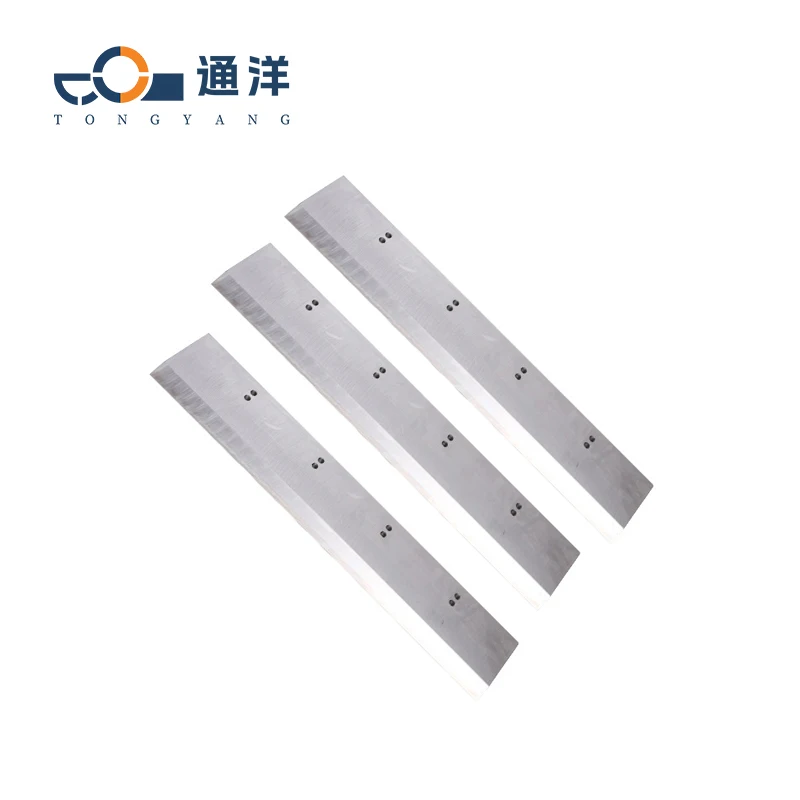
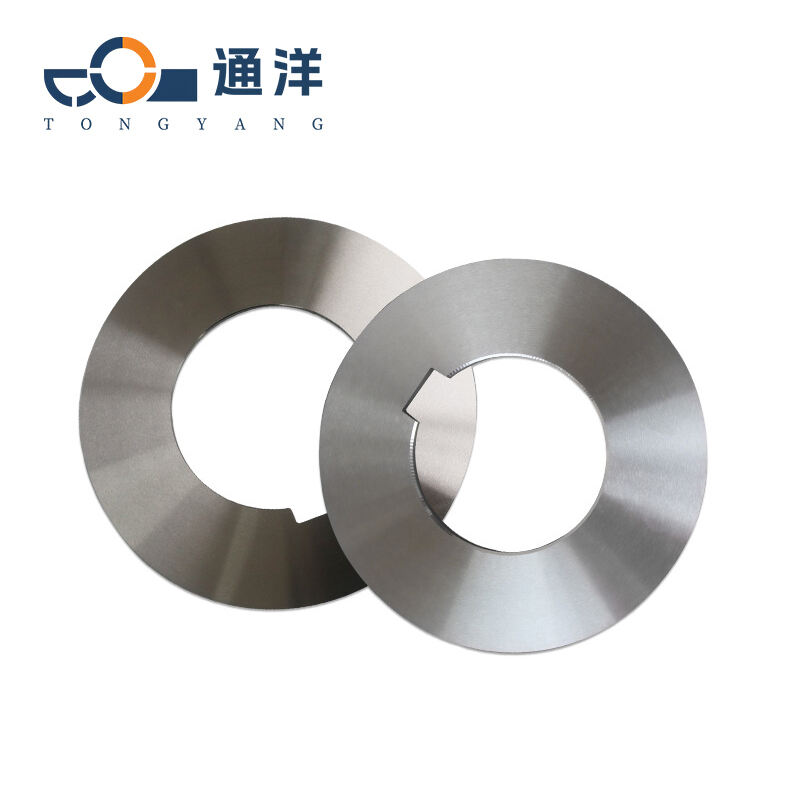
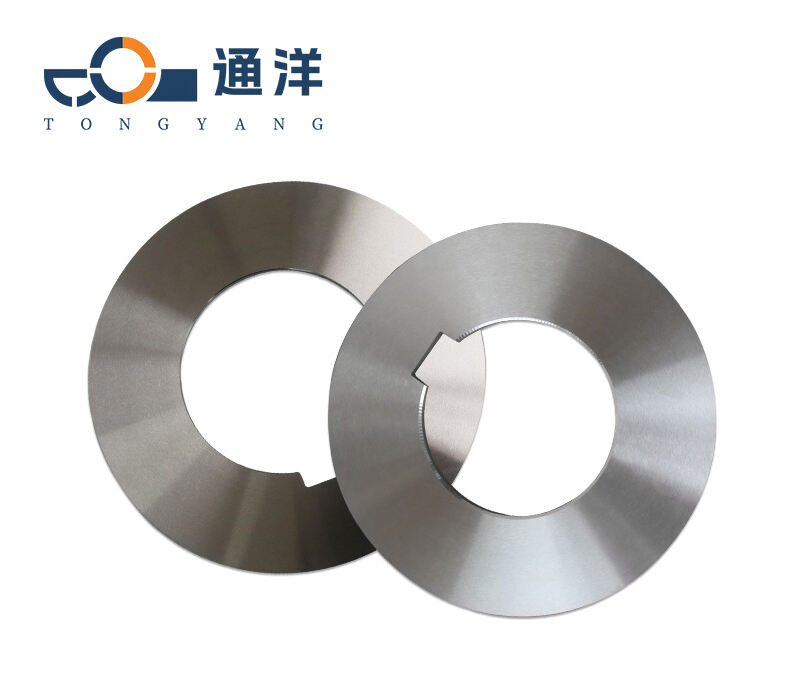
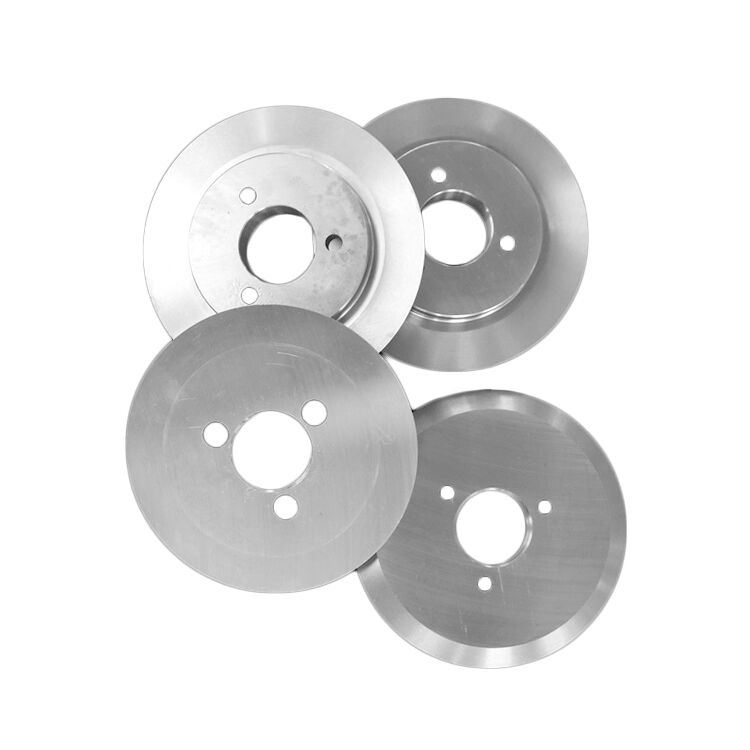
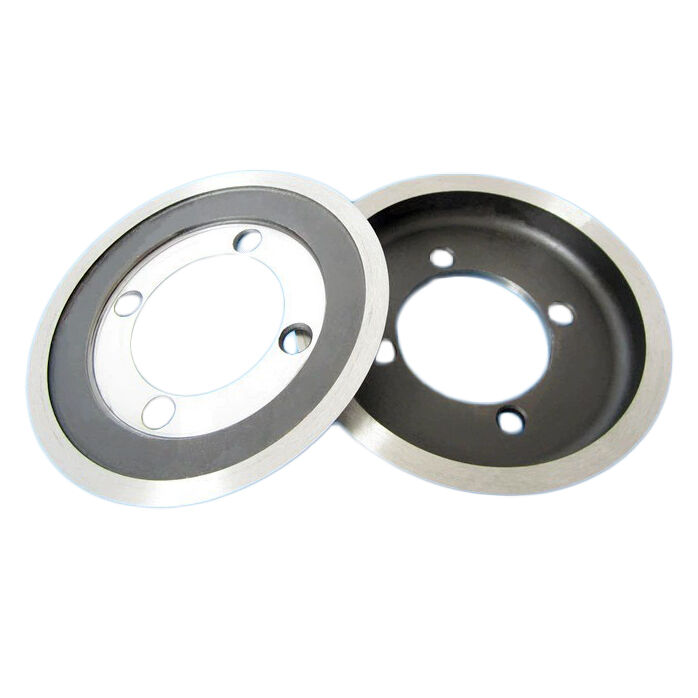
Professional Leather Rotary Cutter - Precision Cutting Tool for All Leather Working Applications

All Categories

Get a Free Quote

Our representative will contact you soon.
Email
WhatsApp
Name
Company Name
Message
0/1000

leather rotary cutter

The leather rotary cutter represents a revolutionary advancement in leather working equipment, combining precision engineering with user-friendly operation to deliver exceptional cutting performance across diverse applications. This specialized cutting tool utilizes a circular blade mechanism that rotates continuously during operation, enabling smooth, clean cuts through various leather thicknesses and types. Unlike traditional straight-blade cutting methods, the leather rotary cutter employs advanced rotational technology that minimizes material drag and reduces cutting resistance, resulting in superior edge quality and enhanced operational efficiency. The primary function of this equipment centers on providing accurate, consistent cuts for leather materials ranging from soft garments to heavy upholstery grades. Professional craftspeople, manufacturing facilities, and hobbyists alike benefit from the leather rotary cutter's versatile capabilities. The technological features incorporated into modern leather rotary cutter designs include adjustable blade depth controls, ergonomic handle configurations, precision guide systems, and quick-change blade mechanisms. These innovations ensure operators can adapt the leather rotary cutter to specific project requirements while maintaining safety standards and cutting accuracy. The application scope spans numerous industries including fashion design, automotive upholstery, furniture manufacturing, footwear production, and artisanal leather crafting. Each sector leverages the leather rotary cutter's unique capabilities to streamline production workflows and elevate finished product quality. The equipment's compact design facilitates both stationary workbench mounting and portable hand-held operation, offering flexibility for different workspace configurations. Material compatibility extends beyond traditional leather to include synthetic alternatives, vinyl, and composite materials, expanding the leather rotary cutter's utility across modern manufacturing environments. The cutting mechanism itself features hardened steel blades engineered for extended service life, reducing replacement frequency and operational downtime. Many contemporary leather rotary cutter models incorporate safety shields, blade guards, and ergonomic features that protect operators while promoting comfortable extended use throughout production shifts.

New Product Recommendations

Investing in a quality leather rotary cutter delivers substantial practical benefits that directly impact your bottom line and production capabilities. First and foremost, this equipment dramatically increases cutting speed compared to manual knife methods, allowing you to complete projects faster and accept more orders without compromising quality. The continuous rotation action of the leather rotary cutter blade creates effortless cutting motion that requires minimal physical pressure, reducing hand fatigue and enabling longer productive work sessions. This ergonomic advantage proves especially valuable for professionals who perform repetitive cutting operations throughout their workday. The precision offered by a leather rotary cutter ensures every cut maintains consistent accuracy, eliminating the wavy edges and imperfections common with freehand cutting techniques. This reliability translates to less material waste, as you can maximize pattern layouts and reduce costly errors that require starting over. Your finished products exhibit professional-quality edges that require minimal additional finishing, saving time on post-cutting processes like edge trimming or sanding. The versatility of the leather rotary cutter means you can handle diverse project types with a single tool, from intricate curved patterns to long straight cuts, without switching between multiple implements. This consolidation simplifies your tool inventory and reduces equipment costs. The clean cutting action prevents material fraying and tearing, which is particularly important when working with expensive premium leather where material costs significantly impact project profitability. Maintenance requirements remain minimal, with straightforward blade replacement procedures that take minutes rather than requiring specialized technical knowledge. The durability of professional-grade leather rotary cutter models ensures years of reliable service, making the initial investment cost-effective when calculated over the equipment's operational lifespan. Beginners find the leather rotary cutter easier to master than traditional cutting methods, shortening the learning curve and allowing newer craftspeople to produce quality results sooner. The safety features integrated into modern leather rotary cutter designs protect users from accidental injuries, creating a more secure working environment that reduces workplace accidents and associated costs. Portable models provide flexibility to work at different locations, whether you need to cut materials at client sites, during craft shows, or in various areas of your workshop. The consistent results achieved with a leather rotary cutter enhance your professional reputation, as clients recognize the superior finish quality and precise execution that characterize your work.

Tips And Tricks

Can a Circular Blade Cut Metal? A Look at Hardened Metal Cutting Blades

25

Mar

Can a Circular Blade Cut Metal? A Look at Hardened Metal Cutting Blades

The ability to cut through metal efficiently and precisely has always been a cornerstone of modern manufacturing and fabrication industries. When professionals need to slice through various metal materials, the choice of cutting tool can make the dif...
View More
Industrial Corrugated Cardboard Cutting Blade Selection Tips

25

Mar

Industrial Corrugated Cardboard Cutting Blade Selection Tips

Selecting the right cutting blade for corrugated cardboard processing operations represents a critical decision that directly impacts production efficiency, product quality, and operational costs. Industrial facilities handling large volumes of corru...
View More
Comparing Steel vs Ceramic Paper Cutting Blades

30

Mar

Comparing Steel vs Ceramic Paper Cutting Blades

When selecting the right paper cutting blade for industrial or commercial applications, the choice between steel and ceramic materials represents one of the most critical decisions affecting cut quality, operational efficiency, and long-term costs. E...
View More
How to Sharpen Your Circular Knife: Step-by-Step Guide

30

Apr

How to Sharpen Your Circular Knife: Step-by-Step Guide

Maintaining the sharpness of your circular knife is essential for achieving clean, precise cuts in industrial and commercial applications. Whether you work in rubber processing, textile manufacturing, paper cutting, or food production, a dull circula...
View More

Get a Free Quote

Our representative will contact you soon.
Email
WhatsApp
Name
Company Name
Message
0/1000

leather rotary cutter

Exceptional Cutting Precision for Professional Results

Exceptional Cutting Precision for Professional Results

The leather rotary cutter distinguishes itself through unparalleled cutting precision that transforms how professionals and enthusiasts approach leather working projects. This precision stems from the engineering excellence built into every component of the leather rotary cutter system. The circular blade design maintains consistent contact with the material surface throughout the cutting motion, eliminating the rocking or pivoting movements that introduce variations in traditional knife cutting. This stable cutting geometry ensures each incision follows your intended path with remarkable accuracy, whether you are executing straight lines, gentle curves, or complex pattern shapes. The blade's continuous rotation distributes cutting forces evenly across the material, preventing the pulling or distortion that can occur when using stationary blades that require sawing motions. For detailed work requiring intricate patterns or tight radius curves, the leather rotary cutter provides unmatched control and responsiveness. The precision guidance systems available on advanced leather rotary cutter models incorporate measurement scales, angle guides, and adjustable fences that enable repeatable cuts with mathematical accuracy. This capability proves invaluable when producing multiple identical pieces for commercial production runs, ensuring every component matches specifications exactly. The leather rotary cutter's precision directly impacts material utilization efficiency, as tighter tolerances allow more economical pattern nesting that extracts maximum yield from each leather hide. This optimization reduces raw material costs substantially over time, particularly when working with premium leather grades where price per square foot reaches significant levels. The clean, precise edges produced by the leather rotary cutter require minimal secondary finishing operations, streamlining your workflow and reducing labor time per piece. In production environments, this efficiency multiplies across hundreds or thousands of cuts, generating substantial time savings that improve throughput and profitability. The precision capabilities extend across different leather types and thicknesses, as the leather rotary cutter adjusts to accommodate materials ranging from delicate lamb skin to heavy saddle leather. This versatility ensures consistent results regardless of project requirements, building confidence in your ability to handle diverse client requests. Quality control becomes simpler when using a leather rotary cutter, as the equipment's inherent precision reduces variation between pieces and minimizes defect rates. For businesses maintaining certification standards or quality management systems, the leather rotary cutter supports compliance by providing documented, repeatable cutting processes that meet specification requirements consistently.
Enhanced Operator Comfort and Reduced Fatigue

Enhanced Operator Comfort and Reduced Fatigue

The ergonomic design philosophy incorporated into modern leather rotary cutter equipment prioritizes operator comfort, recognizing that physical strain directly impacts productivity, quality, and long-term health outcomes. Unlike manual cutting knives that require substantial grip pressure and repetitive motion patterns that stress hand muscles and joints, the leather rotary cutter employs mechanical advantage that minimizes the physical effort required from operators. The rotating blade mechanism performs the cutting work through rotational momentum rather than requiring users to apply continuous downward pressure throughout each cut. This fundamental mechanical difference reduces the muscular load on hands, wrists, forearms, and shoulders, preventing the cumulative trauma injuries common among leather workers who use traditional cutting methods extensively. The handle designs on quality leather rotary cutter models feature contoured grips engineered to distribute pressure evenly across the palm and fingers, eliminating the hot spots and pressure points that cause discomfort during extended use. Many professional-grade leather rotary cutter options incorporate cushioned grip materials that absorb vibration and provide a secure, comfortable interface between tool and user. The balanced weight distribution prevents the tip-heavy feel that causes wrist strain when controlling cutting direction, allowing operators to guide the leather rotary cutter smoothly with minimal corrective movements. This natural handling characteristic reduces the concentration required for accurate cuts, enabling operators to work efficiently for longer periods without mental fatigue. The reduced physical demand translates to higher consistent quality throughout production shifts, as operators maintain steady control and attention to detail without the declining performance that accompanies physical exhaustion. For business owners, the ergonomic advantages of the leather rotary cutter contribute to workforce health, reducing absenteeism related to repetitive strain injuries and creating a more positive work environment that supports employee retention. The operational efficiency gains compound over time, as workers maintain peak productivity throughout full shifts rather than experiencing declining output as fatigue accumulates. Hobbyists and part-time crafters benefit equally, as the leather rotary cutter enables enjoyable extended crafting sessions without the hand soreness that can discourage continued engagement with leather working projects. The accessibility this provides helps beginners develop skills without being discouraged by physical discomfort before they master techniques. The reduced effort requirement also opens leather working to individuals with reduced hand strength or arthritis concerns who might otherwise find traditional cutting methods prohibitively difficult, expanding the potential audience for leather crafting education and commercial services.
Versatile Application Across Multiple Leather Types and Projects

Versatile Application Across Multiple Leather Types and Projects

The remarkable versatility inherent in leather rotary cutter technology positions this equipment as an essential tool capable of addressing diverse cutting requirements across varied project types, material specifications, and production scales. This adaptability eliminates the need for multiple specialized cutting tools, streamlining workshop equipment inventories while expanding creative possibilities. The leather rotary cutter handles soft, supple garment leather with the same competence it applies to firm, dense leather suitable for belts, saddles, or heavy bags. This material range flexibility results from the adjustable blade depth and pressure settings available on quality leather rotary cutter models, allowing operators to customize cutting parameters for optimal results with each material type. When working with thin materials, the leather rotary cutter can be configured for minimal blade exposure that prevents over-cutting and protects work surfaces, while thicker materials receive deeper blade penetration and increased cutting force. The ability to execute both straight cuts and curved paths with equal proficiency makes the leather rotary cutter suitable for pattern cutting, trim work, and detail operations within single projects. Fashion designers utilize the leather rotary cutter for cutting garment panels, creating fringe details, and trimming seam allowances with consistent accuracy. Furniture upholsterers rely on leather rotary cutter precision when cutting panel sections that must align perfectly during assembly. Automotive restoration specialists depend on the leather rotary cutter for creating replacement interior components that match original specifications exactly. Footwear manufacturers incorporate leather rotary cutter technology into production lines for cutting shoe components with the repeatability required for commercial manufacturing. Artisan leather workers leverage the leather rotary cutter's control for executing intricate artistic designs that demand precision beyond what manual cutting can reliably achieve. The portability options available with hand-held leather rotary cutter models support mobile applications, enabling craftspeople to work at client locations, during demonstrations, or at temporary event venues. This flexibility expands business opportunities and service offerings beyond fixed workshop limitations. The leather rotary cutter adapts to both small-scale custom projects and volume production scenarios equally well, making it appropriate for businesses at various growth stages. Start-up operations benefit from the single-tool versatility that minimizes initial equipment investment, while established manufacturers appreciate the leather rotary cutter's capability to maintain quality standards across high-volume production runs. The equipment's compatibility with synthetic leather alternatives and composite materials ensures relevance as material technologies evolve and environmental considerations drive adoption of alternative materials in leather goods manufacturing.

Get a Free Quote

Our representative will contact you soon.
Email
WhatsApp
Name
Company Name
Message
0/1000
Newsletter
Please Leave A Message With Us