Pneumatic Blade Holder for Textile - Precision Cutting Solutions for Modern Fabric Manufacturing

All Categories

Get a Free Quote

Our representative will contact you soon.
Email
WhatsApp
Name
Company Name
Message
0/1000

pneumatic blade holder for textile

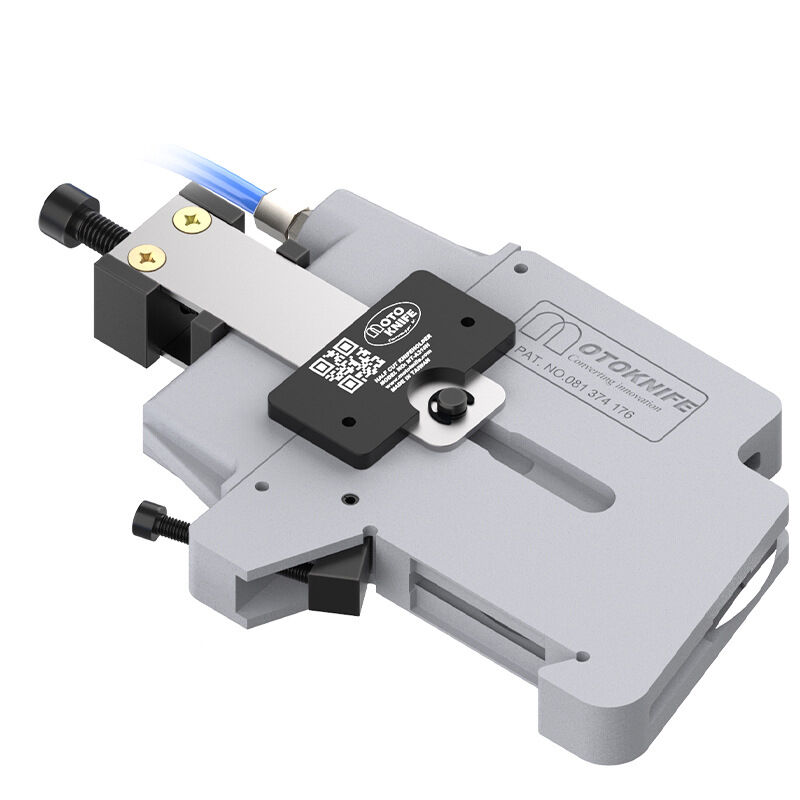
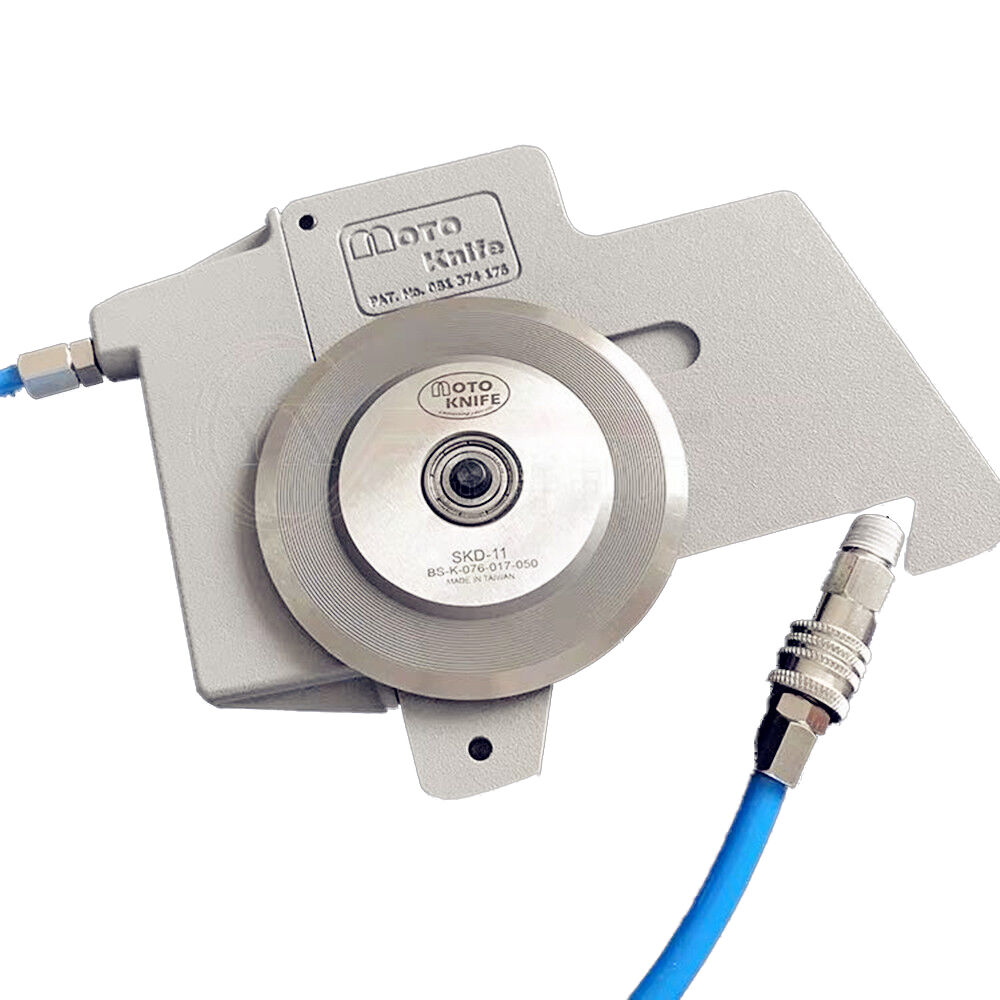
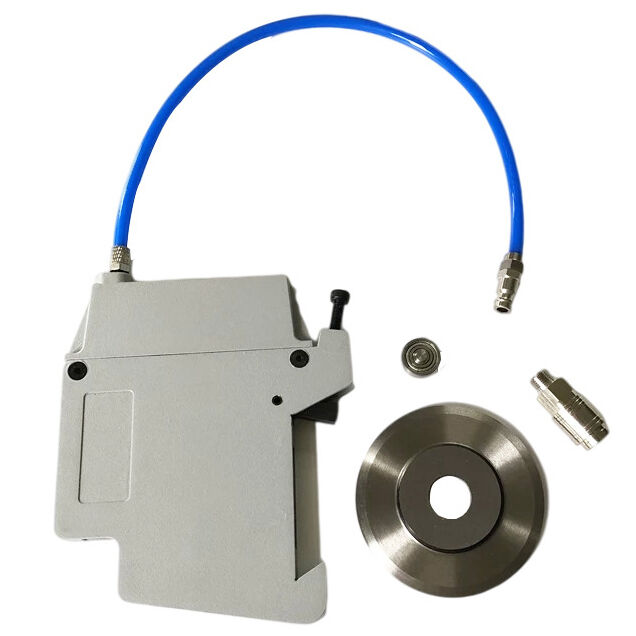
The pneumatic blade holder for textile represents a critical advancement in modern fabric manufacturing and processing operations. This sophisticated device utilizes compressed air technology to secure, position, and manipulate cutting blades with remarkable precision during textile production processes. Engineered specifically for the demanding requirements of textile manufacturing environments, the pneumatic blade holder for textile combines mechanical efficiency with pneumatic power to deliver consistent, reliable performance across various fabric types and production speeds. The core functionality of this equipment centers on its ability to maintain optimal blade positioning while accommodating the dynamic requirements of high-speed textile operations. By harnessing pneumatic pressure, the system ensures uniform blade contact with fabric surfaces, eliminating inconsistencies that can compromise product quality. The technological architecture incorporates advanced pressure regulation mechanisms that enable operators to adjust holding force according to specific material characteristics, thickness variations, and processing requirements. This adaptability makes the pneumatic blade holder for textile suitable for diverse applications ranging from delicate silk processing to heavy-duty industrial fabric cutting. The device features robust construction using corrosion-resistant materials that withstand the challenging conditions prevalent in textile manufacturing facilities, including exposure to moisture, fibers, and chemical treatments. Integration capabilities allow seamless incorporation into existing production lines, minimizing installation complexity and operational disruptions. Modern pneumatic blade holder for textile systems incorporate safety mechanisms that prevent accidental blade release and protect operators from potential hazards. The quick-change blade mounting system reduces downtime during blade replacement procedures, directly impacting productivity metrics. Temperature compensation features ensure consistent performance despite environmental fluctuations common in textile processing environments. The pneumatic actuation provides smooth, controlled blade movements that reduce fabric stress and minimize edge fraying, particularly important when working with delicate or expensive materials. Overall, this technology represents an essential component for manufacturers seeking to optimize cutting precision, enhance production efficiency, and maintain competitive advantages in the global textile marketplace.

New Product Recommendations

Investing in a pneumatic blade holder for textile delivers measurable improvements across multiple operational dimensions that directly impact your bottom line. First and foremost, this technology dramatically increases cutting accuracy compared to manual or mechanically-actuated alternatives. The pneumatic system maintains consistent blade pressure throughout extended production runs, ensuring every cut meets your quality standards without requiring constant operator adjustment. This consistency translates to reduced material waste, as fewer pieces are rejected due to improper cuts or irregular edges. Your production teams will appreciate the significant reduction in physical strain, since the pneumatic mechanism handles the force requirements that operators would otherwise need to exert manually. This ergonomic advantage leads to reduced fatigue, fewer workplace injuries, and improved employee satisfaction. The speed advantages are equally compelling. The pneumatic blade holder for textile enables faster blade engagement and release cycles, allowing your production lines to operate at higher speeds without sacrificing precision. This acceleration capability means you can fulfill orders more quickly, accept additional contracts, and respond faster to market demands. Maintenance requirements are refreshingly straightforward, as pneumatic systems contain fewer moving parts than complex mechanical alternatives. This simplicity results in lower maintenance costs, reduced spare parts inventory, and less frequent production interruptions for repairs. The versatility of the pneumatic blade holder for textile across different fabric types eliminates the need for multiple specialized cutting systems, consolidating your equipment investment and simplifying operator training. Energy efficiency represents another practical benefit, as pneumatic systems typically consume less power than electric motor-driven alternatives while delivering superior performance characteristics. The instant response of compressed air means the system activates immediately when needed and deactivates just as quickly, avoiding the energy waste associated with continuously running motors. Safety improvements protect both your workforce and your investment, with pneumatic systems offering inherent fail-safe characteristics that prevent dangerous blade movement during pressure loss. The clean operation of pneumatic actuation produces no sparks, making it ideal for environments where fabric dust creates potential fire hazards. Installation flexibility allows positioning in various orientations and locations throughout your facility, adapting to your specific layout constraints and workflow requirements. The scalability of pneumatic blade holder for textile systems means you can start with a single unit and expand your implementation as production demands grow, protecting your initial investment while supporting business growth. These combined advantages create a compelling value proposition that improves operational efficiency, product quality, workplace safety, and financial performance.

Tips And Tricks

How to Extend Your Film Slitting Blade Lifespan

25

Mar

How to Extend Your Film Slitting Blade Lifespan

Manufacturing operations that rely on precise film cutting know that blade performance directly impacts production efficiency and product quality. A well-maintained film slitting blade can significantly reduce downtime, minimize material waste, and e...
View More
How to Choose the Right Circular Knife for Your Cutting Application

25

Mar

How to Choose the Right Circular Knife for Your Cutting Application

Selecting the appropriate cutting tool for industrial applications can significantly impact productivity, product quality, and operational costs. Among the various cutting instruments available in manufacturing environments, the circular knife stands...
View More
Common Slitter Blades Problems and Solutions

30

Mar

Common Slitter Blades Problems and Solutions

Manufacturing operations that rely on slitter blades face a variety of challenges that can significantly impact production efficiency, material quality, and operational costs. Understanding the most common problems associated with slitter blades and ...
View More
Metal Cutting Blade Maintenance: Essential Tips

30

Apr

Metal Cutting Blade Maintenance: Essential Tips

Metal cutting blades are critical components in industrial manufacturing environments, directly influencing productivity, cut quality, and operational safety. Whether deployed in metal slitting machines, shearing operations, or precision cutting appl...
View More

Get a Free Quote

Our representative will contact you soon.
Email
WhatsApp
Name
Company Name
Message
0/1000

pneumatic blade holder for textile

Precision Control Through Advanced Pneumatic Technology

Precision Control Through Advanced Pneumatic Technology

The pneumatic blade holder for textile achieves unprecedented precision through its sophisticated air pressure management system that sets new standards for cutting accuracy in fabric processing operations. At the heart of this capability lies a carefully engineered pressure regulation mechanism that allows operators to dial in exact holding force measurements matched to specific fabric characteristics. Unlike rigid mechanical systems that apply fixed pressure regardless of material properties, the pneumatic approach provides infinite adjustability within its operating range. This flexibility proves invaluable when transitioning between different fabric types throughout a production shift, as operators simply adjust the pressure settings rather than physically reconfiguring mechanical components. The system maintains this precise pressure consistently across thousands of cutting cycles, eliminating the gradual force degradation that occurs with spring-loaded mechanical holders. Sensors integrated into advanced pneumatic blade holder for textile models provide real-time feedback about actual pressure levels, alerting operators to any deviations from target settings before quality issues emerge. The response speed of pneumatic actuation delivers another dimension of precision, as compressed air moves and adjusts almost instantaneously compared to mechanical linkages that require time to overcome inertia and friction. This rapid response enables the blade holder to accommodate sudden fabric thickness variations, maintaining optimal contact pressure even when processing materials with inconsistent properties. The smooth, vibration-free operation inherent to pneumatic systems prevents the microscopic blade movements that can create ragged edges or uneven cuts. Temperature stability represents another precision advantage, as the pneumatic blade holder for textile maintains consistent performance across wide temperature ranges, unlike mechanical systems where metal expansion and contraction affect holding force. The ability to program and store multiple pressure profiles allows manufacturers to create optimized settings for their most commonly processed fabrics, then recall these configurations instantly when switching production runs. This programmability, combined with the inherent precision of pneumatic control, eliminates the trial-and-error adjustments typically required when changing materials. Quality control data from facilities using pneumatic blade holder for textile systems consistently shows reduced variation in cut dimensions, fewer rejected pieces, and improved edge finish quality. These measurable improvements directly impact profitability by reducing material waste and minimizing the labor costs associated with inspecting and sorting output.
Enhanced Operational Efficiency and Production Speed

Enhanced Operational Efficiency and Production Speed

The pneumatic blade holder for textile fundamentally transforms production efficiency by eliminating bottlenecks and delays that constrain output in conventional cutting operations. The rapid engagement and disengagement cycles possible with pneumatic actuation allow production lines to operate at significantly higher speeds than mechanically-actuated alternatives can support. When a cutting operation begins, the pneumatic system brings the blade into proper contact position in a fraction of a second, compared to the multiple seconds required for mechanical adjustment mechanisms. This time difference, multiplied across thousands of cuts per shift, accumulates into substantial productivity gains that can increase overall equipment effectiveness by measurable percentages. The quick-release capability proves equally valuable during blade change procedures, as operators simply activate a release valve to instantly disengage the holding pressure, remove the spent blade, install a fresh cutting edge, and re-engage the system in moments. Contrast this streamlined process with mechanical holders requiring loosening multiple fasteners, careful blade positioning, and sequential tightening procedures. The time savings during blade changes translate to extended productive runtime and reduced labor costs for maintenance activities. The pneumatic blade holder for textile also supports continuous operation strategies, as the system requires minimal intervention once properly configured for a specific fabric type. Operators can focus attention on material handling and quality monitoring rather than constantly adjusting blade holder settings. The consistent performance characteristics mean that production speed settings established during setup remain valid throughout extended runs, avoiding the gradual slowdowns necessary with mechanical systems experiencing wear-related performance changes. Integration with automated fabric feeding systems becomes more effective when using pneumatic blade holder for textile equipment, as the rapid response characteristics synchronize perfectly with high-speed material handling automation. The system can accommodate varying fabric feed rates without requiring recalibration, automatically maintaining proper blade contact as material speed fluctuates. Energy recovery features in advanced pneumatic systems capture and reuse compressed air, improving overall system efficiency and reducing operational costs. The simplified maintenance requirements mean technicians spend less time servicing blade holder systems and more time supporting other production equipment, optimizing your maintenance workforce allocation. Reliability metrics from industrial deployments demonstrate that pneumatic blade holder for textile systems achieve higher uptime percentages compared to mechanical alternatives, directly contributing to improved production capacity utilization.
Superior Adaptability Across Diverse Textile Applications

Superior Adaptability Across Diverse Textile Applications

The pneumatic blade holder for textile excels in versatility, offering manufacturers a single solution capable of handling an extraordinarily wide range of fabric types, weights, and processing requirements that would traditionally demand multiple specialized cutting systems. This adaptability begins with the fundamental pneumatic operating principle, which allows continuous adjustment of holding force from delicate pressures suitable for sheer fabrics to robust clamping forces required for heavy industrial textiles. A manufacturer processing everything from lightweight cotton blends to thick upholstery materials can configure the same pneumatic blade holder for textile unit to handle this entire spectrum simply by adjusting pressure settings. This flexibility eliminates capital expenditure on multiple dedicated cutting systems, reducing equipment costs while simplifying operator training and spare parts inventory management. The compact design of pneumatic blade holder for textile systems enables installation in space-constrained production environments where larger mechanical alternatives cannot fit, opening possibilities for facility layout optimization. Mounting orientation flexibility means the system functions equally well in horizontal, vertical, or angled positions, adapting to diverse production line configurations and workflow patterns. When processing technical textiles with specialized coatings or treatments, the pneumatic blade holder for textile can be configured with materials and seals compatible with specific chemical exposures, ensuring longevity even in harsh processing environments. The system accommodates various blade types and geometries, from straight cutting edges to specialized profiles designed for particular fabric structures, without requiring holder replacement. This blade compatibility protects your investment while supporting production diversity. The pneumatic blade holder for textile integrates seamlessly with both legacy equipment and modern automated production lines, thanks to standardized pneumatic interfaces and control signal compatibility. Manufacturers implementing Industry 4.0 initiatives find that pneumatic systems readily accept digital control signals and provide feedback data for production monitoring systems, supporting advanced manufacturing strategies. Seasonal production variations that require processing different fabric types become less challenging when your cutting equipment adapts instantly to changing requirements. Custom fabric processing for specialized applications benefits from the pneumatic blade holder for textile precision adjustment capabilities, enabling manufacturers to develop optimal settings for unusual materials that mechanical systems struggle to handle. Export-oriented manufacturers appreciate that pneumatic systems operate reliably across different electrical standards and power supply conditions common in international facilities, simplifying global production expansion. The environmental adaptability extends to operation in temperature and humidity ranges that challenge other technologies, making the pneumatic blade holder for textile suitable for facilities lacking sophisticated climate control.

Get a Free Quote

Our representative will contact you soon.
Email
WhatsApp
Name
Company Name
Message
0/1000
Newsletter
Please Leave A Message With Us