Pneumatic Slitter Holder: Precision Blade Mounting Solutions for Converting Operations

All Categories

Get a Free Quote

Our representative will contact you soon.
Email
WhatsApp
Name
Company Name
Message
0/1000

pneumatic slitter holder

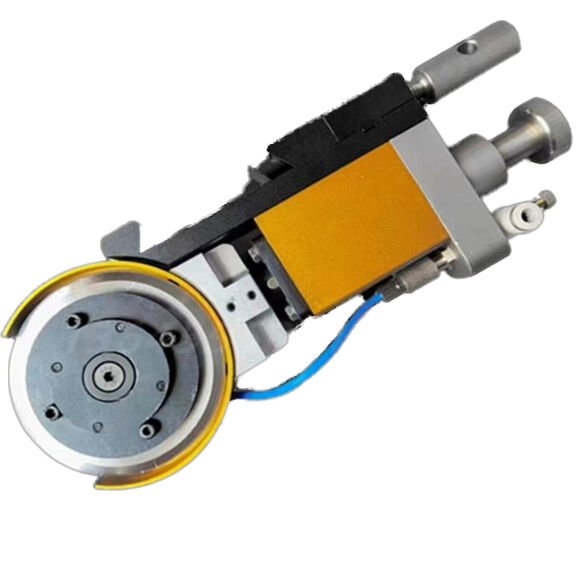
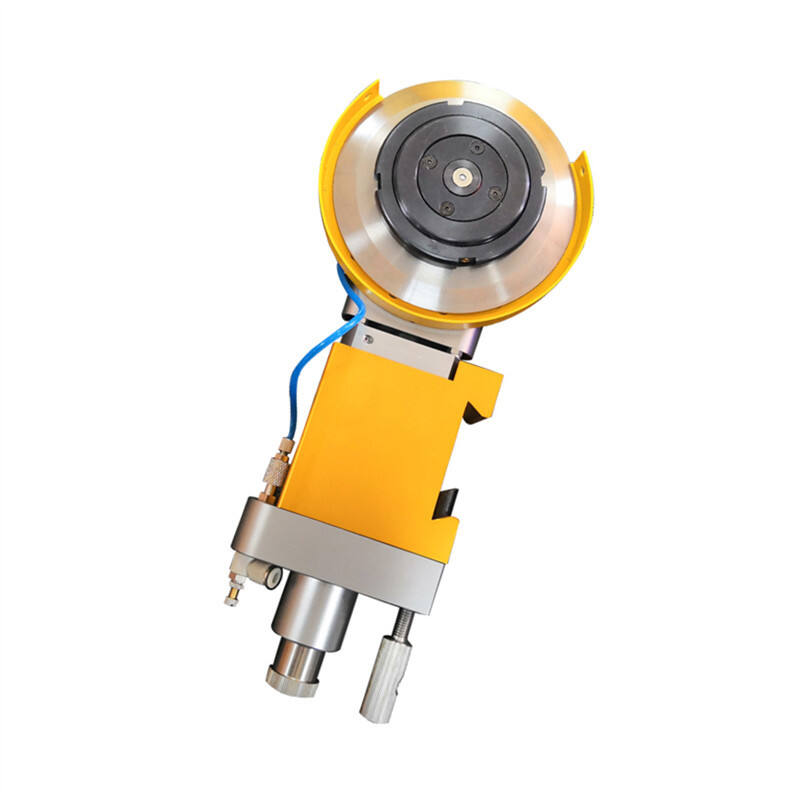
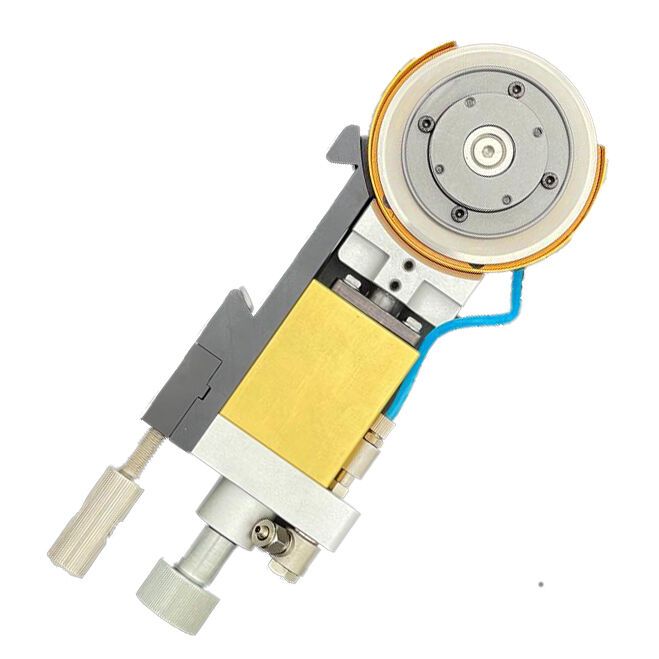
The pneumatic slitter holder represents a critical component in modern converting and manufacturing operations, designed to secure slitter blades with precision and reliability during high-speed cutting processes. This specialized tool holder utilizes compressed air technology to clamp and release cutting blades efficiently, ensuring consistent performance across various material processing applications. The pneumatic slitter holder functions as an intermediary device between the slitter shaft and the cutting blade itself, providing stable blade positioning while allowing for quick changeovers when different cutting configurations are required. Manufacturing facilities that process paper, film, foil, textiles, and other flexible materials rely heavily on these holders to maintain production efficiency and product quality. The fundamental operation of a pneumatic slitter holder involves channeling pressurized air through internal passages to activate a clamping mechanism that securely grips the blade. When air pressure is released, the holder opens, permitting rapid blade removal or adjustment without requiring manual tools or complicated procedures. This pneumatic actuation system distinguishes these holders from traditional mechanical versions that depend on bolts, screws, or other fastening methods. The design incorporates precision-machined surfaces that ensure accurate blade alignment, preventing deflection during operation and maintaining consistent cutting quality throughout production runs. Modern pneumatic slitter holder units feature balanced construction to minimize vibration at elevated rotational speeds, which is essential for achieving clean edges and preventing material damage. The holders accommodate various blade thicknesses and styles, offering versatility for different cutting requirements. Installation on slitter shafts follows standardized mounting protocols, enabling compatibility across different machinery platforms. Maintenance requirements remain minimal due to the simple pneumatic mechanism, though regular inspection of air passages and sealing components ensures optimal performance. The pneumatic slitter holder has become an industry standard in converting operations worldwide, valued for its combination of speed, precision, and operational simplicity that directly contributes to enhanced productivity and reduced downtime in demanding manufacturing environments.

New Products

Understanding the practical benefits of implementing a pneumatic slitter holder in your production facility reveals why this technology has gained widespread adoption across numerous industries. The foremost advantage centers on dramatically reduced changeover times, which directly translates to increased production capacity and improved operational efficiency. Traditional blade holders require operators to manually loosen and tighten fasteners, a process that consumes valuable minutes or even hours depending on the complexity of the setup. With a pneumatic slitter holder, blade changes occur in seconds simply by releasing air pressure, removing the old blade, inserting the new one, and reapplying pressure. This speed advantage means your production line spends more time running and less time sitting idle during format changes. The consistency provided by pneumatic clamping ensures that every blade is held with identical force, eliminating the variability introduced by manual tightening where different operators may apply different torque levels. This uniformity results in more predictable cutting performance and reduces the likelihood of quality issues caused by improperly secured blades. Safety improvements represent another significant benefit, as operators no longer need to work with wrenches and tools near rotating equipment or sharp blades during changeovers. The hands-free nature of pneumatic release reduces injury risks associated with manual blade handling. Cost savings accumulate through multiple channels when using a pneumatic slitter holder system. Reduced labor hours for changeovers lower operational expenses, while improved blade life results from consistent clamping pressure that prevents excessive wear or damage. The precision alignment inherent in quality pneumatic holders minimizes material waste by producing cleaner cuts with fewer rejected products. Maintenance demands decrease because pneumatic systems contain fewer wearing parts compared to mechanical alternatives, and the components that do exist are generally robust and long-lasting. Flexibility in production scheduling becomes easier to achieve when changeovers happen quickly, allowing manufacturers to run shorter production batches economically and respond more rapidly to customer demands. The pneumatic slitter holder also supports quality initiatives by maintaining tighter tolerances on cut widths and edge conditions, which is particularly important for customers producing high-value materials where precision matters. Operator satisfaction improves when workers have access to tools that make their jobs easier and less physically demanding. The ergonomic benefits of pneumatic systems reduce fatigue during shifts involving multiple changeovers. Environmental considerations favor pneumatic technology since compressed air represents a clean power source without hydraulic fluids that could potentially contaminate products. Overall system reliability increases because pneumatic slitter holder designs incorporate fewer failure points and can operate continuously in challenging production environments including those with temperature variations, dust, or moisture that might compromise other technologies.

Practical Tips

How to Choose the Perfect Rubber Cutting Knife

25

Mar

How to Choose the Perfect Rubber Cutting Knife

In industrial manufacturing and crafting applications, selecting the right cutting tool can significantly impact productivity, precision, and safety. A rubber cutting knife serves as an essential instrument for professionals working with various rubb...
View More
2025 Guide: Choosing the Right Slitter Blades for Your Industry

09

Apr

2025 Guide: Choosing the Right Slitter Blades for Your Industry

Selecting the appropriate slitter blades for your specific industry applications represents a critical decision that directly impacts operational efficiency, product quality, and overall production costs. Industrial cutting operations across manufact...
View More
Common Slitter Blades Problems and Solutions

30

Mar

Common Slitter Blades Problems and Solutions

Manufacturing operations that rely on slitter blades face a variety of challenges that can significantly impact production efficiency, material quality, and operational costs. Understanding the most common problems associated with slitter blades and ...
View More
Leather Cutting Blade Maintenance: Essential Tips

30

Apr

Leather Cutting Blade Maintenance: Essential Tips

Proper maintenance of your leather cutting blade directly determines the quality of your cuts, the longevity of your equipment, and the efficiency of your production workflow. Whether you operate a small leather workshop or manage a large-scale manuf...
View More

Get a Free Quote

Our representative will contact you soon.
Email
WhatsApp
Name
Company Name
Message
0/1000

pneumatic slitter holder

Rapid Blade Exchange Technology

Rapid Blade Exchange Technology

The rapid blade exchange capability of a pneumatic slitter holder fundamentally transforms how converting operations manage production transitions and maintain competitive advantage in fast-paced manufacturing environments. This technological innovation addresses one of the most persistent challenges in the converting industry: minimizing downtime during format changes while maintaining quality standards. Traditional mechanical blade holders create bottlenecks in production flow because changing blade configurations demands significant time investment from skilled operators who must carefully loosen fasteners, remove blades, install new cutting arrangements, and then meticulously retighten all securing elements to proper specifications. This manual process not only consumes precious production minutes but also introduces human variability that can affect subsequent cutting performance. The pneumatic slitter holder eliminates these limitations through its air-powered clamping system that operates instantaneously at the touch of a control valve. When changeover time arrives, operators simply redirect air flow to release blade pressure, allowing blades to be lifted free without resistance. New blades slide into position just as easily, and reactivating air pressure locks them securely in place with uniform clamping force across all holder positions. This streamlined approach reduces typical changeover durations from twenty or thirty minutes down to perhaps two or three minutes, depending on the complexity of the slitting pattern. The cumulative effect of these time savings becomes substantial across multiple shifts and numerous changeovers, effectively adding hours of productive runtime to each week without requiring additional equipment investment or extended operating schedules. Beyond pure speed, the rapid exchange system enhances workplace safety by minimizing the time operators spend in proximity to sharp cutting edges and rotating machinery components. The consistent clamping pressure applied by pneumatic systems ensures that blades maintain optimal positioning throughout production runs, preventing the gradual loosening that sometimes occurs with mechanical fasteners subjected to vibration and thermal cycling. This reliability means fewer mid-run adjustments and interruptions, further boosting overall equipment effectiveness. For manufacturers serving markets that demand frequent product variations or small batch sizes, the pneumatic slitter holder transforms economic equations by making short runs viable where setup times previously rendered them unprofitable. The technology empowers production planners with greater scheduling flexibility and enables sales teams to accept orders that might otherwise be declined due to changeover constraints.
Precision Blade Alignment System

Precision Blade Alignment System

Precision blade alignment stands as a defining characteristic that elevates the pneumatic slitter holder above alternative blade mounting solutions, delivering measurable quality improvements that directly impact product value and customer satisfaction. The engineering excellence embedded in these holders ensures that cutting blades maintain exact positioning relative to the material being processed and to adjacent blades in multi-blade configurations. This precision begins with the manufacturing process, where pneumatic slitter holder bodies are produced using advanced machining techniques that create mounting surfaces with tolerances measured in microns. These carefully controlled surfaces provide a stable foundation that prevents blade wobble, deflection, or migration during high-speed rotation. When compressed air activates the clamping mechanism, the resulting force distributes evenly across the blade contact area, pulling the blade firmly against the precision reference surfaces and establishing consistent positioning that remains stable throughout the production cycle. This level of alignment accuracy proves essential when processing materials that demand tight tolerance control on slit widths, such as specialized films, technical textiles, or precision foils used in electronic applications. Even minor deviations in blade position can result in out-of-specification products that must be scrapped or downgraded, representing direct financial losses and potential damage to customer relationships. The pneumatic slitter holder prevents these costly quality issues by maintaining blade geometry with exceptional consistency from the first meter of material through the last. The alignment precision also extends blade service life by ensuring that cutting edges engage material at optimal angles, reducing wear rates and extending intervals between blade changes. This benefit compounds over time as facilities process thousands of kilometers of material, with properly aligned blades lasting significantly longer than those held in less precise mounting systems. Another dimension of the precision alignment system involves its contribution to equipment longevity, as properly positioned blades generate less vibration and mechanical stress on bearings, shafts, and other machine components. This gentler operation reduces maintenance requirements and extends the intervals between major overhauls, protecting capital equipment investments. For manufacturers pursuing certification standards or operating under strict quality management systems, the documented precision of pneumatic slitter holder technology provides valuable support for validation activities and process capability studies. The measurable, repeatable performance characteristics align with modern manufacturing philosophies that emphasize statistical process control and continuous improvement initiatives.
Enhanced Operational Safety Features

Enhanced Operational Safety Features

Enhanced operational safety represents a paramount consideration in modern manufacturing facilities, and the pneumatic slitter holder delivers significant protective advantages that benefit both workers and organizations. The fundamental safety improvement stems from eliminating the need for operators to manually manipulate fasteners and tools in dangerous proximity to razor-sharp cutting blades and rotating machinery components. Traditional blade changing procedures require workers to position themselves close to hazard zones, using wrenches or other implements to loosen and tighten securing hardware while managing heavy, sharp blades that can cause severe lacerations if handled improperly. These manual operations create multiple injury opportunities, particularly when performed under production pressure or by less experienced personnel. The pneumatic slitter holder transforms this risky scenario into a controlled, predictable process where operators can maintain safe distances from hazards throughout the blade exchange sequence. By actuating pneumatic controls located away from the blade area, workers trigger the release mechanism remotely, allowing blades to be removed using proper handling tools and techniques without awkward reaching or positioning. The consistent clamping force applied by pneumatic pressure also eliminates a significant failure mode where inadequately tightened mechanical fasteners might allow blades to shift or even eject during operation, creating catastrophic safety incidents. Pneumatic systems apply predetermined, reliable pressure that meets or exceeds design specifications every single time, removing human judgment and physical capability from the safety equation. This consistency proves especially valuable in facilities operating multiple shifts where different personnel with varying skill levels perform changeovers, as the pneumatic slitter holder delivers identical safety performance regardless of who operates it. The lockout-tagout procedures required for equipment maintenance become simpler and more effective with pneumatic systems, since isolating compressed air sources creates clear, verifiable safe states that prevent accidental blade clamping during service activities. Many pneumatic slitter holder designs incorporate visual indicators that clearly show whether blades are clamped or released, providing at-a-glance safety status information that helps prevent misunderstandings or premature assumptions about equipment readiness. The reduced physical demands of pneumatic operation also address ergonomic safety concerns, as workers avoid the repetitive stress and strain associated with manual fastener manipulation that can lead to cumulative trauma injuries affecting hands, wrists, shoulders, and backs. Organizations implementing pneumatic slitter holder technology often observe measurable reductions in workplace injury rates, leading to lower workers compensation costs, improved employee morale, and enhanced corporate safety records that support positive relationships with regulators, insurers, and customers who increasingly evaluate supplier safety performance as part of procurement decisions.

Get a Free Quote

Our representative will contact you soon.
Email
WhatsApp
Name
Company Name
Message
0/1000
Newsletter
Please Leave A Message With Us