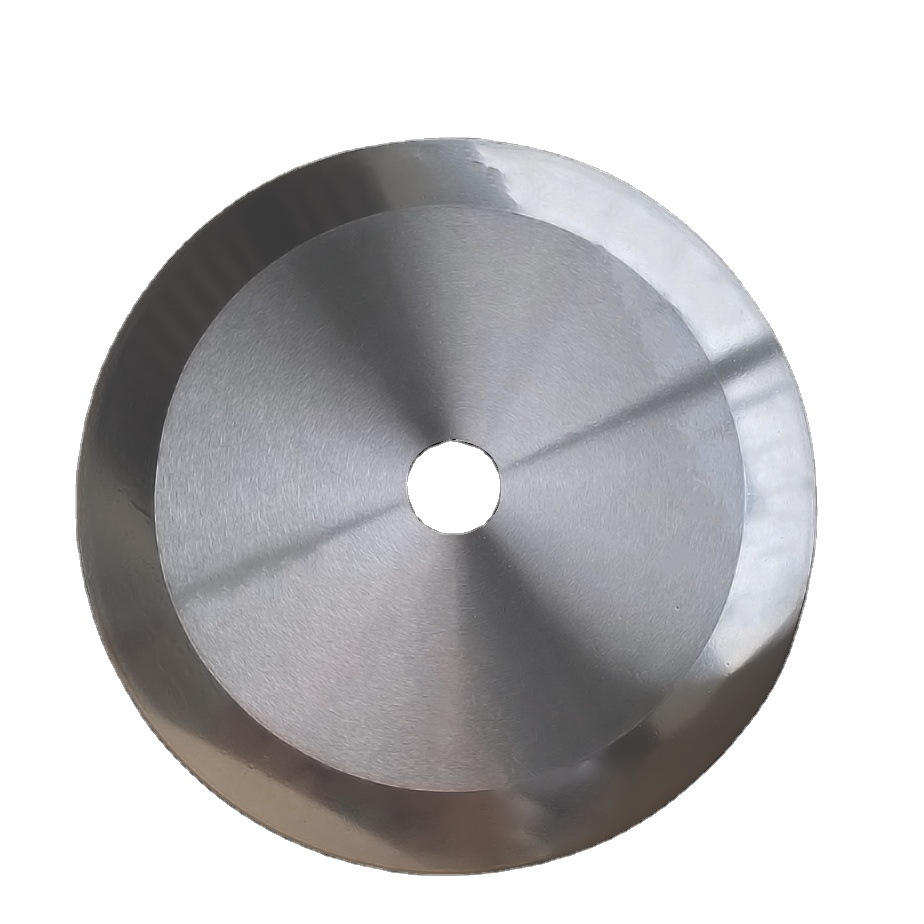
Premium Paper Cutter Knife Blade - Professional Cutting Solutions for Precision Results

All Categories

Get a Free Quote

Our representative will contact you soon.
Email
WhatsApp
Name
Company Name
Message
0/1000

paper cutter knife blade

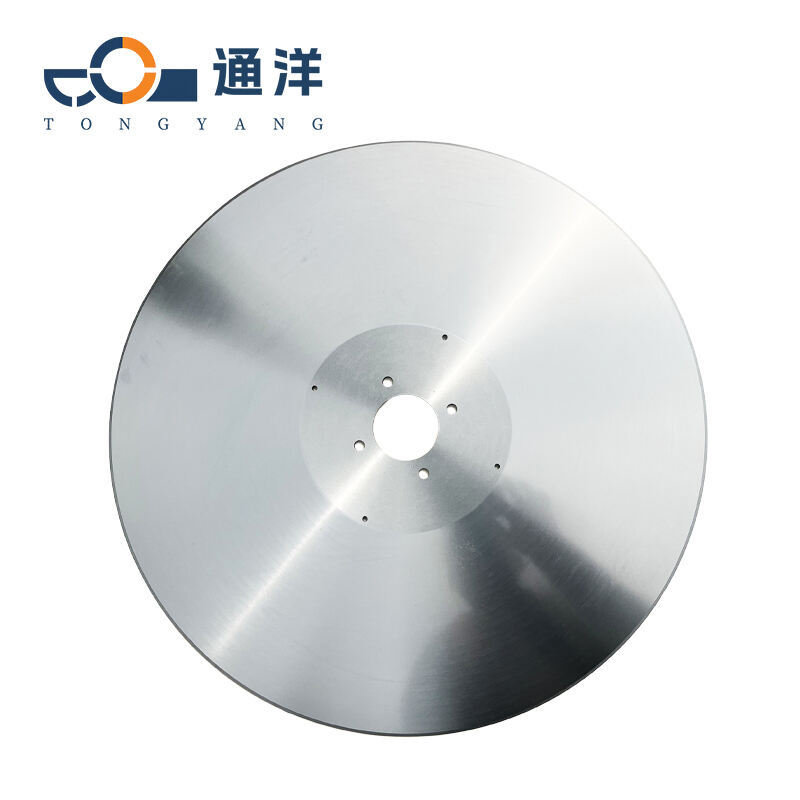
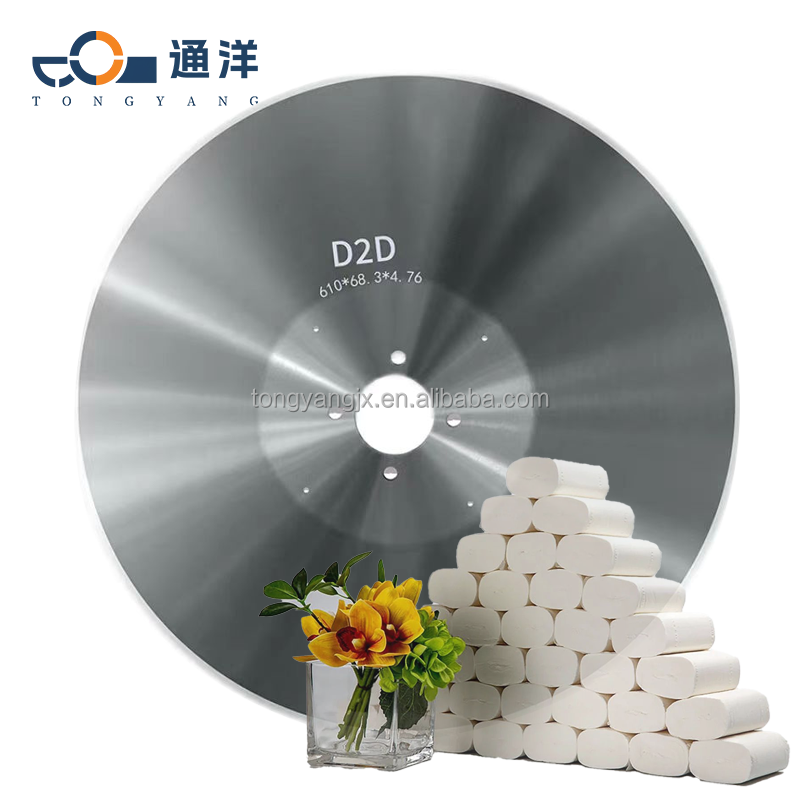
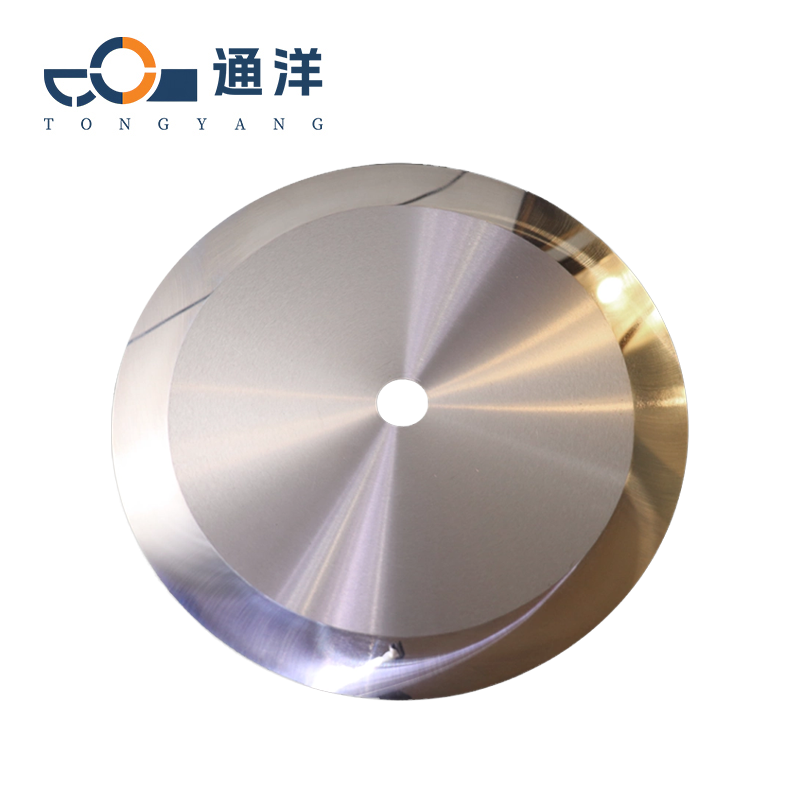
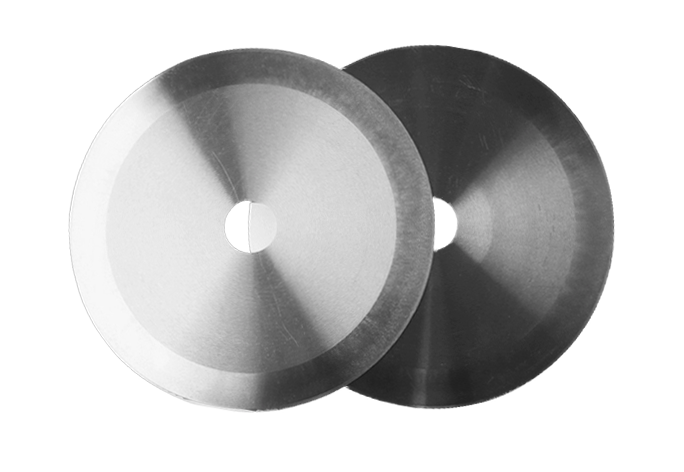
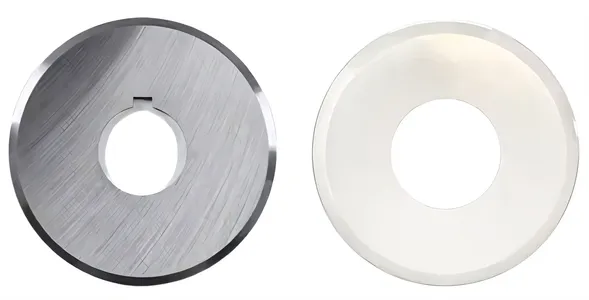
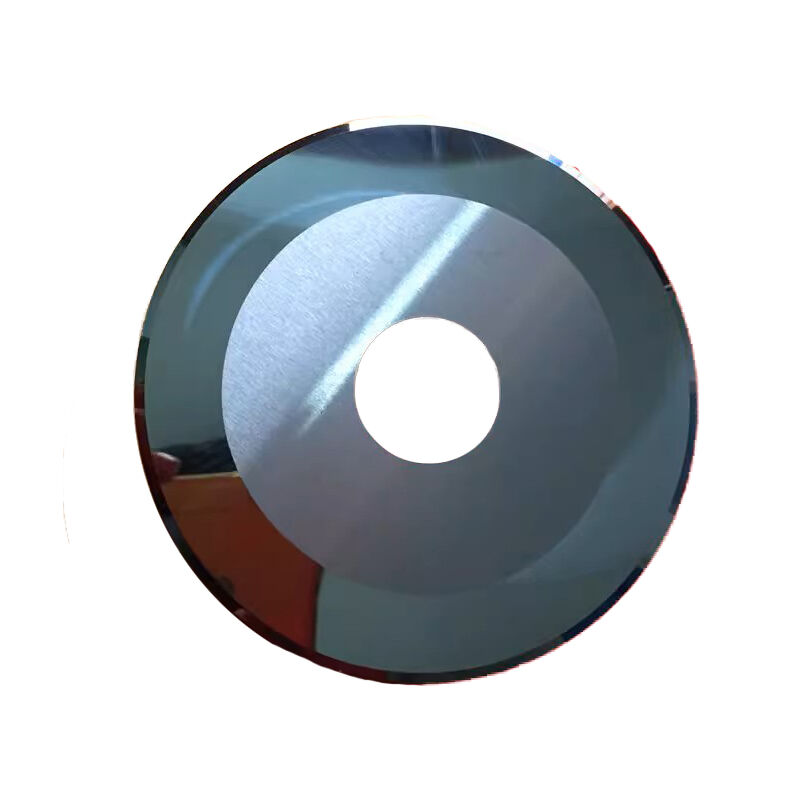
The paper cutter knife blade represents an essential component in professional cutting equipment used across various industries for precise material separation. This specialized blade serves as the primary cutting element in paper cutting machines, delivering clean, accurate cuts through multiple sheets simultaneously. The paper cutter knife blade is engineered with premium-grade steel alloys that undergo rigorous heat treatment processes to achieve optimal hardness and edge retention. Modern paper cutter knife blade designs incorporate advanced metallurgical techniques that balance sharpness with durability, ensuring consistent performance over extended operational periods. The blade's cutting edge features precision grinding that creates a microscopic bevel angle, enabling effortless penetration through paper stacks while minimizing resistance and friction. Professional printing facilities, bookbinding operations, commercial offices, and educational institutions rely heavily on high-quality paper cutter knife blade solutions to maintain productivity and output quality. The technological sophistication behind contemporary paper cutter knife blade manufacturing involves computer-controlled grinding systems that maintain exacting tolerances across the entire cutting surface. This precision engineering ensures uniform pressure distribution during cutting operations, preventing common issues such as paper tearing, uneven edges, or incomplete cuts. The paper cutter knife blade typically measures between 18 to 48 inches in length, with thickness specifications ranging from 3 to 6 millimeters depending on the intended application and machine compatibility. Surface treatments applied to the paper cutter knife blade include specialized coatings that reduce oxidation, prevent rust formation, and minimize adhesive buildup from various paper types. The mounting system for each paper cutter knife blade incorporates secure fastening mechanisms that eliminate blade movement or vibration during operation, contributing to both safety and cutting accuracy. Regular maintenance protocols for the paper cutter knife blade involve periodic sharpening services that restore the cutting edge to factory specifications, extending the blade's functional lifespan significantly. Understanding the critical role that a premium paper cutter knife blade plays in document finishing workflows helps organizations make informed purchasing decisions that impact operational efficiency and final product quality.

Popular Products

Investing in a superior paper cutter knife blade delivers immediate and long-term benefits that directly impact your operational efficiency and cost management. The first major advantage centers on cutting precision, where a quality paper cutter knife blade produces perfectly straight edges without ragged tears or dimensional variations. This precision eliminates waste from rejected cuts and ensures that every sheet meets your exact specifications, saving materials and reducing reprocessing time. The durability of a well-manufactured paper cutter knife blade means fewer replacement cycles and reduced downtime for blade changes, keeping your workflow uninterrupted during critical production periods. Users experience significant time savings because a sharp, properly designed paper cutter knife blade cuts through thicker stacks in a single pass, eliminating the need for multiple cutting attempts that slow down processing speed. The enhanced safety features built into modern paper cutter knife blade designs protect operators from accidents while maintaining cutting effectiveness, creating a safer work environment without compromising productivity. Cost efficiency becomes apparent when calculating the total ownership expenses, as a premium paper cutter knife blade maintains its cutting edge substantially longer than economy alternatives, requiring fewer sharpening services and replacement purchases over time. The versatility of a quality paper cutter knife blade extends to handling diverse material types including cardstock, laminated sheets, photographic paper, and specialty substrates without requiring equipment adjustments or blade changes. Consistent performance remains steady throughout the blade's service life, meaning your first cut and your ten-thousandth cut maintain the same quality standards, ensuring predictable results for quality control purposes. The reduced physical effort required when using a properly sharpened paper cutter knife blade decreases operator fatigue during extended cutting sessions, improving workplace comfort and maintaining consistent output quality even during high-volume production runs. Maintenance simplicity represents another practical advantage, as most paper cutter knife blade systems allow for straightforward removal and reinstallation without requiring specialized tools or technical expertise. The environmental benefits associated with longer-lasting paper cutter knife blade products reduce material consumption and disposal requirements, supporting sustainability initiatives while lowering operational costs. Professional results become achievable even for less experienced operators because a quality paper cutter knife blade compensates for minor technique variations, delivering clean cuts regardless of operator skill level. The compatibility of standard paper cutter knife blade designs with multiple machine models provides flexibility for facilities operating diverse equipment types, simplifying inventory management and reducing the variety of spare parts requiring storage space. Market availability ensures that replacement paper cutter knife blade options remain accessible through multiple suppliers, preventing supply chain disruptions that could halt production operations.

Latest News

How to Choose the Right Circular Knife for Your Cutting Application

25

Mar

How to Choose the Right Circular Knife for Your Cutting Application

Selecting the appropriate cutting tool for industrial applications can significantly impact productivity, product quality, and operational costs. Among the various cutting instruments available in manufacturing environments, the circular knife stands...
View More
How to Extend Your Cutting Blade Life: Pro Tips

25

Mar

How to Extend Your Cutting Blade Life: Pro Tips

Maximizing the lifespan of your cutting blade is essential for maintaining operational efficiency and reducing replacement costs in any professional environment. Whether you work in manufacturing, printing, packaging, or crafts, understanding proper ...
View More
Comparing Steel vs Ceramic Paper Cutting Blades

30

Mar

Comparing Steel vs Ceramic Paper Cutting Blades

When selecting the right paper cutting blade for industrial or commercial applications, the choice between steel and ceramic materials represents one of the most critical decisions affecting cut quality, operational efficiency, and long-term costs. E...
View More
How to Sharpen Your Circular Knife: Step-by-Step Guide

30

Apr

How to Sharpen Your Circular Knife: Step-by-Step Guide

Maintaining the sharpness of your circular knife is essential for achieving clean, precise cuts in industrial and commercial applications. Whether you work in rubber processing, textile manufacturing, paper cutting, or food production, a dull circula...
View More

Get a Free Quote

Our representative will contact you soon.
Email
WhatsApp
Name
Company Name
Message
0/1000

paper cutter knife blade

Superior Edge Retention Technology for Extended Performance

Superior Edge Retention Technology for Extended Performance

The advanced edge retention technology incorporated into modern paper cutter knife blade manufacturing represents a breakthrough in cutting tool longevity and consistent performance. This technological innovation stems from proprietary heat treatment processes that alter the molecular structure of the blade steel at precise temperature ranges, creating a hardened cutting edge that resists wear even under intensive daily use. The paper cutter knife blade undergoes multiple heating and cooling cycles that transform the steel's crystalline structure, achieving hardness ratings between 58 and 62 on the Rockwell scale while maintaining sufficient flexibility to prevent brittleness and chipping. This balanced approach to material engineering ensures that the paper cutter knife blade maintains its sharp cutting edge through thousands of cutting cycles without significant degradation in performance. The microscopic grain structure created during manufacturing results in a cutting edge that remains stable at the molecular level, resisting the deformation that causes dulling in inferior blade products. Users benefit from this technology through dramatically reduced sharpening frequency, with premium paper cutter knife blade products maintaining effective cutting performance for six to twelve months under normal operational conditions compared to monthly sharpening requirements for standard blades. The economic implications of extended edge retention translate directly to reduced maintenance costs, decreased equipment downtime, and improved operational planning since blade maintenance schedules become more predictable and less frequent. The consistency of cut quality throughout the blade's extended service life means that print shops and binding facilities can maintain uniform product standards without the quality fluctuations that occur as conventional blades gradually dull between sharpening services. The paper cutter knife blade with superior edge retention also reduces operator frustration and physical strain since the blade continues cutting cleanly without requiring increased pressure or multiple passes to complete cuts. This technological advancement particularly benefits high-volume production environments where cutting equipment operates continuously throughout work shifts, as the paper cutter knife blade maintains optimal performance without mid-shift degradation that disrupts workflow scheduling. The metallurgical precision behind edge retention technology extends beyond mere hardness to include specific alloy compositions that incorporate trace elements like vanadium, molybdenum, and chromium, which contribute to wear resistance and corrosion protection simultaneously.
Precision Ground Cutting Geometry for Flawless Results

Precision Ground Cutting Geometry for Flawless Results

The cutting geometry of a professional-grade paper cutter knife blade results from precision grinding processes that create the optimal edge angle for clean material separation with minimal cutting resistance. This carefully engineered geometry represents the culmination of extensive research into the physics of paper cutting, where the blade angle, edge thickness, and surface finish all interact to determine cutting effectiveness and quality. The paper cutter knife blade features a primary bevel angle typically ranging between 20 and 30 degrees, precision-ground using diamond-coated wheels that maintain consistent geometry within tolerances of 0.001 inches across the entire blade length. This level of precision ensures that every point along the paper cutter knife blade contacts the material simultaneously during the cutting stroke, distributing pressure uniformly and preventing the uneven cuts that result from geometry variations. The secondary micro-bevel added to the cutting edge creates a reinforced zone that resists chipping and rolling while maintaining the acute angle necessary for effortless cutting through paper fibers. Users experience the benefits of precision ground geometry through notably cleaner cut edges that require no additional trimming or finishing, reducing processing time and material waste in document finishing workflows. The paper cutter knife blade geometry specifically addresses the challenge of cutting through adhesive-backed materials and coated papers that tend to gum up cutting edges, with the optimized angle allowing the blade to slice through these difficult substrates without accumulation that would compromise subsequent cuts. The surface finish applied during the grinding process reduces friction between the paper cutter knife blade and the material being cut, resulting in smoother cutting action that requires less operator force and produces less heat buildup that can affect certain temperature-sensitive materials. Professional binderies and print finishing operations particularly value this precision geometry when producing high-end products where edge quality directly affects customer perception and product marketability. The consistency achieved through computer-controlled grinding of the paper cutter knife blade eliminates the performance variations common in manually ground blades, where human inconsistency creates zones of differing cutting effectiveness along the blade length. This geometric precision also extends the intervals between sharpening services because the optimized edge angle experiences less stress during cutting operations, reducing the rate of wear and maintaining sharpness substantially longer than conventional blade designs.
Universal Compatibility and Easy Installation Systems

Universal Compatibility and Easy Installation Systems

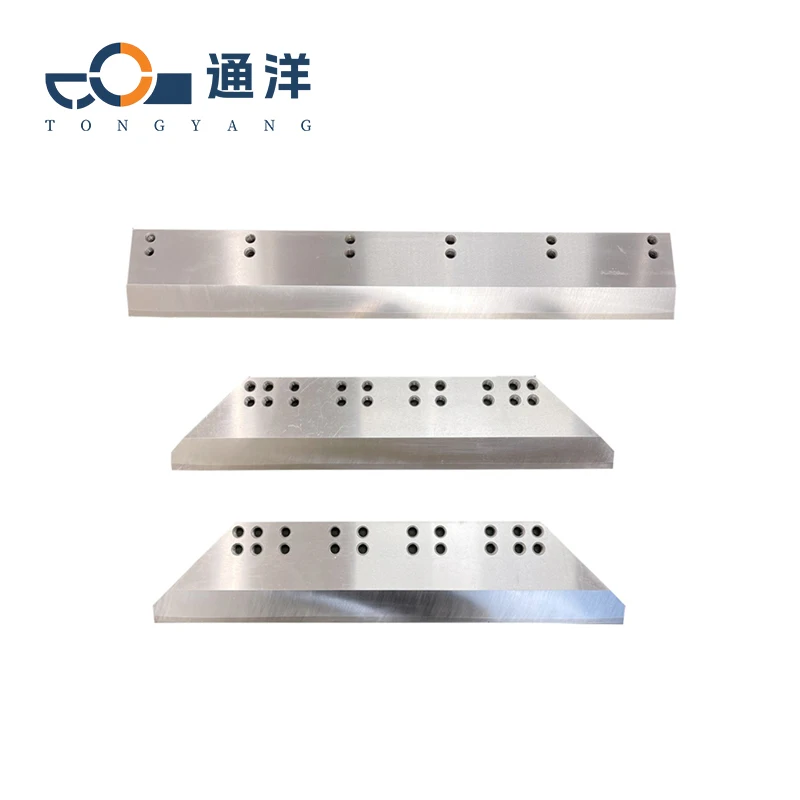
The standardized design specifications of quality paper cutter knife blade products ensure compatibility across numerous equipment brands and models, providing users with flexibility in sourcing and simplified inventory management. This universal approach to paper cutter knife blade manufacturing follows industry-standard dimensional specifications for blade length, thickness, mounting hole patterns, and edge configurations that fit the majority of professional cutting equipment without requiring modifications or adapters. The paper cutter knife blade mounting system incorporates precision-drilled fastening holes positioned at standardized intervals that align with the bolt patterns found on equipment from major manufacturers, enabling straightforward replacement without custom machining or fitting adjustments. Users benefit from this compatibility through reduced equipment dependence on single-source suppliers, creating competitive procurement options that improve pricing leverage and ensure supply continuity even if preferred suppliers experience availability issues. The installation process for a replacement paper cutter knife blade typically requires only basic hand tools and can be completed by maintenance personnel or operators following straightforward procedures outlined in equipment documentation, eliminating the need for specialized technicians or service calls that add cost and delay to blade replacement operations. The paper cutter knife blade design includes clearly marked orientation indicators that prevent incorrect installation, with directional arrows or text stamped into the blade body that guide proper positioning for optimal cutting performance and operator safety. This attention to user-friendly design reduces installation errors that could damage equipment or create hazardous operating conditions, supporting workplace safety protocols while minimizing the training required for personnel responsible for blade maintenance. The modular nature of paper cutter knife blade systems allows facilities operating multiple cutting stations to standardize on common blade specifications, consolidating spare parts inventory and simplifying procurement processes through volume purchasing of identical components. Professional print operations and document processing centers particularly appreciate this standardization when managing maintenance across numerous cutting stations, as it eliminates the complexity of tracking multiple blade specifications and ensures that replacement parts remain immediately available when needed. The paper cutter knife blade packaging typically includes detailed specification sheets and compatibility charts that help purchasers verify fitment before installation, reducing the risk of ordering incorrect components and the associated delays in returning incompatible products. The widespread adoption of standardized paper cutter knife blade specifications by equipment manufacturers reflects industry recognition of the practical benefits that compatibility brings to end users, creating an ecosystem where quality replacement blades remain accessible from multiple suppliers at competitive prices.

Get a Free Quote

Our representative will contact you soon.
Email
WhatsApp
Name
Company Name
Message
0/1000
Newsletter
Please Leave A Message With Us