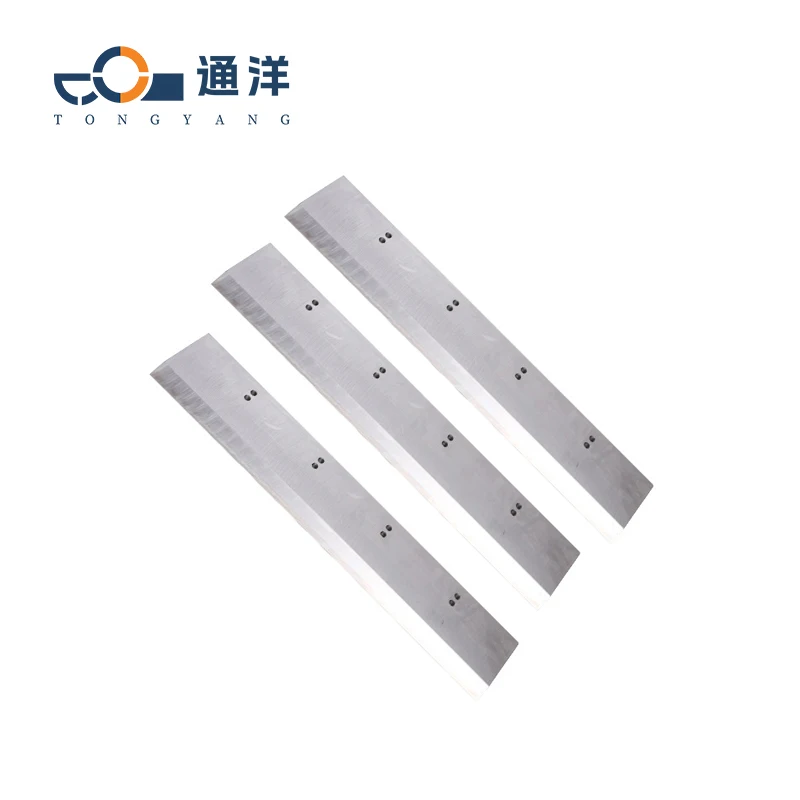
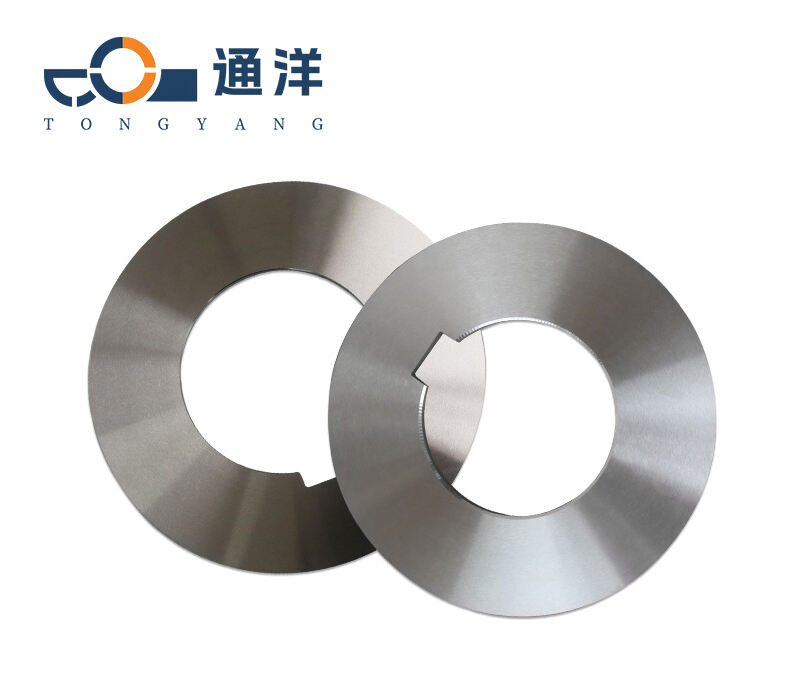
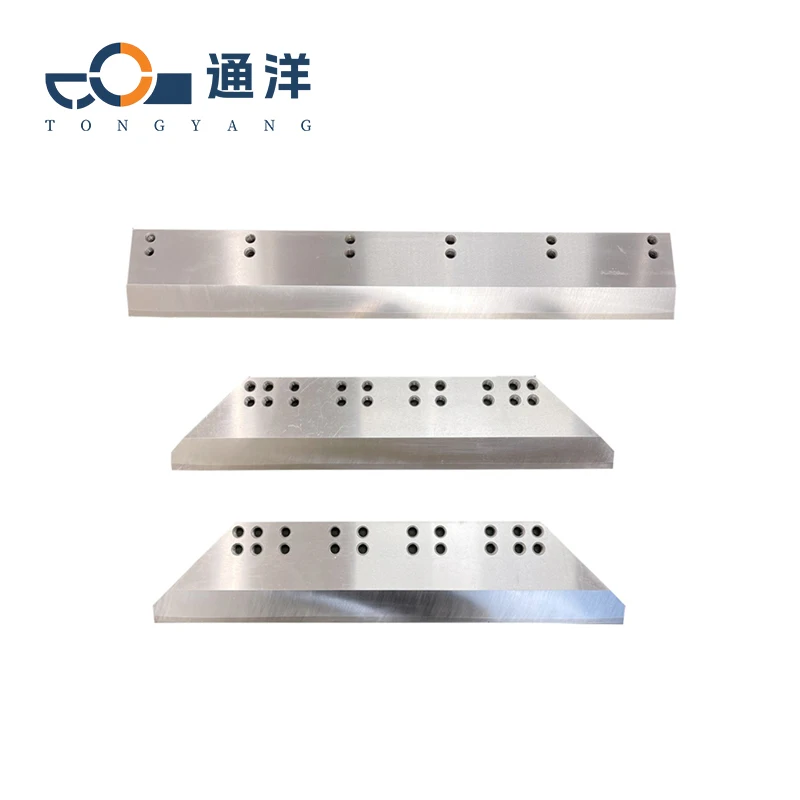
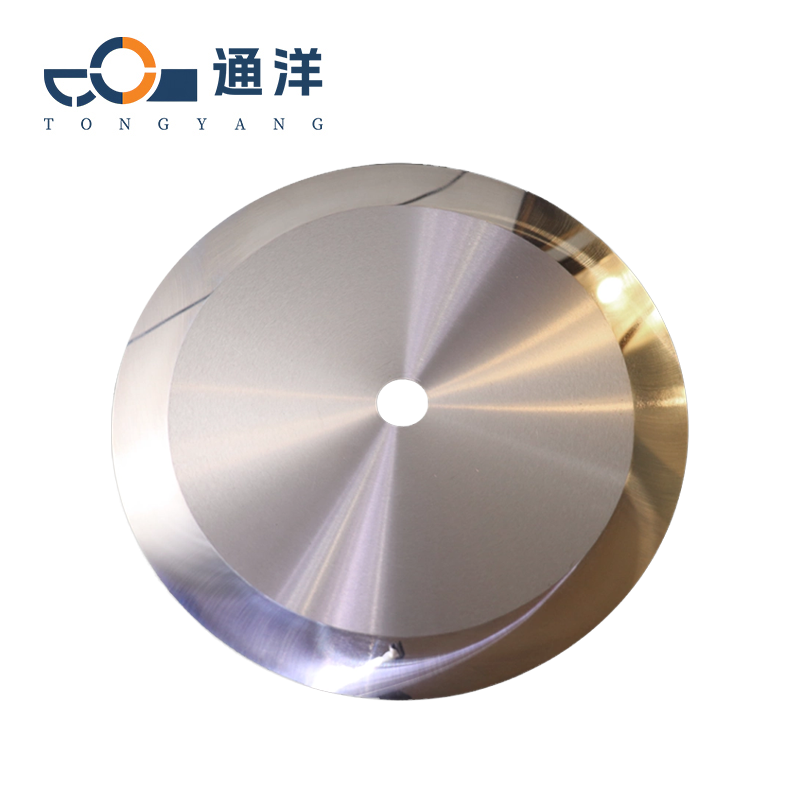
Manual Paper Cutter Blade - Precision Cutting Solutions for Professional and Personal Use

All Categories

Get a Free Quote

Our representative will contact you soon.
Email
WhatsApp
Name
Company Name
Message
0/1000

manual paper cutter blade

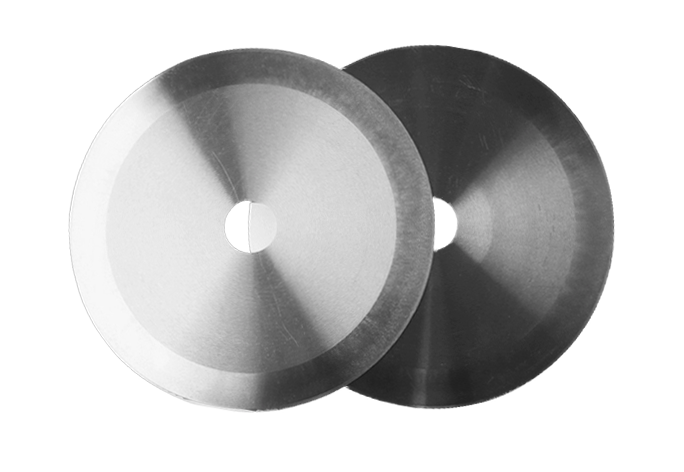
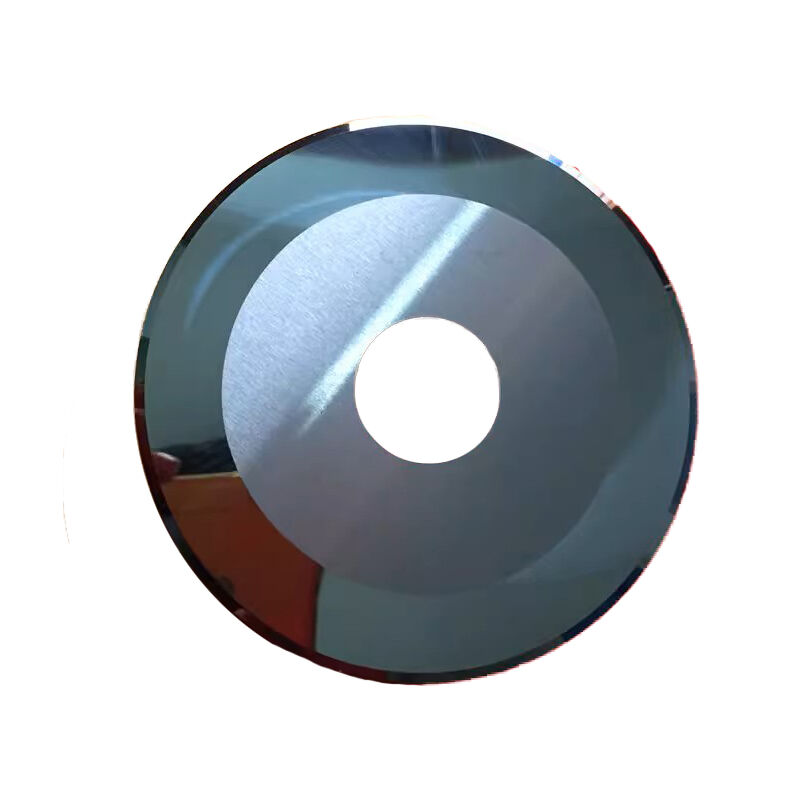
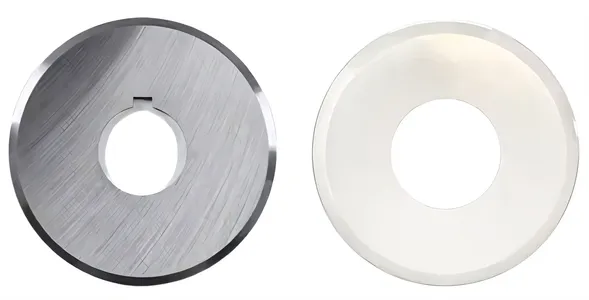
The manual paper cutter blade represents an essential component in precision cutting equipment used across various professional and personal settings. This specialized cutting tool serves as the primary mechanism within manual paper cutting machines, designed to deliver clean, straight cuts through multiple sheets of paper, cardboard, and other thin materials. The manual paper cutter blade operates through a straightforward mechanical principle where downward force applied by the user activates the cutting action, making it an indispensable tool for offices, print shops, schools, craft studios, and home workshops. Constructed from high-quality steel alloys, the manual paper cutter blade undergoes specialized heat treatment processes to achieve optimal hardness and edge retention properties. The blade typically features a beveled edge ground to precise angles, ensuring effortless slicing through paper stacks while minimizing resistance and friction. The technological features of the manual paper cutter blade include self-sharpening capabilities in premium models, where the cutting action itself helps maintain edge sharpness over extended use periods. Modern designs incorporate safety guards and locking mechanisms that protect users from accidental contact with the sharp cutting edge. The blade surface often receives protective coatings that resist corrosion and reduce adhesive buildup from sticky materials. Applications for the manual paper cutter blade extend beyond simple paper trimming to include cutting photographs, laminated documents, poster board, craft materials, and lightweight plastics. Educational institutions rely on these blades for classroom projects and administrative tasks, while commercial printing operations depend on them for finishing work and sample preparation. Graphic designers and artists appreciate the precision control offered by manual paper cutter blades when creating portfolios, mockups, and presentation materials. The blade's versatility makes it suitable for both high-volume production environments and occasional home use, accommodating various material thicknesses and cutting requirements with consistent reliability and performance.

Popular Products

The manual paper cutter blade delivers numerous practical benefits that make it an attractive investment for anyone requiring regular cutting capabilities. First and foremost, these blades provide exceptional cost-effectiveness compared to electric or automated cutting systems, requiring no electricity consumption and minimal maintenance expenses over their operational lifespan. Users gain complete control over cutting speed and pressure, allowing for customized approaches when working with delicate materials or thick stacks that demand different handling techniques. The simplicity of operation means virtually anyone can achieve professional-quality results without extensive training or technical knowledge, making the manual paper cutter blade accessible to beginners and experts alike. Portability stands as another significant advantage, as these blades integrate into lightweight cutting systems that users can easily relocate between workstations or transport to different locations without complicated setup procedures. The manual paper cutter blade operates silently, creating a peaceful work environment free from the noise pollution associated with electric cutting tools, which proves particularly valuable in shared office spaces and quiet educational settings. Durability characterizes quality blades manufactured from premium materials, with many units delivering years of reliable service before requiring replacement, translating to excellent long-term value for budget-conscious buyers. The precision achievable with a well-maintained manual paper cutter blade rivals that of expensive automated equipment, producing clean edges without ragged tears or uneven cuts that compromise document appearance. Safety features built into modern blade designs protect users from injury while maintaining easy access for legitimate cutting tasks, creating a secure working environment that reduces liability concerns for businesses and institutions. Maintenance requirements remain minimal, typically involving only periodic cleaning and occasional sharpening, tasks that most users can perform themselves without professional assistance or specialized equipment. The environmental footprint of the manual paper cutter blade stays remarkably small, consuming no energy during operation and producing no electronic waste at end-of-life, appealing to environmentally conscious consumers and organizations pursuing sustainability goals. Replacement blades remain readily available from multiple suppliers at reasonable prices, ensuring users never face extended downtime due to parts unavailability. The tactile feedback provided during cutting operations allows skilled users to detect material inconsistencies and adjust technique in real-time, preventing waste and ensuring optimal results with every cut. These combined advantages establish the manual paper cutter blade as a practical, economical, and reliable solution for diverse cutting needs across professional and personal applications.

Practical Tips

5 Best Metal Cutting Blade Options for DIY Projects

25

Mar

5 Best Metal Cutting Blade Options for DIY Projects

Choosing the right metal cutting blade can make the difference between a successful DIY project and a frustrating experience filled with poor cuts and damaged materials. Whether you're working on home renovations, crafting custom metalwork, or tackli...
View More
How to Extend Your Cutting Blade Life: Pro Tips

25

Mar

How to Extend Your Cutting Blade Life: Pro Tips

Maximizing the lifespan of your cutting blade is essential for maintaining operational efficiency and reducing replacement costs in any professional environment. Whether you work in manufacturing, printing, packaging, or crafts, understanding proper ...
View More
Comparing Steel vs Ceramic Paper Cutting Blades

30

Mar

Comparing Steel vs Ceramic Paper Cutting Blades

When selecting the right paper cutting blade for industrial or commercial applications, the choice between steel and ceramic materials represents one of the most critical decisions affecting cut quality, operational efficiency, and long-term costs. E...
View More
How to Sharpen Your Circular Knife: Step-by-Step Guide

30

Apr

How to Sharpen Your Circular Knife: Step-by-Step Guide

Maintaining the sharpness of your circular knife is essential for achieving clean, precise cuts in industrial and commercial applications. Whether you work in rubber processing, textile manufacturing, paper cutting, or food production, a dull circula...
View More

Get a Free Quote

Our representative will contact you soon.
Email
WhatsApp
Name
Company Name
Message
0/1000

manual paper cutter blade

Superior Cutting Precision for Professional Results

Superior Cutting Precision for Professional Results

The manual paper cutter blade excels in delivering exceptional cutting precision that meets the demanding standards of professional environments while remaining accessible to casual users. This precision stems from the blade's engineered geometry, where manufacturers grind the cutting edge to exacting specifications that ensure consistent performance across thousands of cutting cycles. The blade angle, typically ranging from twenty to thirty degrees depending on intended applications, balances sharpness with durability, creating an edge that slices cleanly through paper fibers without causing compression or distortion along the cut line. When users position materials against the integrated measuring guides and bring down the manual paper cutter blade with steady pressure, they create perfectly straight cuts with dimensional accuracy measured in fractions of millimeters. This level of precision proves crucial for applications like photo trimming, where even slight deviations compromise aesthetic quality, or legal document preparation, where exact dimensions meet regulatory requirements. The blade's rigid mounting system eliminates wobble or deflection during cutting strokes, maintaining perpendicular alignment with the cutting surface throughout the entire motion arc. Advanced manual paper cutter blade designs incorporate micro-adjustment mechanisms that allow users to calibrate cutting angles and depths, accommodating specialty applications that demand non-standard cutting approaches. The tactile nature of manual operation provides immediate feedback about material resistance and blade sharpness, enabling experienced users to recognize when maintenance becomes necessary before cut quality deteriorates noticeably. This sensory connection between operator and tool facilitates a level of control impossible with fully automated systems, where preset parameters may not account for material variations or specific project requirements. Professional graphic designers particularly value this precision when creating mockups and prototypes, where accurate dimensions directly impact client presentations and approval processes. The manual paper cutter blade handles both single-sheet cutting and stack processing with equal proficiency, maintaining consistent accuracy whether trimming individual photos or cutting through fifty sheets simultaneously. Edge quality produced by sharp manual paper cutter blades eliminates the need for secondary finishing operations, saving time and preserving material integrity. The clean cuts prevent paper dust generation that can accumulate in mechanical systems and create maintenance headaches. For businesses processing high volumes of documents, this precision translates directly into reduced material waste, as fewer sheets require recuts due to dimensional errors or poor edge quality, improving operational efficiency and reducing supply costs over time.
Exceptional Durability and Longevity

Exceptional Durability and Longevity

The manual paper cutter blade demonstrates remarkable durability that establishes it as a long-term investment rather than a disposable consumable, with properly maintained units delivering decades of reliable service in demanding professional environments. This exceptional longevity originates from careful material selection and sophisticated manufacturing processes that transform raw steel into cutting implements capable of withstanding repeated stress cycles without structural failure or performance degradation. Premium manual paper cutter blades utilize high-carbon steel alloys containing precise proportions of chromium, vanadium, and molybdenum, elements that enhance hardness, toughness, and corrosion resistance simultaneously. The heat treatment process follows carefully controlled temperature curves that austenitize the steel structure, followed by rapid quenching to lock in desired material properties, then tempering to relieve internal stresses while maintaining optimal hardness levels. This metallurgical sophistication results in blades with Rockwell hardness values typically ranging from fifty-five to sixty-two, providing the perfect balance between edge retention and impact resistance. The cutting edge itself receives additional attention through precision grinding operations that create microscopic serrations or perfectly smooth bevels depending on intended applications, with each configuration offering specific performance characteristics suited to different materials. Manufacturers apply protective surface treatments including chrome plating, titanium coating, or specialized polymer films that shield the manual paper cutter blade from environmental factors like humidity and chemical exposure that accelerate corrosion. These protective layers extend operational life significantly, particularly in environments where blades encounter moisture from paper stocks or cleaning procedures. The blade's mounting system incorporates heavy-duty hardware using stainless steel or hardened fasteners that resist loosening under repeated operational stresses, ensuring the cutting edge maintains proper alignment throughout the blade's service life. Regular maintenance practices like periodic cleaning to remove paper dust and adhesive residues, combined with proper storage when not in use, dramatically extend manual paper cutter blade longevity beyond typical replacement intervals. When resharpening becomes necessary, quality blades accept multiple sharpening cycles without experiencing dimensional changes that affect fit and function within the cutter assembly. This serviceability contrasts sharply with disposable cutting tools that require complete replacement when edges dull, generating waste and recurring expenses. The economic implications of this durability prove substantial for high-volume users, where a single manual paper cutter blade might process hundreds of thousands of sheets before requiring replacement, reducing per-cut costs to negligible levels. Educational institutions benefit particularly from this longevity, as budget constraints often limit equipment replacement cycles, making durable manual paper cutter blades essential for maintaining consistent operational capabilities across multiple academic years without repeated capital expenditures.
Versatile Material Compatibility and Applications

Versatile Material Compatibility and Applications

The manual paper cutter blade showcases impressive versatility in handling diverse materials and applications, extending its utility far beyond basic paper trimming to encompass a wide range of cutting tasks across multiple industries and creative disciplines. This adaptability stems from the blade's fundamental design principles that emphasize clean shearing action applicable to any thin, flexible material that yields to concentrated linear force. Standard office paper represents just the beginning of materials compatible with manual paper cutter blades, which also excel when processing cardstock, construction paper, vellum, tracing paper, tissue paper, and specialty papers with textured surfaces or embedded fibers. The blade's cutting mechanism works equally well on photographic prints, whether traditional chemical-processed images or modern inkjet outputs, producing clean edges that enhance presentation quality without damaging emulsion layers or causing delamination. Laminated documents, which challenge many cutting tools due to their layered construction and plastic components, yield readily to sharp manual paper cutter blades that slice through laminating film and paper core simultaneously without separation or ragged edges. Craft enthusiasts appreciate the blade's ability to cut decorative papers, scrapbooking materials, cardboard up to moderate thicknesses, poster board, foam board, and thin vinyl sheets, enabling creative projects that demand precise dimensions and professional finishing. Educational applications extend to cutting maps, charts, bulletin board materials, and classroom handouts, with the manual paper cutter blade processing these diverse stocks without requiring setting adjustments or specialized accessories. Commercial printing operations rely on these blades for trimming proof copies, cutting sample sheets, preparing presentation materials, and performing quick finishing tasks that would tie up expensive production equipment if routed through primary cutting systems. The manual paper cutter blade handles both straight cuts and, with appropriate guides, angled cuts that create custom shapes and sizes impossible with standard scissors or rotary cutters. Fabric cutting represents another application where certain manual paper cutter blade configurations excel, particularly when processing interfacing materials, pattern tissue, and lightweight textiles that require straight edges for seaming and assembly. Photography studios utilize these blades for matboard cutting, print trimming, and mounting board preparation, tasks demanding precision and clean edges that preserve image quality and presentation standards. The blade's versatility extends to cutting thin plastics like acetate sheets, transparency film, and lightweight PVC materials commonly used in presentations and protective applications. Business card production benefits from manual paper cutter blade precision, enabling small print shops and home businesses to create professional-quality cards from standard card stock without investing in expensive die-cutting equipment. This remarkable material compatibility makes the manual paper cutter blade an essential tool that serves multiple functions within a single workspace, eliminating the need for specialized cutting implements for each material type and simplifying tool management while reducing capital equipment requirements across diverse operational environments.

Get a Free Quote

Our representative will contact you soon.
Email
WhatsApp
Name
Company Name
Message
0/1000
Newsletter
Please Leave A Message With Us