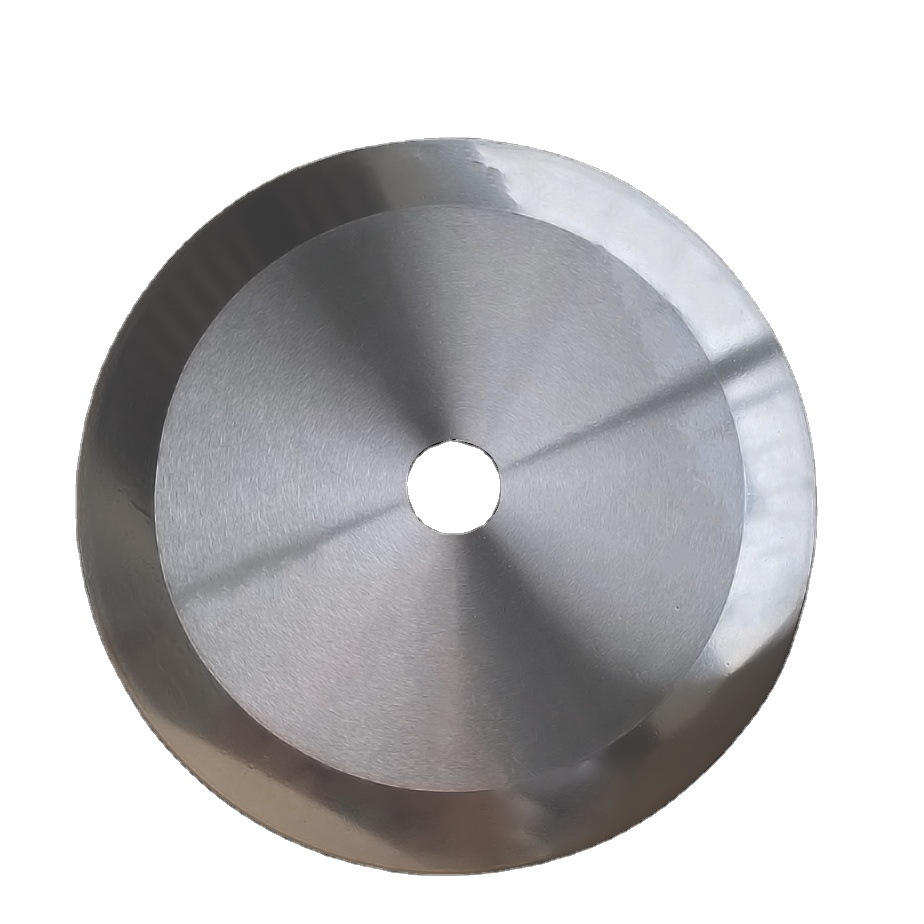
Premium Ream Cutter Blade - Professional Paper Cutting Solutions for Printing & Converting Industries

All Categories

Get a Free Quote

Our representative will contact you soon.
Email
WhatsApp
Name
Company Name
Message
0/1000

ream cutter blade

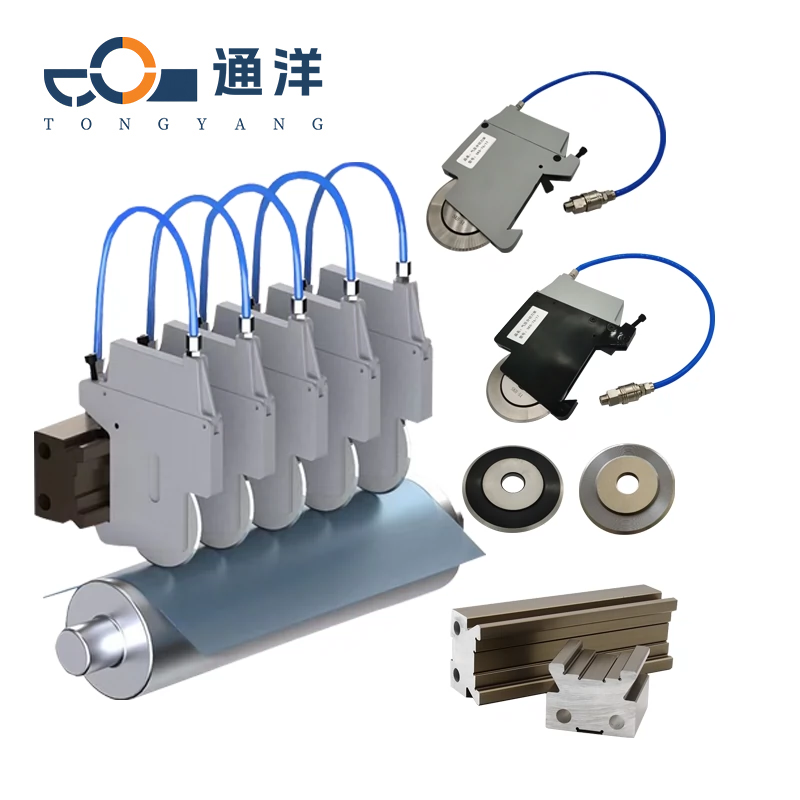
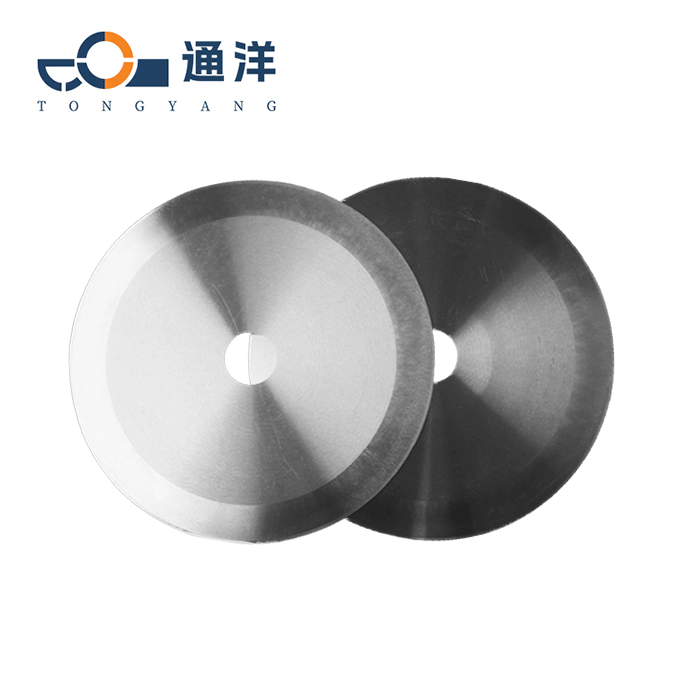
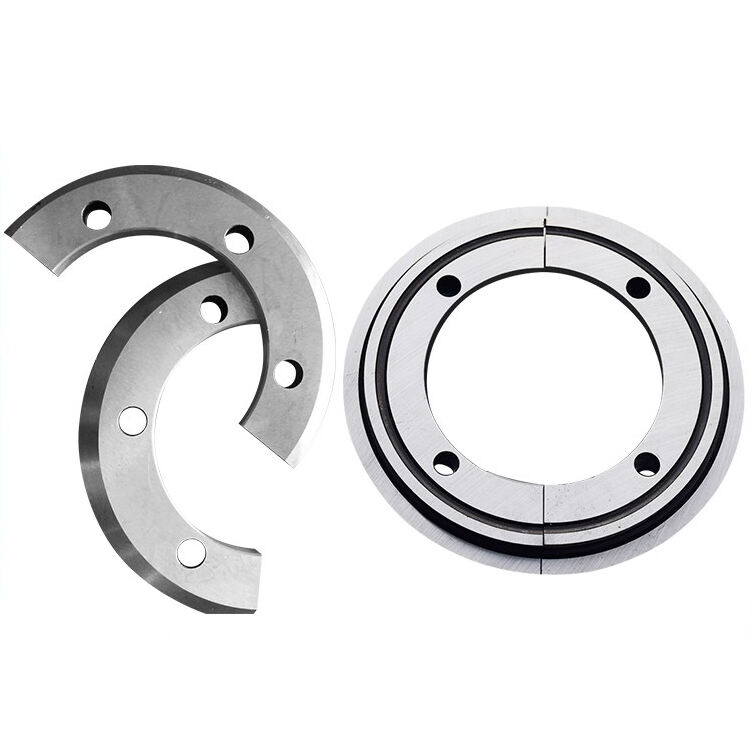
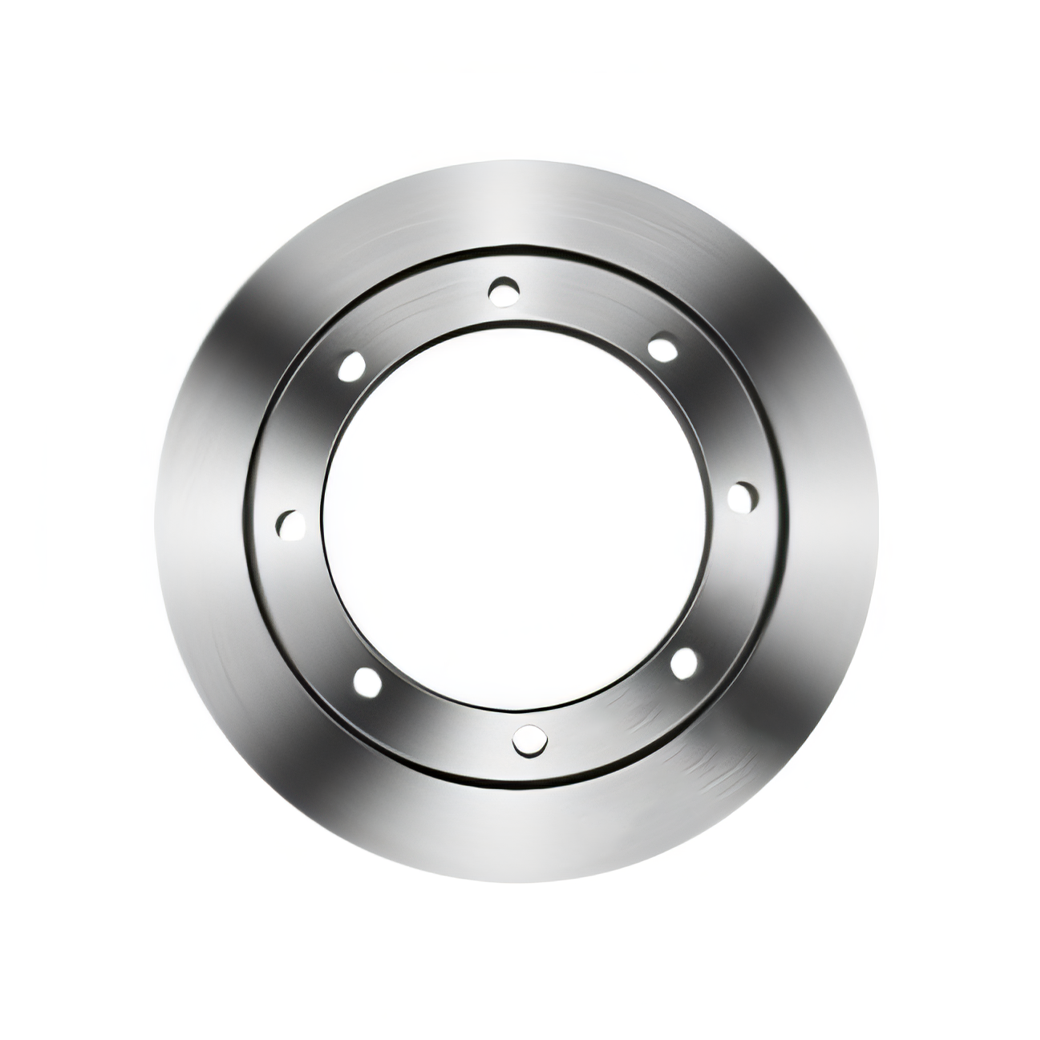
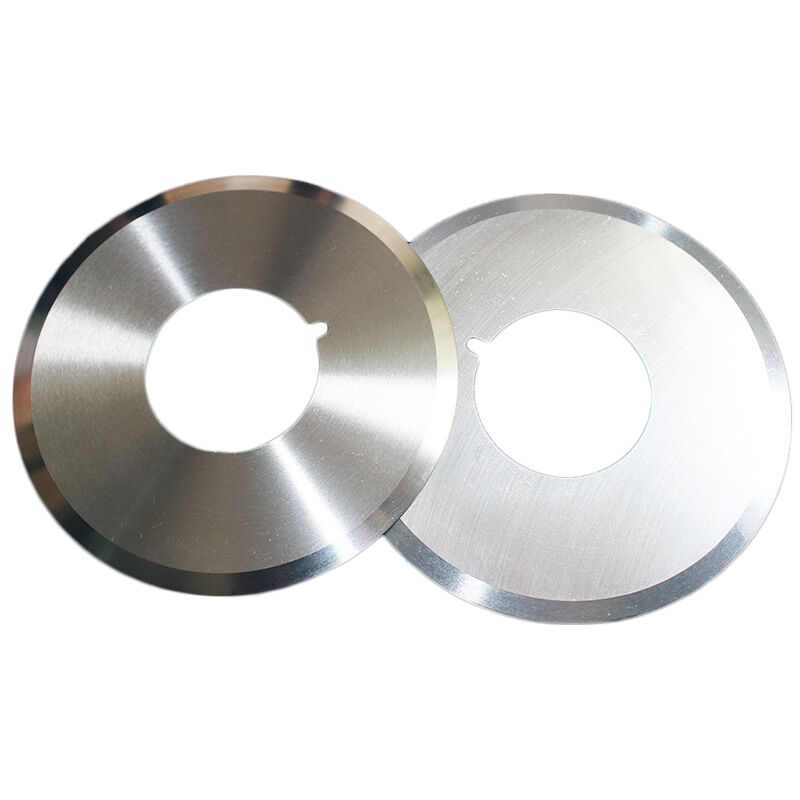
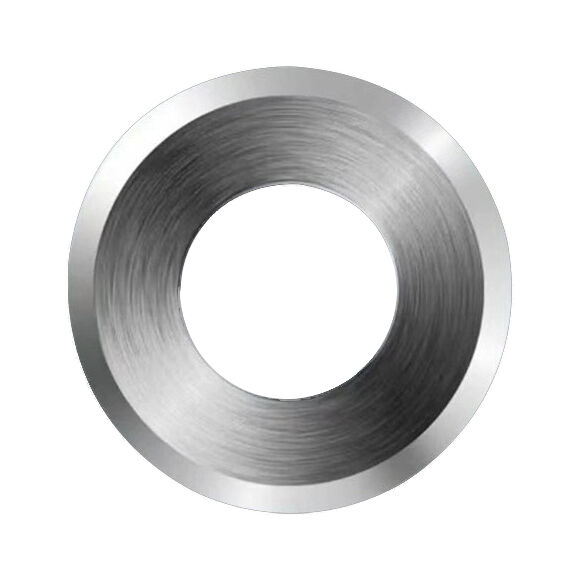
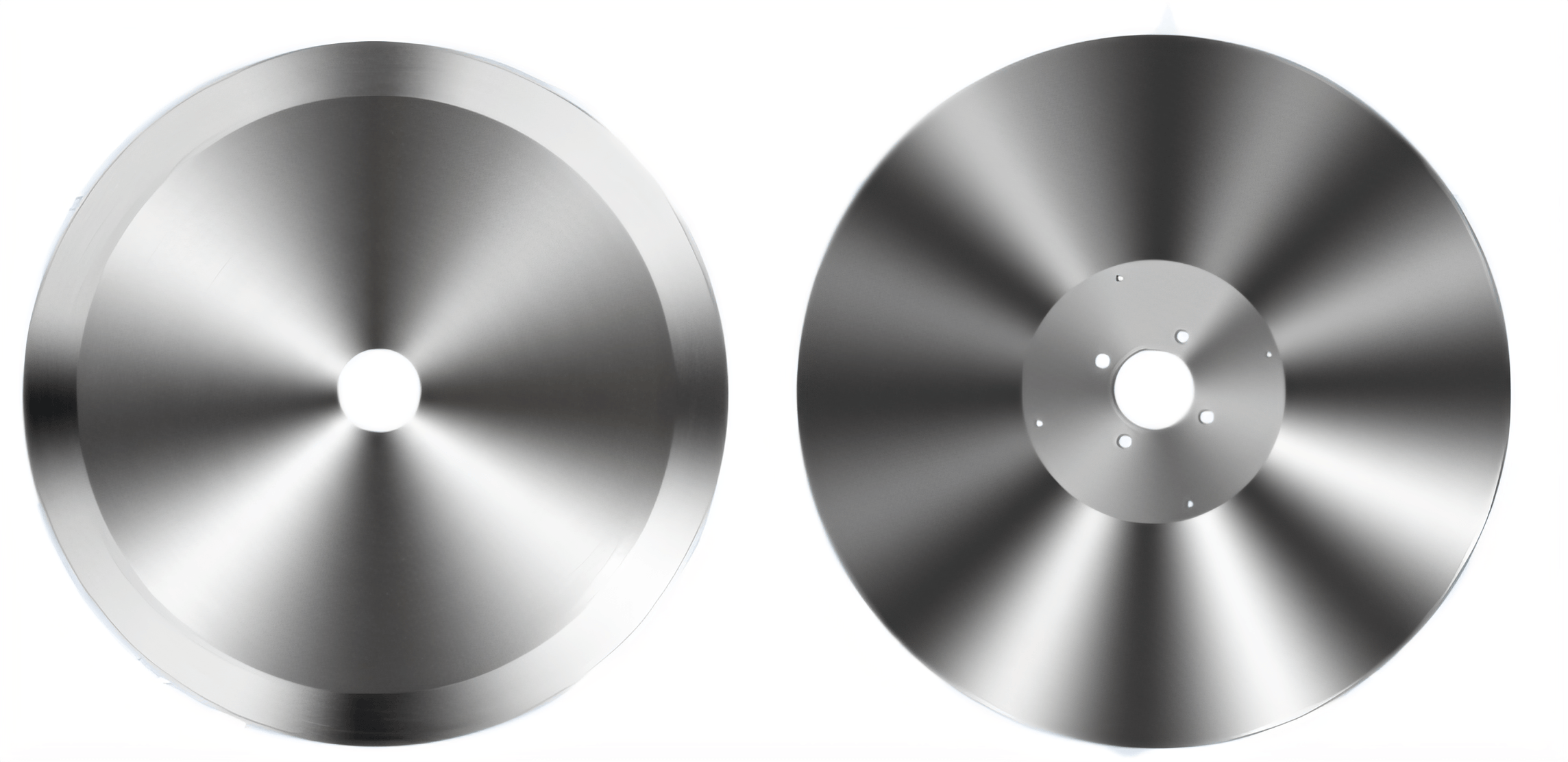
The ream cutter blade represents a precision-engineered cutting tool specifically designed for paper processing industries and commercial printing operations. This specialized blade serves as the primary cutting component in ream cutters, machinery responsible for trimming large stacks of paper into precise dimensions. Manufacturing facilities, print shops, and paper converting operations rely heavily on ream cutter blades to achieve clean, accurate cuts through substantial paper volumes. The ream cutter blade operates by shearing through multiple paper sheets simultaneously, delivering straight edges without fraying or tearing. Modern ream cutter blades incorporate advanced metallurgy and heat treatment processes to ensure extended service life and consistent cutting performance. These blades typically feature high-carbon steel or tungsten carbide construction, materials selected for their exceptional hardness and edge retention properties. The geometry of a ream cutter blade includes carefully calculated bevel angles, edge sharpness specifications, and surface treatments that minimize friction during cutting operations. Professional ream cutter blades undergo rigorous quality control testing to verify dimensional accuracy, hardness ratings, and cutting performance standards. The technological features embedded within ream cutter blades include specialized coatings that reduce adhesion, prevent corrosion, and maintain cutting efficiency over prolonged use. Applications for ream cutter blades span numerous industries including commercial printing, office supply manufacturing, book production, packaging materials processing, and specialty paper converting. These blades accommodate various paper weights, from lightweight tissue papers to heavy cardstock materials, making them versatile tools in paper processing environments. Proper maintenance and timely replacement of ream cutter blades ensure optimal cutting quality, minimize production downtime, and preserve the integrity of finished paper products. The ream cutter blade continues to evolve with manufacturing advancements, incorporating computer-aided design and precision grinding techniques that deliver superior cutting performance for demanding production environments.

New Product Recommendations

Investing in quality ream cutter blades delivers substantial operational benefits that directly impact your production efficiency and bottom line. The first major advantage centers on cutting precision, which eliminates costly paper waste and ensures every sheet meets exact dimensional specifications. When your ream cutter blade maintains its sharpness and alignment, you experience clean cuts without ragged edges, reducing the number of rejected sheets and maximizing material utilization. This precision translates directly into cost savings, particularly when processing expensive specialty papers or large production volumes. The durability of professional-grade ream cutter blades provides another significant advantage, as these tools withstand thousands of cutting cycles before requiring replacement. This longevity reduces your equipment maintenance costs and minimizes production interruptions caused by blade changes. You can schedule blade replacements during planned maintenance windows rather than dealing with unexpected breakdowns that halt production lines. The consistency provided by reliable ream cutter blades means every stack receives identical treatment, ensuring uniform product quality across entire production runs. This consistency proves especially valuable when fulfilling large orders or maintaining brand reputation for quality standards. Enhanced safety represents another crucial advantage, as properly manufactured ream cutter blades incorporate design features that reduce operator risk while maintaining cutting effectiveness. Modern blades include ergonomic installation mechanisms and safety guards that protect workers during blade changes and routine maintenance procedures. The improved cutting speed enabled by sharp, well-designed ream cutter blades accelerates production throughput, allowing you to complete orders faster and accept more work without adding equipment or personnel. This efficiency gain provides competitive advantages in time-sensitive markets where delivery speed influences customer satisfaction. Reduced machine wear constitutes an often-overlooked benefit, as quality blades place less stress on cutter mechanisms, hydraulic systems, and supporting components. When your ream cutter blade cuts efficiently, motors draw less power, bearings experience reduced friction, and maintenance intervals extend naturally. The versatility of modern ream cutter blades allows you to process diverse paper types and weights without changing equipment, providing operational flexibility that accommodates varied customer requirements. Environmental benefits emerge through reduced waste generation and lower energy consumption, factors that appeal to environmentally conscious businesses and customers. The financial return on investing in premium ream cutter blades manifests through extended operational periods, reduced waste disposal costs, and improved product quality that commands better pricing. These practical advantages combine to create measurable improvements in profitability and operational excellence.

Practical Tips

Industrial Corrugated Cardboard Cutting Blade Selection Tips

25

Mar

Industrial Corrugated Cardboard Cutting Blade Selection Tips

Selecting the right cutting blade for corrugated cardboard processing operations represents a critical decision that directly impacts production efficiency, product quality, and operational costs. Industrial facilities handling large volumes of corru...
View More
How to Choose the Perfect Rubber Cutting Knife

25

Mar

How to Choose the Perfect Rubber Cutting Knife

In industrial manufacturing and crafting applications, selecting the right cutting tool can significantly impact productivity, precision, and safety. A rubber cutting knife serves as an essential instrument for professionals working with various rubb...
View More
Common Slitter Blades Problems and Solutions

30

Mar

Common Slitter Blades Problems and Solutions

Manufacturing operations that rely on slitter blades face a variety of challenges that can significantly impact production efficiency, material quality, and operational costs. Understanding the most common problems associated with slitter blades and ...
View More
Leather Cutting Blade Maintenance: Essential Tips

30

Apr

Leather Cutting Blade Maintenance: Essential Tips

Proper maintenance of your leather cutting blade directly determines the quality of your cuts, the longevity of your equipment, and the efficiency of your production workflow. Whether you operate a small leather workshop or manage a large-scale manuf...
View More

Get a Free Quote

Our representative will contact you soon.
Email
WhatsApp
Name
Company Name
Message
0/1000

ream cutter blade

Superior Material Composition and Construction Quality

Superior Material Composition and Construction Quality

The ream cutter blade achieves exceptional performance through advanced material science and precision manufacturing techniques that set professional-grade products apart from standard alternatives. Premium ream cutter blades utilize high-carbon steel alloys or tungsten carbide compositions selected specifically for their molecular structure and performance characteristics under extreme cutting conditions. These materials undergo specialized heat treatment processes including quenching and tempering cycles that optimize hardness levels while maintaining necessary toughness to resist chipping and fracturing. The metallurgical properties engineered into each ream cutter blade enable the cutting edge to retain sharpness through tens of thousands of cutting cycles, significantly extending replacement intervals and reducing operational costs. Surface treatments applied during manufacturing create protective barriers that prevent oxidation and chemical degradation, ensuring the ream cutter blade maintains its integrity even in humid environments or when processing chemically treated papers. The precision grinding processes used to create the cutting edge employ computer-controlled machinery that achieves tolerances measured in microns, producing edges with consistent geometry and optimal sharpness along the entire blade length. This manufacturing precision ensures that every point along the ream cutter blade contacts paper simultaneously during cutting operations, distributing forces evenly and preventing the uneven wear patterns that compromise cutting quality. Advanced coating technologies applied to modern ream cutter blades include titanium nitride or diamond-like carbon layers that reduce friction coefficients by up to forty percent compared to uncoated alternatives. These friction-reducing coatings minimize heat generation during high-speed cutting operations, preventing thermal expansion that could compromise dimensional accuracy and cutting precision. The structural design of professional ream cutter blades incorporates calculated thickness profiles that provide necessary rigidity while minimizing weight, reducing the inertial forces that cutting machinery must overcome during operation. This thoughtful engineering reduces energy consumption and mechanical stress on equipment components, extending the service life of entire cutting systems. Quality control protocols governing ream cutter blade manufacturing include hardness testing, microscopic edge inspection, and dimensional verification procedures that ensure every blade meets stringent performance specifications before shipment. The investment in superior materials and precision manufacturing translates directly into operational advantages including extended blade life, consistent cutting quality, reduced machine wear, and lower total cost of ownership for paper processing operations.
Optimized Cutting Geometry for Maximum Efficiency

Optimized Cutting Geometry for Maximum Efficiency

The geometric design of a ream cutter blade fundamentally determines its cutting performance, operational efficiency, and ability to process diverse paper types without compromising quality standards. Engineers design ream cutter blade angles through careful analysis of cutting forces, paper fiber structures, and shearing mechanics to achieve optimal results across varied applications. The primary bevel angle ground into each ream cutter blade influences both cutting ease and edge durability, with specialized angles selected for specific paper weights and production requirements. Steeper bevel angles create more aggressive cutting action suitable for thick paper stacks and high-volume operations, while shallower angles deliver finer cuts preferred for delicate papers and precision applications. The secondary bevel or micro-bevel incorporated into advanced ream cutter blades provides a reinforced edge structure that resists microscopic chipping while maintaining sharpness for extended periods. This dual-angle design balances cutting performance with edge longevity, delivering practical benefits that reduce maintenance frequency and operational costs. The edge thickness specification of a ream cutter blade affects both initial sharpness and long-term durability, with optimal dimensions determined through extensive testing and field performance evaluation. Thinner edges penetrate paper fibers more easily, reducing cutting forces and energy requirements, but must maintain sufficient material volume to resist deformation under operational stresses. The flat grinding accuracy along the blade face ensures consistent paper contact and prevents the binding or deflection issues that create uneven cuts or damage paper surfaces. Precision-ground ream cutter blades maintain flatness tolerances within thousandths of an inch across their entire length, ensuring uniform cutting pressure distribution regardless of stack position. The edge straightness specification proves critical for producing square cuts without angular deviation, particularly important when processing papers destined for binding operations or precision assembly processes. Modern manufacturing techniques enable ream cutter blade straightness tolerances that prevent the cumulative angular errors which would otherwise compound across large production runs. The relief angle ground behind the cutting edge facilitates chip clearance and prevents paper fiber accumulation that could compromise cutting quality or create surface finish defects. Properly designed relief angles allow severed paper fibers to move away from the cutting zone efficiently, maintaining clean cutting action throughout extended production periods. The overall blade thickness provides necessary structural rigidity while influencing the cutting kerf width and material waste generated during operations, with optimized dimensions balancing performance requirements against material efficiency considerations.
Versatile Application Range and Compatibility Features

Versatile Application Range and Compatibility Features

The ream cutter blade demonstrates remarkable versatility across diverse paper processing applications, accommodating varied material types, production volumes, and quality requirements that characterize modern printing and converting operations. Professional-grade ream cutter blades successfully process paper weights ranging from seventeen-pound tissue stock to heavy cover materials exceeding one hundred ten pounds, maintaining cutting quality across this extensive range without requiring equipment adjustments or specialized blade variants. This adaptability proves invaluable for operations handling multiple product lines or serving customers with diverse paper specifications, eliminating the inventory complexity and changeover time associated with application-specific tooling. The ream cutter blade performs equally well when cutting coated papers, uncoated stocks, synthetic substrates, and specialty materials including metallic papers and textured finishes that challenge lesser cutting tools. Chemical-resistant treatments and hardened edge structures enable ream cutter blades to maintain performance when processing papers containing abrasive fillers, chemical coatings, or adhesive components that accelerate wear on standard cutting tools. Production environments spanning commercial printing facilities, office supply manufacturing operations, packaging material converters, and book production binderies all rely on ream cutter blades to deliver consistent results under varying operational conditions. The blade compatibility extends across multiple equipment manufacturers and cutter models, with standardized mounting dimensions and interface specifications facilitating easy installation and replacement procedures. This cross-platform compatibility reduces spare parts inventory requirements and simplifies maintenance planning for facilities operating diverse equipment fleets or legacy machinery alongside modern cutting systems. The ream cutter blade accommodates both manual and automated cutting systems, functioning effectively in operator-controlled machines and fully integrated production lines employing programmable controllers and robotic material handling. Performance characteristics remain consistent whether processing single reams or continuous production runs involving thousands of cutting cycles per shift, providing reliability that supports demanding production schedules. Environmental adaptability allows ream cutter blades to maintain cutting performance across temperature ranges and humidity conditions encountered in typical manufacturing facilities, resisting the thermal expansion and moisture-related dimensional changes that compromise lesser products. The ease of maintenance associated with quality ream cutter blades includes straightforward sharpening procedures for facilities equipped with appropriate grinding equipment, extending blade life and reducing replacement costs through periodic reconditioning. Installation simplicity enables quick blade changes that minimize production downtime, with intuitive mounting systems and clear positioning references ensuring correct installation without specialized training or complex adjustment procedures. The universal utility of ream cutter blades makes them essential tools for any operation requiring precise paper cutting capabilities, delivering professional results that satisfy quality-conscious customers and support operational excellence across varied production environments.

Get a Free Quote

Our representative will contact you soon.
Email
WhatsApp
Name
Company Name
Message
0/1000
Newsletter
Please Leave A Message With Us