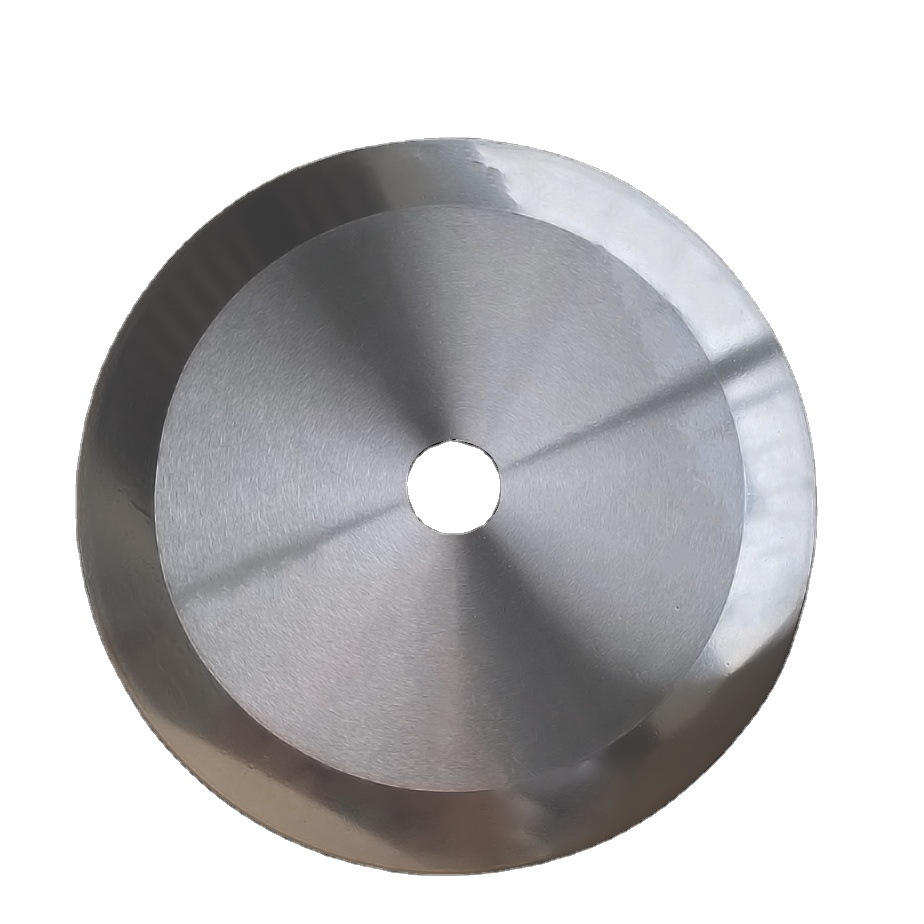
Extended Equipment Life and Cost Reduction Benefits
The financial impact of implementing cutting knife paper into regular operations delivers measurable cost reductions that accumulate substantially over time, making it one of the most economically justified investments in operational efficiency. Cutting blades represent significant capital expenses in manufacturing and processing facilities, with premium blades for industrial applications costing hundreds or even thousands of dollars per unit. When these expensive tools undergo premature wear due to direct contact with abrasive work surfaces or encounter damage from improper cutting substrates, replacement costs multiply rapidly and strain maintenance budgets. Cutting knife paper intervenes in this wear cycle by providing a sacrificial barrier that absorbs the destructive forces that would otherwise attack blade edges. The microscopic interactions during cutting operations involve metal-to-surface contact that generates friction, heat, and mechanical stress on blade crystalline structures. Each cutting action without proper protection causes minute edge degradation through processes including microchipping, thermal softening, and abrasive wear. When cutting knife paper is properly utilized, these destructive processes act upon the paper fibers instead of blade material, preserving edge geometry and sharpness characteristics for extended periods. Documented case studies from manufacturing facilities show blade life extensions ranging from forty percent to three hundred percent depending on application specifics and previous protection methods. These extensions translate directly into reduced blade purchase frequency, lower inventory carrying costs for replacement blades, and decreased labor expenses associated with blade changing procedures. Beyond the blades themselves, cutting knife paper protects expensive cutting tables, self-healing mats, and precision positioning equipment from the accumulated scoring and damage that occurs when blades strike surfaces repeatedly. Replacement costs for industrial cutting tables can reach tens of thousands of dollars, making their protection a priority for cost-conscious operations managers. The prevention of surface damage also maintains cutting accuracy over time, as scored and damaged work surfaces create inconsistencies that affect cut quality and material positioning. Operational efficiency gains contribute additional financial benefits as cutting knife paper eliminates the production interruptions required for emergency blade changes when unprotected blades fail unexpectedly. Scheduled maintenance becomes more predictable and can be coordinated with other planned downtime, maximizing productive hours. The cumulative financial advantage of cutting knife paper adoption typically achieves payback periods measured in weeks rather than months, after which continued use generates ongoing savings that flow directly to operational profitability.
 EN
EN