Paper Cutting Blade Price Guide: Quality, Value & Cost-Effective Solutions for Precision Cutting

All Categories

Get a Free Quote

Our representative will contact you soon.
Email
WhatsApp
Name
Company Name
Message
0/1000

paper cutting blade price

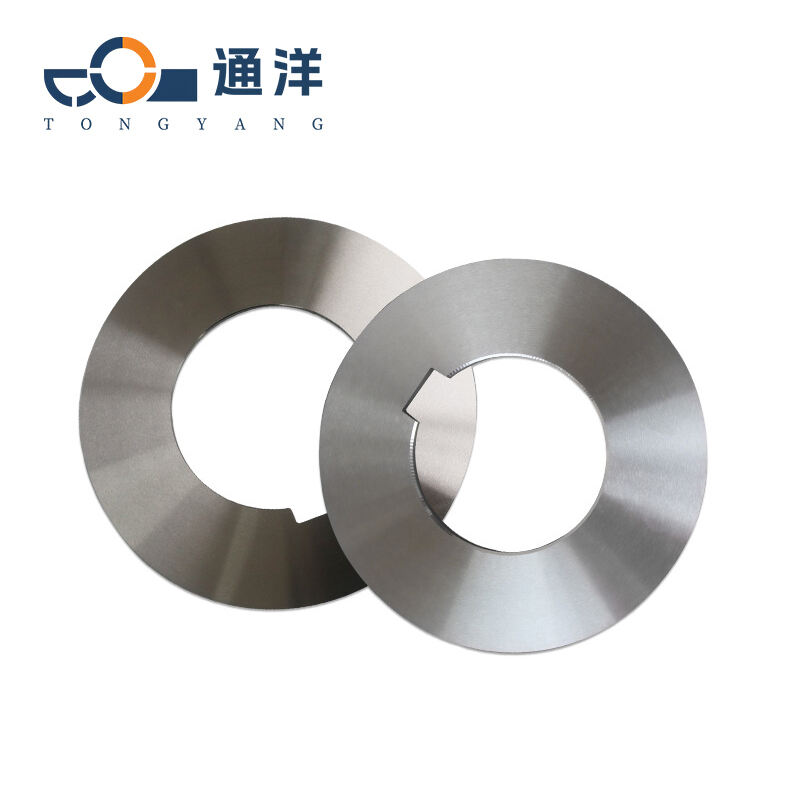
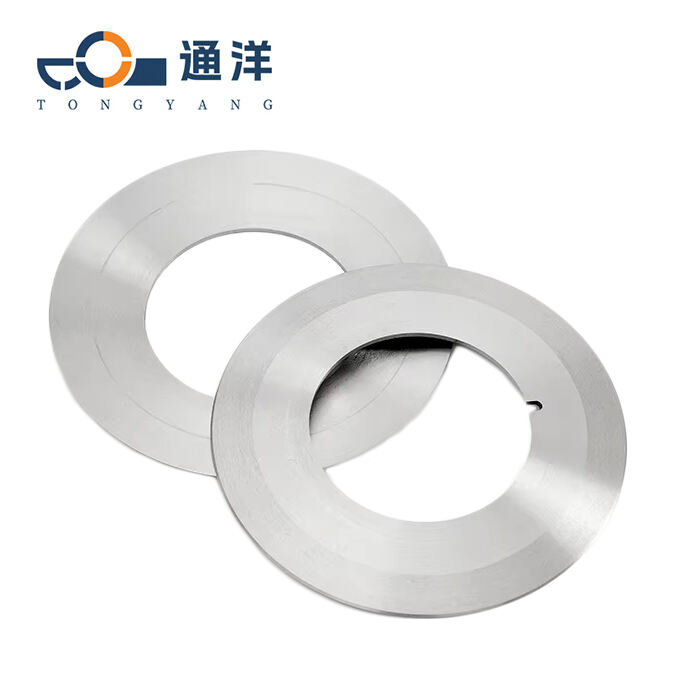
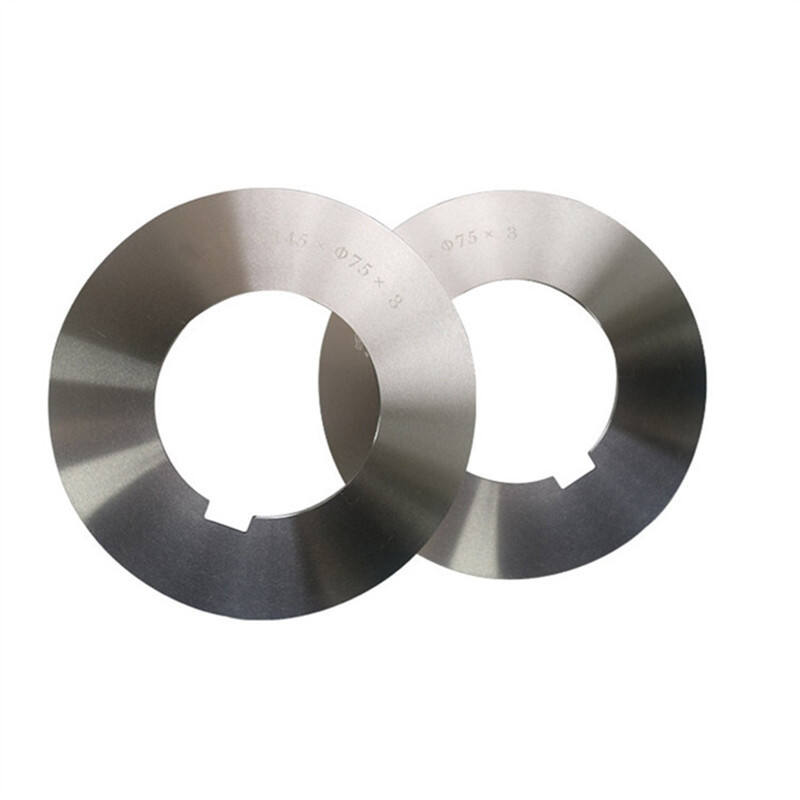
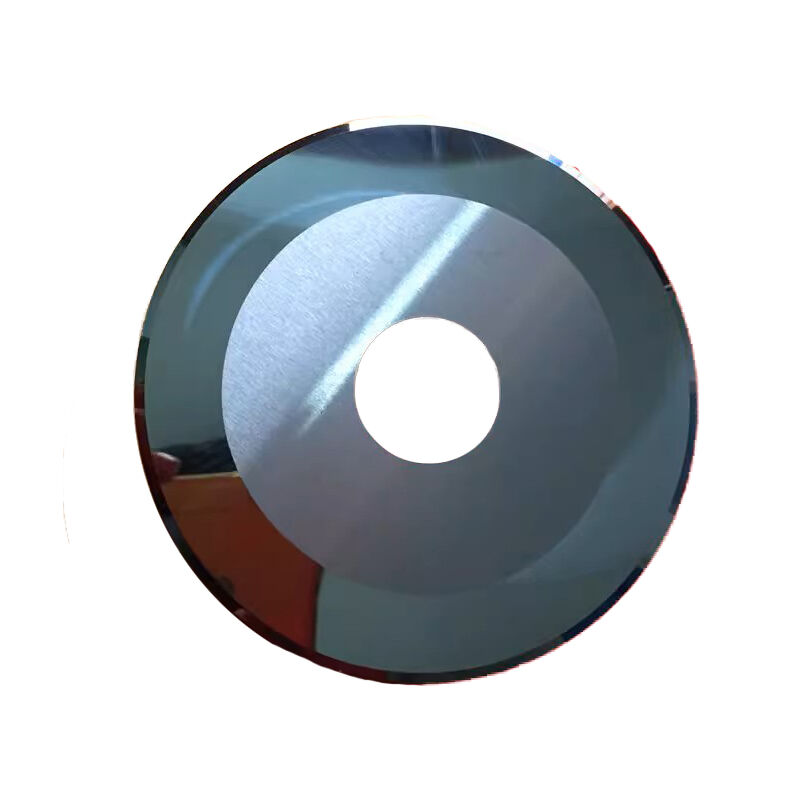
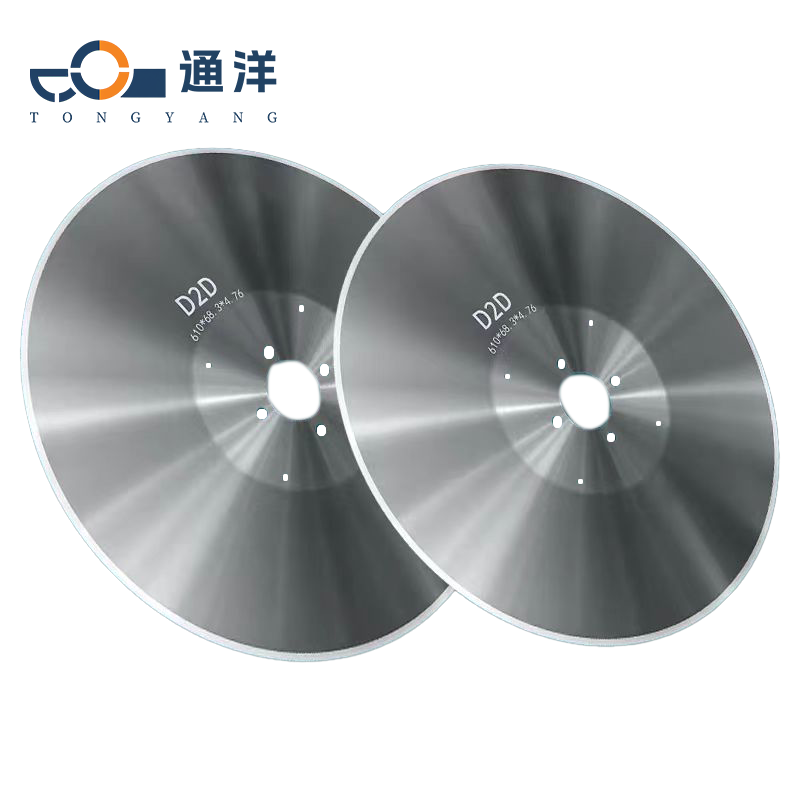
Understanding paper cutting blade price is essential for businesses and individuals who rely on precision cutting equipment in their daily operations. The pricing structure for paper cutting blades reflects a complex interplay of manufacturing quality, material composition, technological advancement, and intended application scope. These specialized cutting tools serve as the heart of paper cutting machinery, determining the accuracy, efficiency, and longevity of cutting operations across various industries. When evaluating paper cutting blade price, customers should consider multiple factors including blade sharpness retention, cutting capacity, compatibility with existing equipment, and overall durability. High-quality paper cutting blades typically incorporate advanced steel alloys or tungsten carbide materials that provide exceptional edge retention and consistent cutting performance over extended periods. The main functions of these blades include delivering clean, straight cuts through multiple paper sheets simultaneously, minimizing paper dust generation, reducing operational downtime through extended blade life, and maintaining dimensional accuracy across thousands of cutting cycles. Technological features often encompass precision grinding techniques that create micro-fine cutting edges, specialized coating applications that reduce friction and prevent adhesive buildup, and engineered blade geometries optimized for specific paper types and thicknesses. Applications span commercial printing facilities, office environments, educational institutions, packaging operations, bookbinding workshops, and manufacturing plants where paper processing constitutes a critical workflow component. The paper cutting blade price varies significantly based on blade dimensions, material specifications, brand reputation, and quantity purchased, with options ranging from economical choices for light-duty applications to premium solutions for industrial-scale operations. Savvy buyers recognize that focusing solely on the initial paper cutting blade price without considering long-term performance characteristics and replacement frequency can lead to higher total ownership costs. Quality blades justify their price through superior cutting consistency, reduced maintenance requirements, enhanced safety features, and improved productivity metrics that directly impact operational profitability. Whether outfitting a new cutting station or replacing worn blades in established equipment, understanding the relationship between paper cutting blade price and performance value enables informed purchasing decisions that align with specific operational requirements and budget constraints.

New Products

Investing in quality paper cutting blades at competitive prices delivers numerous practical benefits that directly impact your operational efficiency and bottom line. First and foremost, a reasonable paper cutting blade price ensures accessibility to professional-grade cutting tools without straining your equipment budget, allowing businesses of all sizes to maintain high standards in their paper processing operations. Quality blades purchased at fair market prices provide exceptional cutting precision that eliminates waste from miscuts and irregular edges, translating to material cost savings that accumulate significantly over time. These blades maintain their sharpness through thousands of cutting cycles, which means fewer blade changes, reduced labor costs associated with blade replacement procedures, and minimal disruption to your workflow continuity. The durability factor inherent in properly priced quality blades prevents premature wear and failure that can damage expensive cutting equipment, protecting your capital investment in machinery while ensuring consistent output quality. Workers benefit from blades that cut smoothly and cleanly because they require less physical effort to operate manual equipment and produce safer working conditions by reducing the likelihood of binding or catching that can cause accidents. When you secure a favorable paper cutting blade price through strategic sourcing or volume purchasing, you establish predictable maintenance budgets that facilitate better financial planning and resource allocation. Superior blades create cleaner cut edges that require no secondary finishing operations, saving processing time and allowing faster job completion and quicker customer delivery. The improved cutting quality directly enhances the professional appearance of finished products, strengthening your reputation and supporting premium pricing for your services. Energy efficiency represents another advantage, as sharp, well-designed blades require less power to operate motorized cutting equipment, contributing to lower utility costs and supporting environmental sustainability initiatives. Compatibility across multiple machine types means you can standardize on specific blade types, simplifying inventory management and reducing the complexity of maintaining adequate spare parts stock. Reliable suppliers offering transparent paper cutting blade price structures enable you to compare options effectively and select products that deliver optimal value for your specific application requirements. The availability of various price points accommodates different operational scales, from small shops requiring occasional blade replacement to high-volume facilities needing frequent replenishment. Strategic purchases during promotional periods or through establishing preferred supplier relationships can further optimize your paper cutting blade price, stretching your maintenance budget while maintaining quality standards. Quality blades resist corrosion and environmental degradation during storage, ensuring that backup inventory remains ready for immediate use when needed. The confidence that comes from using reliable cutting blades at known prices allows you to quote jobs accurately and commit to delivery schedules without concerns about equipment failures or quality issues disrupting your operations.

Tips And Tricks

What is the difference between a combination blade and a ripping or crosscutting blade?

25

Mar

What is the difference between a combination blade and a ripping or crosscutting blade?

What is the Difference Between a Combination Blade and a Ripping or Crosscutting Blade? In woodworking, the type of saw blade you use directly affects the quality of your cuts, the efficiency of your work, and even the lifespan of your tools. Three c...
View More
How to Extend Your Film Slitting Blade Lifespan

25

Mar

How to Extend Your Film Slitting Blade Lifespan

Manufacturing operations that rely on precise film cutting know that blade performance directly impacts production efficiency and product quality. A well-maintained film slitting blade can significantly reduce downtime, minimize material waste, and e...
View More
How to Choose the Perfect Rubber Cutting Knife

25

Mar

How to Choose the Perfect Rubber Cutting Knife

In industrial manufacturing and crafting applications, selecting the right cutting tool can significantly impact productivity, precision, and safety. A rubber cutting knife serves as an essential instrument for professionals working with various rubb...
View More
How to Choose the Perfect Metal Cutting Blade: Pro Guide

06

May

How to Choose the Perfect Metal Cutting Blade: Pro Guide

Selecting the right metal cutting blade is a critical decision that directly impacts production efficiency, cut quality, blade lifespan, and overall operational costs in industrial metalworking operations. Whether you're processing thin gauge steel, ...
View More

Get a Free Quote

Our representative will contact you soon.
Email
WhatsApp
Name
Company Name
Message
0/1000

paper cutting blade price

Cost-Effectiveness Through Extended Blade Life and Reduced Replacement Frequency

Cost-Effectiveness Through Extended Blade Life and Reduced Replacement Frequency

The true value proposition of paper cutting blade price becomes evident when examining the total cost of ownership rather than simply the initial purchase expense. Premium paper cutting blades manufactured from high-grade steel alloys or tungsten carbide composites maintain their cutting edge substantially longer than economy alternatives, dramatically reducing the frequency of blade replacements required to maintain optimal cutting performance. This extended operational life directly translates to lower annualized costs despite a potentially higher initial paper cutting blade price point. Consider that a quality blade capable of executing fifty thousand precise cuts before requiring replacement delivers far superior value compared to an inexpensive blade needing replacement after ten thousand cuts, even if the premium blade costs twice as much initially. The labor savings alone justify the investment, as blade replacement procedures require machine shutdown, safety protocols, careful removal of worn blades, precise installation of new blades, and thorough testing before resuming production operations. Each replacement cycle consumes valuable technician time and interrupts productive workflow, creating hidden costs that multiply across numerous replacement events. Furthermore, extended blade life means reduced procurement administrative overhead, fewer purchase orders to process, less frequent inventory checks, and simplified vendor management activities. Quality blades at appropriate price points maintain consistent cutting accuracy throughout their service life, eliminating the gradual quality degradation that occurs with inferior products as they dull, which can compromise product specifications and increase rejection rates. The relationship between paper cutting blade price and replacement frequency also impacts environmental considerations, as fewer discarded blades mean reduced industrial waste generation and lower disposal costs. Businesses operating multiple cutting stations multiply these advantages across their entire equipment fleet, amplifying the cost-effectiveness differential between quality blades and budget alternatives. Strategic buyers recognize that optimizing paper cutting blade price involves evaluating the cost-per-cut metric rather than fixating on upfront expenditure, enabling data-driven decisions that improve operational economics while maintaining quality standards that satisfy customer expectations and support competitive differentiation in the marketplace.
Superior Cutting Quality Enabling Enhanced Product Standards and Customer Satisfaction

Superior Cutting Quality Enabling Enhanced Product Standards and Customer Satisfaction

The direct correlation between paper cutting blade price and cutting quality profoundly impacts the marketability and perceived value of finished products across diverse applications. High-quality blades justify their pricing through the delivery of exceptionally clean cut edges that exhibit no ragged fibers, compression marks, or dimensional irregularities that compromise professional appearance. This cutting precision proves particularly critical in applications such as commercial printing, where cut quality directly affects the perceived value of brochures, business cards, and marketing materials that represent client brands. In packaging operations, clean cuts ensure proper folding, gluing, and assembly of boxes and containers, preventing structural failures that lead to product damage during shipping and handling. Educational institutions and corporate offices benefit from precise cuts that create professional-looking documents and presentations that reflect organizational standards and attention to detail. The relationship between paper cutting blade price and performance consistency ensures that the first cut in a production run exhibits identical quality to the thousandth cut, eliminating variation that complicates quality control and increases rejection rates. Premium blades incorporate advanced grinding techniques that create micro-smooth cutting edges capable of slicing through paper fibers rather than tearing them, producing edges that require no secondary finishing operations. This capability eliminates time-consuming deburring or trimming steps that add labor costs and extend production timelines. When evaluating paper cutting blade price considerations, forward-thinking buyers recognize that superior cutting quality supports premium pricing strategies for finished products, as customers willingly pay more for items exhibiting professional finish quality. The competitive advantage gained through consistent cutting excellence can differentiate service providers in crowded markets, supporting customer retention and positive word-of-mouth referrals that drive business growth. Quality cutting also reduces material waste from spoilage and rework, as accurate cuts eliminate the need to discard improperly sized sheets or restart jobs due to quality failures. For businesses handling specialty papers, coated stocks, or expensive materials, the waste reduction enabled by quality blades purchased at appropriate prices quickly recovers the incremental investment through preserved material value. The confidence that comes from reliable cutting quality allows production managers to accept tight-tolerance jobs and commit to demanding delivery schedules without excessive safety margins built into quotes and timelines.
Broad Compatibility and Application Flexibility Maximizing Equipment Utilization

Broad Compatibility and Application Flexibility Maximizing Equipment Utilization

Strategic evaluation of paper cutting blade price should encompass compatibility factors that maximize the versatility and utilization rates of existing cutting equipment across diverse applications. Quality blade manufacturers design their products to accommodate multiple machine brands and models, eliminating the need to maintain separate inventories for different equipment types and simplifying procurement processes. This universal compatibility approach means that a reasonable paper cutting blade price provides access to cutting solutions suitable for various operational requirements without forcing buyers into proprietary replacement part ecosystems that limit sourcing options and inflate long-term costs. Businesses operating mixed equipment fleets particularly benefit from standardized blade specifications that allow interchangeable use across multiple cutting stations, reducing inventory complexity and ensuring that backup blades remain available regardless of which specific machine requires service. The flexibility inherent in quality blades extends to their capability to cut diverse paper types, weights, and finishes without requiring specialized variants for each substrate category. A properly priced, well-engineered blade handles standard office paper, coated presentation stock, cardstock, and specialty materials with equal proficiency, eliminating the need to purchase and inventory multiple blade types for different job requirements. This adaptability proves invaluable in dynamic production environments where job specifications vary daily and the ability to switch between applications without changing blades maintains operational momentum and prevents bottlenecks. When assessing paper cutting blade price in the context of application flexibility, buyers should consider the expanded revenue opportunities enabled by equipment capable of handling diverse cutting tasks. A shop equipped with versatile blades can accept varied jobs without turning away business due to equipment limitations, maximizing asset utilization and improving return on equipment investment. Quality blades also accommodate different cutting techniques, from guillotine cutting to rotary methods, providing operational flexibility that adapts to evolving business requirements without necessitating complete equipment replacement. The paper cutting blade price for premium products includes engineering investments that optimize blade geometry, material hardness, and edge angles for broad application suitability rather than narrow specialization. This universal approach delivers better value for businesses that cannot justify maintaining extensive blade inventories or lack the storage capacity for numerous specialized variants. Furthermore, compatibility with standard blade changing mechanisms and mounting systems means that workers require no specialized training or proprietary tools to perform maintenance procedures, reducing the skill requirements and labor costs associated with blade replacement activities while improving workplace safety through standardized procedures.

Get a Free Quote

Our representative will contact you soon.
Email
WhatsApp
Name
Company Name
Message
0/1000
Newsletter
Please Leave A Message With Us