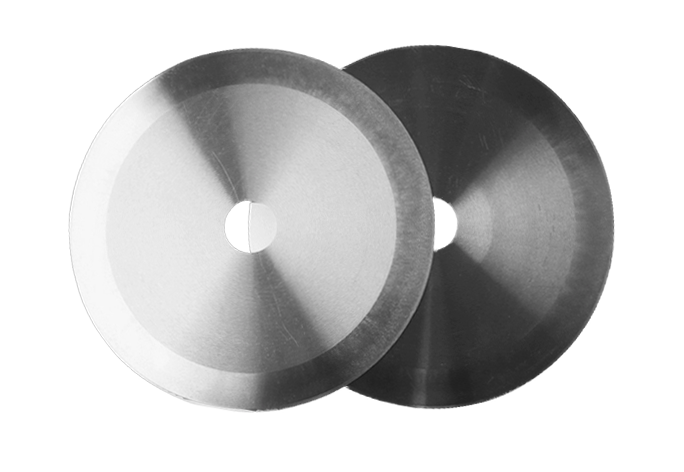
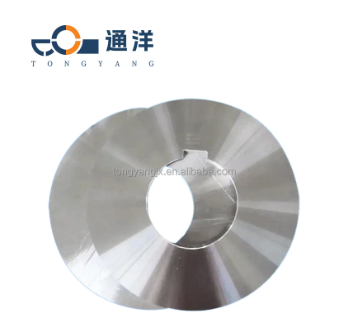
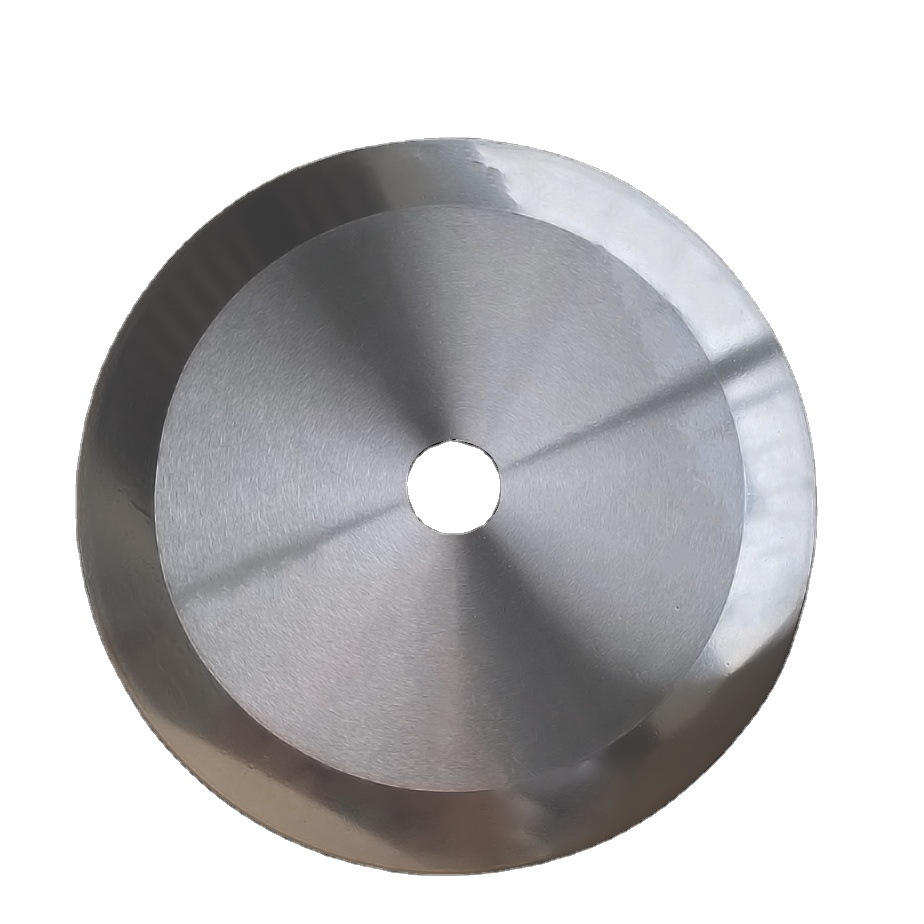
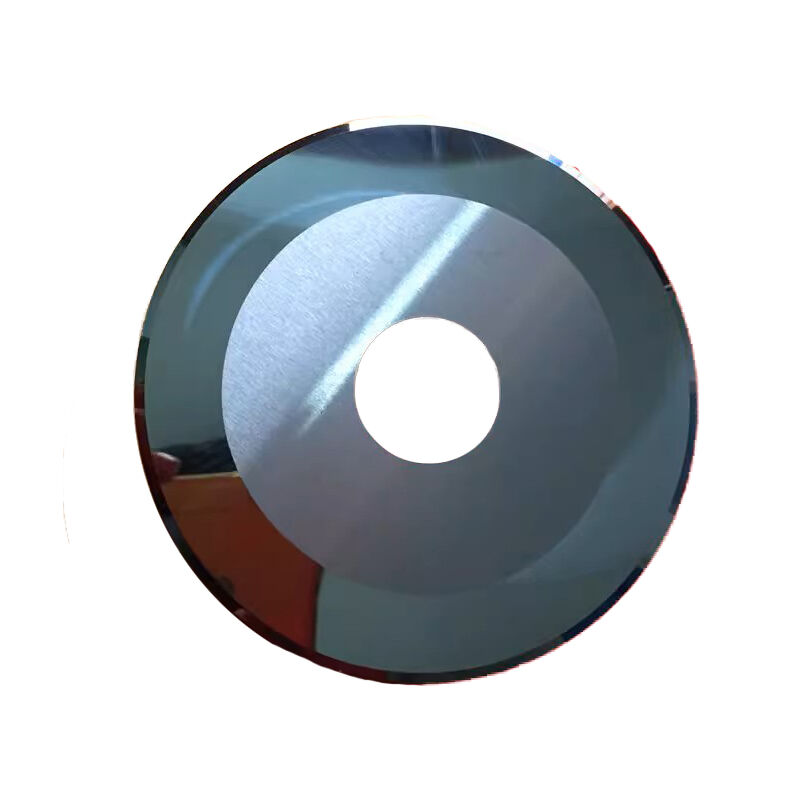
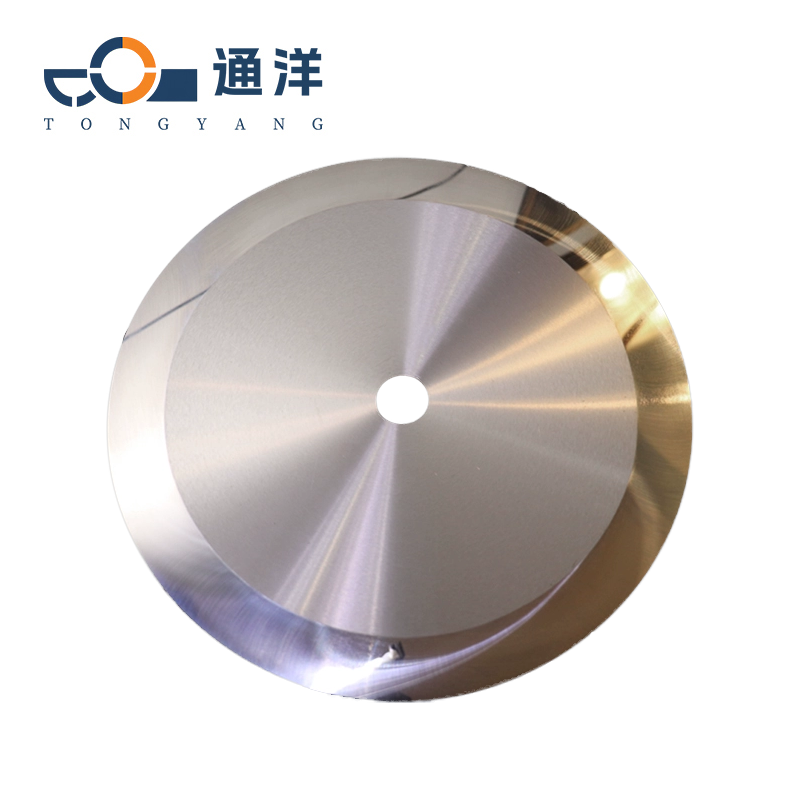
Premium Paper Knife Blade - Professional Cutting Tools for Precision and Durability

All Categories

Get a Free Quote

Our representative will contact you soon.
Email
WhatsApp
Name
Company Name
Message
0/1000

paper knife blade

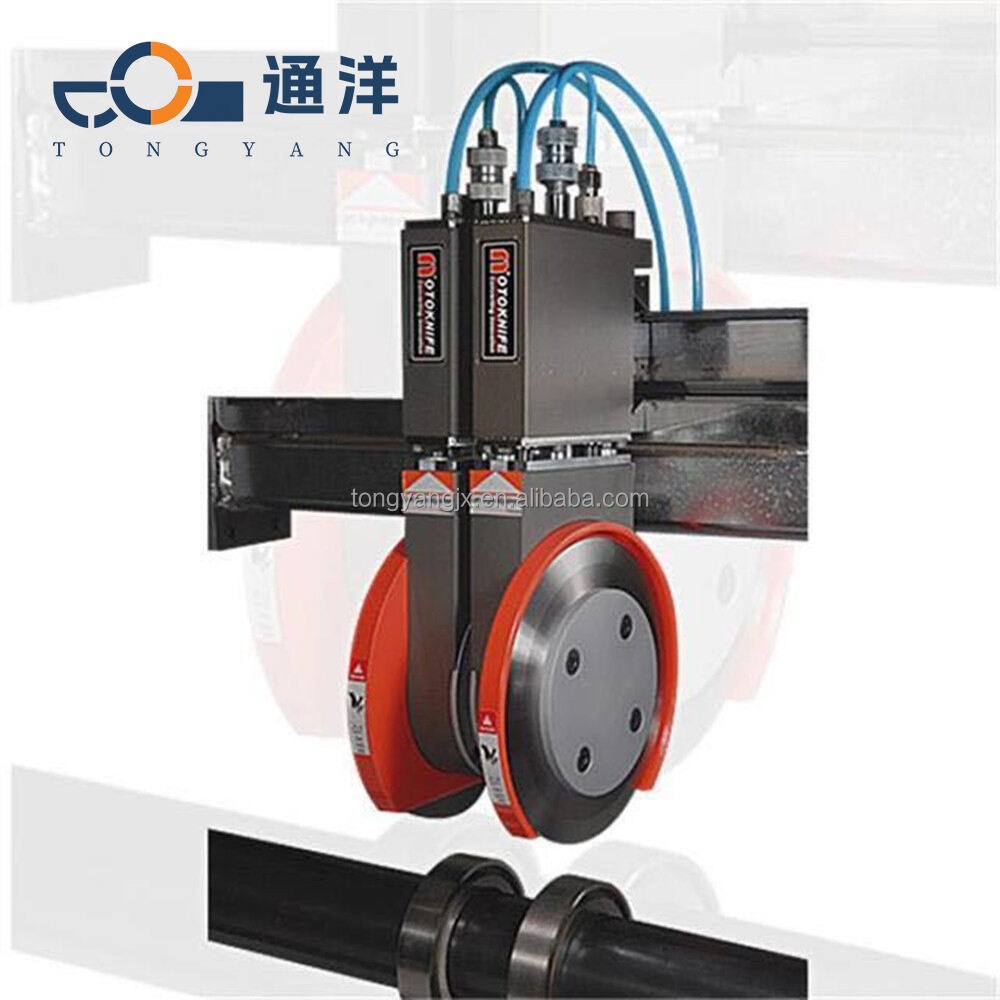
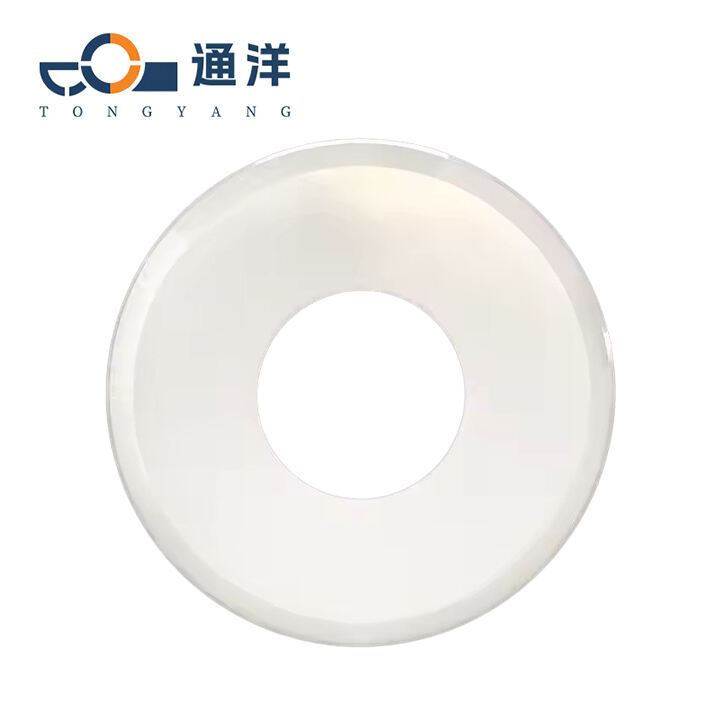
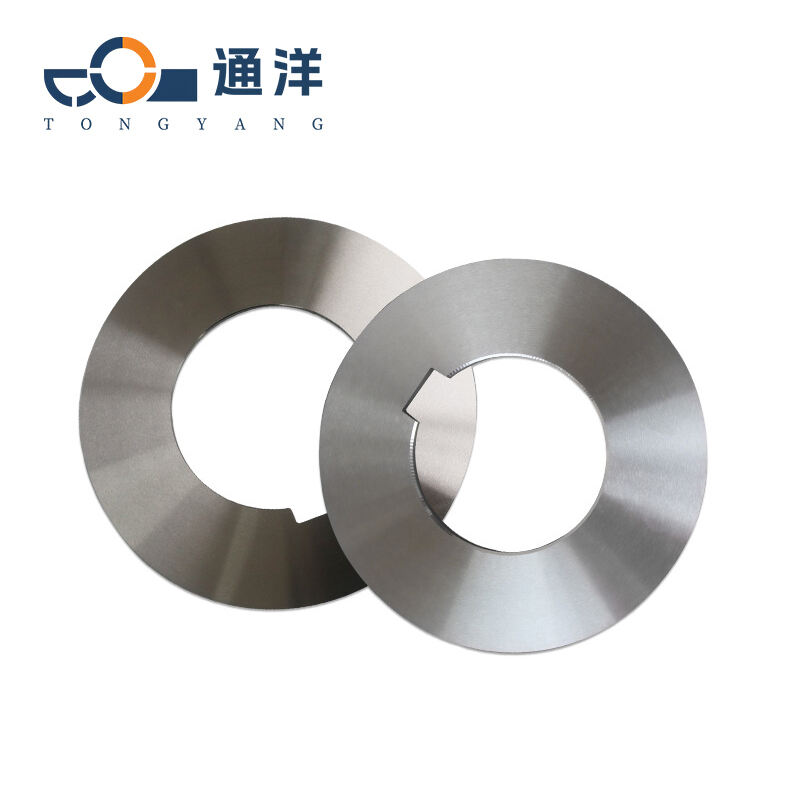
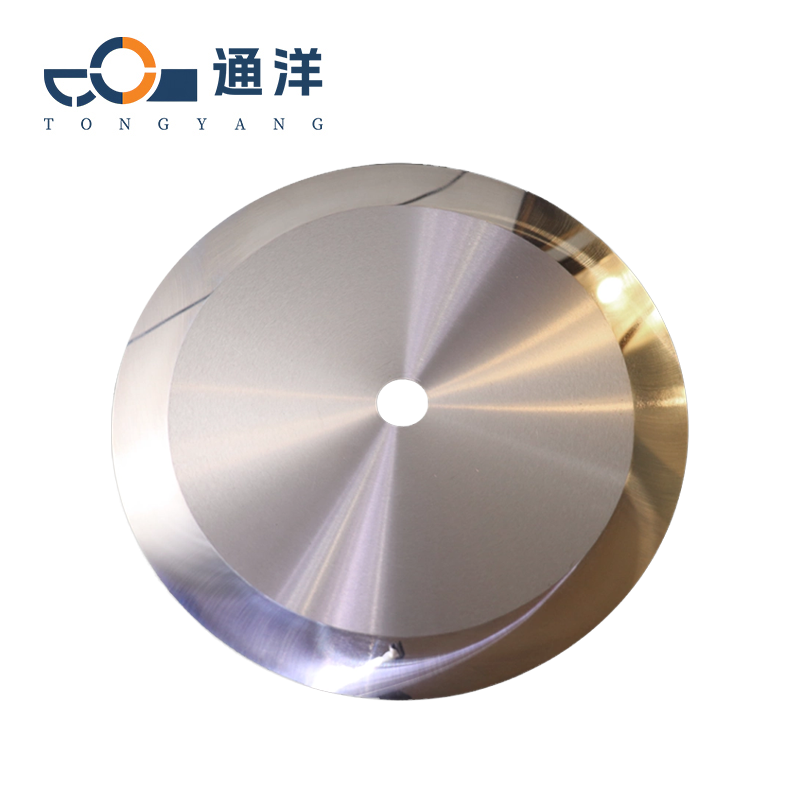
The paper knife blade represents a fundamental tool in modern offices, crafting workshops, and commercial printing facilities. This precision cutting instrument consists of a sharp-edged blade specifically engineered to slice through paper materials with exceptional accuracy and minimal effort. The paper knife blade serves as an essential component in various cutting tools, from traditional letter openers to industrial paper cutters used in professional environments. Its primary function centers on delivering clean, straight cuts through single sheets or multiple layers of paper without causing tears, fraying, or uneven edges that could compromise document presentation quality. The technological features of a paper knife blade incorporate advanced metallurgy and manufacturing processes that ensure optimal performance. Manufacturers typically construct these blades from high-carbon steel, stainless steel, or specialized alloy compositions that maintain sharpness over extended periods while resisting corrosion and wear. The blade edge undergoes precision grinding and honing procedures to achieve the ideal cutting angle, usually ranging between 20 to 30 degrees, which balances sharpness with durability. Modern paper knife blade designs often include protective coatings such as titanium nitride or ceramic treatments that enhance longevity and reduce friction during cutting operations. The applications of paper knife blades extend across multiple industries and settings. In corporate offices, these blades facilitate efficient mail opening and document processing. Print shops and binderies rely on paper knife blades for trimming printed materials, creating precise edges on brochures, catalogs, and marketing collateral. Artistic and craft communities utilize these blades for scrapbooking, card making, and detailed paper cutting projects that demand accuracy. Educational institutions employ paper knife blades in art departments and administrative offices for various cutting tasks. The versatility of the paper knife blade makes it indispensable for anyone working regularly with paper-based materials, offering a reliable solution that combines functionality with user-friendly operation for consistent results.

Popular Products

The paper knife blade delivers numerous practical benefits that make it an invaluable tool for professionals and casual users alike. First and foremost, the blade provides exceptional cutting precision that ensures every slice through paper produces clean, professional-looking edges. This accuracy proves particularly important when preparing presentations, creating marketing materials, or handling important documents where appearance directly impacts perceived quality. Users can trust the paper knife blade to deliver consistent results without the ragged edges or torn sections that dull cutting tools often produce. The durability of a quality paper knife blade translates to significant cost savings over time. Unlike disposable cutting solutions that require frequent replacement, a well-crafted paper knife blade maintains its sharp edge through hundreds or thousands of cutting operations. This longevity reduces the need for constant tool replacement, lowering operational expenses while ensuring reliable performance when you need it most. The robust construction of these blades withstands daily use in demanding environments without bending, chipping, or losing effectiveness. Another major advantage centers on the safety features incorporated into modern paper knife blade designs. Many models include protective guards, retractable mechanisms, or ergonomic handles that minimize the risk of accidental cuts during use or storage. These safety enhancements allow users to work confidently without constant worry about injury, making the paper knife blade suitable for diverse workplace settings where multiple people share tools. The efficiency gains from using a paper knife blade cannot be overstated. This tool enables rapid processing of paper materials, whether opening dozens of envelopes, trimming stacks of documents, or cutting craft materials for projects. The blade glides smoothly through paper with minimal resistance, requiring less physical effort than scissors or tearing by hand. This ease of use reduces fatigue during extended cutting sessions and increases productivity by allowing users to complete tasks more quickly. The versatility of the paper knife blade adds tremendous value by serving multiple purposes within a single tool. Users can cut various paper weights and thicknesses, from delicate tissue paper to heavy cardstock, without switching between different tools. This adaptability makes the paper knife blade practical for diverse applications, reducing clutter by eliminating the need for multiple specialized cutting implements. The maintenance requirements for a paper knife blade remain minimal, asking only for occasional cleaning and proper storage to maintain peak performance. This low-maintenance characteristic appeals to busy professionals who need reliable tools without demanding upkeep routines.

Tips And Tricks

What is the difference between a combination blade and a ripping or crosscutting blade?

25

Mar

What is the difference between a combination blade and a ripping or crosscutting blade?

What is the Difference Between a Combination Blade and a Ripping or Crosscutting Blade? In woodworking, the type of saw blade you use directly affects the quality of your cuts, the efficiency of your work, and even the lifespan of your tools. Three c...
View More
Comparing Steel vs Ceramic Paper Cutting Blades

30

Mar

Comparing Steel vs Ceramic Paper Cutting Blades

When selecting the right paper cutting blade for industrial or commercial applications, the choice between steel and ceramic materials represents one of the most critical decisions affecting cut quality, operational efficiency, and long-term costs. E...
View More
How to Sharpen Your Circular Knife: Step-by-Step Guide

30

Apr

How to Sharpen Your Circular Knife: Step-by-Step Guide

Maintaining the sharpness of your circular knife is essential for achieving clean, precise cuts in industrial and commercial applications. Whether you work in rubber processing, textile manufacturing, paper cutting, or food production, a dull circula...
View More
Leather Cutting Blade Maintenance: Essential Tips

30

Apr

Leather Cutting Blade Maintenance: Essential Tips

Proper maintenance of your leather cutting blade directly determines the quality of your cuts, the longevity of your equipment, and the efficiency of your production workflow. Whether you operate a small leather workshop or manage a large-scale manuf...
View More

Get a Free Quote

Our representative will contact you soon.
Email
WhatsApp
Name
Company Name
Message
0/1000

paper knife blade

Superior Cutting Precision Through Advanced Edge Technology

Superior Cutting Precision Through Advanced Edge Technology

The paper knife blade achieves remarkable cutting precision through sophisticated edge technology that sets it apart from conventional cutting tools. This precision stems from carefully engineered blade geometry that manufacturers develop through extensive research and testing. The cutting edge features a meticulously calculated angle that optimizes the balance between initial sharpness and long-term edge retention, ensuring the paper knife blade performs consistently throughout its service life. Advanced manufacturing processes such as laser cutting, water jet shaping, and computer-controlled grinding create blade edges with microscopic uniformity, eliminating the irregularities that cause uneven cuts or snagging. The molecular structure of the steel itself contributes significantly to cutting precision. High-quality paper knife blade production involves heat treatment cycles that refine the metal's grain structure, creating a dense, uniform composition that holds an edge exceptionally well. Some premium manufacturers employ cryogenic treatment, exposing the blade to extremely low temperatures that further enhance molecular alignment and durability. These metallurgical advancements allow the paper knife blade to slice through paper fibers cleanly rather than tearing them, producing cuts that appear almost polished. The precision of a paper knife blade proves especially valuable in professional contexts where document appearance directly affects business outcomes. Marketing agencies preparing client presentations rely on clean cuts that project professionalism and attention to detail. Legal offices processing important contracts cannot afford ragged edges that might obscure signatures or text. Graphic designers working with paper mockups need precise cuts to ensure their creations match digital designs exactly. In each scenario, the paper knife blade delivers the accuracy required for professional results. The technological sophistication extends to specialized coatings applied to many modern paper knife blades. These surface treatments reduce friction between blade and paper, allowing smoother cutting action that further enhances precision. Low-friction coatings also prevent adhesive residues from sticky papers or labels from accumulating on the blade surface, maintaining cutting performance even when processing materials with challenging surface characteristics. Users benefit from this precision technology through improved workflow efficiency and reduced material waste, as accurate cuts eliminate the need to redo work or discard improperly trimmed materials.
Exceptional Durability and Long-Term Value Investment

Exceptional Durability and Long-Term Value Investment

The paper knife blade represents a smart long-term investment due to its exceptional durability characteristics that far exceed disposable alternatives. This durability originates from careful material selection and manufacturing processes that prioritize longevity without compromising cutting performance. Manufacturers typically construct premium paper knife blades from high-carbon stainless steel alloys specifically formulated to resist the gradual dulling that affects lesser cutting tools. These specialized steel compositions contain precisely controlled ratios of carbon, chromium, and other elements that enhance hardness while maintaining sufficient flexibility to prevent brittleness. The result is a paper knife blade that withstands repeated use across months or years while maintaining its original sharpness and cutting capability. Heat treatment processes play a crucial role in establishing the durability of a paper knife blade. Through carefully controlled heating and cooling cycles, manufacturers transform the molecular structure of the steel, achieving optimal hardness ratings typically between 55 and 62 on the Rockwell scale. This hardness level ensures the blade edge resists deformation and wear during cutting operations while avoiding excessive brittleness that could lead to chipping or breaking. The thermal treatment also relieves internal stresses within the metal, promoting uniform performance characteristics across the entire blade length. Corrosion resistance further contributes to the long-term value proposition of quality paper knife blades. Stainless steel compositions or protective coatings shield the blade from moisture, humidity, and environmental factors that cause rust and degradation in untreated metals. This corrosion resistance proves particularly important in environments with variable climate control or when the paper knife blade might contact hands with natural skin oils and moisture. By preventing rust formation, these blades maintain both their appearance and functional performance throughout extended service periods. The economic benefits of this durability become apparent through simple cost analysis. While a quality paper knife blade may require a higher initial investment than disposable cutters, its extended lifespan means users purchase replacement tools far less frequently. Over a five-year period, investing in a durable paper knife blade typically costs significantly less than repeatedly buying cheap alternatives that dull quickly and require constant replacement. Beyond direct cost savings, durability also reduces the environmental impact by minimizing waste generation and resource consumption associated with manufacturing and disposing of multiple short-lived tools. Maintenance requirements for durable paper knife blades remain surprisingly minimal, requiring only basic care to preserve performance over time.
Ergonomic Design Enhancing Safety and User Comfort

Ergonomic Design Enhancing Safety and User Comfort

Modern paper knife blade designs prioritize ergonomic considerations that transform user experience by enhancing both safety and comfort during extended use. This human-centered design approach recognizes that cutting tools interact directly with users' hands and bodies, making ergonomic optimization essential for preventing fatigue, reducing injury risk, and improving overall productivity. Leading manufacturers invest substantial resources in ergonomic research, studying how people naturally grip and manipulate cutting tools to inform design decisions that create intuitive, comfortable user experiences. The handle design of implements featuring paper knife blades incorporates contoured shapes that conform naturally to hand anatomy, distributing pressure evenly across the palm and fingers rather than creating uncomfortable pressure points. These thoughtfully shaped handles reduce the grip force required to control the tool effectively, minimizing hand and wrist strain during repetitive cutting tasks. Some advanced designs include soft-touch materials or textured surfaces that enhance grip security without requiring users to clench tightly, further reducing muscle fatigue. The balanced weight distribution between blade and handle prevents awkward wrist angles that could lead to repetitive strain injuries over time, allowing users to maintain neutral joint positions that promote comfort during extended cutting sessions. Safety features integrated into paper knife blade designs protect users from accidental injuries while maintaining functional accessibility. Blade guards that cover the sharp edge when not in use prevent inadvertent contact that could cause cuts during storage or transport. Retractable blade mechanisms allow users to expose only the necessary cutting edge length for specific tasks, minimizing exposed sharp surfaces. Some designs incorporate spring-loaded safety returns that automatically retract the paper knife blade when users release pressure, providing an additional layer of protection against accidental cuts. These safety innovations prove particularly valuable in shared workspaces where multiple people with varying experience levels might use the same tools. The ergonomic benefits of well-designed paper knife blade tools extend beyond immediate comfort to influence long-term health outcomes. By reducing physical strain associated with cutting tasks, ergonomic designs help prevent cumulative trauma disorders such as carpal tunnel syndrome or tendonitis that can develop from repeated awkward motions or excessive grip force. This preventive aspect proves especially important for professionals who perform cutting tasks regularly as part of their daily responsibilities. Employers benefit from reduced workplace injury rates and associated costs, while employees enjoy greater comfort and sustained productivity throughout their careers. The intuitive nature of ergonomically designed paper knife blade tools also reduces the learning curve for new users, allowing them to work effectively with minimal training while maintaining safety standards.

Get a Free Quote

Our representative will contact you soon.
Email
WhatsApp
Name
Company Name
Message
0/1000
Newsletter
Please Leave A Message With Us