Premium Paper Cutting Blade Solutions - Professional Cutting Performance & Precision

All Categories

Get a Free Quote

Our representative will contact you soon.
Email
WhatsApp
Name
Company Name
Message
0/1000

paper cutting blade

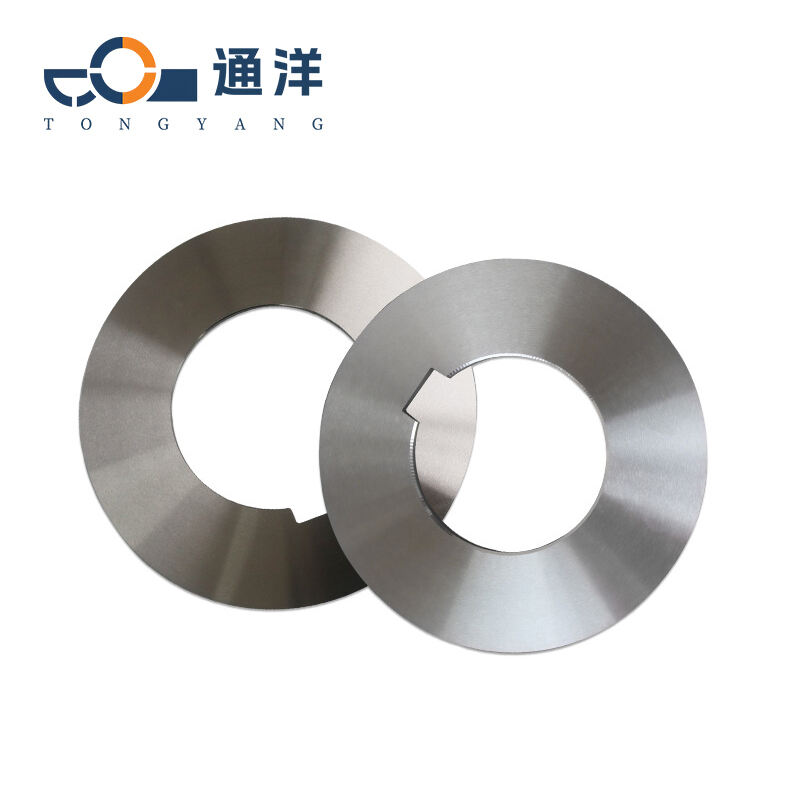
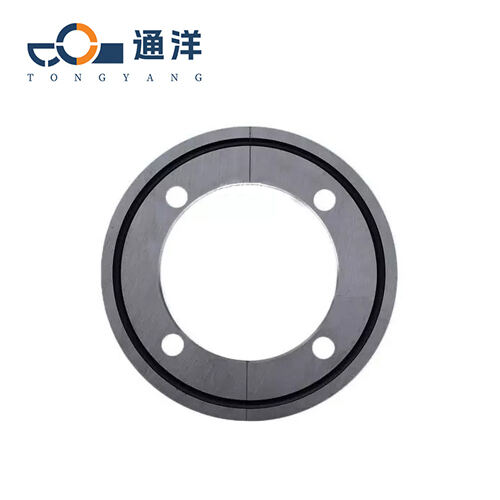
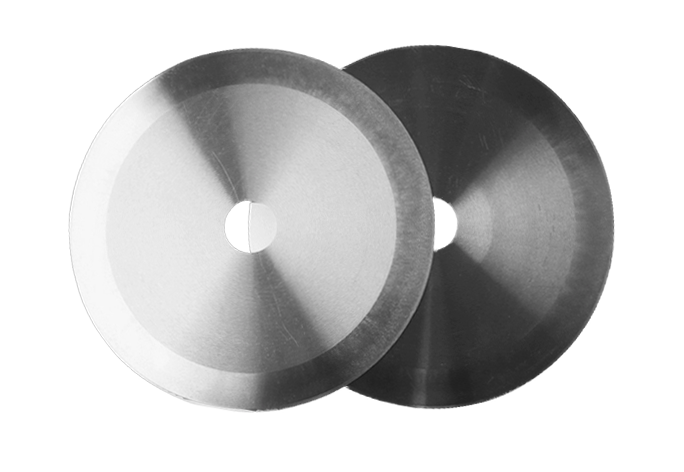
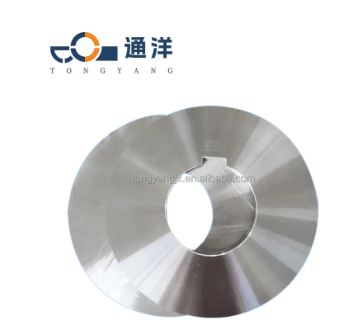
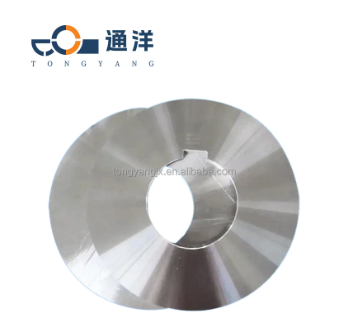
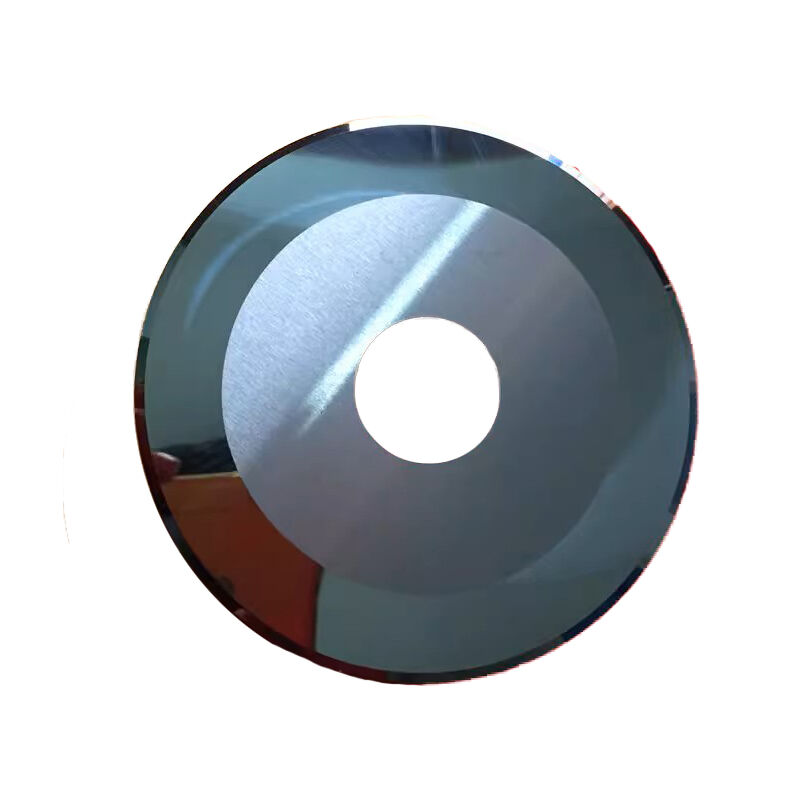
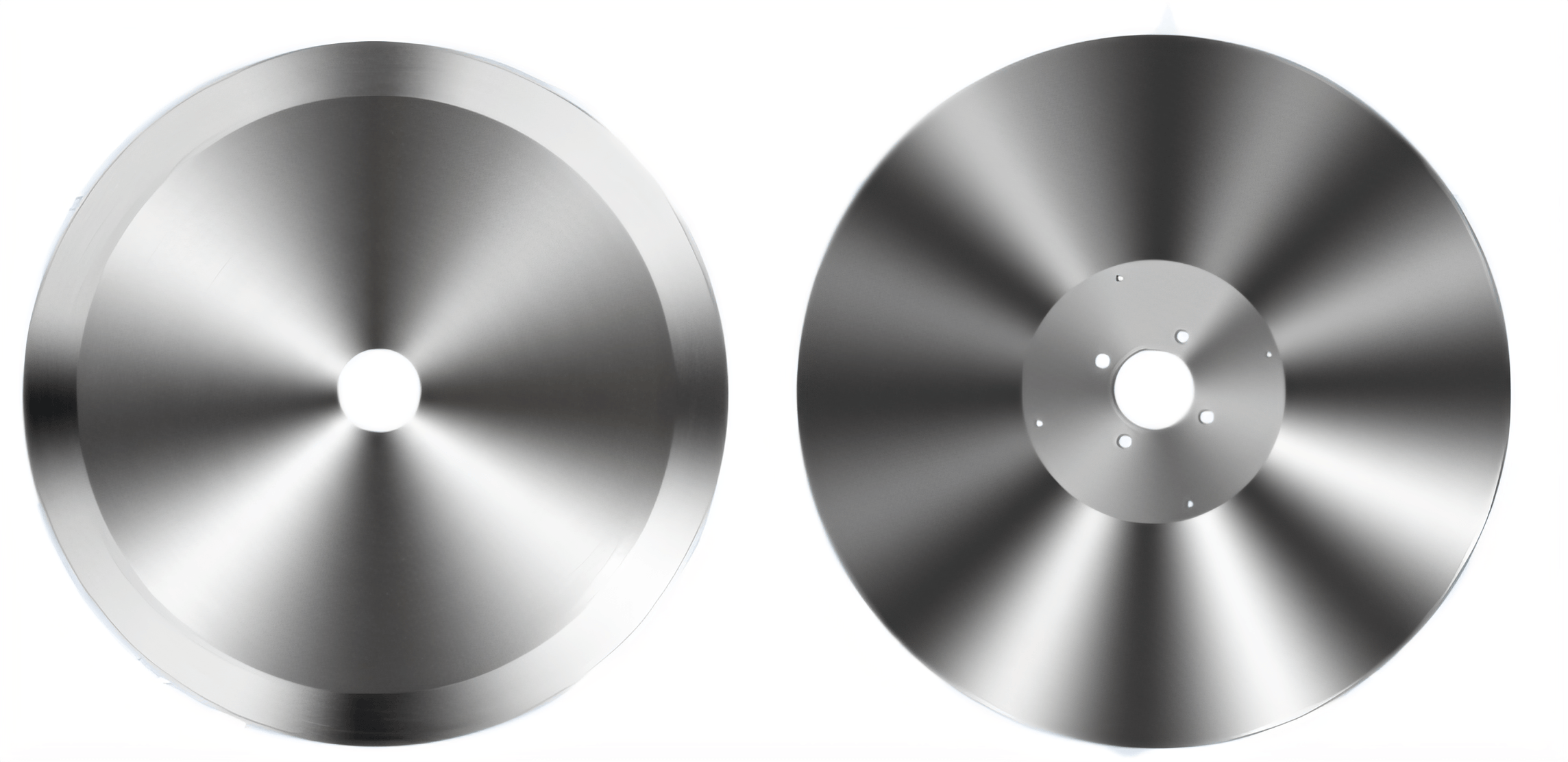
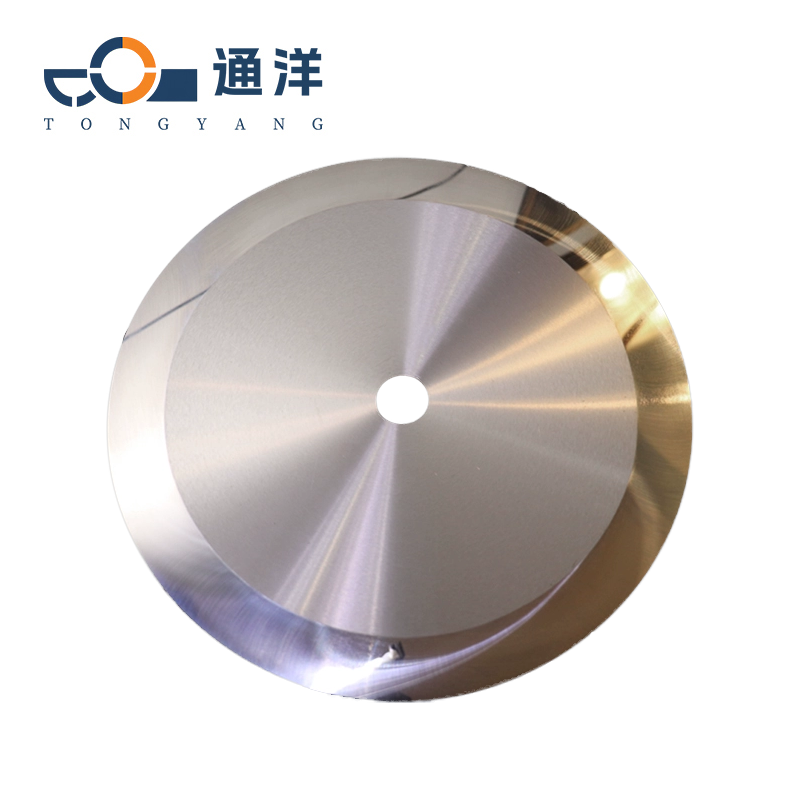
The paper cutting blade represents a critical component in various cutting operations across multiple industries, serving as the primary tool for achieving precise, clean cuts through different types of paper materials. This specialized blade is engineered with exceptional sharpness and durability to handle the demanding requirements of modern cutting applications. The paper cutting blade functions as the essential cutting element in guillotine cutters, rotary trimmers, and automated cutting machinery, delivering consistent performance across thousands of cutting cycles. Its main functions include executing straight-line cuts through paper stacks, trimming edges with precision, and enabling accurate dimensional control in paper processing operations. The technological features of the paper cutting blade incorporate advanced metallurgy, featuring high-carbon steel or tungsten carbide construction that maintains edge retention over extended use periods. Modern paper cutting blade designs utilize computer-controlled grinding processes to achieve microscopic edge geometries, resulting in cleaner cuts with minimal paper fiber disruption. The blade surface often receives specialized coatings that reduce friction, prevent adhesive buildup, and resist corrosion from environmental exposure. Applications for the paper cutting blade span commercial printing facilities, office environments, educational institutions, packaging operations, and manufacturing plants where paper conversion processes occur. In printing operations, the paper cutting blade enables precise trimming of finished products, ensuring consistent dimensions across large production runs. Office settings benefit from paper cutting blade technology in desktop trimmers and guillotine cutters used for document preparation and presentation materials. Educational facilities rely on paper cutting blade equipment for art projects, classroom materials, and administrative document processing. The packaging industry utilizes industrial-grade paper cutting blade systems for box manufacturing, label production, and specialty packaging materials. Manufacturing environments incorporate paper cutting blade technology into automated cutting lines for filter media, gasket materials, and technical papers requiring exacting specifications.

New Product Releases

The paper cutting blade delivers numerous practical benefits that directly impact operational efficiency and cost management for businesses and individuals requiring reliable cutting solutions. Users experience significant time savings when utilizing a sharp, well-maintained paper cutting blade because it processes materials quickly without requiring multiple passes or corrective adjustments. The precision offered by quality paper cutting blade technology eliminates waste by ensuring accurate cuts on the first attempt, reducing material losses that accumulate into substantial cost savings over time. Organizations find that investing in superior paper cutting blade products reduces labor costs because operators complete cutting tasks faster and with less physical effort compared to inferior alternatives. The durability engineered into professional-grade paper cutting blade designs translates to longer service intervals between blade replacements, minimizing downtime and maintenance expenses that disrupt workflow continuity. Safety represents another crucial advantage, as modern paper cutting blade equipment incorporates protective features that reduce injury risks while maintaining cutting efficiency. The clean cuts produced by sharp paper cutting blade edges create professional-looking finished products that enhance brand reputation and customer satisfaction in commercial applications. Versatility stands out as a key benefit because the paper cutting blade handles various paper weights, from lightweight tissue to heavy cardstock, adapting to diverse project requirements without equipment changes. Consistency remains paramount in production environments, and the paper cutting blade delivers uniform results across thousands of cuts, ensuring quality standards remain stable throughout production runs. Maintenance simplicity provides practical advantages for busy operations, as paper cutting blade systems typically require only periodic cleaning and straightforward sharpening or replacement procedures. The paper cutting blade contributes to cleaner work environments by producing smooth cuts that generate less paper dust and debris compared to dull or damaged cutting edges. Energy efficiency emerges as an advantage in powered cutting systems, where sharp paper cutting blade components require less motor power to achieve desired cutting results. Flexibility in application allows the paper cutting blade to serve multiple functions within a single facility, from rough cutting operations to finish trimming requiring exacting tolerances. Organizations appreciate how quality paper cutting blade investments protect other equipment components by reducing mechanical stress on cutting machinery when blades maintain optimal sharpness. The reliability factor cannot be overstated, as dependable paper cutting blade performance ensures deadline commitments are met without unexpected equipment failures disrupting production schedules.

Practical Tips

Can a Circular Blade Cut Metal? A Look at Hardened Metal Cutting Blades

25

Mar

Can a Circular Blade Cut Metal? A Look at Hardened Metal Cutting Blades

The ability to cut through metal efficiently and precisely has always been a cornerstone of modern manufacturing and fabrication industries. When professionals need to slice through various metal materials, the choice of cutting tool can make the dif...
View More
How to Sharpen Your Circular Knife: Step-by-Step Guide

30

Apr

How to Sharpen Your Circular Knife: Step-by-Step Guide

Maintaining the sharpness of your circular knife is essential for achieving clean, precise cuts in industrial and commercial applications. Whether you work in rubber processing, textile manufacturing, paper cutting, or food production, a dull circula...
View More
Metal Cutting Blade Maintenance: Essential Tips

30

Apr

Metal Cutting Blade Maintenance: Essential Tips

Metal cutting blades are critical components in industrial manufacturing environments, directly influencing productivity, cut quality, and operational safety. Whether deployed in metal slitting machines, shearing operations, or precision cutting appl...
View More
Leather Cutting Blade Maintenance: Essential Tips

30

Apr

Leather Cutting Blade Maintenance: Essential Tips

Proper maintenance of your leather cutting blade directly determines the quality of your cuts, the longevity of your equipment, and the efficiency of your production workflow. Whether you operate a small leather workshop or manage a large-scale manuf...
View More

Get a Free Quote

Our representative will contact you soon.
Email
WhatsApp
Name
Company Name
Message
0/1000

paper cutting blade

Superior Edge Retention Technology for Extended Performance

Superior Edge Retention Technology for Extended Performance

The paper cutting blade distinguishes itself through advanced edge retention technology that fundamentally changes how businesses approach cutting operations and blade replacement schedules. This technological advancement stems from sophisticated material science and precision manufacturing processes that create cutting edges capable of maintaining sharpness through tens of thousands of cutting cycles. The importance of edge retention in paper cutting blade design relates directly to operational costs, as facilities that previously replaced blades weekly or monthly can extend service intervals dramatically when utilizing superior edge retention technology. This extended performance capability originates from carefully selected alloy compositions in the paper cutting blade substrate, combining high-carbon steel with trace elements that enhance hardness without sacrificing toughness. The heat treatment processes applied during paper cutting blade manufacture create microstructures at the molecular level that resist deformation and wear even under continuous cutting stress. Manufacturers employ cryogenic tempering for premium paper cutting blade products, exposing blades to extreme cold that stabilizes the steel structure and eliminates residual stresses that cause premature dulling. The grinding processes that create the cutting edge geometry on each paper cutting blade utilize diamond abrasives and computer-controlled machinery to achieve edge angles measured in fractions of a degree. This precision in paper cutting blade edge formation ensures optimal cutting performance while maximizing the volume of material that can be processed before resharpening becomes necessary. The value proposition for customers centers on reduced total cost of ownership, as fewer blade replacements mean lower direct material costs, reduced labor for blade changes, and minimal production interruptions. Quality control in paper cutting blade manufacturing includes microscopic edge inspection, hardness testing, and actual cutting trials that verify performance specifications before products reach customers. The practical benefits extend beyond cost savings to include consistent cut quality throughout the blade service life, as superior edge retention means the paper cutting blade delivers the same clean cuts on the final operation as it did when newly installed. Organizations processing high volumes discover that edge retention technology in their paper cutting blade inventory creates predictable maintenance schedules, enabling better planning and inventory management compared to unpredictable blade wear patterns from inferior products.
Precision Engineering for Flawless Cut Quality

Precision Engineering for Flawless Cut Quality

The paper cutting blade achieves exceptional cut quality through precision engineering principles that address every aspect of blade geometry, surface finish, and dimensional control. This meticulous attention to engineering details separates professional paper cutting blade products from basic alternatives that may appear similar but deliver inconsistent results. The significance of precision engineering in paper cutting blade design becomes evident when examining the microscopic characteristics that influence cutting performance, including edge straightness, surface smoothness, and uniform hardness distribution. Manufacturing facilities producing premium paper cutting blade products invest in advanced metrology equipment that measures blade characteristics to tolerances of micrometers, ensuring each blade meets exacting specifications. The flatness of the paper cutting blade proves critical for achieving uniform cutting pressure across the entire blade length, preventing the uneven cuts that occur when blade surfaces deviate from perfect planes. Grinding operations that shape each paper cutting blade utilize computer numerical control technology, eliminating the variations inherent in manual grinding processes and ensuring identical geometry across production batches. Surface finishing processes applied to paper cutting blade products create mirror-smooth surfaces that minimize friction during cutting operations, reducing heat generation and extending blade life. The importance of these precision characteristics manifests in real-world applications where the paper cutting blade must slice through paper stacks cleanly without tearing, crushing, or creating ragged edges that diminish product quality. Professional print shops and commercial finishing operations depend on precision-engineered paper cutting blade technology to meet customer expectations for crisp, clean edges on brochures, business cards, and marketing materials. The value delivered through precision engineering extends to reduced setup time, as accurately manufactured paper cutting blade products install correctly without adjustment iterations to achieve proper cutting alignment. Quality assurance protocols in paper cutting blade production include laser measurement systems that verify edge straightness, profilometers that assess surface roughness, and coordinate measuring machines that confirm dimensional accuracy. Customers benefit from this precision focus through predictable performance, where each paper cutting blade delivers known capabilities that enable accurate production planning and capacity calculations. The reliability stemming from precision engineering means the paper cutting blade performs consistently regardless of environmental conditions, material variations, or operator differences that might affect lesser cutting tools.
Versatile Application Range Across Multiple Industries

Versatile Application Range Across Multiple Industries

The paper cutting blade demonstrates remarkable versatility through its ability to serve diverse applications across numerous industries, each with unique requirements and performance expectations. This adaptability makes the paper cutting blade an essential tool for organizations ranging from small craft businesses to large-scale manufacturing operations processing millions of sheets annually. The importance of versatility in paper cutting blade design relates to investment efficiency, as equipment capable of handling multiple applications eliminates the need for specialized cutting tools for each specific task. Commercial printing operations utilize paper cutting blade technology for trimming printed sheets, cutting business cards from larger stock, and preparing materials for binding operations, with each application demanding slightly different cutting characteristics. Packaging manufacturers depend on industrial paper cutting blade systems to process corrugated materials, paperboard, and specialty substrates used in product packaging, where cutting precision directly affects assembly efficiency. Educational institutions employ paper cutting blade equipment in art departments for creative projects, administrative offices for document preparation, and print shops for campus publications. The paper cutting blade serves photography studios trimming prints, architects cutting presentation boards, and sign makers processing various paper-based substrates for display graphics. This broad application range stems from thoughtful paper cutting blade design that balances edge geometry, material hardness, and blade thickness to accommodate different cutting scenarios. Manufacturing environments processing technical papers, filter media, and specialty materials rely on paper cutting blade technology that maintains tight tolerances while handling abrasive or difficult-to-cut substrates. The value proposition for versatile paper cutting blade products includes reduced equipment inventory requirements, simplified operator training across multiple applications, and flexibility to accept diverse project types without capability limitations. Retail operations utilize paper cutting blade tools for custom cutting services, gift wrap preparation, and display material fabrication, requiring equipment that operates safely in customer-facing environments. The paper cutting blade adapts to both manual cutting operations where human control guides each cut and automated systems where computer control determines cutting parameters for complex patterns. Organizations appreciate how versatile paper cutting blade equipment scales with business growth, handling increased volumes or new material types without requiring complete equipment replacement. The engineering challenge in creating versatile paper cutting blade products involves optimizing performance across multiple variables while maintaining the specialized characteristics that ensure excellence in primary applications.

Get a Free Quote

Our representative will contact you soon.
Email
WhatsApp
Name
Company Name
Message
0/1000
Newsletter
Please Leave A Message With Us