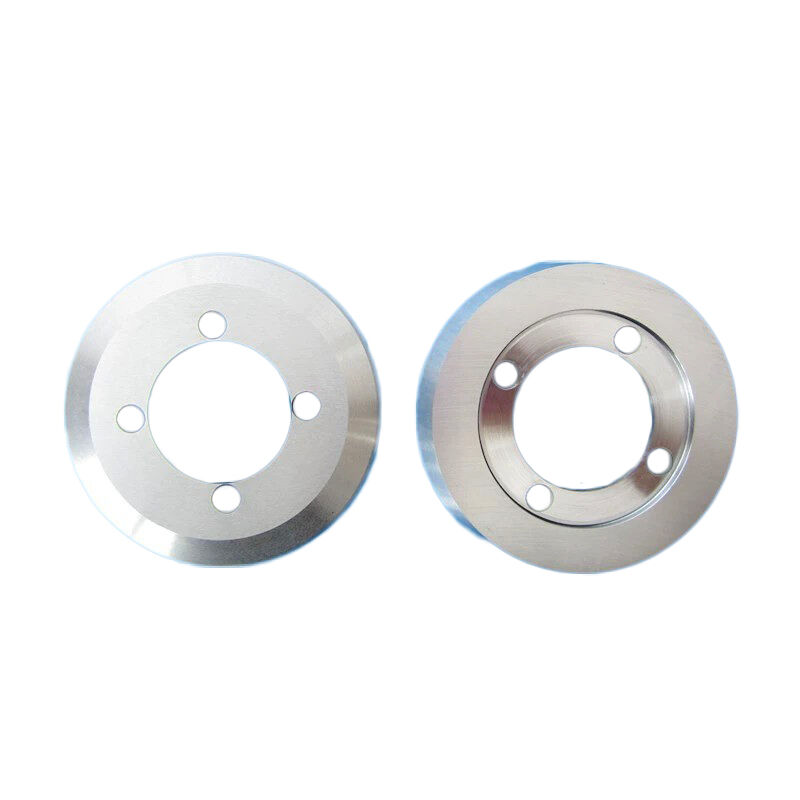
Premium Metal Cutting Blade Manufacturer - Industrial Cutting Solutions & Custom Blade Design

All Categories

Get a Free Quote

Our representative will contact you soon.
Email
WhatsApp
Name
Company Name
Message
0/1000

metal cutting blade manufacturer

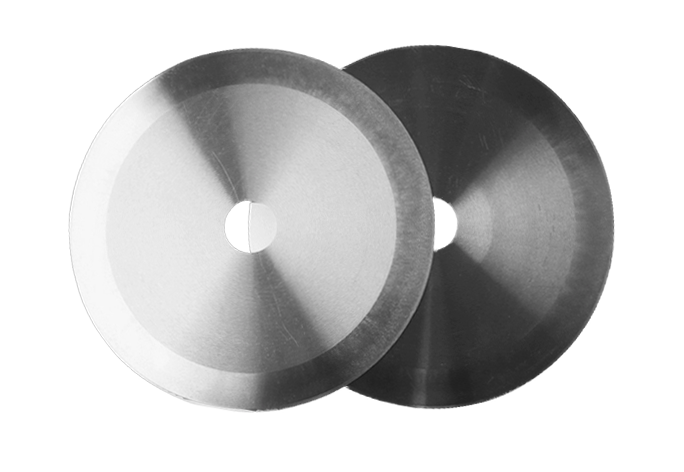
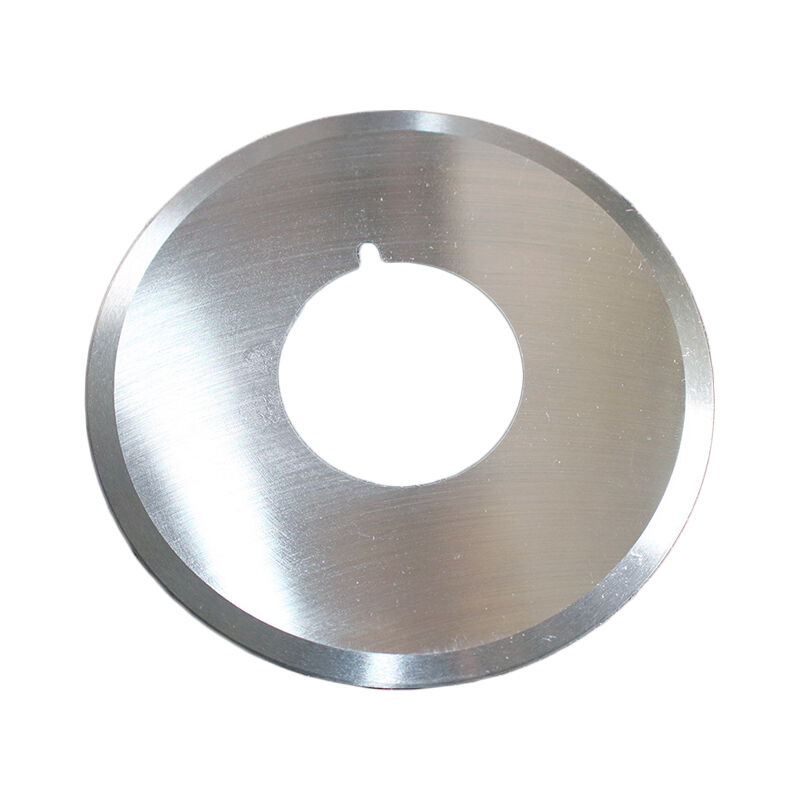
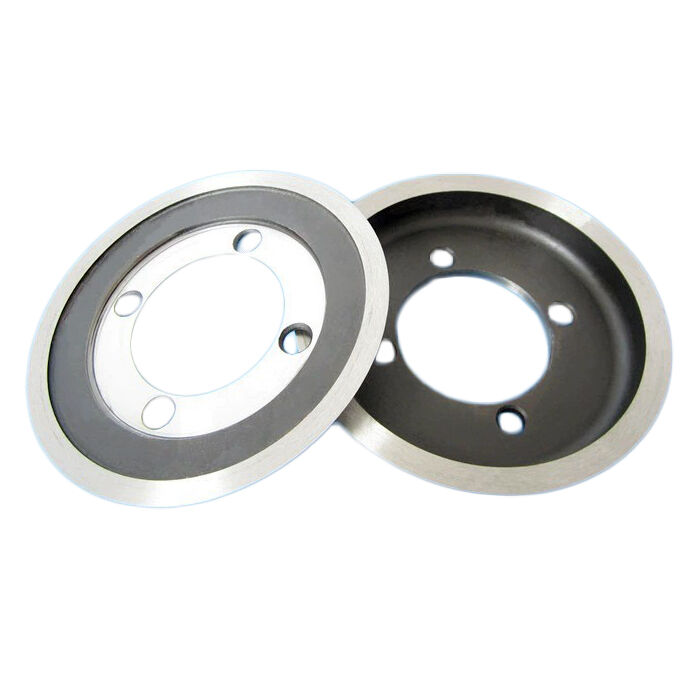
A metal cutting blade manufacturer stands as a crucial pillar in modern industrial production, specializing in the design, engineering, and production of precision cutting tools essential for metalworking operations across diverse sectors. These manufacturers create specialized blades engineered to slice through various metal types, including steel, aluminum, copper, titanium, and exotic alloys with exceptional accuracy and efficiency. The primary function of a metal cutting blade manufacturer revolves around delivering cutting solutions that meet stringent industrial demands while maximizing productivity and minimizing operational costs. Through advanced metallurgical processes and sophisticated engineering techniques, these manufacturers produce blades incorporating carbide tips, diamond coatings, or high-speed steel compositions tailored to specific cutting applications. Technological features distinguish leading manufacturers from competitors, including computer-aided design systems that optimize tooth geometry, automated grinding equipment ensuring consistent blade quality, and proprietary heat treatment processes enhancing blade longevity. Modern metal cutting blade manufacturers utilize state-of-the-art CNC machinery to achieve micron-level precision in blade manufacturing, ensuring each product meets exact specifications. Quality control protocols incorporate laser measurement systems, hardness testing, and performance validation under simulated operating conditions. Applications for products from a metal cutting blade manufacturer span countless industries, from automotive manufacturing where blades cut body panels and structural components, to aerospace facilities requiring ultra-precise cuts in exotic materials, construction sites demanding robust blades for structural steel, and fabrication shops producing custom metal parts. The versatility of these manufacturers enables them to serve metalworking operations of all scales, from large industrial facilities processing hundreds of tons daily to small workshops handling specialized projects. Environmental considerations have become increasingly important, with responsible manufacturers implementing sustainable production practices, recycling programs for worn blades, and developing cutting solutions that reduce material waste during metalworking operations. The evolution of metal cutting blade manufacturing continues advancing through research into new materials, coating technologies, and blade designs that push the boundaries of cutting speed, precision, and durability while addressing the ever-changing needs of modern industry.

Popular Products

Partnering with an established metal cutting blade manufacturer delivers tangible benefits that directly impact your bottom line and operational efficiency. First and foremost, you gain access to superior cutting performance that translates into faster production cycles and reduced downtime. Blades from reputable manufacturers cut through metal materials more cleanly and quickly, allowing your team to complete projects ahead of schedule while maintaining exceptional quality standards. This speed advantage compounds over time, enabling your facility to accept more orders and increase revenue without expanding your workforce or equipment inventory. The durability factor represents another significant advantage, as professionally manufactured blades maintain their cutting edges substantially longer than inferior alternatives. This extended lifespan means fewer blade changes throughout your production day, keeping your operators focused on productive work rather than equipment maintenance. The cost savings become evident when you calculate reduced blade replacement expenses over months and years of operation. Quality manufacturing processes ensure consistent performance across every blade you purchase, eliminating the frustrating variability that disrupts production schedules and compromises finished product quality. Your team can rely on predictable cutting behavior, making it easier to train new operators and maintain consistent output standards. Working with a dedicated metal cutting blade manufacturer also provides access to technical expertise and application support that helps you optimize cutting parameters for specific materials and project requirements. Their engineering teams can recommend the ideal blade specifications for your unique applications, ensuring you achieve the best possible results while avoiding costly trial-and-error experimentation. Customization capabilities allow manufacturers to develop specialized blade configurations addressing your specific challenges, whether that involves unusual material combinations, restricted access cutting situations, or extreme precision requirements. The safety improvements delivered by professionally manufactured blades cannot be overstated, as superior materials and construction methods reduce the risk of blade failure, breakage, or unpredictable cutting behavior that could endanger operators. Enhanced safety features include vibration-dampening designs, optimized tooth patterns preventing grabbing or kickback, and materials tested under extreme conditions to verify performance limits. Supply chain reliability represents yet another practical advantage, as established manufacturers maintain consistent production capabilities and inventory systems ensuring you receive blades when needed without extended lead times disrupting your operations. Many manufacturers offer convenient ordering systems, flexible delivery schedules, and inventory management programs that simplify procurement processes. The comprehensive documentation provided includes detailed specifications, recommended operating parameters, and maintenance guidelines that help your team maximize blade performance and longevity while meeting industry safety standards and regulatory requirements.

Latest News

Industrial Corrugated Cardboard Cutting Blade Selection Tips

25

Mar

Industrial Corrugated Cardboard Cutting Blade Selection Tips

Selecting the right cutting blade for corrugated cardboard processing operations represents a critical decision that directly impacts production efficiency, product quality, and operational costs. Industrial facilities handling large volumes of corru...
View More
Common Slitter Blades Problems and Solutions

30

Mar

Common Slitter Blades Problems and Solutions

Manufacturing operations that rely on slitter blades face a variety of challenges that can significantly impact production efficiency, material quality, and operational costs. Understanding the most common problems associated with slitter blades and ...
View More
How to Sharpen Your Circular Knife: Step-by-Step Guide

30

Apr

How to Sharpen Your Circular Knife: Step-by-Step Guide

Maintaining the sharpness of your circular knife is essential for achieving clean, precise cuts in industrial and commercial applications. Whether you work in rubber processing, textile manufacturing, paper cutting, or food production, a dull circula...
View More
Leather Cutting Blade Maintenance: Essential Tips

30

Apr

Leather Cutting Blade Maintenance: Essential Tips

Proper maintenance of your leather cutting blade directly determines the quality of your cuts, the longevity of your equipment, and the efficiency of your production workflow. Whether you operate a small leather workshop or manage a large-scale manuf...
View More

Get a Free Quote

Our representative will contact you soon.
Email
WhatsApp
Name
Company Name
Message
0/1000

metal cutting blade manufacturer

Advanced Manufacturing Technology and Precision Engineering

Advanced Manufacturing Technology and Precision Engineering

The technological sophistication employed by a leading metal cutting blade manufacturer sets the foundation for exceptional product performance and reliability. Modern manufacturing facilities utilize multi-axis CNC grinding centers programmed with proprietary algorithms that control every aspect of blade geometry with extraordinary precision. These computer-controlled systems can maintain tolerances measured in micrometers, ensuring that tooth angles, gullet depths, and edge profiles remain perfectly consistent across thousands of production units. The grinding wheels themselves represent significant technological investments, composed of specialized abrasive materials selected for their ability to shape hardened steel and carbide materials without introducing thermal damage or metallurgical changes that could compromise blade performance. Temperature monitoring systems continuously track heat generation during grinding operations, automatically adjusting feed rates and cooling fluid application to prevent overheating that would reduce blade hardness or introduce internal stresses. Laser measurement systems scan finished blades multiple times throughout the production process, comparing actual dimensions against design specifications and triggering automatic corrections when deviations exceed predetermined thresholds. This closed-loop quality control ensures that every blade leaving the facility meets exacting standards regardless of production volume or manufacturing conditions. The heat treatment processes developed by experienced manufacturers represent decades of metallurgical research and practical application knowledge. Precisely controlled furnace atmospheres, heating rates, soaking times, and quenching methods transform raw blade blanks into cutting tools with optimized hardness gradients, toughness characteristics, and residual stress patterns. Advanced coating technologies add another dimension to blade performance, with physical vapor deposition systems applying ultra-thin layers of titanium nitride, titanium carbonitride, or diamond-like carbon materials that dramatically reduce friction, resist abrasion, and extend cutting edge life. These coatings bond at the molecular level, creating interfaces that withstand the extreme pressures and temperatures generated during metal cutting operations. The research and development programs maintained by forward-thinking manufacturers continuously explore new materials, geometries, and surface treatments that push performance boundaries. This commitment to innovation ensures that customers benefit from the latest technological advances without needing to conduct their own expensive research programs or risk operational disruptions testing unproven products.
Comprehensive Product Range and Application Expertise

Comprehensive Product Range and Application Expertise

The breadth and depth of product offerings from an experienced metal cutting blade manufacturer enables customers to source all their cutting tool requirements from a single trusted supplier. Product catalogs typically encompass hundreds of blade configurations spanning multiple cutting technologies and application categories. Circular saw blades designed for metal cutting include cold saw blades optimized for ferrous materials, featuring tooth geometries and coatings specifically engineered to handle the chip formation characteristics and cutting forces associated with steel alloys. Abrasive cutting wheels utilize bonded aluminum oxide or silicon carbide particles to slice through hardened materials, stainless steels, and other difficult-to-machine metals where traditional toothed blades would quickly dull. Band saw blades in various widths, thicknesses, and tooth configurations address everything from intricate contour cutting in sheet metal to heavy-duty structural steel sectioning. Reciprocating saw blades engineered for metal demolition and construction applications feature aggressive tooth designs and shatter-resistant backing materials that survive the brutal conditions encountered in field operations. Specialty blades address niche applications including tube and pipe cutting, rebar processing, metal roofing fabrication, and precision instrument manufacturing. Beyond product variety, manufacturers bring invaluable application expertise developed through decades of collaboration with metalworking facilities across diverse industries. Their technical teams understand the nuances of cutting different alloy families, the impact of material hardness and thickness on blade selection, and the machine parameters that optimize cutting performance while maximizing blade life. This knowledge gets codified into comprehensive application guides, selection charts, and technical bulletins that help customers identify the ideal blade for specific jobs. Many manufacturers offer consultation services where engineers visit customer facilities, observe actual cutting operations, and recommend optimizations addressing productivity bottlenecks or quality issues. These field assessments often reveal opportunities for significant improvements through blade specification changes, machine parameter adjustments, or operational procedure modifications that customers would never discover independently. Custom blade development capabilities enable manufacturers to create specialized solutions for unique customer requirements that standard products cannot adequately address. The design process begins with detailed discussions about material characteristics, cutting objectives, machine capabilities, and production volume requirements, progressing through prototype development, field testing, and refinement cycles until the resulting blade delivers optimal performance for the intended application.
Quality Assurance Systems and Customer Support Infrastructure

Quality Assurance Systems and Customer Support Infrastructure

The commitment to quality demonstrated by reputable metal cutting blade manufacturers extends far beyond basic product testing, encompassing comprehensive systems that ensure consistent excellence throughout every phase of production and customer interaction. Quality assurance programs begin with incoming material inspection, where raw steel, carbide blanks, and component parts undergo rigorous verification testing before entering production workflows. Metallurgical laboratories equipped with spectrometers, hardness testers, and microscopy equipment analyze material compositions and microstructures, confirming that suppliers have delivered materials meeting exact specifications. Statistical process control methodologies monitor critical manufacturing parameters in real-time, plotting measurement data on control charts that reveal trends potentially indicating equipment wear, process drift, or other factors that could compromise product quality before defects actually occur. Random sampling protocols pull finished blades from production batches at predetermined intervals, subjecting them to destructive testing that validates cutting performance, durability, and safety characteristics. These test blades get mounted in specialized cutting rigs that simulate actual operating conditions, slicing through test materials while sensors measure cutting forces, vibration levels, heat generation, and wear rates. Only batches whose test samples meet stringent performance criteria receive approval for shipment to customers. Documentation systems maintain complete traceability, recording every manufacturing operation, quality inspection result, and material batch number associated with each blade, enabling rapid investigation and resolution should any field performance issues emerge. Certification programs ensure compliance with international quality standards including ISO 9001 requirements, industry-specific regulations, and customer-specific quality system mandates. Customer support infrastructure represents another critical quality dimension, with dedicated technical support teams available to answer application questions, troubleshoot cutting problems, and provide guidance on blade selection, machine setup, and operational best practices. Many manufacturers maintain extensive online resource libraries containing installation instructions, safety guidelines, troubleshooting flowcharts, and video tutorials that help customers maximize blade performance while minimizing operator errors. Warranty programs demonstrate manufacturer confidence in product quality, offering replacement or refund for blades that fail prematurely due to manufacturing defects while clearly defining proper usage parameters and maintenance requirements that ensure warranty coverage remains valid. The feedback mechanisms implemented by quality-focused manufacturers actively solicit customer input regarding product performance, service experiences, and improvement suggestions, channeling this information to product development and manufacturing teams who use it to drive continuous improvement initiatives that benefit the entire customer base.

Get a Free Quote

Our representative will contact you soon.
Email
WhatsApp
Name
Company Name
Message
0/1000
Newsletter
Please Leave A Message With Us