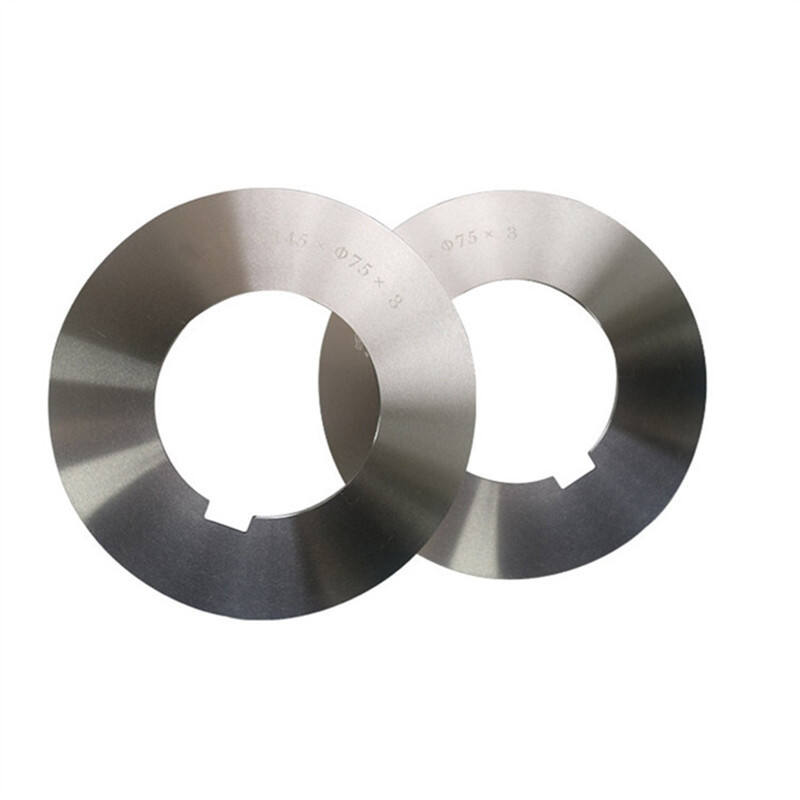
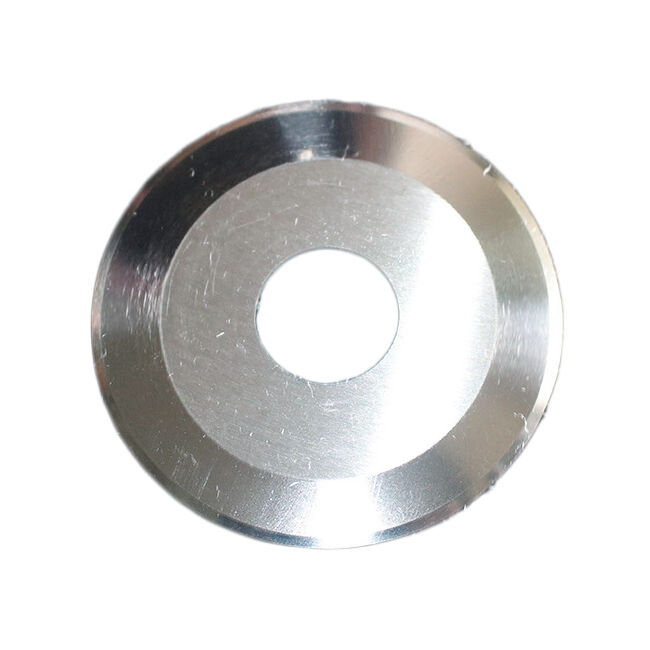
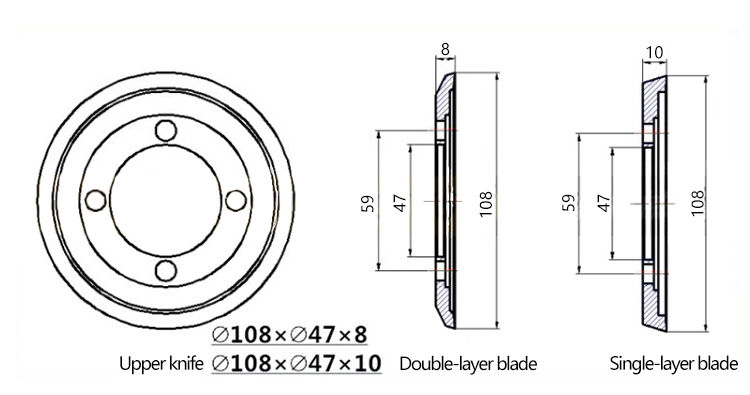
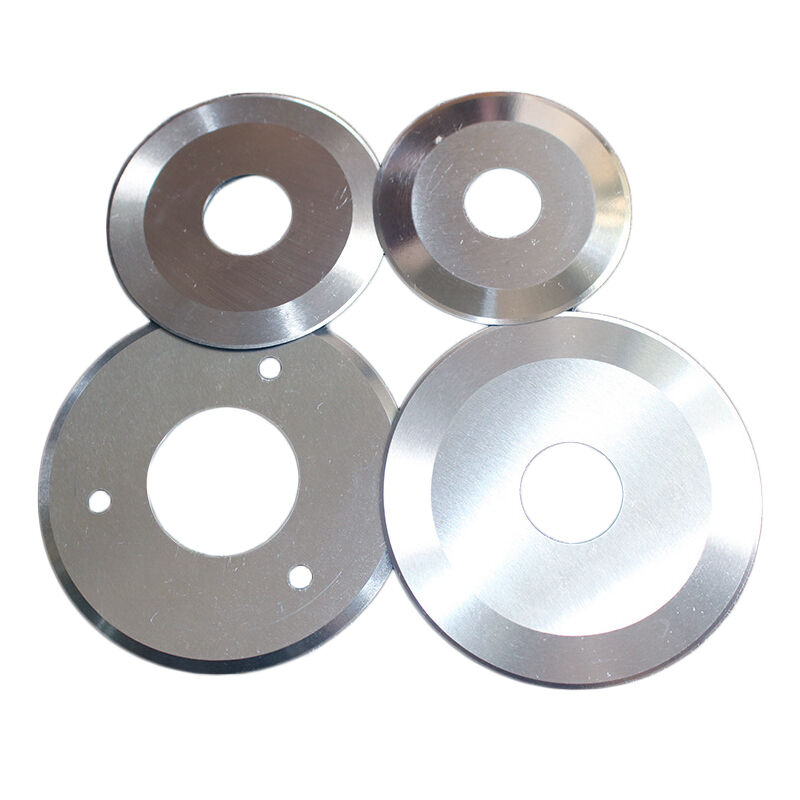
Professional Fabric Cutting Blade Solutions - Precision Cutting Tools for Textile Applications

All Categories

Get a Free Quote

Our representative will contact you soon.
Email
WhatsApp
Name
Company Name
Message
0/1000

fabric cutting blade

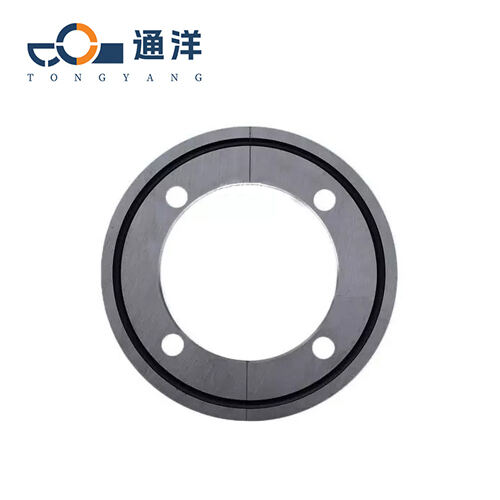
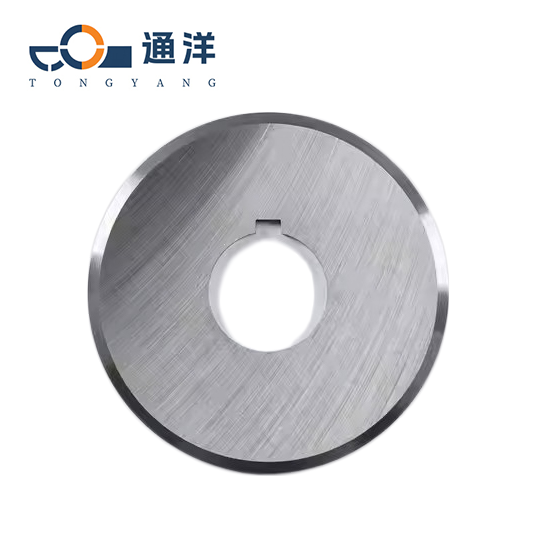
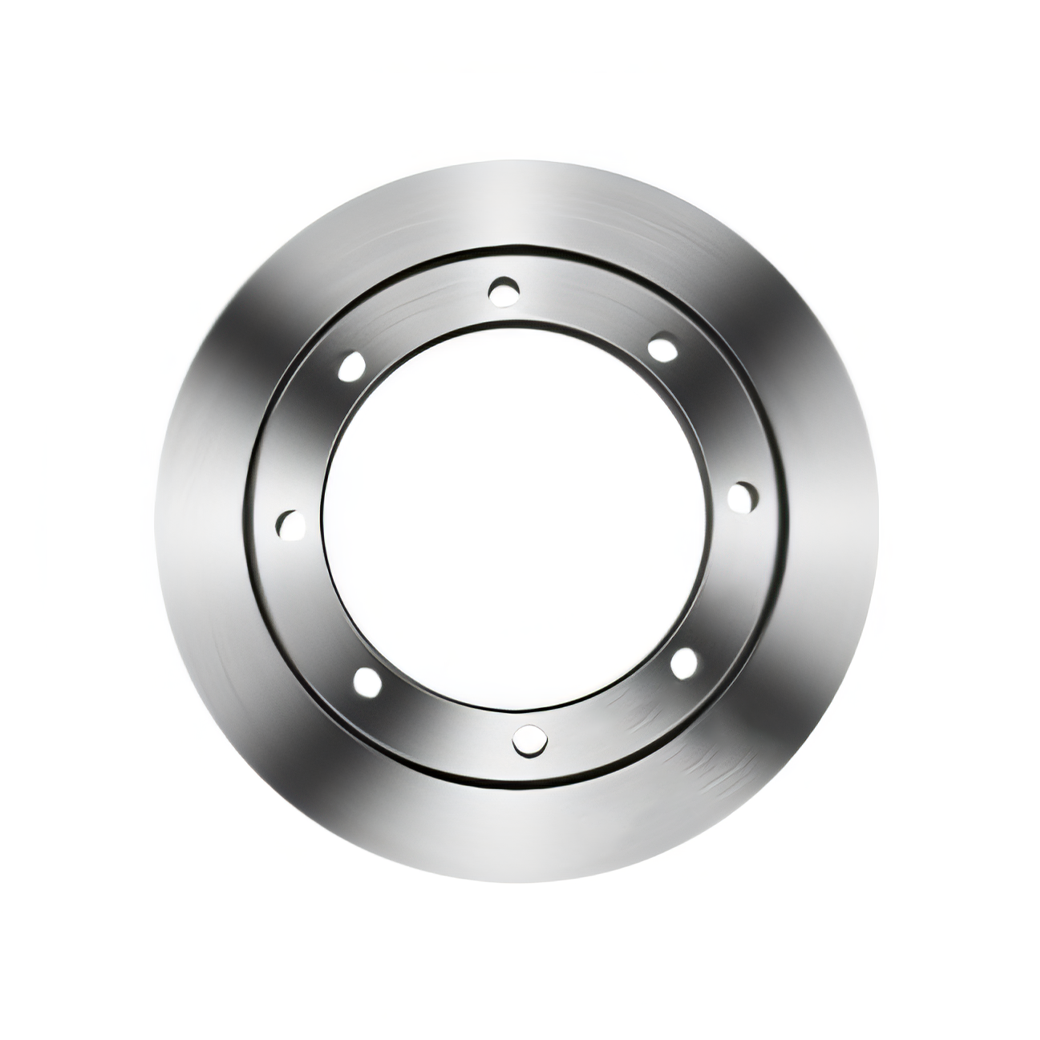
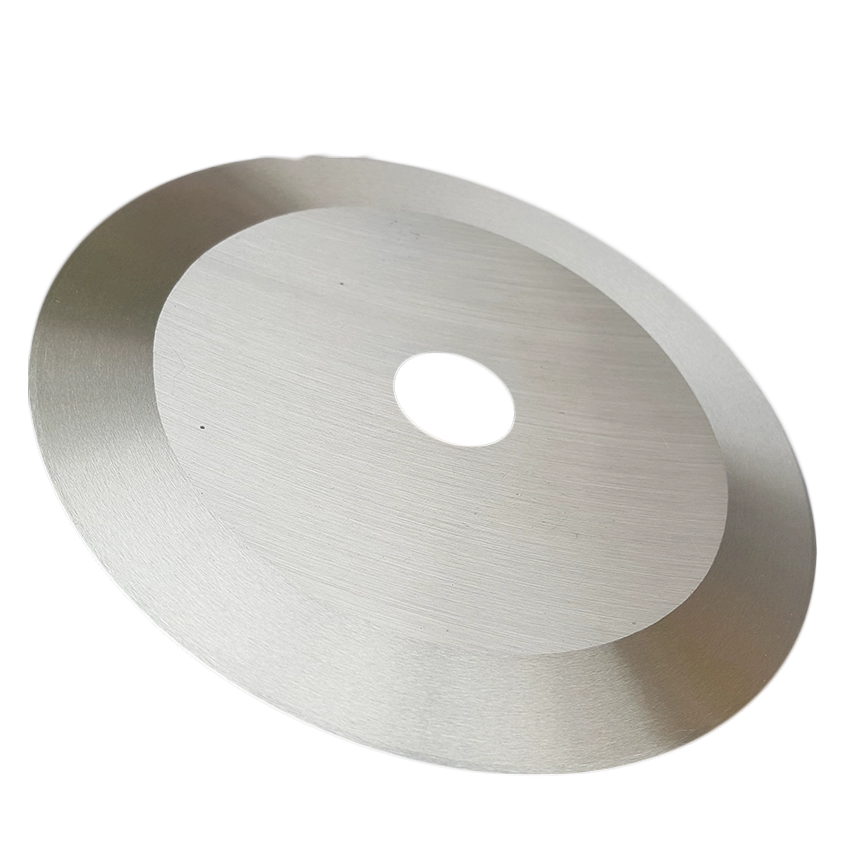
A fabric cutting blade represents an essential precision tool engineered specifically for textile processing operations across manufacturing environments and creative workshops. This specialized cutting instrument delivers clean, accurate cuts through various fabric types, from delicate silks to heavy-duty canvas materials. The fabric cutting blade serves multiple functions within textile operations, primarily enabling efficient material separation while maintaining edge integrity and minimizing waste. Modern fabric cutting blade designs incorporate advanced metallurgy and geometric engineering to achieve optimal cutting performance across diverse textile applications. The primary functions of a fabric cutting blade extend beyond simple material separation. These tools facilitate pattern cutting, sample preparation, production runs, and finishing operations throughout the textile manufacturing process. Advanced fabric cutting blade systems integrate seamlessly with automated cutting machinery, manual handheld devices, and stationary cutting stations, providing versatility across different operational scales. Technological features distinguish contemporary fabric cutting blade solutions from traditional cutting implements. Premium blades utilize high-carbon steel, tungsten carbide, or ceramic composite materials that deliver exceptional hardness ratings and extended operational lifespans. Precision grinding processes create razor-sharp cutting edges with specific bevel angles optimized for different fabric densities and weaving patterns. Specialized coatings reduce friction during cutting operations, preventing fabric snagging and material distortion. Applications for fabric cutting blade technology span numerous industries and operational contexts. Garment manufacturing facilities rely on these blades for high-volume production cutting, where consistency and speed determine operational efficiency. Upholstery workshops utilize fabric cutting blade tools for automotive, furniture, and marine applications requiring precise pattern matching. Quilting enthusiasts and textile artists depend on sharp, reliable blades for intricate design work. Industrial operations including filter manufacturing, composite material production, and technical textile processing all benefit from specialized fabric cutting blade solutions tailored to their specific material characteristics and production requirements.

New Product Recommendations

Choosing the right fabric cutting blade brings immediate practical benefits that directly impact your operational efficiency and final product quality. These advantages translate into measurable improvements across your workflow, regardless of whether you operate a large-scale manufacturing facility or a specialized craft studio. The precision these blades deliver ensures each cut follows your intended path exactly, eliminating the frustration of jagged edges or uneven trimming that compromises your work. When you invest in quality cutting tools, you reduce material waste significantly because clean cuts mean fewer rejected pieces and less fabric discarded due to cutting errors. Your productivity increases substantially when using properly designed blades because they slice through materials effortlessly, requiring less physical effort and reducing operator fatigue during extended cutting sessions. This efficiency gain becomes especially noticeable during large production runs where time savings multiply across hundreds or thousands of cuts. The durability of well-manufactured blades means you replace them less frequently, reducing your ongoing operational costs and minimizing production interruptions for blade changes. Your finished products exhibit superior quality because clean blade cuts prevent fraying and material distortion that can compromise seam integrity and aesthetic appearance. Versatility represents another significant advantage, as modern blade designs accommodate various fabric weights and textures without requiring completely different cutting systems. You gain flexibility to work with lightweight chiffons, medium-weight cottons, and heavyweight denims using appropriate blade selections within the same cutting platform. Safety improvements accompany advanced blade designs that incorporate protective features reducing accidental contact risks while maintaining cutting effectiveness. Your workspace becomes more organized because efficient blades generate less fabric dust and debris compared to dull or inappropriate cutting tools. Consistency across production batches improves dramatically when you use reliable blades that maintain their cutting characteristics throughout their operational lifespan. You achieve better pattern matching and alignment because precise cuts enable accurate fabric positioning during assembly operations. Economic benefits extend beyond direct cost savings to include enhanced reputation and customer satisfaction stemming from consistently high-quality output. Your competitive position strengthens when you deliver superior products efficiently, meeting tight deadlines without sacrificing quality standards. Environmental considerations also favor quality blades since reduced waste means more sustainable operations and better resource utilization throughout your production processes.

Practical Tips

How to Choose the Right Circular Knife for Your Cutting Application

25

Mar

How to Choose the Right Circular Knife for Your Cutting Application

Selecting the appropriate cutting tool for industrial applications can significantly impact productivity, product quality, and operational costs. Among the various cutting instruments available in manufacturing environments, the circular knife stands...
View More
How to Choose the Perfect Rubber Cutting Knife

25

Mar

How to Choose the Perfect Rubber Cutting Knife

In industrial manufacturing and crafting applications, selecting the right cutting tool can significantly impact productivity, precision, and safety. A rubber cutting knife serves as an essential instrument for professionals working with various rubb...
View More
Paper Cutting Blade Safety: Essential Guidelines

23

Apr

Paper Cutting Blade Safety: Essential Guidelines

Workplace safety incidents involving paper cutting blade equipment account for thousands of injuries annually across commercial and industrial facilities. From minor cuts to severe lacerations requiring medical attention, these incidents often stem f...
View More
How to Choose the Perfect Metal Cutting Blade: Pro Guide

06

May

How to Choose the Perfect Metal Cutting Blade: Pro Guide

Selecting the right metal cutting blade is a critical decision that directly impacts production efficiency, cut quality, blade lifespan, and overall operational costs in industrial metalworking operations. Whether you're processing thin gauge steel, ...
View More

Get a Free Quote

Our representative will contact you soon.
Email
WhatsApp
Name
Company Name
Message
0/1000

fabric cutting blade

Exceptional Cutting Precision Through Advanced Edge Geometry

Exceptional Cutting Precision Through Advanced Edge Geometry

The cutting precision delivered by a professionally engineered fabric cutting blade fundamentally transforms how textile materials respond during separation processes. This precision stems from meticulous edge geometry that combines specific bevel angles, microscopic edge finish, and optimized blade thickness to create ideal cutting conditions for fabric structures. When examining why precision matters so critically in fabric cutting operations, we must consider how textile materials behave under cutting forces. Unlike rigid materials that fracture cleanly, fabrics consist of interwoven fibers that can separate, distort, or fray depending on how cutting forces transfer through the material structure. A fabric cutting blade with proper edge geometry concentrates cutting forces along an extremely narrow contact line, allowing the blade to separate individual fibers cleanly rather than tearing or crushing them. This controlled separation preserves the fabric's structural integrity immediately adjacent to the cut edge, preventing the unraveling and fraying that plague cuts made with inappropriate or degraded blades. The manufacturing process for precision fabric cutting blade edges involves multiple grinding and honing stages that progressively refine the cutting edge to exact specifications. Computer-controlled grinding equipment maintains consistent bevel angles measured in precise degrees, ensuring every blade meets exacting standards. Microscopic examination of premium blade edges reveals smooth, uniform surfaces free from the chips, irregularities, and rough patches that characterize inferior products. This surface quality directly determines how smoothly the blade glides through fabric, minimizing friction that can drag material and distort cutting lines. Pattern cutters and production supervisors immediately recognize the difference precision blades make when examining finished cuts. Edges appear clean and uniform without the fuzzy appearance that indicates fiber damage. Complex curves and intricate details become achievable because the blade follows intended paths without deflecting or wandering. Multilayer cutting operations benefit enormously from precision blade geometry because consistent cutting action ensures all fabric layers receive identical treatment, eliminating the layer-to-layer variations that create assembly problems. The economic implications of cutting precision extend throughout your entire production chain, affecting material utilization rates, assembly efficiency, and final product quality in measurable ways that justify investment in superior fabric cutting blade technology.
Extended Operational Lifespan Through Superior Material Selection

Extended Operational Lifespan Through Superior Material Selection

Material composition represents the foundation determining how long a fabric cutting blade maintains its cutting effectiveness under continuous operational demands. The extended operational lifespan achieved through superior material selection delivers substantial practical advantages that reduce replacement frequency, minimize production interruptions, and lower overall operational costs. Understanding what makes certain blade materials outlast others requires examining the physical properties that resist the wear mechanisms encountered during fabric cutting. During each cutting stroke, a fabric cutting blade edge experiences multiple simultaneous stresses including abrasive wear from fabric fibers, thermal cycling from friction-generated heat, and mechanical loading from cutting forces. Inferior blade materials succumb quickly to these stresses, losing their sharp edges and requiring frequent replacement. Premium blade materials resist degradation through enhanced hardness, improved toughness, and superior thermal stability. High-carbon steel alloys incorporate precise carbon percentages that optimize the balance between hardness for edge retention and toughness to prevent brittle fracture. Advanced heat treatment processes transform the steel's crystalline structure, creating extremely hard carbide formations dispersed throughout a tougher matrix that absorbs impact forces without cracking. Specialized fabric cutting blade applications sometimes demand even more extreme material properties, leading manufacturers to employ tungsten carbide composites or ceramic materials that deliver exceptional hardness ratings far exceeding conventional steel. These advanced materials maintain sharp cutting edges through millions of cutting cycles in demanding industrial environments where blade replacement costs and production downtime create significant financial impacts. The manufacturing investment required to produce blades from premium materials reflects in their initial purchase price, yet the total cost of ownership calculation reveals substantial savings over time. A fabric cutting blade that lasts three times longer than budget alternatives actually costs less per cut despite higher upfront pricing. Production managers appreciate the reduced administrative burden and inventory management simplification that accompanies less frequent blade replacement. Quality control benefits emerge because blade performance remains consistent throughout extended operational periods rather than gradually degrading and affecting cut quality. Operators develop greater confidence working with reliable blades that maintain their cutting characteristics predictably, enabling them to optimize cutting techniques and maximize throughput without constant adjustments compensating for blade deterioration.
Versatile Application Compatibility Across Diverse Fabric Types

Versatile Application Compatibility Across Diverse Fabric Types

The versatility enabling a single fabric cutting blade design to perform effectively across remarkably diverse fabric types represents sophisticated engineering that accommodates varying material characteristics within one cutting solution. This application compatibility delivers enormous practical value because textile operations routinely handle multiple fabric types, and maintaining separate specialized cutting systems for each material category creates logistical complexity and equipment investment burdens. Understanding how versatile blade designs achieve broad compatibility requires examining the challenges different fabrics present during cutting operations. Lightweight, loosely woven materials like chiffon or organza require extremely sharp blades that slice cleanly without catching or pulling individual threads. Medium-weight woven fabrics including cotton twills and polyester blends demand blades that maintain cutting pressure consistently without deflecting when encountering denser weave intersections. Heavy materials such as canvas, denim, or upholstery fabrics need robust blade constructions that withstand substantial cutting forces without dulling rapidly. Knit fabrics introduce entirely different challenges because their looped construction tends to snag and run unless cut with appropriate blade characteristics. A truly versatile fabric cutting blade incorporates design elements that address this spectrum of requirements through optimized edge angles, appropriate blade thickness, and surface treatments that reduce friction across different material interactions. The blade geometry balances sharpness for delicate materials with durability for heavy fabrics, creating a multipurpose cutting tool suitable for mixed-material production environments. Manufacturing facilities producing varied product lines particularly benefit from versatile blade compatibility because production schedules often require rapid changeovers between different fabric types. Rather than halting operations to install specialized blades for each material, workers continue cutting efficiently using the same blade setup. This continuity eliminates changeover time, reduces the blade inventory requiring storage and management, and simplifies operator training since workers master one blade system rather than learning multiple specialized tools. Small workshops and independent designers gain similar advantages from versatile fabric cutting blade solutions because limited budgets and storage space make maintaining extensive specialized equipment impractical. A single high-quality versatile blade enables these operations to accept diverse projects confidently, knowing their cutting capabilities accommodate whatever materials clients specify. The technical sophistication enabling this versatility remains invisible to users who simply experience reliable cutting performance regardless of fabric selection, yet represents considerable engineering achievement translating abstract material science into practical operational benefits that enhance productivity and expand creative possibilities across the entire spectrum of textile applications.

Get a Free Quote

Our representative will contact you soon.
Email
WhatsApp
Name
Company Name
Message
0/1000
Newsletter
Please Leave A Message With Us