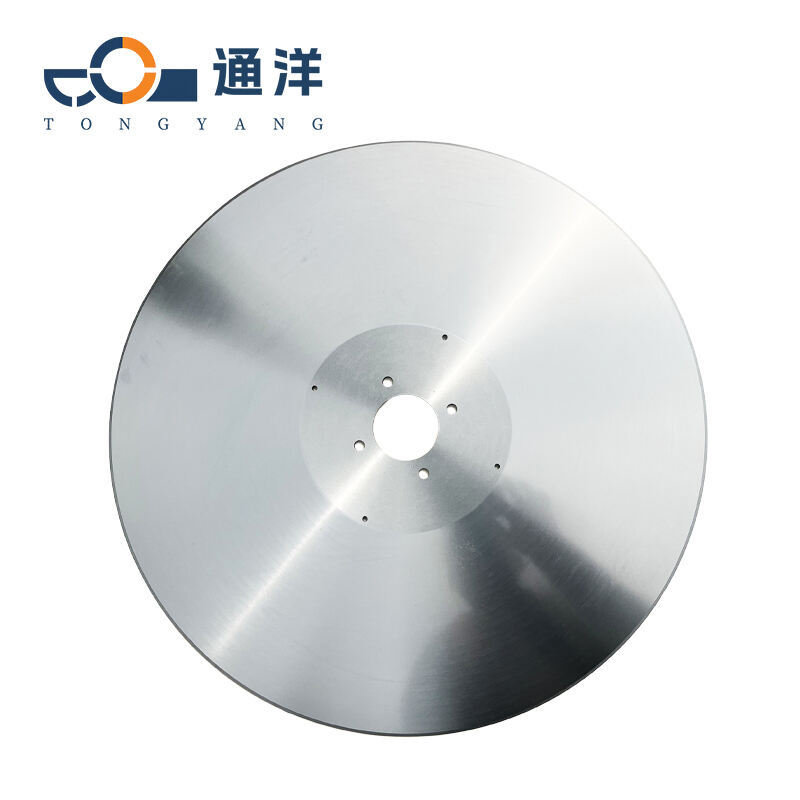
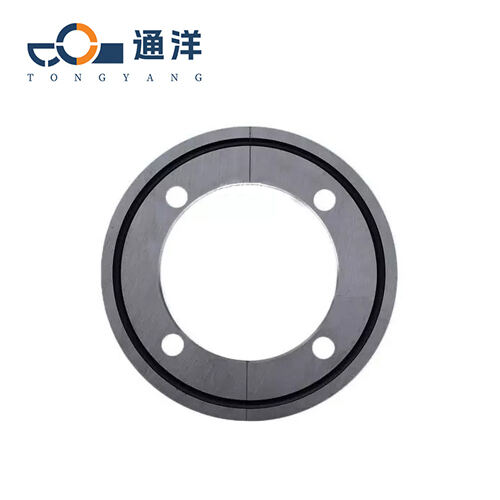
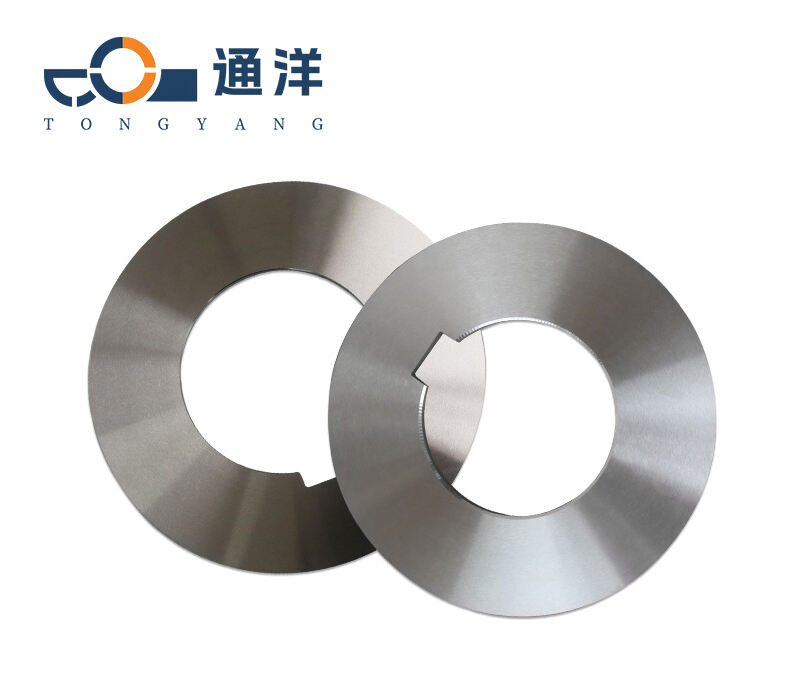
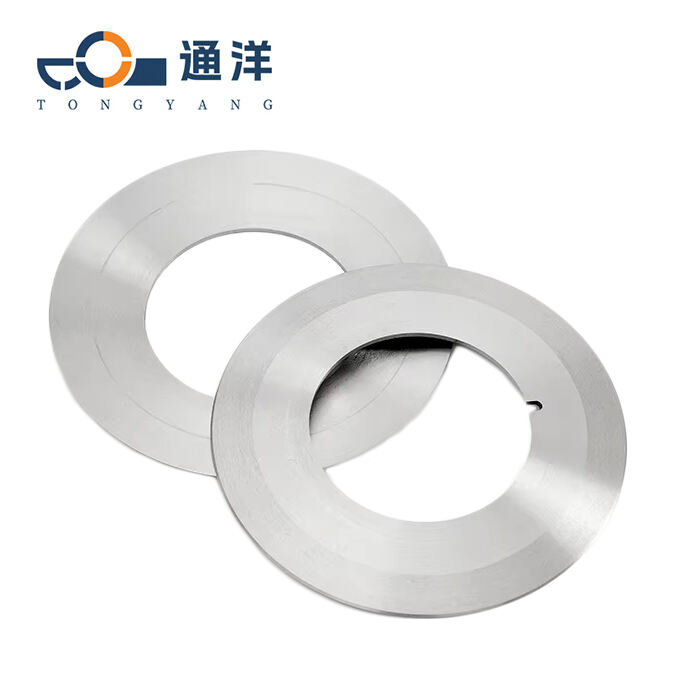
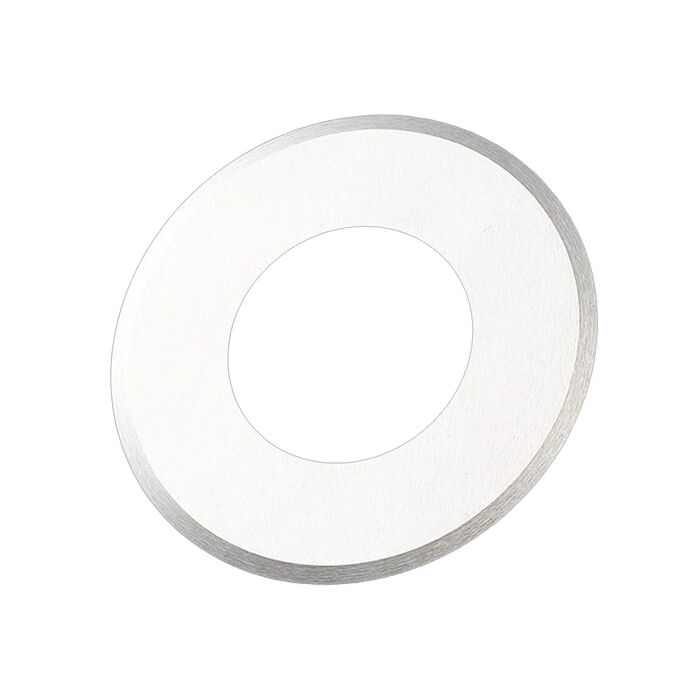
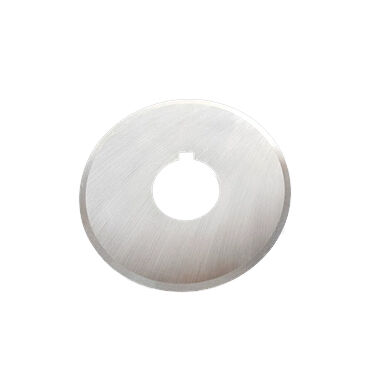
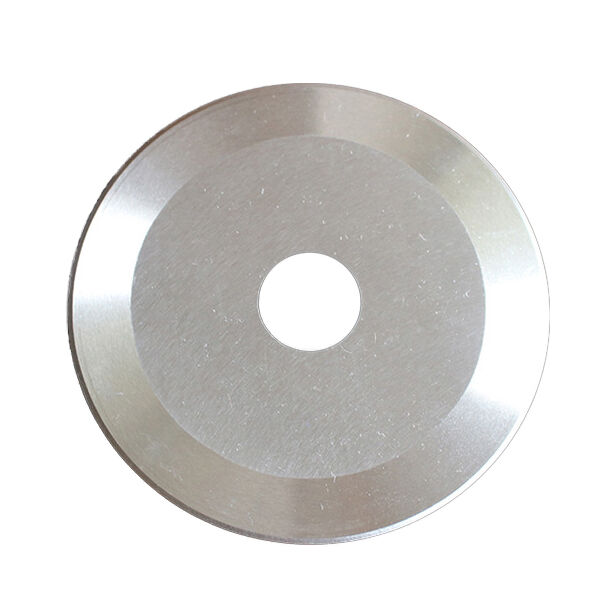
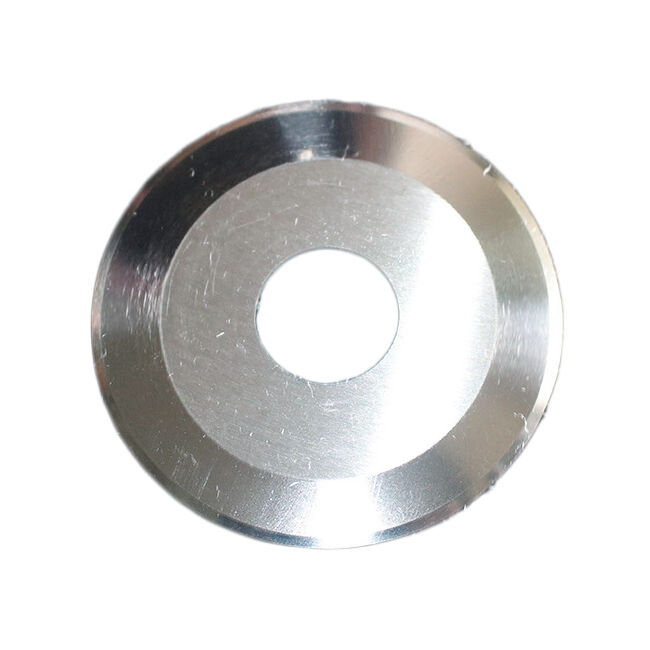
textile cutting blade
The textile cutting blade represents a fundamental tool in modern fabric processing and garment manufacturing operations. This specialized cutting instrument serves as the primary solution for achieving clean, accurate cuts through various textile materials, ranging from delicate silks to heavy-duty industrial fabrics. A textile cutting blade functions by utilizing precision-engineered edges that slice through fabric layers with minimal friction and distortion. These blades are manufactured using advanced metallurgical processes that ensure consistent sharpness and durability throughout extended production runs. The primary functions of a textile cutting blade include creating straight cuts, executing intricate patterns, and maintaining fabric integrity during the cutting process. Modern textile cutting blade designs incorporate technological features such as micro-serrated edges, specialized coatings, and optimized blade angles that enhance performance across different material types. The applications of textile cutting blade technology span numerous industries, including fashion apparel production, upholstery manufacturing, automotive interior fabrication, and technical textile processing. In automated cutting systems, the textile cutting blade works in conjunction with computer-controlled mechanisms to deliver repeatable precision that manual cutting methods cannot match. The blade geometry is specifically engineered to minimize material waste while maximizing cutting efficiency, a critical factor in high-volume production environments. Material composition plays a crucial role in textile cutting blade performance, with manufacturers utilizing high-carbon steel, tungsten carbide, and ceramic compounds to achieve optimal hardness and edge retention. The textile cutting blade must withstand continuous operational stresses while maintaining dimensional stability and sharpness consistency. Temperature management during cutting operations is another important consideration, as friction-generated heat can affect both blade longevity and material characteristics. Advanced textile cutting blade systems incorporate cooling mechanisms and optimized cutting speeds to prevent thermal degradation of both the blade and the fabric being processed.
 EN
EN