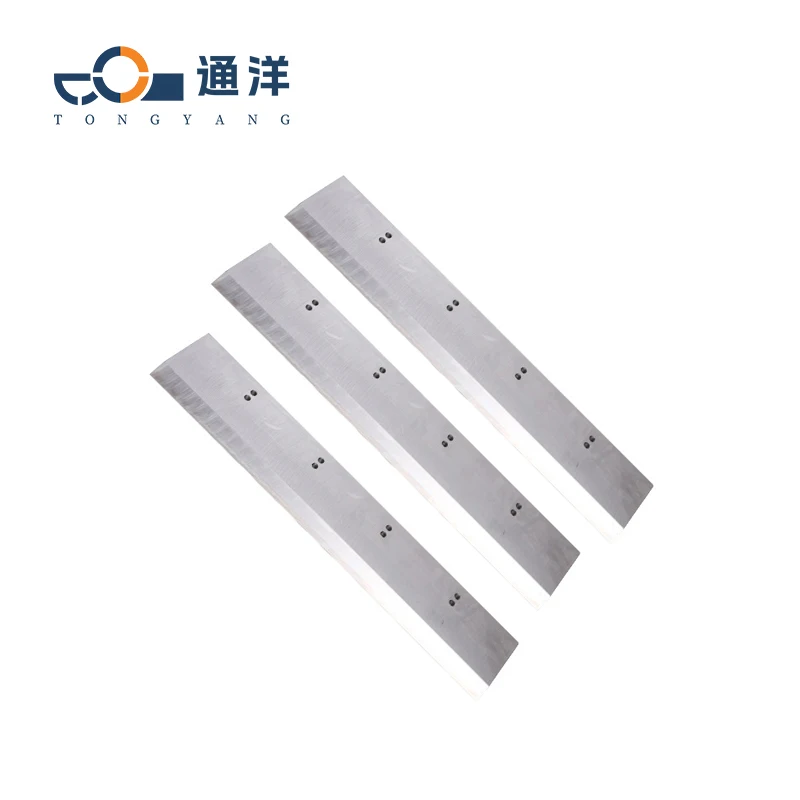
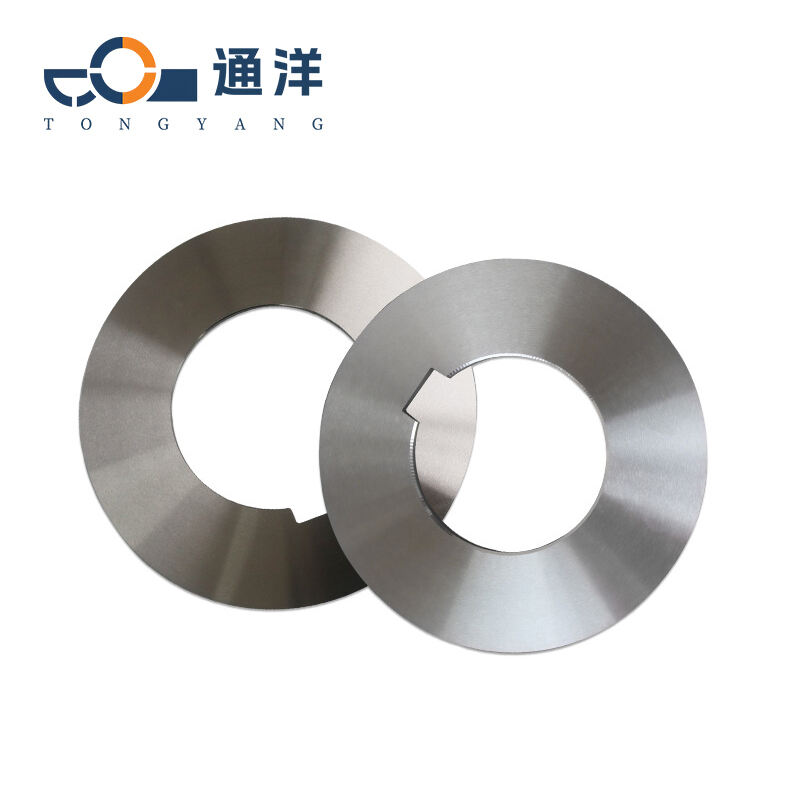
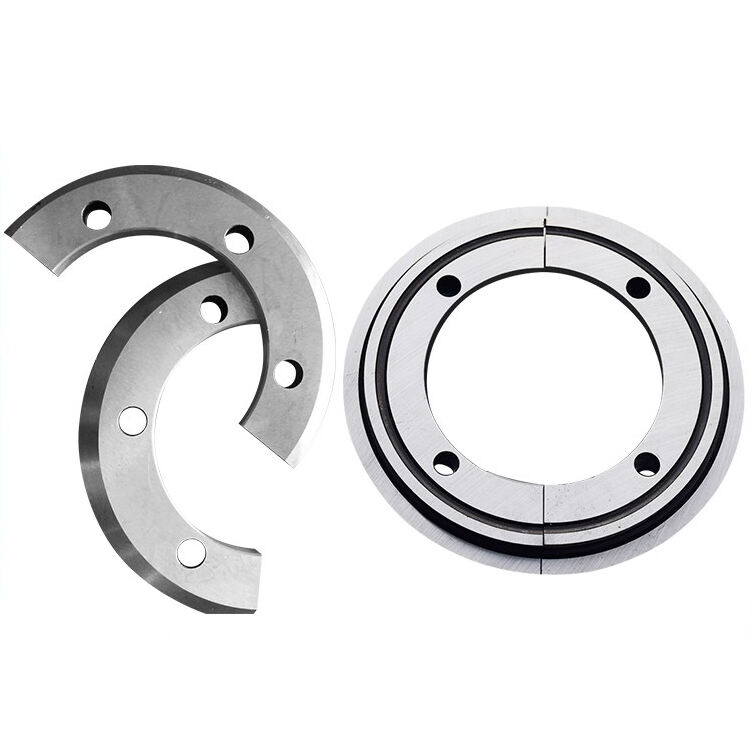
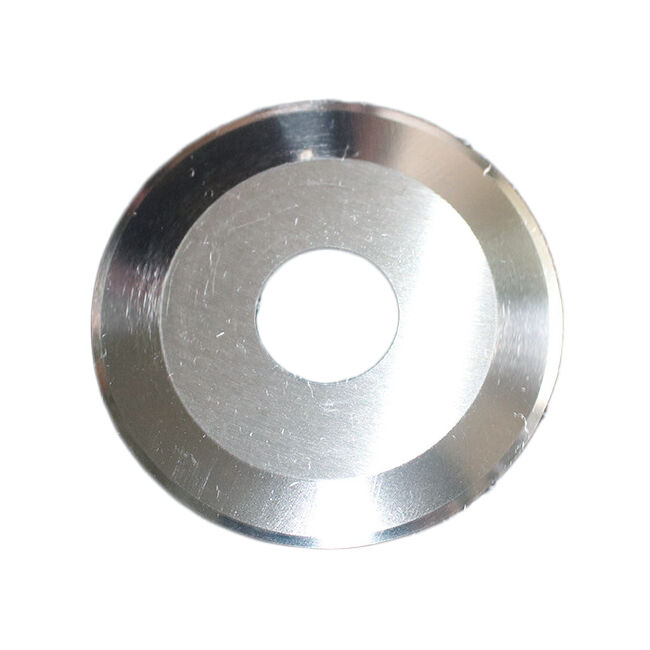
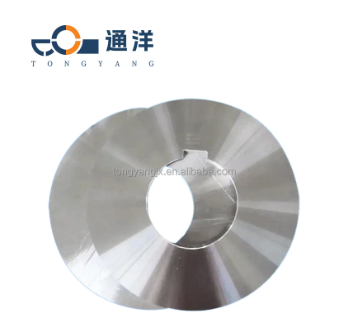
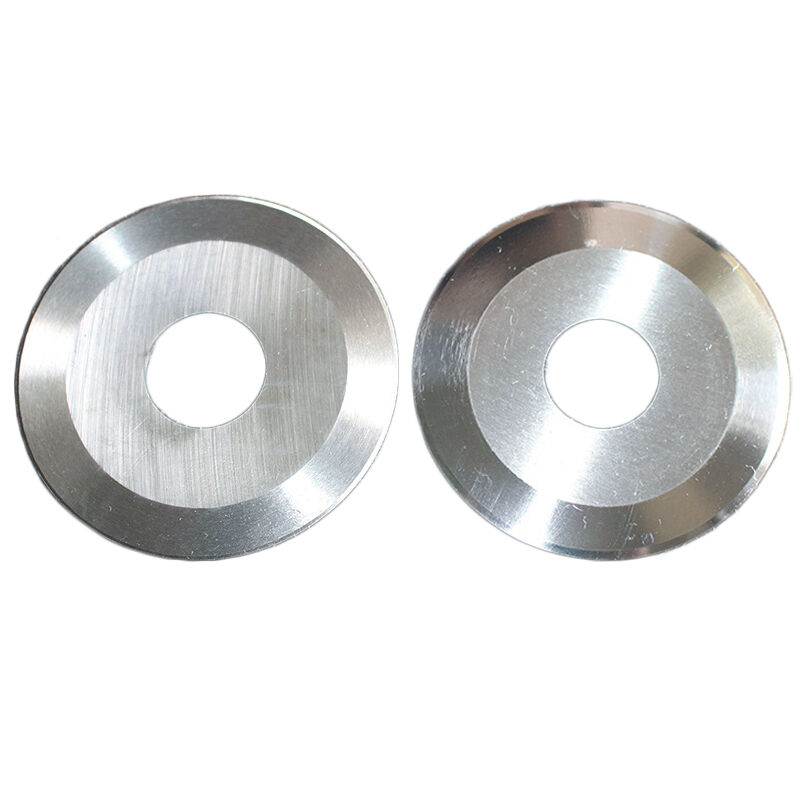
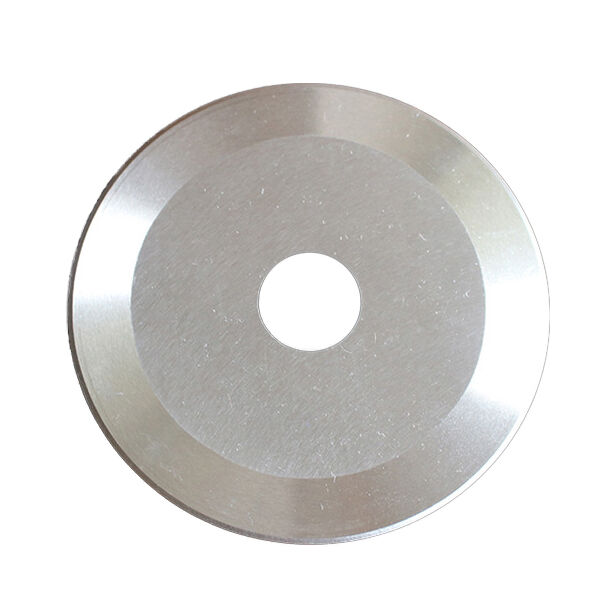
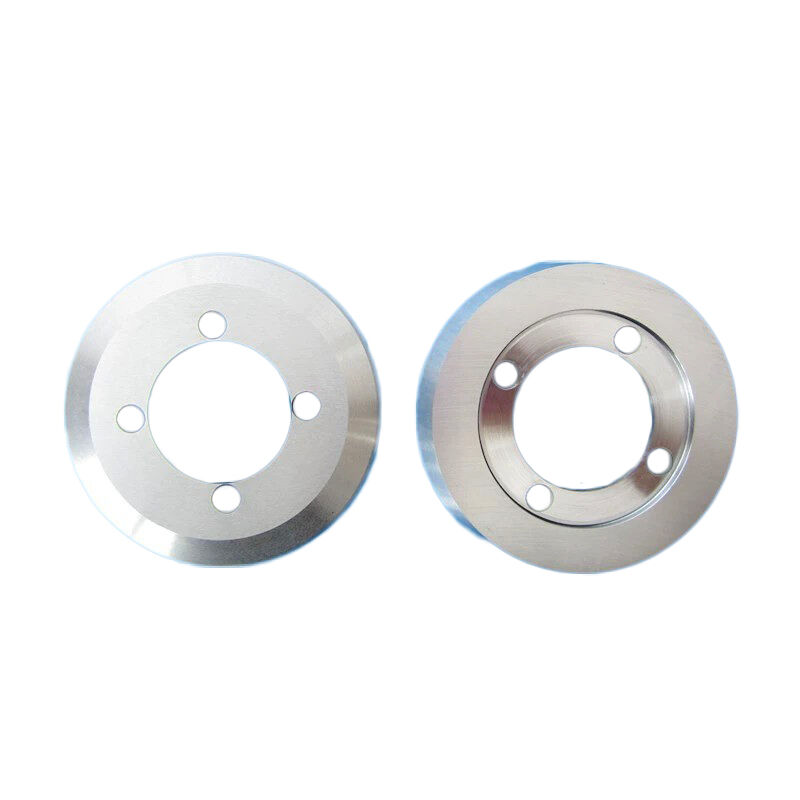
blade cut manufacturer
A blade cut manufacturer specializes in producing precision cutting equipment and systems designed to slice, trim, and shape various materials with exceptional accuracy. These manufacturers develop sophisticated machinery that serves industries ranging from packaging and textiles to automotive components and electronics production. The primary function of equipment from a blade cut manufacturer involves executing clean, precise cuts through different material thicknesses while maintaining consistent quality throughout production runs. Modern blade cut manufacturer facilities employ advanced engineering principles to create machines capable of handling diverse substrates including paper, cardboard, plastics, foams, rubber, fabrics, composites, and thin metals. The technological features incorporated by a blade cut manufacturer typically include programmable control systems that allow operators to customize cutting patterns, depths, and speeds according to specific project requirements. Many contemporary systems feature servo-driven mechanisms that ensure repeatable accuracy within tight tolerances, often measuring in fractions of millimeters. Automated feeding systems work in coordination with cutting mechanisms to maintain steady material flow and optimize production efficiency. A blade cut manufacturer also integrates safety features such as blade guards, emergency stop functions, and sensor-based detection systems that protect operators while maintaining operational integrity. Applications for equipment produced by a blade cut manufacturer span numerous sectors: packaging companies utilize these systems for creating custom box designs and display materials, textile manufacturers depend on them for pattern cutting and fabric preparation, automotive suppliers employ them for gasket production and interior component fabrication, and electronics manufacturers use precision blade cutting for circuit board preparation and component isolation. The versatility offered by a blade cut manufacturer enables businesses to streamline their production workflows, reduce material waste, improve product consistency, and meet demanding quality standards that modern markets require for competitive success.
 EN
EN