Professional Fabric Cutting Rotary Knife - Precision Cutting Tools for Textile Applications

All Categories

Get a Free Quote

Our representative will contact you soon.
Email
WhatsApp
Name
Company Name
Message
0/1000

fabric cutting rotary knife

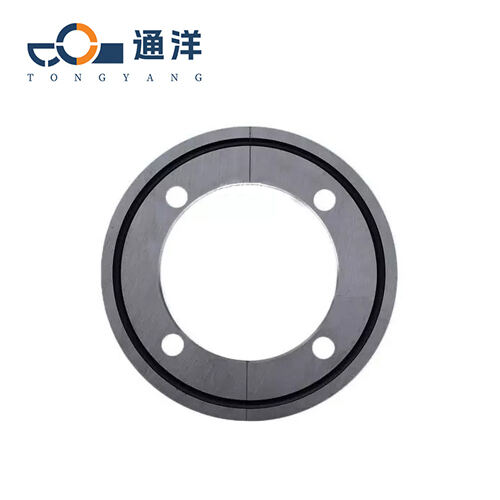
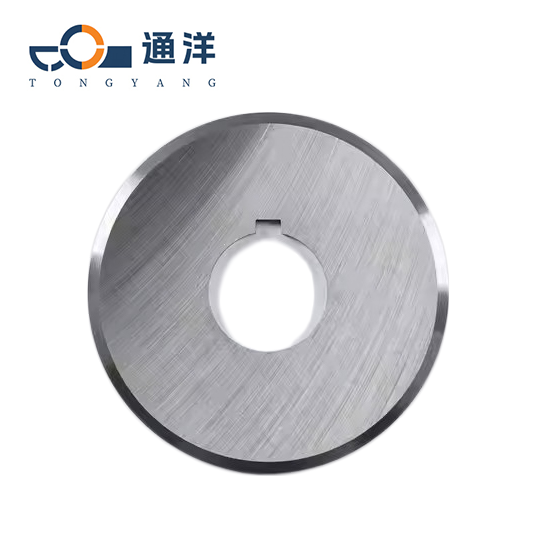
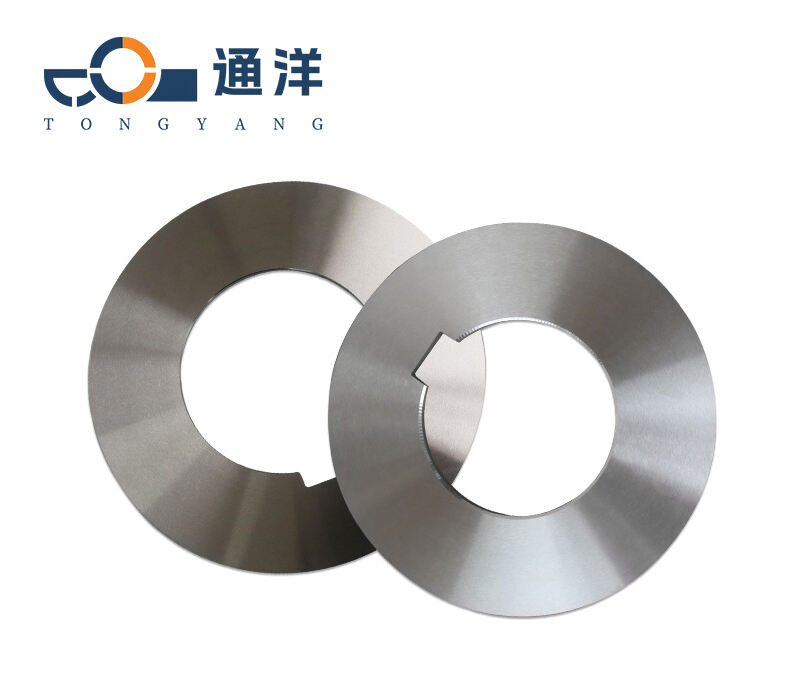
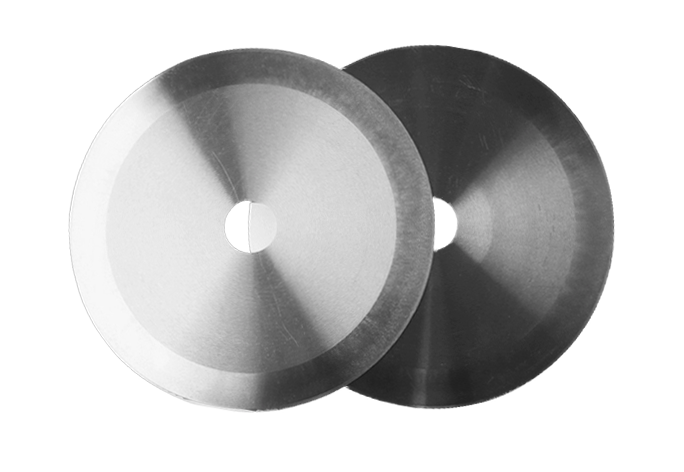
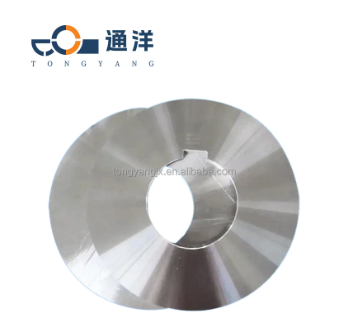
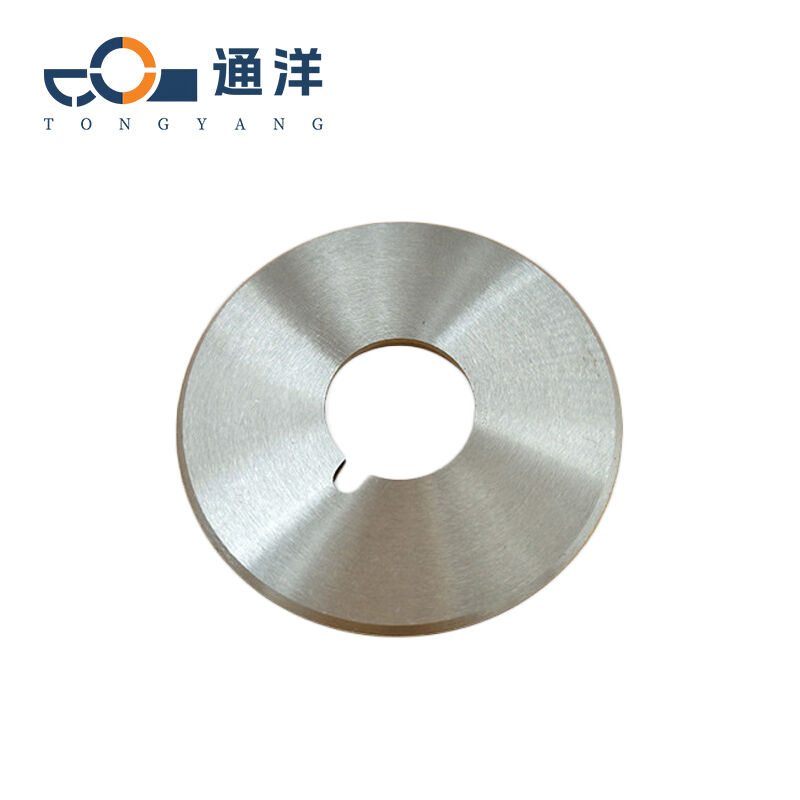
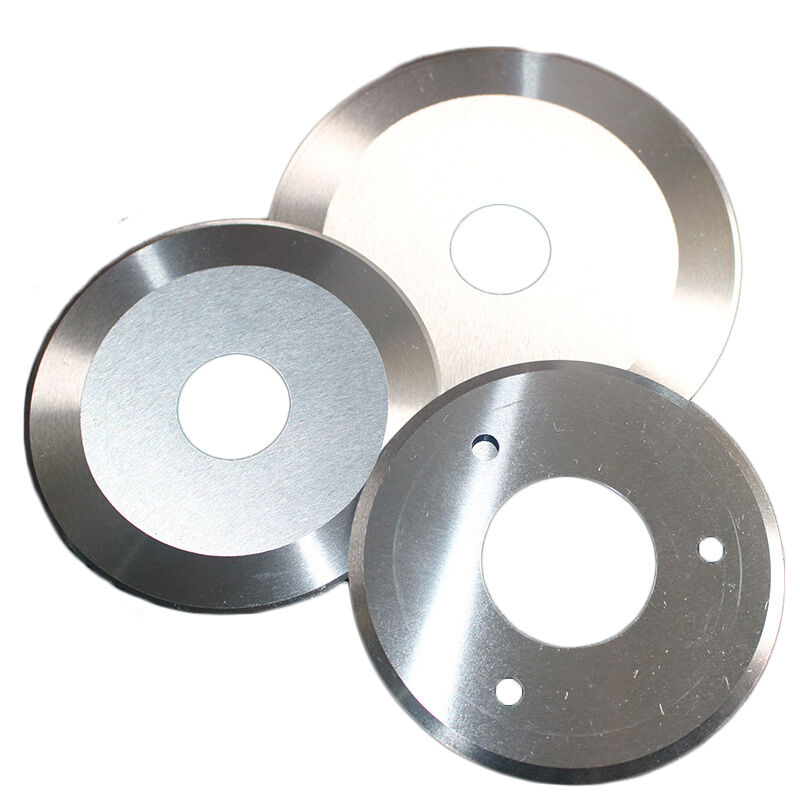
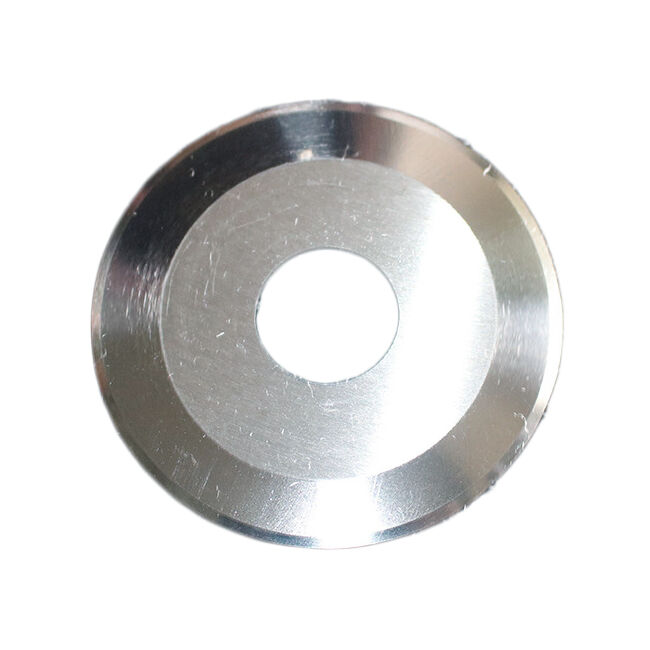
The fabric cutting rotary knife represents a revolutionary advancement in textile processing technology, designed to deliver precision, efficiency, and reliability in cutting operations across diverse fabric types. This specialized cutting instrument incorporates a circular blade mechanism that rotates at controlled speeds to slice through multiple layers of material with exceptional accuracy. Unlike traditional straight-blade cutters, the fabric cutting rotary knife utilizes continuous rotational motion to achieve cleaner edges and minimize fabric distortion during the cutting process. The technological foundation of this tool combines ergonomic design principles with industrial-grade construction, ensuring operators can maintain consistent cutting quality throughout extended production cycles. Modern fabric cutting rotary knife systems feature adjustable blade depths, variable speed controls, and safety mechanisms that protect users while maximizing operational efficiency. These instruments find extensive applications in garment manufacturing facilities, upholstery workshops, quilting studios, and industrial textile operations where high-volume cutting demands intersect with quality requirements. The versatility of the fabric cutting rotary knife extends across natural fibers like cotton, wool, and silk, as well as synthetic materials including polyester, nylon, and technical fabrics used in automotive and aerospace applications. Advanced models incorporate sharpening systems that maintain blade integrity across thousands of cutting cycles, reducing downtime and replacement costs. The precision engineering behind each fabric cutting rotary knife ensures minimal friction between blade and material, preventing heat buildup that could compromise delicate fabrics. Manufacturers have developed specialized blade configurations for different material weights and textures, allowing operators to optimize performance based on specific production requirements. Whether cutting intricate patterns for fashion design or executing straight-line production cuts for industrial applications, the fabric cutting rotary knife delivers consistent results that meet demanding quality standards while significantly reducing manual labor requirements and increasing throughput capacity in textile processing environments.

New Product Recommendations

Investing in a fabric cutting rotary knife transforms textile cutting operations by delivering substantial time savings that directly impact production efficiency and profitability. Traditional scissors and manual cutting methods require significantly more physical effort and time per cut, whereas the rotary mechanism enables operators to complete cuts up to five times faster while maintaining superior accuracy. The continuous blade rotation creates smooth, sealed edges that reduce fraying and material waste, translating into cost savings on every project by maximizing usable fabric from each bolt or roll. Workers experience less fatigue when using a fabric cutting rotary knife because the tool does most of the work, requiring only guidance rather than sustained physical pressure, which means employees can maintain productivity throughout entire shifts without experiencing the hand strain and discomfort associated with conventional cutting tools. The precision achieved with a fabric cutting rotary knife eliminates the need for secondary trimming operations, streamlining workflows and reducing the number of steps between raw material and finished product. Businesses benefit from improved product consistency since the mechanical cutting action produces uniform results regardless of which operator handles the equipment, ensuring every piece meets quality standards without variation. The versatility of the fabric cutting rotary knife means purchasing a single tool that handles multiple fabric types and thicknesses rather than maintaining separate cutting implements for different materials, simplifying inventory management and reducing capital equipment expenses. Safety features integrated into modern fabric cutting rotary knife designs protect workers from accidental injury while maintaining easy access for blade changes and maintenance procedures. The initial investment in quality cutting equipment pays dividends through reduced material waste, with clean cuts preserving more usable fabric compared to methods that compress or distort materials during cutting. Training new employees becomes simpler because the fabric cutting rotary knife operates intuitively, allowing workers to achieve professional results after minimal instruction compared to mastering traditional cutting techniques that require developing specific hand skills over extended periods. The durability of commercial-grade fabric cutting rotary knife units ensures years of reliable service with minimal maintenance requirements, providing excellent return on investment through sustained performance. Businesses can scale production more effectively because adding fabric cutting rotary knife stations increases capacity without proportionally increasing labor costs or floor space requirements. The clean cutting action preserves fabric structure and appearance, particularly important when working with expensive materials where any damage represents significant financial loss, making the fabric cutting rotary knife an essential tool for operations prioritizing both quality and efficiency.

Latest News

How to Choose the Right Circular Knife for Your Cutting Application

25

Mar

How to Choose the Right Circular Knife for Your Cutting Application

Selecting the appropriate cutting tool for industrial applications can significantly impact productivity, product quality, and operational costs. Among the various cutting instruments available in manufacturing environments, the circular knife stands...
View More
Can a Circular Blade Cut Metal? A Look at Hardened Metal Cutting Blades

25

Mar

Can a Circular Blade Cut Metal? A Look at Hardened Metal Cutting Blades

The ability to cut through metal efficiently and precisely has always been a cornerstone of modern manufacturing and fabrication industries. When professionals need to slice through various metal materials, the choice of cutting tool can make the dif...
View More
How to Sharpen Your Circular Knife: Step-by-Step Guide

30

Apr

How to Sharpen Your Circular Knife: Step-by-Step Guide

Maintaining the sharpness of your circular knife is essential for achieving clean, precise cuts in industrial and commercial applications. Whether you work in rubber processing, textile manufacturing, paper cutting, or food production, a dull circula...
View More
Metal Cutting Blade Types: Complete Comparison Guide

30

Apr

Metal Cutting Blade Types: Complete Comparison Guide

Selecting the appropriate metal cutting blade for industrial applications requires understanding the distinct characteristics, capabilities, and optimal use cases of each blade type available in the market. Metal fabrication professionals face consta...
View More

Get a Free Quote

Our representative will contact you soon.
Email
WhatsApp
Name
Company Name
Message
0/1000

fabric cutting rotary knife

Unmatched Precision Engineering for Professional Results

Unmatched Precision Engineering for Professional Results

The fabric cutting rotary knife achieves cutting precision that sets new standards in textile processing through sophisticated engineering that controls every aspect of the cutting action. At the core of this precision lies the perfectly balanced circular blade, manufactured from hardened steel alloys that maintain razor-sharp edges through thousands of cutting cycles while resisting deformation under operational stress. The rotational mechanism operates on precision bearings that eliminate wobble and vibration, ensuring the blade follows intended cutting paths without deviation that could compromise pattern accuracy or create uneven edges. This engineering excellence becomes particularly valuable when executing complex curves and intricate design elements where even minor imperfections become visible in finished products. The blade housing incorporates adjustable guides that maintain consistent distance from the cutting surface, preventing the fabric cutting rotary knife from cutting too deeply into work surfaces or failing to penetrate all material layers completely. Advanced models feature micro-adjustment controls that allow operators to fine-tune cutting depth in increments as small as a fraction of a millimeter, accommodating the precise requirements of different fabric weights and construction types. The precision delivered by a fabric cutting rotary knife directly translates into reduced material waste, as accurate cuts eliminate the need for safety margins that account for potential cutting errors, allowing pattern pieces to nest more efficiently and extract maximum yield from each fabric length. This level of accuracy proves essential in commercial production environments where material costs represent substantial portions of overall production expenses and even small percentage improvements in fabric utilization generate significant annual savings. The consistent cutting quality achieved with a fabric cutting rotary knife also eliminates quality control issues related to uneven edges or incomplete cuts that necessitate rework or component rejection. Operators appreciate how the precision engineering reduces decision-making stress during cutting operations, as the tool performs predictably and reliably without requiring constant attention to compensate for equipment limitations. The fabric cutting rotary knife maintains this precision across diverse material types, from lightweight chiffons that tend to shift during cutting to heavy canvas and upholstery fabrics that resist blade penetration, adapting seamlessly to changing production requirements. This versatility means production facilities can handle varied order types without equipment changes or productivity compromises, maintaining consistent output quality regardless of project specifications.
Ergonomic Design That Prioritizes Operator Comfort

Ergonomic Design That Prioritizes Operator Comfort

The fabric cutting rotary knife incorporates thoughtful ergonomic design elements that protect operator health while enhancing cutting performance through reduced fatigue and improved control during extended use periods. The handle configuration follows natural hand positions, distributing grip pressure across the entire palm rather than concentrating stress on specific fingers or joints, which prevents the repetitive strain injuries commonly associated with traditional cutting tools that require sustained pinching or squeezing motions. Weight distribution represents a critical aspect of fabric cutting rotary knife design, with manufacturers carefully balancing blade assembly mass against handle components to create a neutral feel that neither pulls forward into the work nor requires constant lifting effort to maintain position. This balanced design allows operators to guide the fabric cutting rotary knife with minimal physical exertion, letting the blade rotation and controlled forward motion do the actual cutting work while the operator simply directs the tool along intended cutting lines. The grip surface features textured materials that maintain secure contact even when hands become warm or slightly moist during normal work conditions, preventing the slippage that could lead to cutting errors or safety incidents. Handle geometry accommodates different hand sizes and grip preferences, with some fabric cutting rotary knife models offering adjustable components that customize fit to individual operator anatomy for maximum comfort. The positioning of activation controls reflects extensive usability research, placing triggers and switches where they operate naturally without requiring awkward finger positions or grip adjustments that interrupt cutting flow. Extended cutting sessions become manageable with a properly designed fabric cutting rotary knife because operators maintain relaxed, natural postures rather than adopting the hunched positions and tense grips that traditional methods demand. The reduced physical strain translates into measurable productivity benefits, as operators maintain consistent cutting speed and accuracy throughout entire work shifts rather than experiencing performance degradation as fatigue accumulates. Businesses investing in ergonomically designed fabric cutting rotary knife equipment demonstrate commitment to worker wellbeing, which enhances employee satisfaction and reduces turnover in positions that might otherwise develop reputations for physical difficulty. The comfort advantages extend beyond immediate operator experience to long-term health outcomes, potentially reducing workers' compensation claims and medical expenses related to occupational injuries. Training programs can emphasize proper fabric cutting rotary knife technique without needing to condition new employees to tolerate discomfort, accelerating skill development and reducing the learning curve associated with cutting operations.
Exceptional Versatility Across Materials and Applications

Exceptional Versatility Across Materials and Applications

The fabric cutting rotary knife demonstrates remarkable versatility that makes it indispensable across diverse textile applications, from delicate fashion fabrics to industrial technical textiles, adapting to varied material characteristics without requiring specialized equipment for each fabric type. This adaptability stems from intelligent design features that accommodate different material behaviors, including blade options optimized for specific fabric constructions and adjustable cutting parameters that operators can modify based on immediate requirements. When working with lightweight, loosely woven fabrics that tend to shift or distort under cutting pressure, the fabric cutting rotary knife applies consistent, controlled force that holds material in position while the blade cleanly severs fibers without pulling or stretching. Conversely, dense upholstery fabrics and multiple-layer stacks that resist penetration yield readily to the continuous rotational cutting action that concentrates force at the precise contact point rather than dispersing energy across broader areas as pushing motions do. The fabric cutting rotary knife handles synthetic materials with heat-sensitive properties that can melt or fuse when exposed to friction-generated temperatures, thanks to efficient cutting action that minimizes blade contact time and advanced blade coatings that reduce friction coefficients. Technical textiles incorporating reinforcement fibers or waterproof membranes present unique cutting challenges that the fabric cutting rotary knife addresses through specialized blade configurations featuring enhanced edge geometry and durable construction materials. The versatility extends to cutting applications beyond simple straight lines, with skilled operators executing curves, circles, and complex geometric shapes that would prove extremely difficult or impossible with conventional cutting methods. Pattern-making operations benefit enormously from fabric cutting rotary knife versatility, as designers can cut prototype pieces from various material types during development phases without equipment changes that interrupt creative workflow. Production environments appreciate how a single fabric cutting rotary knife can transition between different fabric families throughout the day, supporting flexible manufacturing approaches that respond quickly to changing order requirements without dedicated cutting stations for each material category. The tool performs equally well for small-batch custom work and high-volume production runs, scaling appropriately to operation size without performance compromises. Quilting applications showcase fabric cutting rotary knife versatility particularly well, as these projects typically involve cutting numerous precise pieces from multiple fabric types that must align perfectly during assembly, requirements that the tool meets consistently. Automotive and aerospace textile applications rely on fabric cutting rotary knife precision and versatility when processing specialized materials that combine multiple layers and material types in composite constructions. The investment in a quality fabric cutting rotary knife thus serves multiple operational needs simultaneously, providing flexibility that becomes increasingly valuable as market demands shift and production portfolios evolve over time.

Get a Free Quote

Our representative will contact you soon.
Email
WhatsApp
Name
Company Name
Message
0/1000
Newsletter
Please Leave A Message With Us