Superior Cut Quality with Minimal Material Distortion
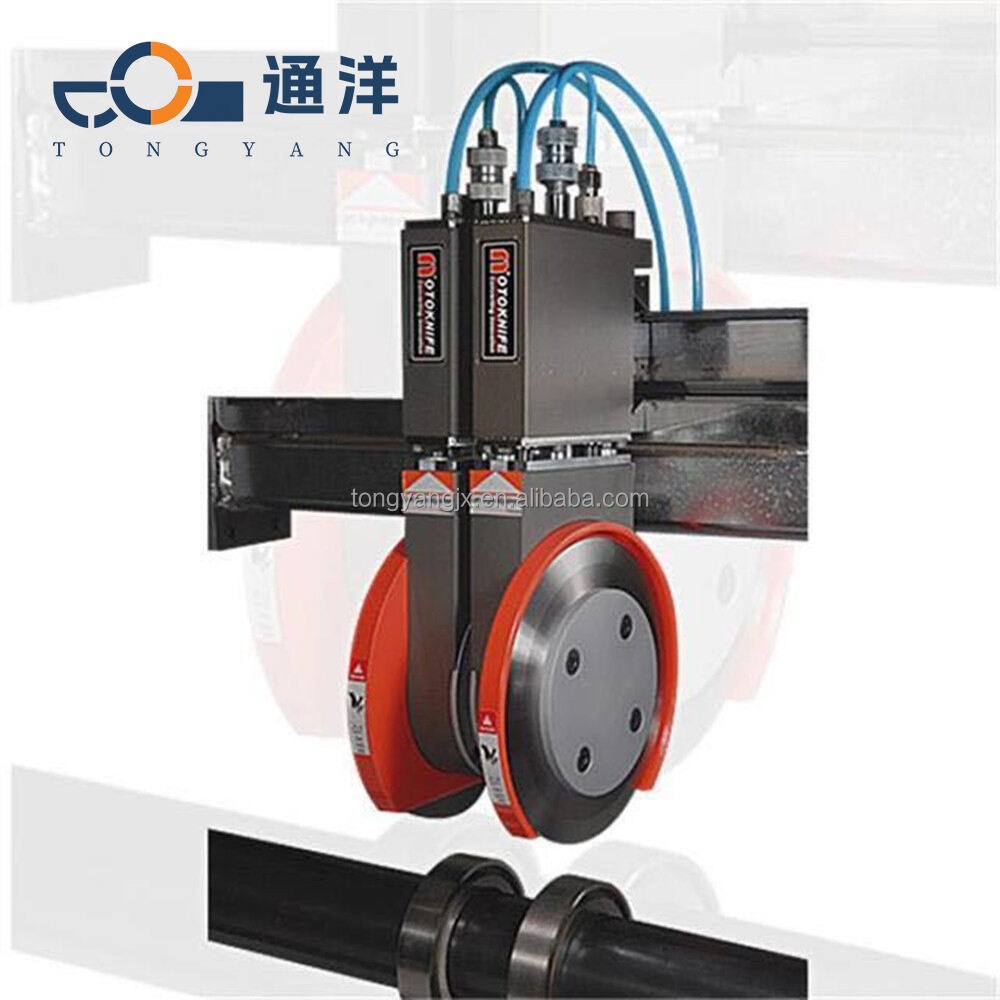
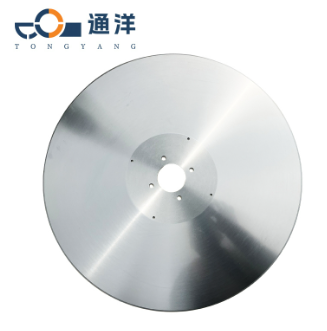
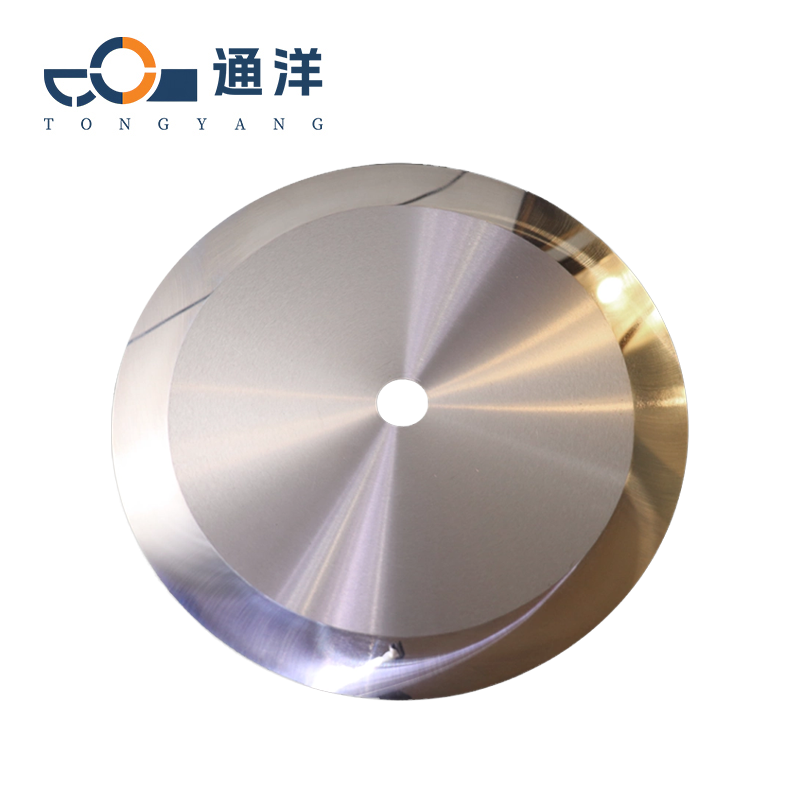
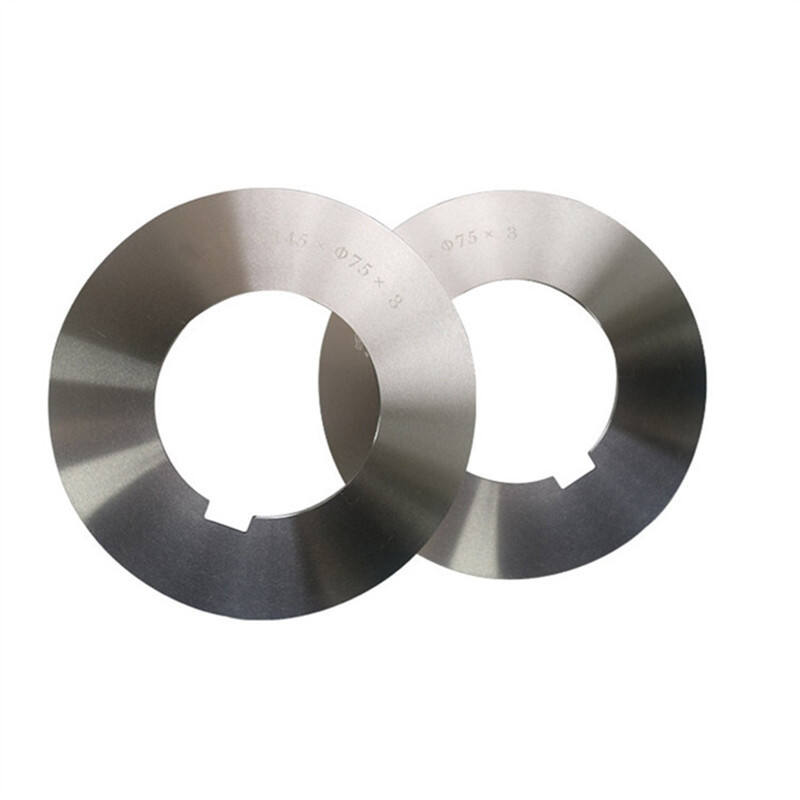
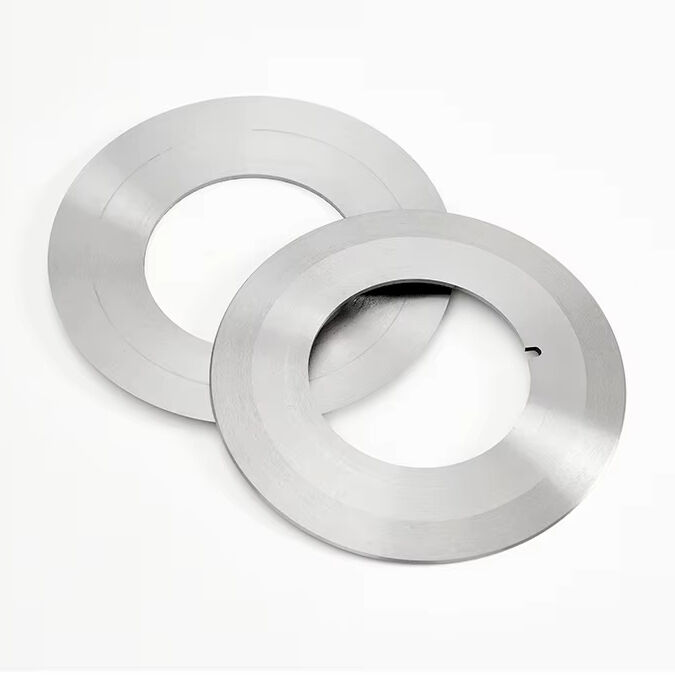
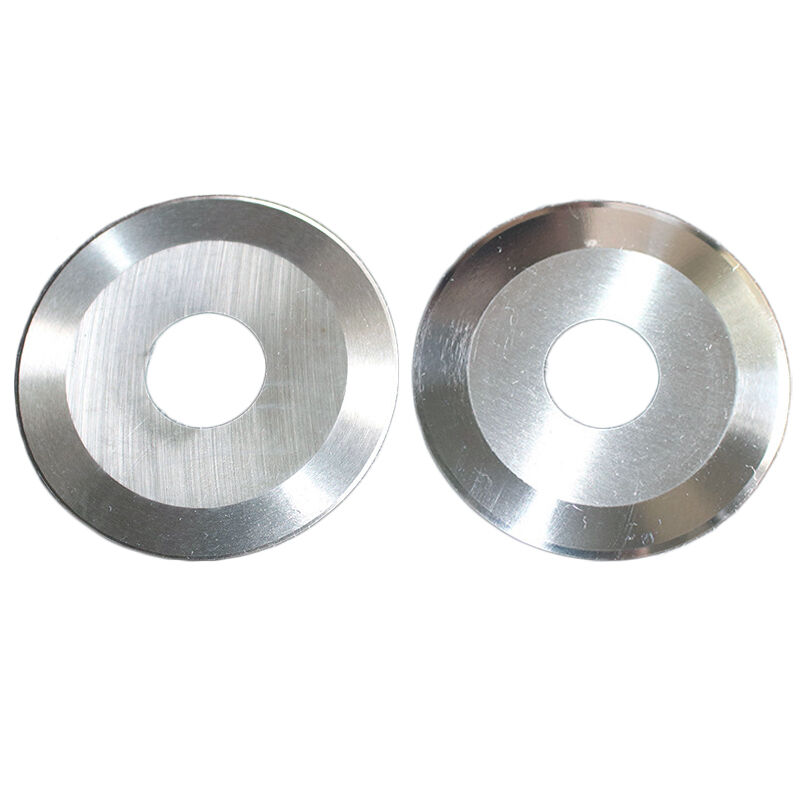
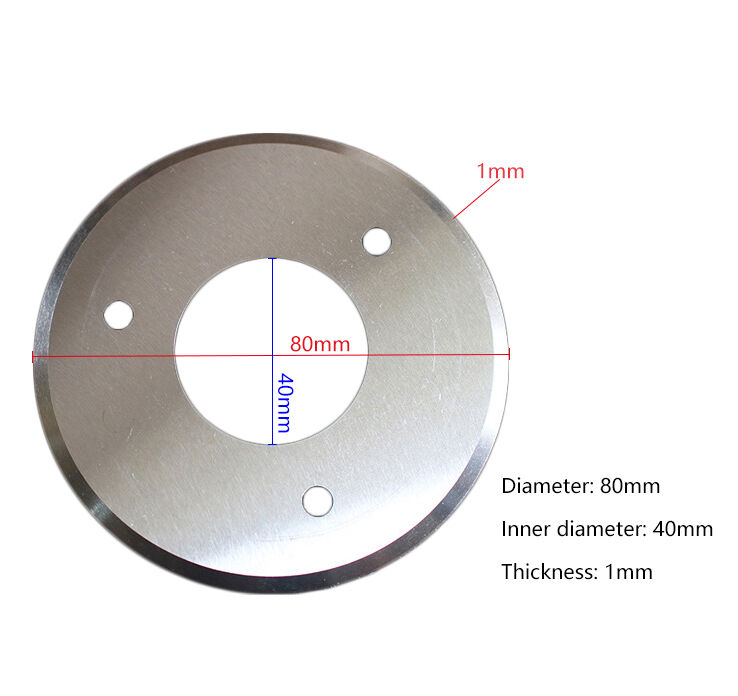
The ceramic rotary knife delivers exceptional cut quality that distinguishes it from alternative cutting tools, producing clean, precise edges with minimal material distortion, fraying, or compression effects. This superior cutting performance results from the unique interaction between ceramic material properties and the rotary cutting mechanism. The extraordinarily smooth surface finish achievable with precision-manufactured ceramic materials creates a blade surface with minimal friction coefficient during cutting operations. As the ceramic rotary knife engages with material substrates, this reduced friction allows the blade to separate material fibers or structures with minimal lateral force transfer. Traditional metal blades, despite polishing efforts, retain microscopic surface irregularities that create friction drag during cutting, pulling and distorting material structures adjacent to the cut line. This friction generates heat that can melt synthetic fibers, causes fabric puckering, or creates rough edges on paper products. The ceramic rotary knife eliminates these quality concerns through its fundamentally different material characteristics. The extreme sharpness achievable with ceramic edge geometry enables the blade to initiate cuts with minimal applied pressure, slicing through materials rather than tearing or crushing them. This characteristic proves particularly valuable when working with delicate fabrics, where maintaining fiber integrity at cut edges is essential for preventing unraveling and ensuring clean seam construction. Garment manufacturers utilizing ceramic rotary knives report noticeable improvements in finished product quality, with cut edges that require less finishing work and seams that exhibit superior strength characteristics. In food processing applications, the ceramic rotary knife produces slice surfaces with minimal cellular damage, preserving the visual appeal and structural integrity of cut products. Fruits and vegetables maintain their fresh appearance longer because cell structures remain intact rather than being crushed, while bread and baked goods show clean cuts without compression or crumbling. The non-reactive nature of ceramic materials ensures that no metallic ions transfer to food surfaces during cutting, preserving natural flavors and preventing discoloration reactions that sometimes occur with metal blade contact. The rotary action of the blade contributes significantly to cut quality by providing continuous cutting motion that maintains consistent blade angle and pressure throughout the cutting stroke. Unlike straight blades that require the user to maintain proper cutting angle manually, the ceramic rotary knife naturally maintains optimal cutting geometry as it rolls across the material surface. This mechanical advantage reduces the skill level required to achieve professional-quality cuts, making the tool accessible to operators with varying experience levels. The combination of sharp ceramic edges and smooth rotary motion creates cutting action that parts materials with minimal noise generation, contributing to quieter working environments. Precision manufacturing processes ensure that ceramic rotary knife blades maintain exact circular geometry with minimal runout or wobble during rotation, further enhancing cut consistency and quality. Users working with pattern cutting, decorative applications, or precision assembly operations appreciate the predictable, repeatable results that ceramic rotary knives deliver across multiple cutting tasks. The quality advantages extend beyond the immediate cut to affect downstream processes, as cleaner cuts reduce the need for secondary finishing operations, edge sealing, or quality corrections.
 EN
EN