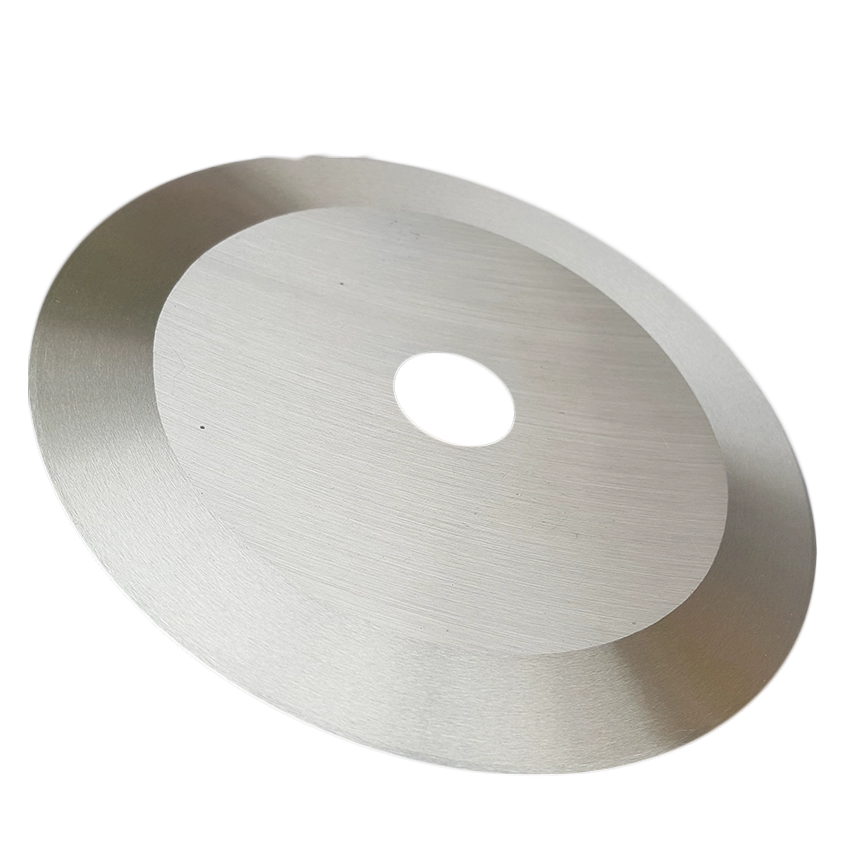
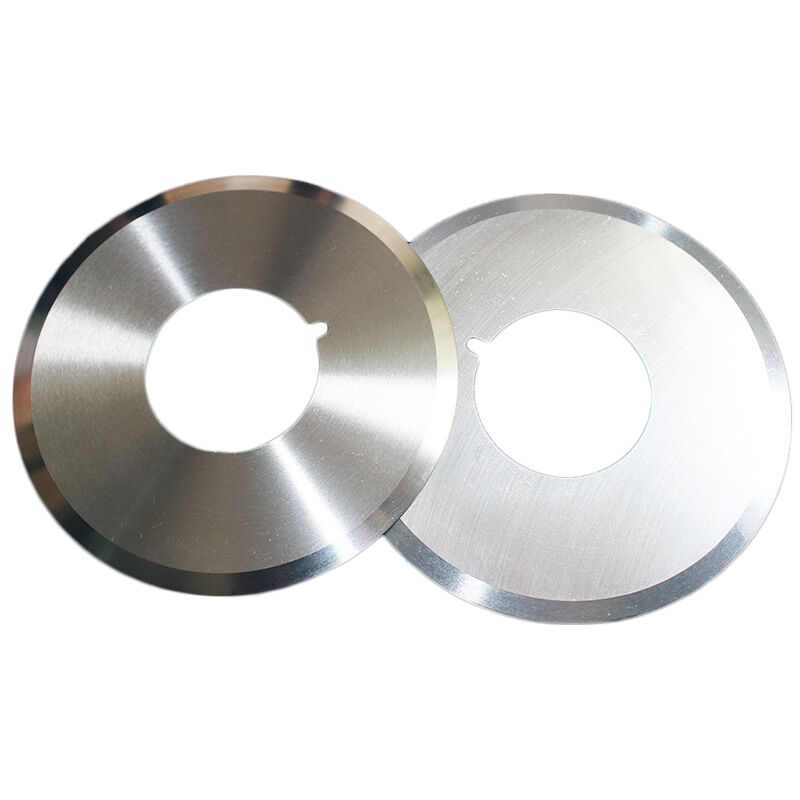
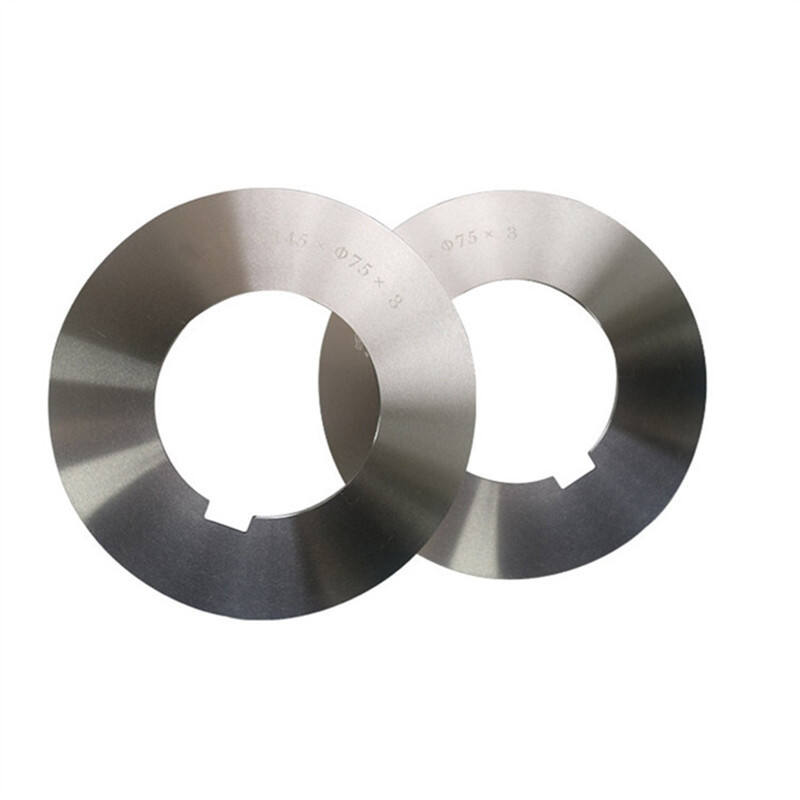
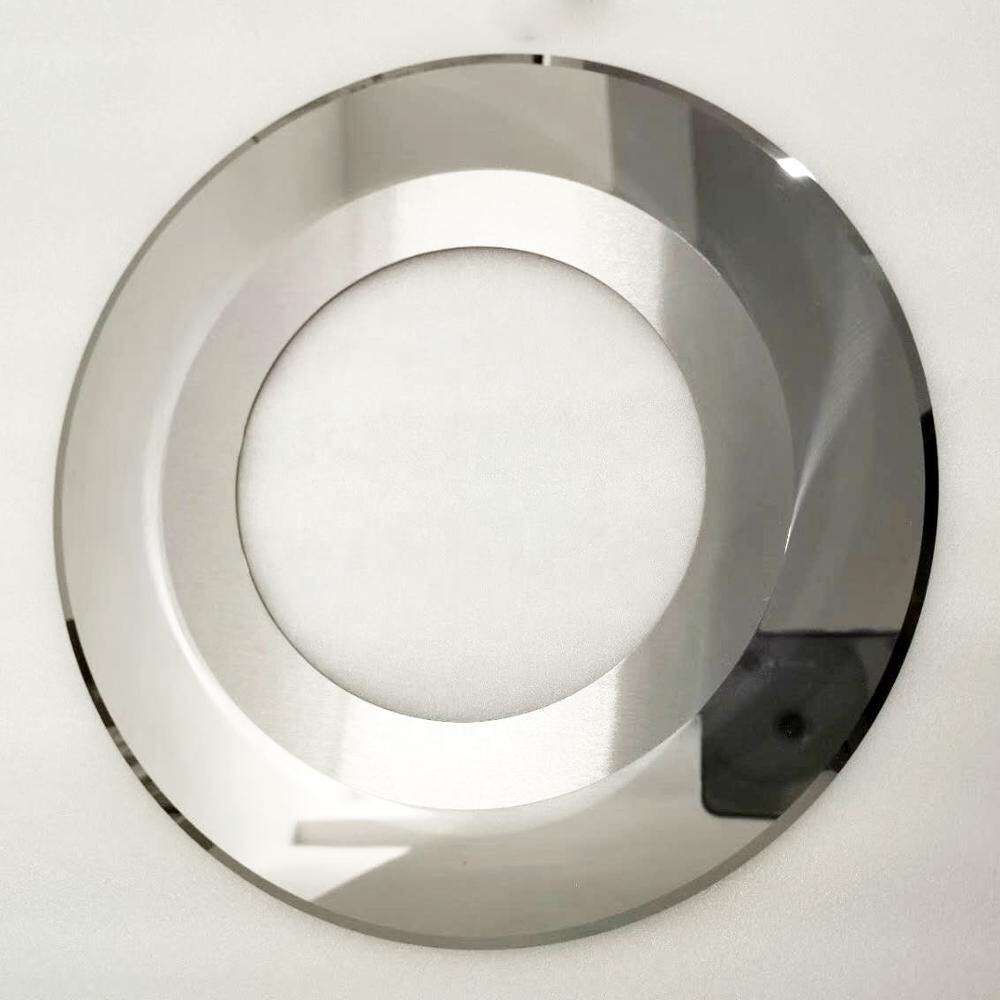
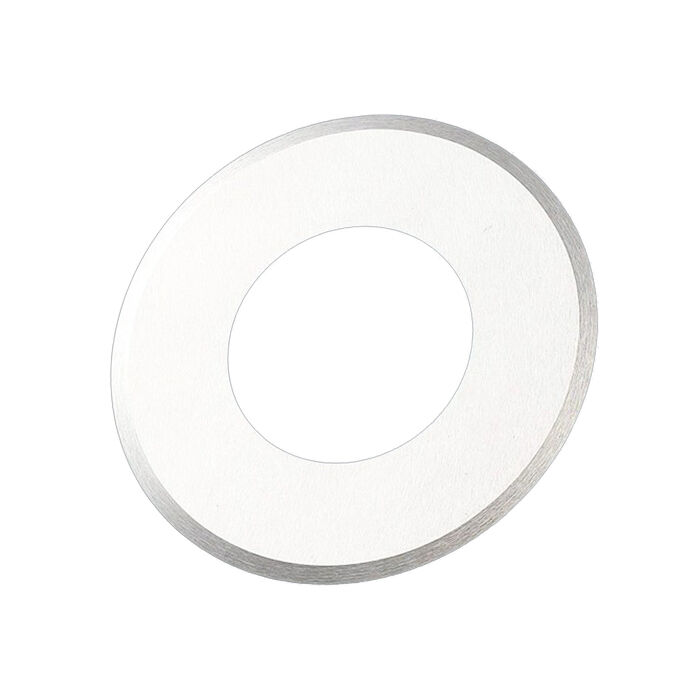
Exceptional Versatility Across Material Types and Thickness Ranges
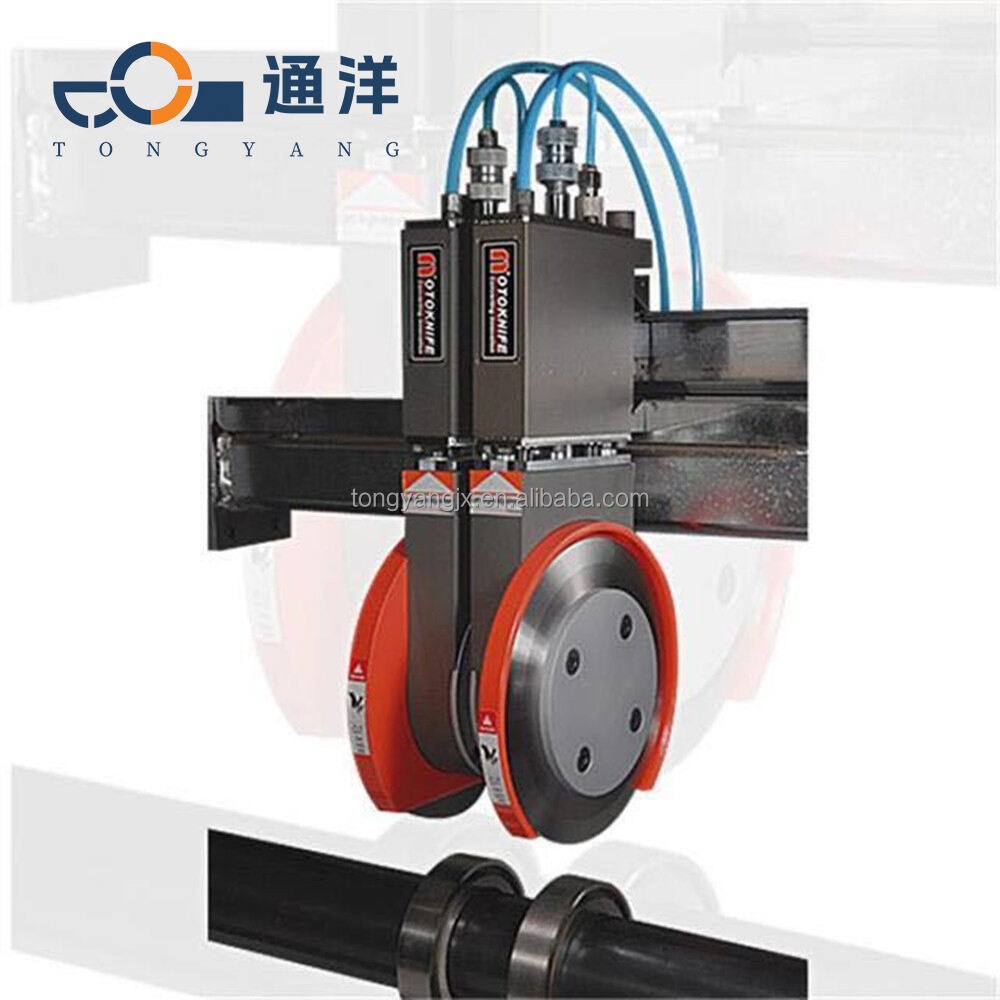
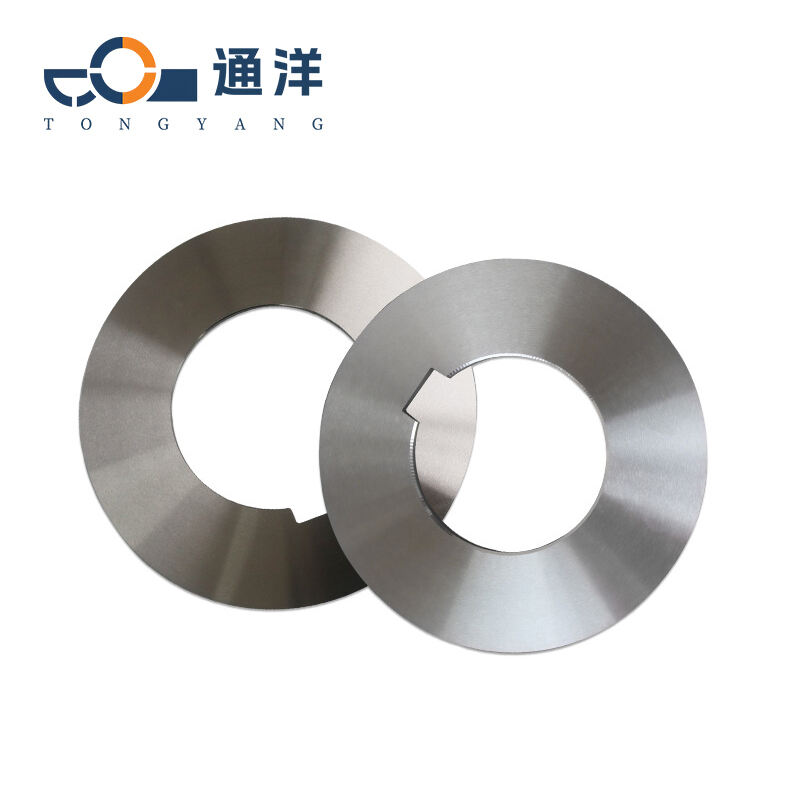
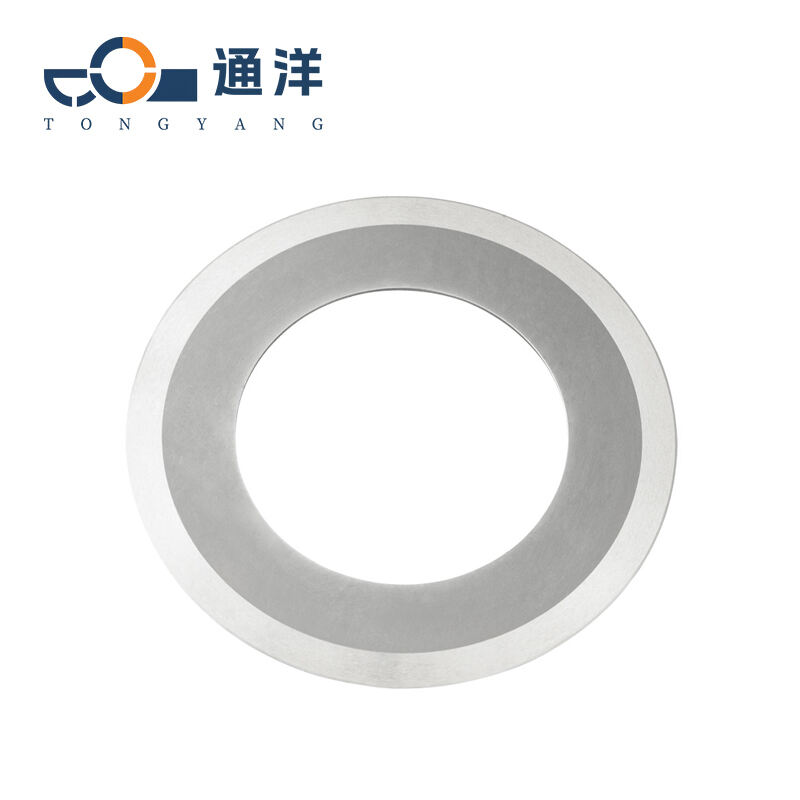
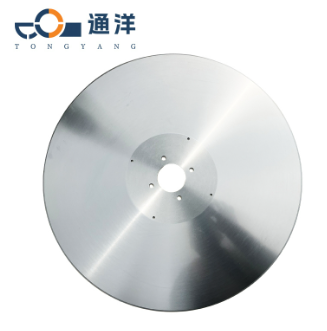
Round knife cutting technology distinguishes itself through remarkable versatility that enables manufacturers to process an extraordinarily diverse range of materials using a single cutting system, eliminating the need for multiple specialized machines and simplifying production workflows. This adaptability stems from the fundamental design of the circular blade and its mounting system, which allows operators to adjust cutting parameters to accommodate materials with vastly different physical properties. The technology handles delicate materials such as silk, chiffon, and lightweight technical fabrics that require gentle handling to prevent damage, while also processing robust materials including heavy canvas, leather, rubber sheets, and multi-layer composite structures that demand substantial cutting force. This range of capability proves invaluable for manufacturers serving diverse markets or those producing products that incorporate multiple material types within single assemblies. The adjustability of round knife cutting systems extends to blade speed, cutting pressure, and feed rate, parameters that operators can fine-tune to optimize performance for specific material characteristics. Modern installations feature programmable controllers that store optimal settings for different materials, enabling quick changeovers that minimize downtime when switching between production runs involving different substrates. The technology accommodates significant variations in material thickness, processing single-layer fabrics measuring fractions of a millimeter through stacked configurations comprising dozens of layers, achieving consistent cut quality throughout the entire stack depth. This multi-layer cutting capability dramatically enhances productivity in apparel manufacturing and other industries where identical pieces must be cut in large quantities. Round knife cutting performs effectively with materials exhibiting challenging properties such as high elasticity, tendency to fray, or slippery surfaces that complicate handling and cutting with alternative technologies. The continuous blade motion and appropriate pressure application prevent material shifting during cutting operations, ensuring accurate pattern execution even with difficult substrates. The versatility extends to processing both woven and non-woven materials, natural and synthetic fibers, foam products, technical textiles incorporating metallic threads or rigid elements, and hybrid composites combining multiple material types in layered structures. This comprehensive capability positions round knife cutting as a universal solution for manufacturers whose product portfolios include diverse material requirements. The technology also adapts to specialized applications including cutting materials with adhesive backing, processing materials that generate dust or lint during cutting, and handling temperature-sensitive substrates that might be damaged by heat-generating cutting methods such as laser or ultrasonic systems. The mechanical nature of round knife cutting produces no heat-affected zones, chemical alterations, or material property changes, preserving the integrity of processed materials and ensuring that cut pieces retain their intended performance characteristics. This versatility translates into operational flexibility that allows manufacturers to respond quickly to changing market demands, accept diverse custom orders, and explore new product opportunities without requiring substantial capital investments in additional cutting equipment.
 EN
EN