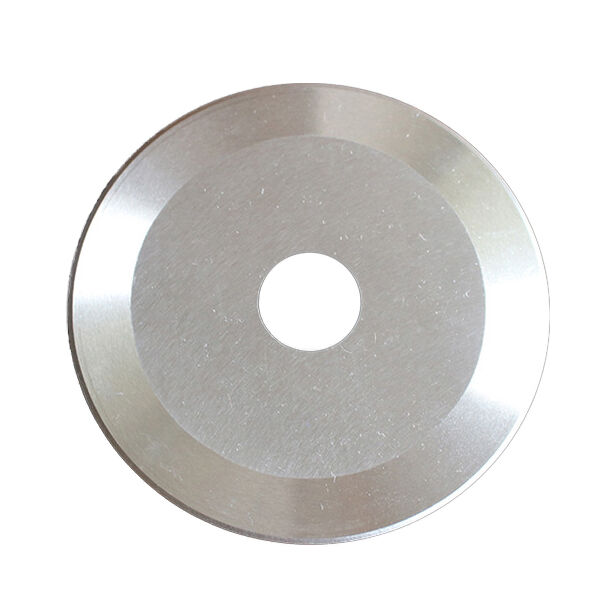
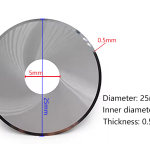
Premium Ceramic Slitting Blades - Superior Precision Cutting Solutions for Industrial Applications

All Categories

Get a Free Quote

Our representative will contact you soon.
Email
WhatsApp
Name
Company Name
Message
0/1000

ceramic slitting blades

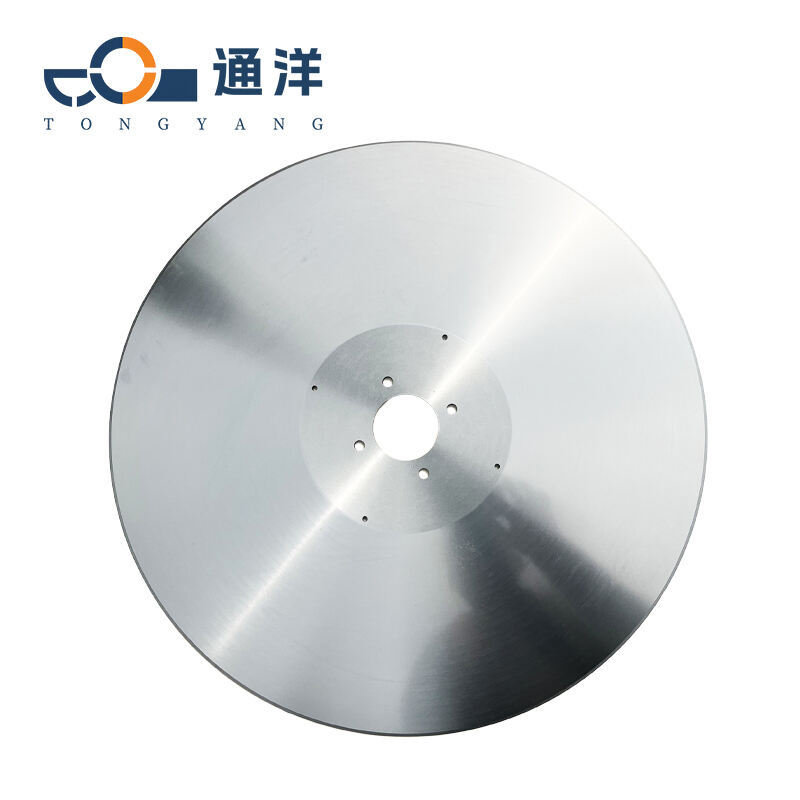
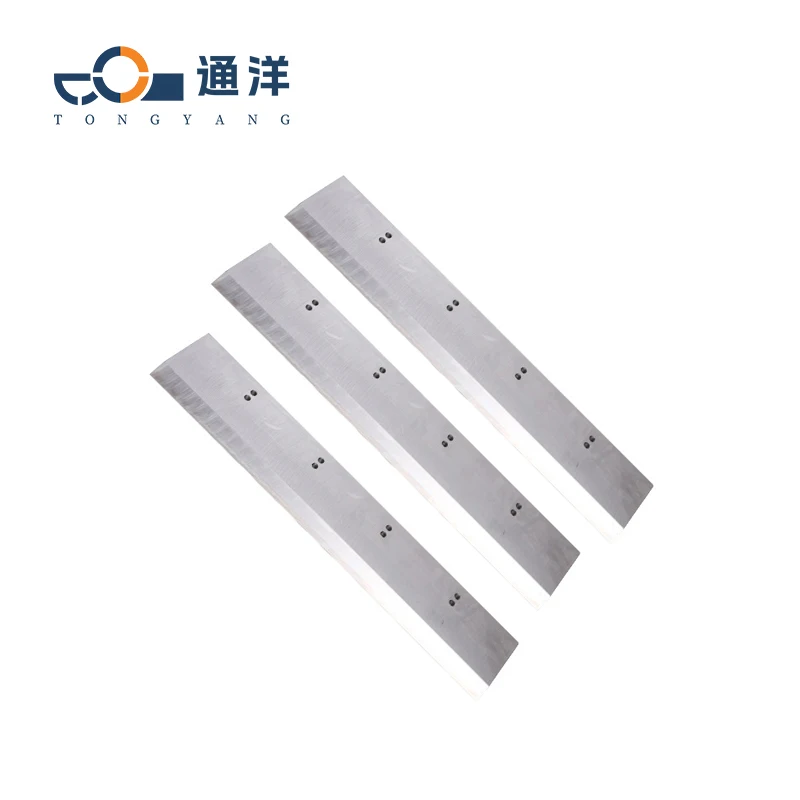
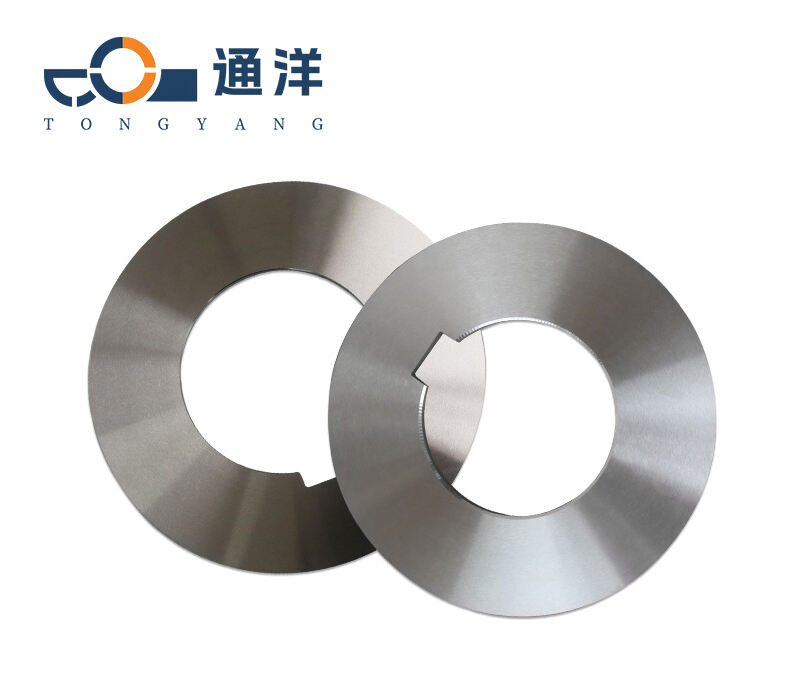
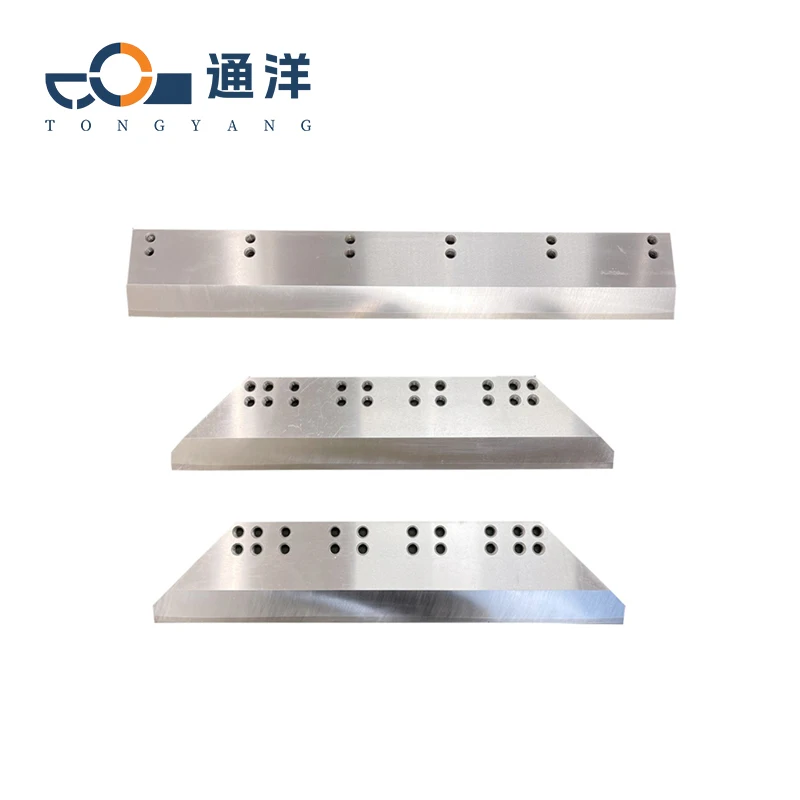
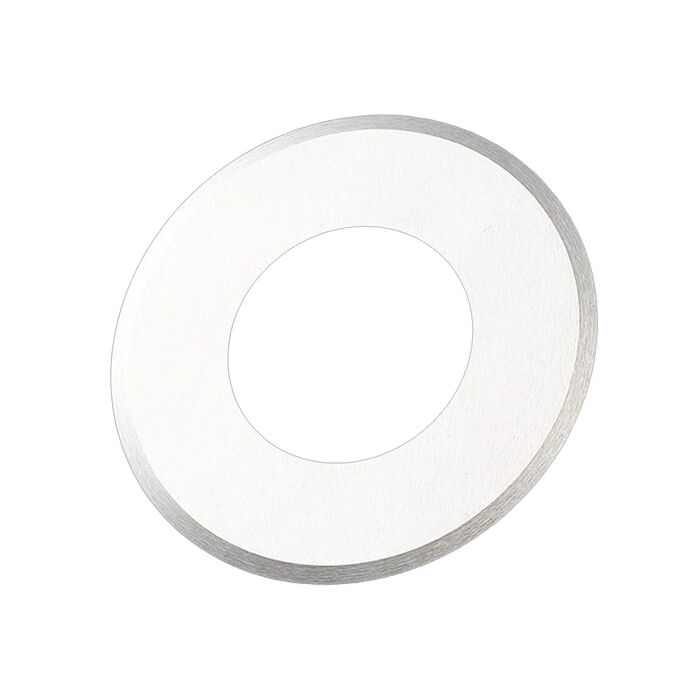
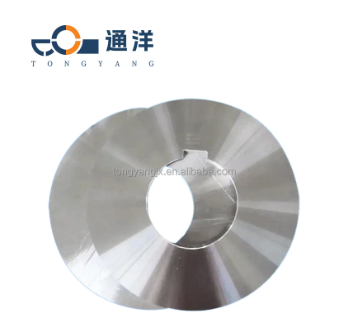
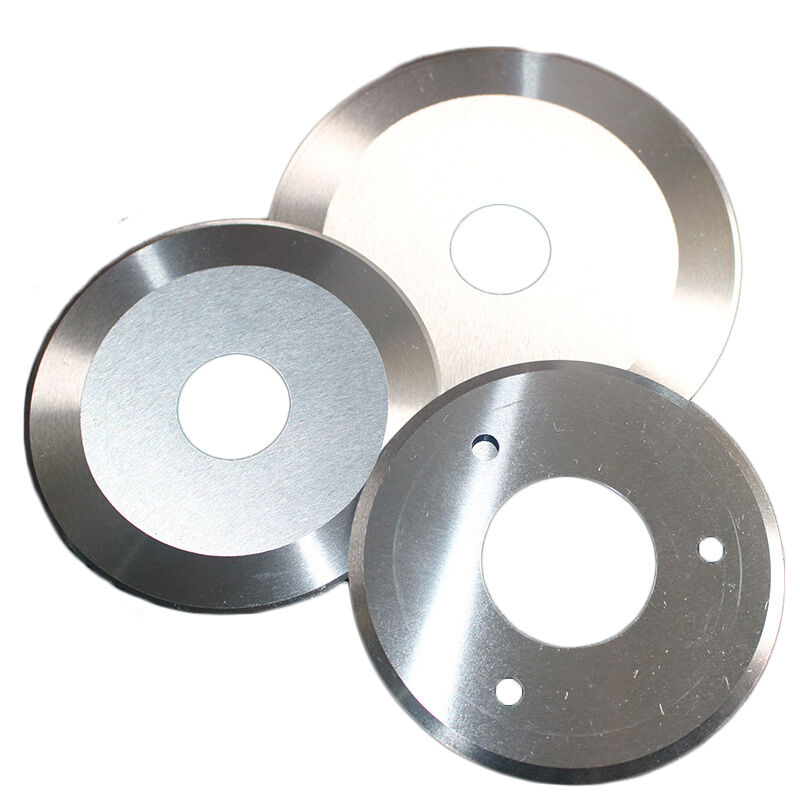
Ceramic slitting blades represent a revolutionary advancement in precision cutting technology, offering manufacturers and processors an exceptional solution for demanding slicing applications. These specialized cutting tools are engineered from advanced ceramic materials, primarily zirconia or alumina compounds, which deliver superior performance compared to traditional steel alternatives. The main function of ceramic slitting blades is to provide ultra-precise, clean cuts across a wide range of materials including thin films, foils, paper products, textiles, rubber, and various synthetic materials. These blades excel in applications requiring minimal friction, exceptional edge retention, and contamination-free cutting processes. The technological features of ceramic slitting blades include their remarkable hardness rating, which often exceeds that of hardened steel by several magnitudes, enabling them to maintain razor-sharp edges throughout extended production runs. Their molecular structure creates an inherently smooth surface that reduces friction during cutting operations, minimizing heat generation and material deformation. Ceramic slitting blades are manufactured through sophisticated processes including isostatic pressing and precision grinding, resulting in perfectly balanced tools with consistent geometries. The applications for ceramic slitting blades span numerous industries, from packaging and label manufacturing to electronics production and medical device fabrication. In the converting industry, these blades are essential for slitting pressure-sensitive materials, release liners, and specialty tapes where contamination from metal particles could compromise product quality. The food packaging sector relies on ceramic slitting blades to ensure hygienic cutting of films and foils without introducing metallic residues. Electronics manufacturers utilize these blades for precision cutting of battery separators, flexible circuits, and protective films. The pharmaceutical industry benefits from their non-reactive properties when processing medical packaging materials and transdermal patches, ensuring product integrity and regulatory compliance throughout manufacturing processes.

New Product Releases

Choosing ceramic slitting blades delivers substantial practical benefits that directly impact your production efficiency and bottom line. First and foremost, these blades last significantly longer than conventional metal options, reducing the frequency of blade changes and minimizing production downtime. You will notice that your maintenance schedules become less demanding, freeing up your team to focus on core production activities rather than constant equipment servicing. The extended blade life translates directly into cost savings, as you purchase fewer replacement blades over time while maintaining consistent cutting quality. Ceramic slitting blades generate minimal friction during operation, which means your materials experience less heat buildup during cutting. This characteristic proves especially valuable when working with heat-sensitive substrates that might warp, melt, or degrade under elevated temperatures. Your finished products maintain better dimensional stability and appearance quality, reducing reject rates and material waste. The superior edge retention of ceramic slitting blades ensures consistent cut quality from the first slice to the last, eliminating the gradual quality degradation typical of steel blades as they dull. You achieve uniform results throughout production runs, simplifying quality control processes and enhancing customer satisfaction. Another significant advantage is the chemical inertness of ceramic materials. These blades resist corrosion and chemical reactions, making them ideal for cutting materials containing acids, solvents, or other reactive substances. You can confidently process challenging materials without worrying about blade degradation or contamination of your products. The non-magnetic properties of ceramic slitting blades prove essential in electronics manufacturing and other sensitive applications where magnetic interference could damage products or disrupt precision equipment. Your production environment remains cleaner because ceramic blades do not shed metal particles that could contaminate products or create housekeeping challenges. This cleanliness factor becomes critical in food packaging, pharmaceutical manufacturing, and cleanroom environments where even trace contamination is unacceptable. The lightweight nature of ceramic slitting blades reduces stress on machinery bearings and drive systems, potentially extending equipment lifespan and reducing maintenance costs across your entire operation. You will appreciate the reduced vibration during operation, which contributes to smoother cuts and less machine wear. The initial investment in ceramic slitting blades pays dividends through reduced operational costs, improved product quality, enhanced workplace safety, and increased overall equipment effectiveness that positively impacts your competitive position in the marketplace.

Practical Tips

5 Best Metal Cutting Blade Options for DIY Projects

25

Mar

5 Best Metal Cutting Blade Options for DIY Projects

Choosing the right metal cutting blade can make the difference between a successful DIY project and a frustrating experience filled with poor cuts and damaged materials. Whether you're working on home renovations, crafting custom metalwork, or tackli...
View More
How to Extend Your Cutting Blade Life: Pro Tips

25

Mar

How to Extend Your Cutting Blade Life: Pro Tips

Maximizing the lifespan of your cutting blade is essential for maintaining operational efficiency and reducing replacement costs in any professional environment. Whether you work in manufacturing, printing, packaging, or crafts, understanding proper ...
View More
Choosing the Best Circular Knife for Fabric Cutting

30

Mar

Choosing the Best Circular Knife for Fabric Cutting

Selecting the right circular knife for fabric cutting represents one of the most critical decisions in textile manufacturing and processing operations. The precision, efficiency, and quality of your fabric cutting directly impacts production costs, m...
View More
Metal Cutting Blade Types: Complete Comparison Guide

30

Apr

Metal Cutting Blade Types: Complete Comparison Guide

Selecting the appropriate metal cutting blade for industrial applications requires understanding the distinct characteristics, capabilities, and optimal use cases of each blade type available in the market. Metal fabrication professionals face consta...
View More

Get a Free Quote

Our representative will contact you soon.
Email
WhatsApp
Name
Company Name
Message
0/1000

ceramic slitting blades

Exceptional Durability and Extended Service Life

Exceptional Durability and Extended Service Life

The exceptional durability of ceramic slitting blades stems from their fundamental material properties, setting them apart as a superior investment for demanding cutting applications. Ceramic materials used in these blades possess hardness levels reaching 9 on the Mohs scale, approaching the hardness of diamonds and far exceeding any steel alternative. This extraordinary hardness translates into remarkable wear resistance that keeps cutting edges sharp through millions of linear feet of material processing. When you implement ceramic slitting blades in your operation, you immediately notice the dramatic reduction in blade replacement frequency compared to traditional steel options. Where conventional blades might require changing after days or weeks of operation, ceramic slitting blades continue performing optimally for months or even years depending on application specifics. This extended service life creates multiple cascading benefits throughout your operation. Your production teams spend significantly less time performing blade changes, which means more time actually producing finished goods and meeting customer deadlines. The reduced downtime for maintenance translates directly into higher overall equipment effectiveness and improved capacity utilization. Your maintenance personnel can redirect their expertise toward other critical tasks rather than constantly servicing slitting equipment. The cost implications prove equally impressive, as the per-cut cost decreases substantially despite the higher initial investment in ceramic slitting blades. When calculating total cost of ownership, including blade purchase price, labor for installation, production downtime, and disposal costs, ceramic options typically deliver superior economic performance. The consistent cutting performance throughout the blade's extended lifespan ensures your quality remains stable from the first production run to the last before replacement becomes necessary. You eliminate the quality variations that occur as metal blades gradually dull, reducing scrap rates and customer complaints. The durability of ceramic slitting blades also contributes to sustainability goals by reducing material consumption and waste generation associated with frequent blade disposal. Fewer blade changes mean less packaging waste and reduced environmental impact from manufacturing and transportation of replacement components, aligning your operations with modern environmental stewardship expectations while simultaneously improving operational economics.
Superior Cutting Precision with Minimal Friction

Superior Cutting Precision with Minimal Friction

The superior cutting precision delivered by ceramic slitting blades results from their unique surface characteristics and material properties that fundamentally change the cutting dynamics in your production processes. Ceramic materials can be manufactured and finished to create extraordinarily smooth surfaces at the molecular level, reducing friction coefficients far below what metal blades can achieve. This smoothness means materials glide across the blade surface with minimal resistance, generating significantly less heat during cutting operations. Heat generation during slitting creates numerous problems including material distortion, adhesive migration, edge fusion on synthetic materials, and dimensional inconsistencies that compromise product quality. Ceramic slitting blades address these challenges by cutting cooler, preserving material properties and ensuring clean, precise edges on every cut. When processing thin films, you will observe that materials maintain better tension control and tracking accuracy because reduced friction eliminates the pulling and distortion effects common with higher-friction cutting methods. The precision of ceramic slitting blades enables tighter tolerance control, which proves critical when producing narrow strips or when exact width specifications directly impact product functionality. Electronics applications particularly benefit from this precision, as battery separators, flexible circuits, and display films require exacting dimensional control to function properly in finished devices. The sharp, durable edges of ceramic slitting blades create clean cuts without material crushing, tearing, or deformation that could compromise product performance or appearance. In label manufacturing, this precision ensures clean matrix removal and perfect die-cutting registration, reducing waste and improving finished label quality. The consistent cutting force required throughout the blade's lifespan means you can optimize machine settings once and maintain those parameters through extended production runs without constant adjustment. This stability simplifies operator training and reduces the skill level required to achieve excellent results, making your operation more flexible and resilient to workforce changes. The minimal friction characteristics also reduce dust generation during cutting, creating a cleaner work environment and reducing contamination risks for your products. You will notice less material buildup on blade surfaces, which means fewer cleaning cycles and more consistent performance between maintenance intervals, further enhancing productivity and operational efficiency across your manufacturing facility.
Non-Contaminating and Chemically Inert Performance

Non-Contaminating and Chemically Inert Performance

The non-contaminating and chemically inert nature of ceramic slitting blades provides critical advantages for industries where product purity and material compatibility are non-negotiable requirements. Unlike metal blades that can shed microscopic particles through wear or react chemically with processed materials, ceramic slitting blades remain completely inert and non-reactive throughout their service life. This characteristic proves absolutely essential in food packaging applications where even trace amounts of metal contamination could trigger product recalls, endanger consumers, and devastate brand reputation. When you utilize ceramic slitting blades for cutting food-contact materials, you eliminate metal detection concerns and ensure complete compliance with food safety regulations. The pharmaceutical and medical device industries face equally stringent contamination control requirements, and ceramic slitting blades provide the assurance needed to maintain product integrity and regulatory compliance. These blades will not introduce foreign particles into transdermal patches, medical packaging, or sterile barrier materials, protecting patient safety and supporting validation documentation for regulatory submissions. The chemical inertness of ceramic materials means these blades resist attack from acids, bases, solvents, and other reactive substances present in many specialty materials. You can confidently process chemically-treated textiles, solvent-coated films, adhesive-backed materials, and corrosive substances without worrying about blade degradation or unwanted chemical reactions that could compromise blade performance or contaminate your products. This chemical resistance extends blade life even further when processing challenging materials that would quickly corrode or degrade metal alternatives. The non-magnetic properties of ceramic slitting blades eliminate concerns about magnetic field interference in sensitive electronic manufacturing environments. When producing magnetic data storage media, electromagnetic shielding materials, or precision electronic components, you need assurance that cutting tools will not introduce magnetic disturbances that could damage products or disrupt nearby equipment. Ceramic slitting blades meet this requirement perfectly while delivering all their other performance advantages. The absence of metal particle generation also benefits your equipment by reducing abrasive wear on guides, rollers, and other machine components that contact the material after slitting. Your entire production line remains cleaner, reducing maintenance requirements beyond just the cutting station itself, creating compound efficiency improvements throughout your operation and supporting lean manufacturing initiatives focused on eliminating waste and maximizing value-added activities.

Get a Free Quote

Our representative will contact you soon.
Email
WhatsApp
Name
Company Name
Message
0/1000
Newsletter
Please Leave A Message With Us