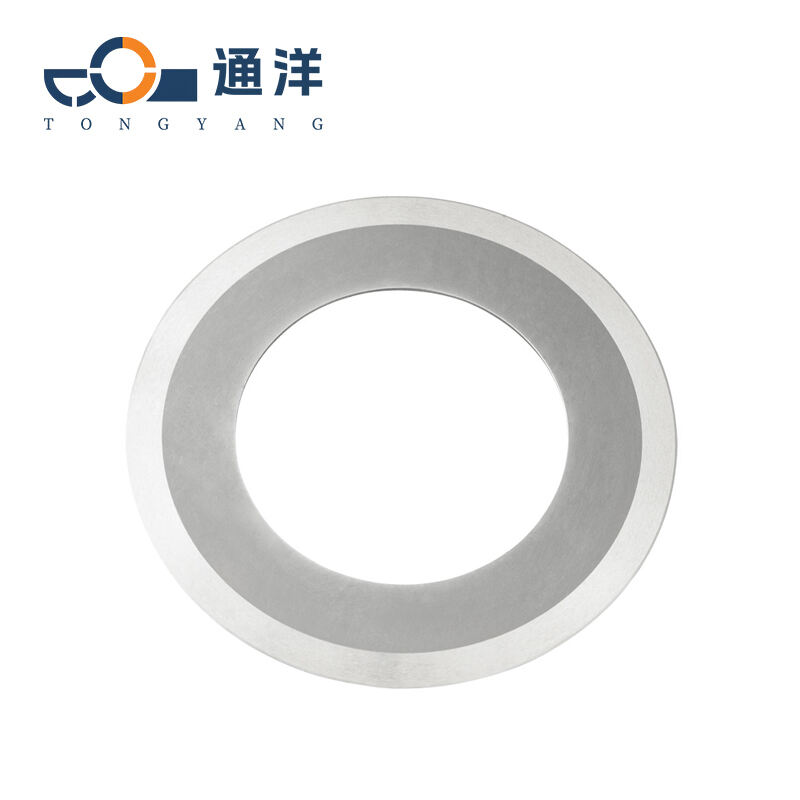
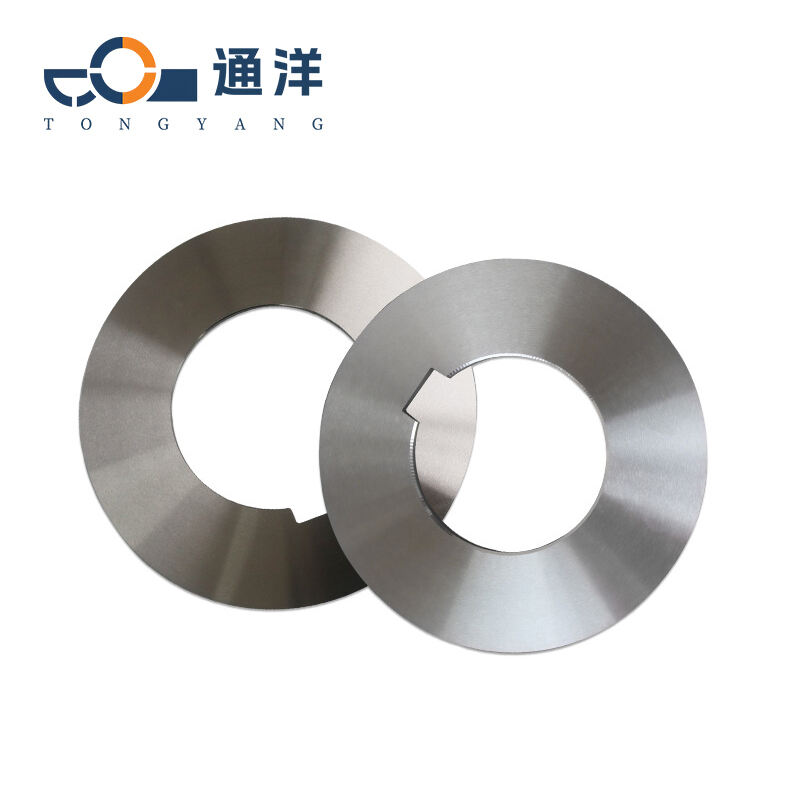
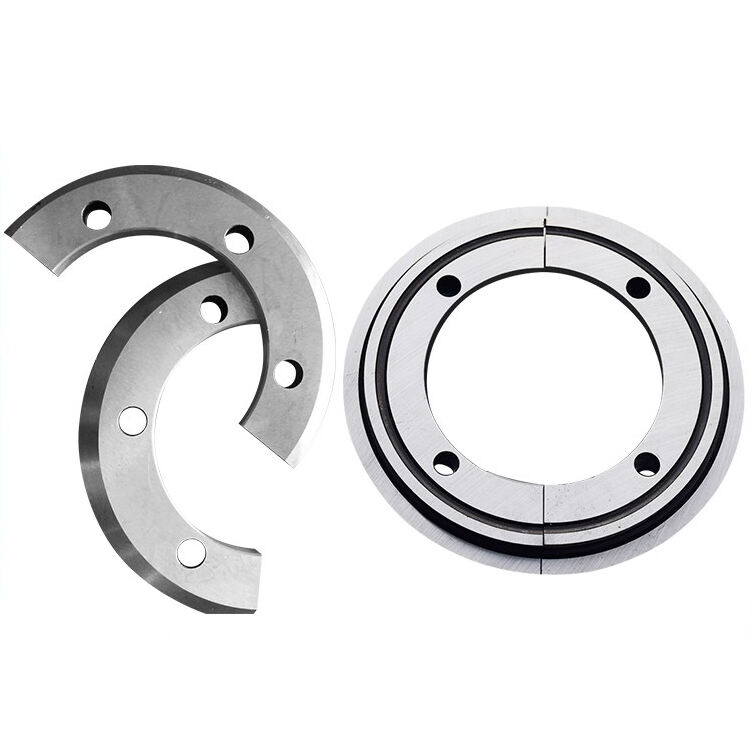
toilet paper roll cutting circular blade
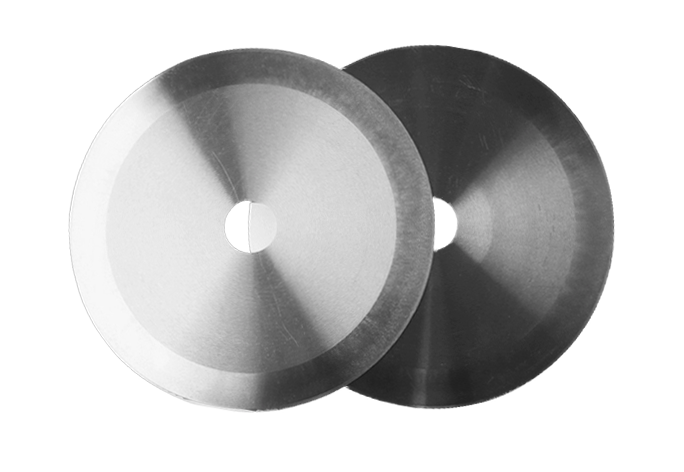
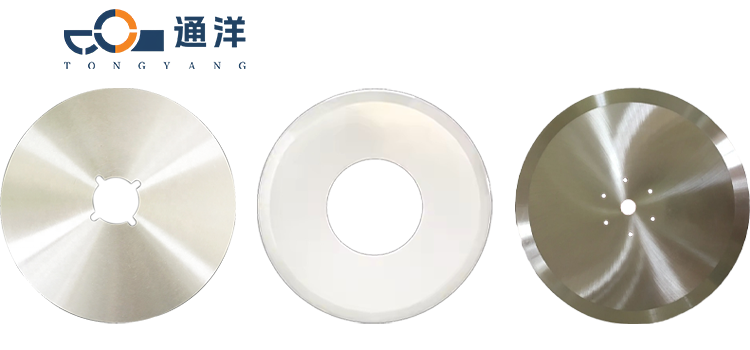
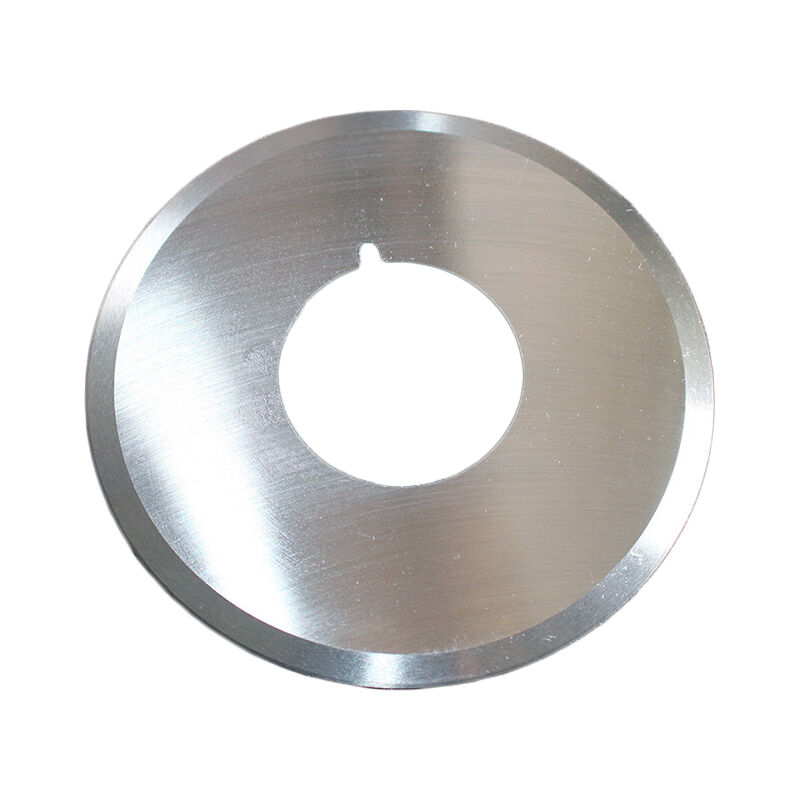
The toilet paper roll cutting circular blade represents a critical component in the tissue paper manufacturing industry, serving as the primary tool for converting large parent rolls into smaller, consumer-ready products. This precision-engineered cutting implement operates within automated production lines to deliver consistent, clean cuts across multiple layers of tissue paper simultaneously. Manufacturing facilities rely on these circular blades to maintain production efficiency while ensuring product quality meets market standards. The toilet paper roll cutting circular blade features a carefully designed edge geometry that balances sharpness with durability, allowing it to slice through compressed paper layers without causing tears, fraying, or uneven edges. Modern versions incorporate advanced metallurgy and heat treatment processes that extend blade life significantly compared to conventional cutting tools. The circular design enables continuous rotation during the cutting process, distributing wear evenly across the cutting edge and maximizing operational lifespan. These blades typically range from 80mm to 500mm in diameter, with thickness variations depending on specific production requirements and machinery specifications. The toilet paper roll cutting circular blade must maintain exceptional straightness and balance to prevent vibration during high-speed operations, which could compromise cut quality or damage the machinery. Surface treatments such as coating applications enhance performance by reducing friction and preventing adhesive buildup from paper fibers and bonding agents. Installation versatility allows these blades to function in various cutting configurations, including log saws, rewinders, and perforating units. Quality control standards for toilet paper roll cutting circular blade production ensure dimensional accuracy within micrometers, guaranteeing consistent performance across thousands of cutting cycles. The technological sophistication behind these seemingly simple tools reflects decades of engineering refinement focused on meeting the demanding requirements of continuous industrial production environments where downtime translates directly to revenue loss.
 EN
EN