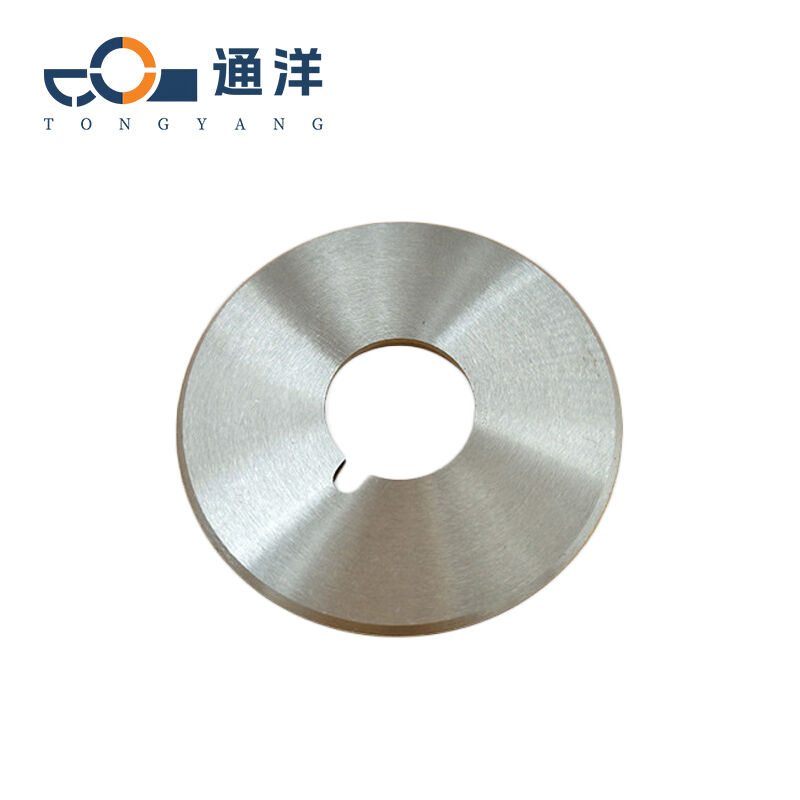
Versatile Performance Across Multiple Materials and Industries
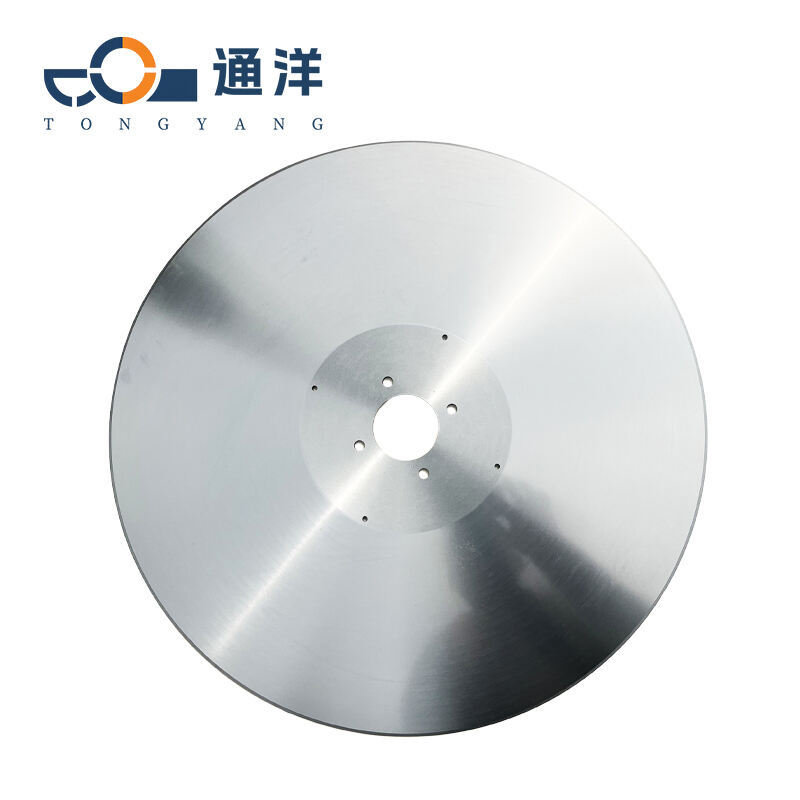
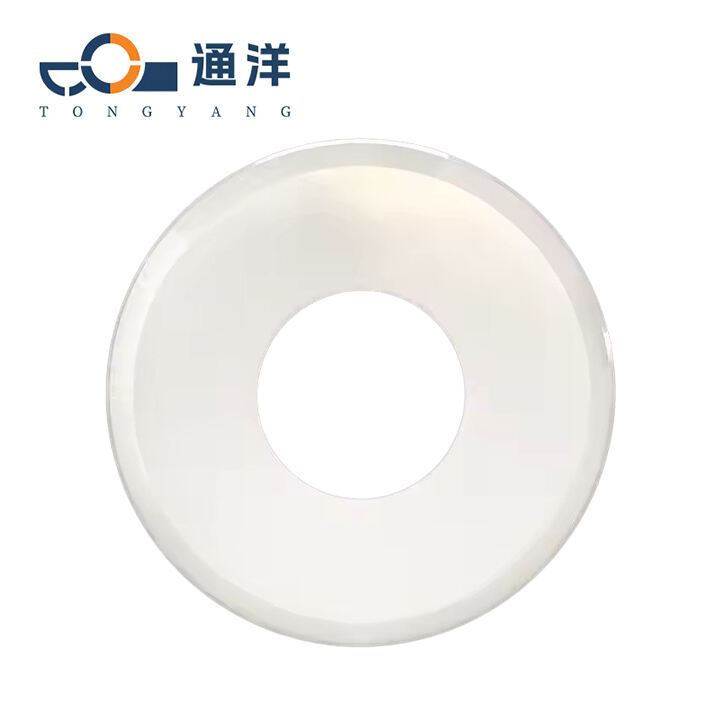
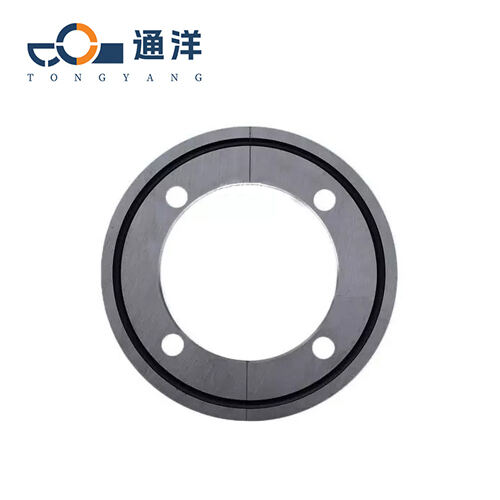
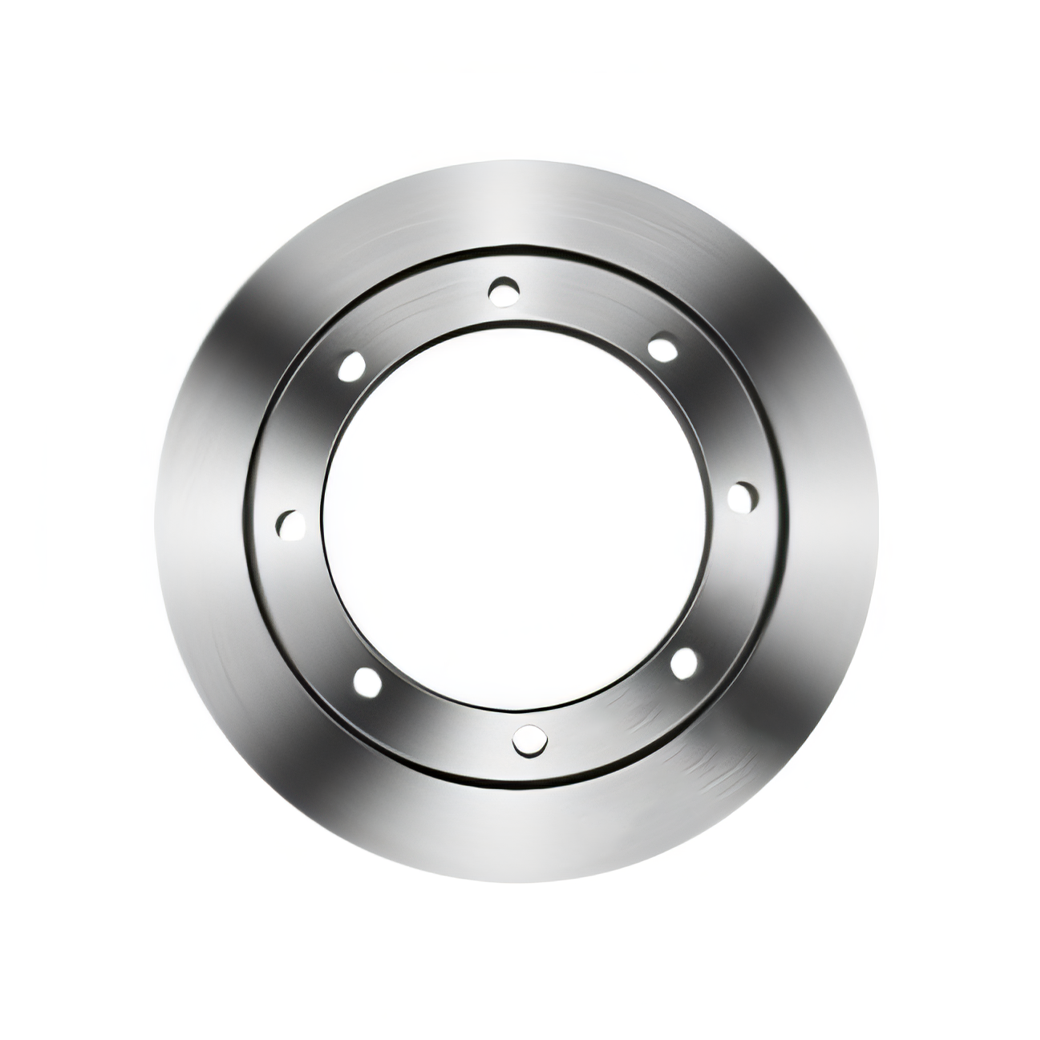
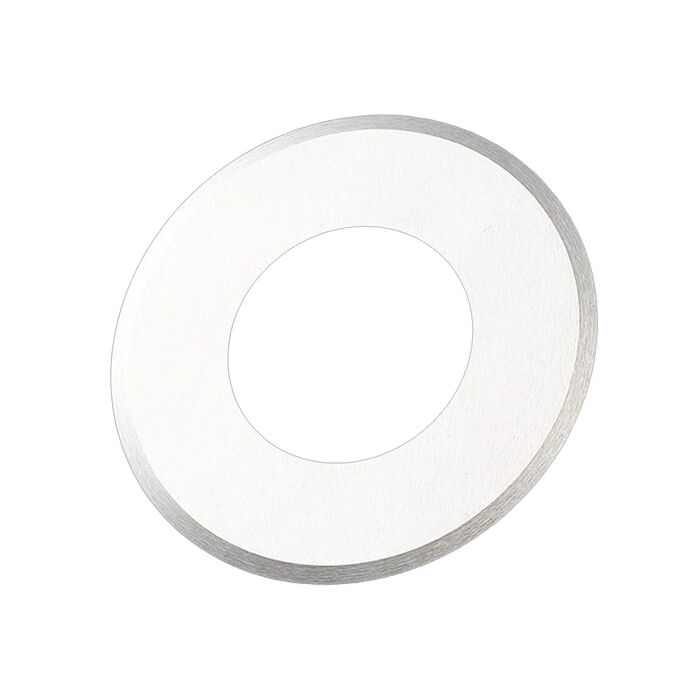
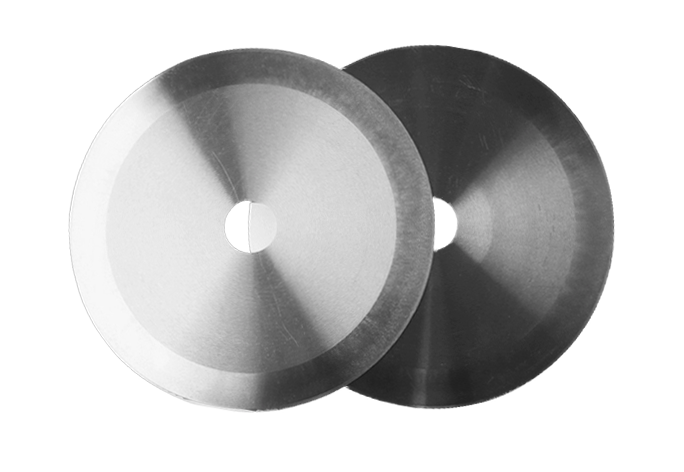
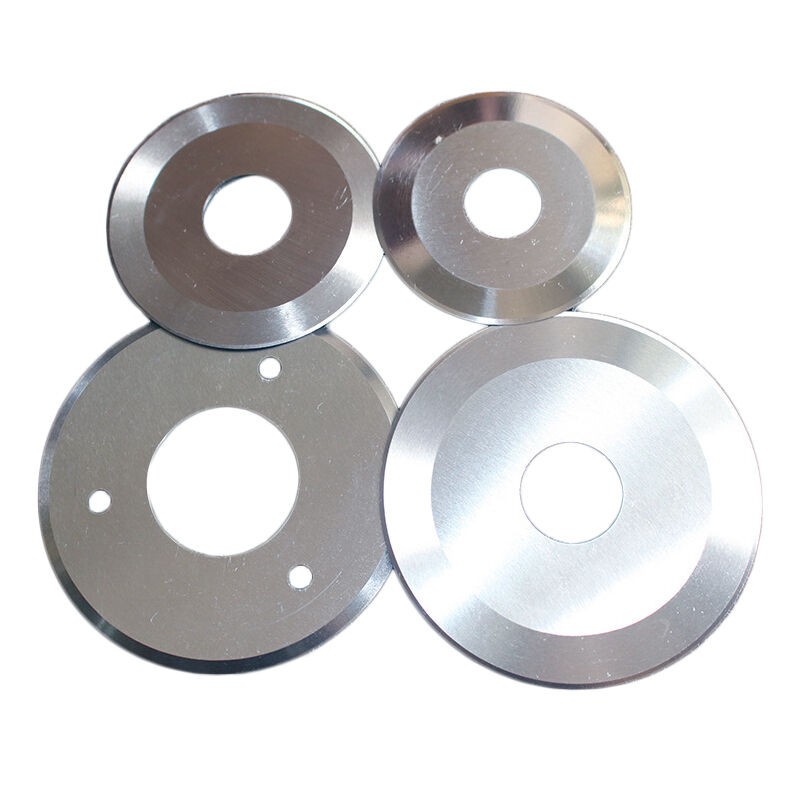
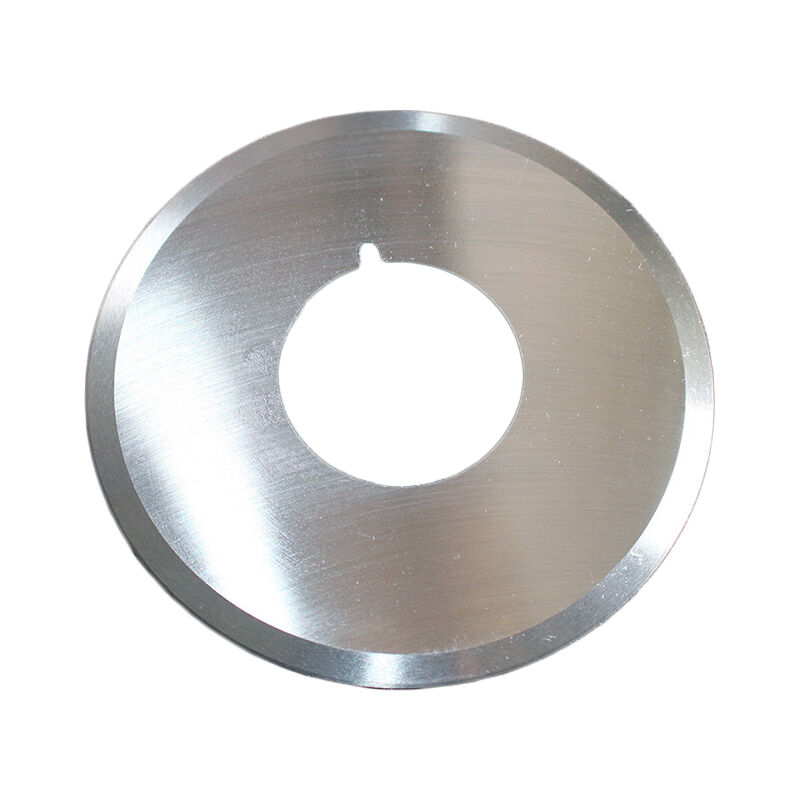
The round cutting knife demonstrates exceptional versatility that enables manufacturers to consolidate cutting operations and reduce equipment complexity while maintaining superior results across diverse material types and industry applications. This adaptability stems from the fundamental cutting mechanics of circular blades, which generate shearing action effective on materials ranging from delicate tissues to tough industrial composites. Packaging operations utilize round cutting knife systems to process corrugated cardboard, flexible films, laminated structures, and foam cushioning materials using the same basic equipment with appropriate blade specifications for each application. This versatility eliminates the need for dedicated cutting systems for different materials, reducing capital equipment investments and simplifying operator training requirements. The textile industry relies heavily on round cutting knife technology for cutting natural fibers, synthetic fabrics, technical textiles, and non-woven materials with equal effectiveness. Blade manufacturers offer the round cutting knife in numerous configurations including varying diameters, edge angles, tooth patterns, and specialized grinds optimized for specific material characteristics. This extensive selection enables precise matching of blade geometry to application requirements, ensuring optimal performance whether processing soft materials requiring minimal cutting pressure or tough materials demanding aggressive edge configurations. Food processing facilities employ food-grade round cutting knife products manufactured from stainless steel alloys that meet stringent hygiene standards while delivering the sharpness needed for clean cuts through products ranging from baked goods to frozen foods. The round cutting knife adapts easily to automated production environments through integration with servo systems, pneumatic actuators, and computerized control platforms that coordinate cutting operations with upstream and downstream processes. This integration capability supports complex manufacturing sequences where cutting operations must synchronize precisely with printing, coating, folding, or assembly operations. The versatility extends to operating parameters, as the round cutting knife performs effectively across wide ranges of cutting speeds, feed rates, and material thicknesses. Operators can optimize these parameters for specific production requirements, balancing throughput against edge life and cut quality based on economic considerations unique to each operation. The round cutting knife handles both continuous cutting operations and intermittent cutting cycles with equal reliability, adapting to production patterns without compromising performance or requiring mechanical modifications.
 EN
EN