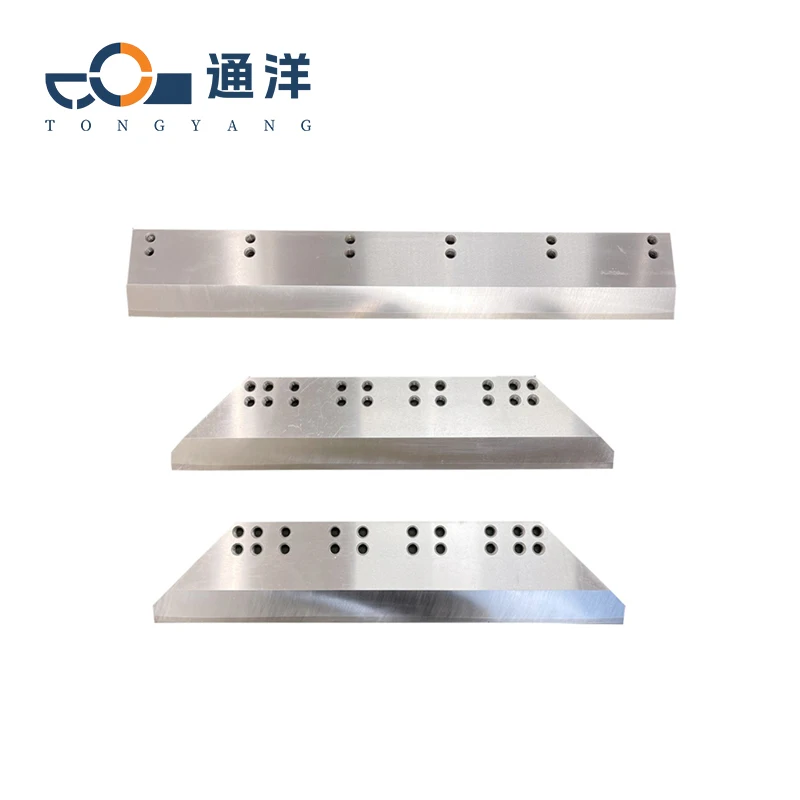
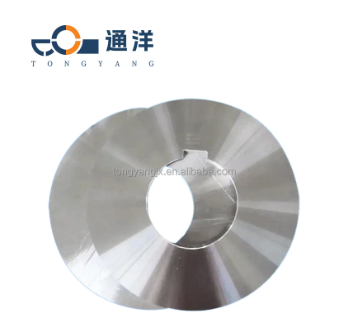
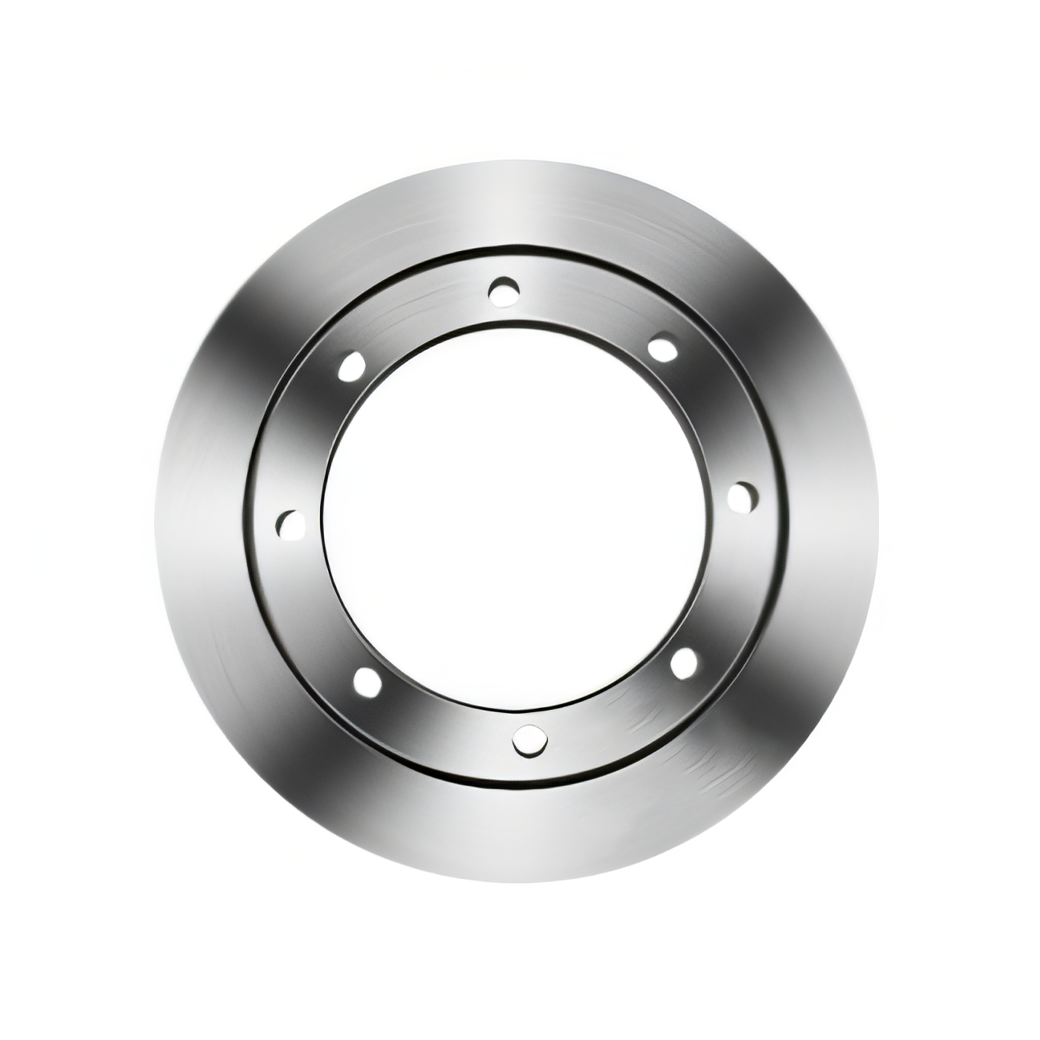
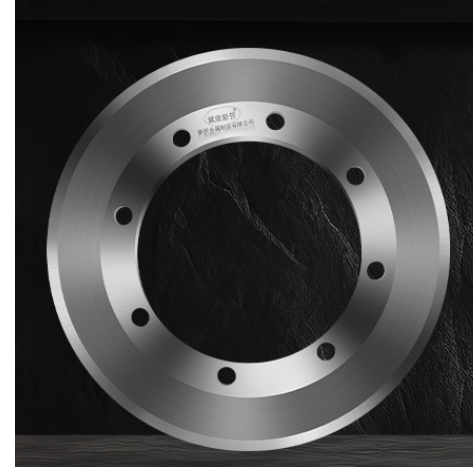
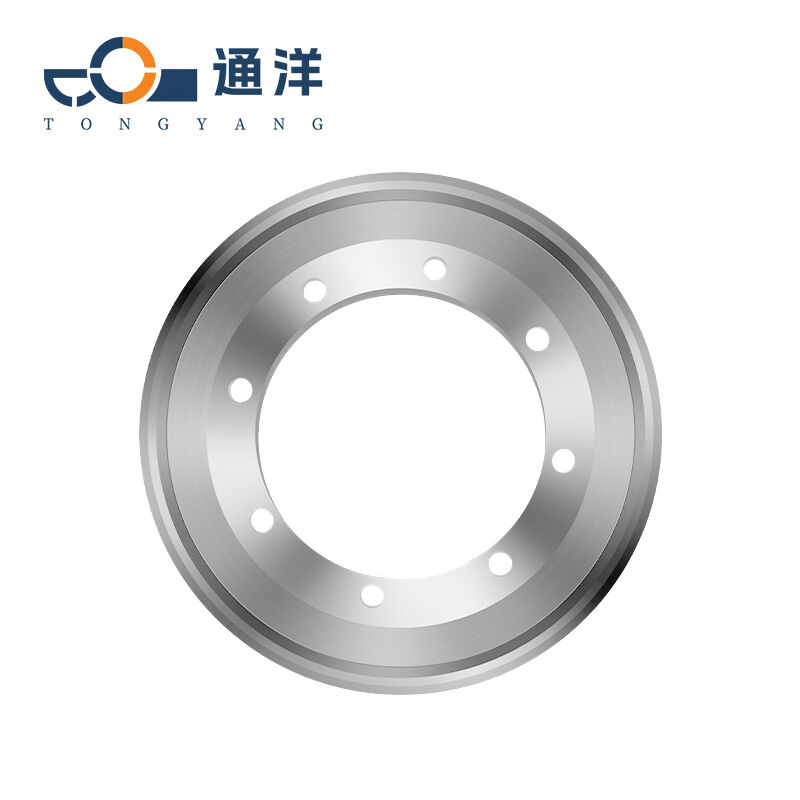
Rubber Cutting Hot Knife - Precision Heated Cutting Tool for Professional Results

All Categories

Get a Free Quote

Our representative will contact you soon.
Email
WhatsApp
Name
Company Name
Message
0/1000

rubber cutting hot knife

The rubber cutting hot knife represents a significant advancement in material processing technology, designed specifically to address the challenges of cutting rubber materials with precision and efficiency. This specialized cutting tool utilizes controlled heat technology to slice through various types of rubber compounds, ranging from soft foam rubber to dense industrial-grade rubber materials. The fundamental principle behind the rubber cutting hot knife involves heating a blade to optimal temperatures that allow it to melt through rubber rather than tearing or crushing it, which is common with traditional cold cutting methods. The device consists of several key components including a temperature-controlled heating element, an ergonomically designed handle for comfortable operation, and interchangeable blade options to accommodate different cutting requirements. Modern rubber cutting hot knife systems incorporate advanced temperature regulation mechanisms that maintain consistent heat levels throughout the cutting process, ensuring uniform cut quality from start to finish. The technological features of the rubber cutting hot knife include rapid heating capabilities, typically reaching operational temperatures within seconds, adjustable temperature settings to match different rubber densities and compositions, and safety features such as insulated handles and automatic shut-off functions. The applications of this versatile tool span multiple industries including automotive manufacturing where it cuts rubber seals and gaskets, footwear production for precise sole cutting, industrial fabrication for custom rubber component creation, and craft industries for detailed rubber artwork. The rubber cutting hot knife eliminates the need for mechanical force during cutting, reducing operator fatigue and improving workplace safety. Its ability to create clean, sealed edges prevents fraying and extends the lifespan of cut rubber products. Whether used in high-volume manufacturing environments or small workshop settings, the rubber cutting hot knife delivers consistent performance that meets demanding quality standards while significantly reducing material waste through precise cutting capabilities.

New Products

The rubber cutting hot knife offers numerous practical benefits that directly impact productivity and cost-effectiveness for businesses and individual users alike. First and foremost, this innovative cutting solution dramatically improves cutting precision compared to traditional methods. When you use a rubber cutting hot knife, the heated blade creates clean, smooth edges without the ragged tears or compression marks that often result from mechanical cutting tools. This precision translates into less material waste, as operators can cut closer to pattern lines without fear of errors, ultimately saving money on expensive rubber materials. The speed advantage of the rubber cutting hot knife cannot be overstated. Where conventional cutting methods might require multiple passes or significant physical effort, the hot knife slices through rubber in a single smooth motion. This efficiency means workers complete projects faster, increasing overall productivity without sacrificing quality. The reduced physical effort required when operating a rubber cutting hot knife also contributes to worker comfort and safety. Traditional rubber cutting often demands significant hand strength and repetitive sawing motions that can lead to fatigue and repetitive strain injuries. The hot knife glides through material with minimal pressure, allowing operators to work longer periods without discomfort. Another significant advantage involves the sealed edges created by the heating process. As the rubber cutting hot knife melts through material, it simultaneously fuses the cut edges, preventing fraying and unraveling that commonly occurs with cold cutting. This sealed edge characteristic is particularly valuable when working with foam rubber or cellular rubber materials that would otherwise require additional finishing steps. The versatility of the rubber cutting hot knife extends its value proposition considerably. A single tool can handle various rubber types, thicknesses, and densities simply by adjusting temperature settings. This eliminates the need to purchase and maintain multiple specialized cutting tools, reducing equipment costs and storage requirements. Maintenance requirements for the rubber cutting hot knife remain minimal compared to mechanical alternatives. Without moving parts like blades that dull or motors that wear out, these tools require only basic cleaning and occasional element replacement. The consistent performance of the rubber cutting hot knife ensures quality remains uniform across production runs. Temperature stability means every cut matches the previous one, critical for manufacturing environments where tolerances matter. The tool heats quickly and maintains temperature throughout extended use, eliminating downtime for reheating. Finally, the rubber cutting hot knife proves cost-effective over its operational lifetime, combining durability with efficiency to deliver excellent return on investment for professional and hobbyist users alike.

Tips And Tricks

How to Extend Your Film Slitting Blade Lifespan

25

Mar

How to Extend Your Film Slitting Blade Lifespan

Manufacturing operations that rely on precise film cutting know that blade performance directly impacts production efficiency and product quality. A well-maintained film slitting blade can significantly reduce downtime, minimize material waste, and e...
View More
Can a Circular Blade Cut Metal? A Look at Hardened Metal Cutting Blades

25

Mar

Can a Circular Blade Cut Metal? A Look at Hardened Metal Cutting Blades

The ability to cut through metal efficiently and precisely has always been a cornerstone of modern manufacturing and fabrication industries. When professionals need to slice through various metal materials, the choice of cutting tool can make the dif...
View More
How to Extend Your Cutting Blade Life: Pro Tips

25

Mar

How to Extend Your Cutting Blade Life: Pro Tips

Maximizing the lifespan of your cutting blade is essential for maintaining operational efficiency and reducing replacement costs in any professional environment. Whether you work in manufacturing, printing, packaging, or crafts, understanding proper ...
View More
Metal Cutting Blade Types: Complete Comparison Guide

30

Apr

Metal Cutting Blade Types: Complete Comparison Guide

Selecting the appropriate metal cutting blade for industrial applications requires understanding the distinct characteristics, capabilities, and optimal use cases of each blade type available in the market. Metal fabrication professionals face consta...
View More

Get a Free Quote

Our representative will contact you soon.
Email
WhatsApp
Name
Company Name
Message
0/1000

rubber cutting hot knife

Advanced Temperature Control Technology for Optimal Cutting Performance

Advanced Temperature Control Technology for Optimal Cutting Performance

The rubber cutting hot knife incorporates sophisticated temperature control technology that sets it apart from basic heated cutting tools and represents a crucial feature for achieving professional-quality results across diverse applications. This advanced temperature regulation system allows operators to precisely adjust heat levels to match the specific characteristics of different rubber compounds, ensuring optimal cutting conditions for every project. The importance of this temperature control capability becomes immediately apparent when considering the wide range of rubber materials encountered in various industries. Soft foam rubber requires lower temperatures to prevent excessive melting and distortion, while dense industrial rubber demands higher heat levels for efficient cutting. The rubber cutting hot knife addresses these varying requirements through intuitive temperature adjustment mechanisms, often featuring digital displays that show exact temperature readings and allow for fine-tuning in small increments. This precision prevents common problems associated with improper cutting temperatures, such as incomplete cuts caused by insufficient heat or excessive melting and smoke production from temperatures that are too high. The value this temperature control brings to potential customers extends beyond simple cutting capability. Manufacturers working with multiple rubber types can use a single rubber cutting hot knife across their entire product range, switching seamlessly between materials by adjusting temperature settings. This versatility eliminates equipment redundancy and reduces capital investment in specialized cutting tools. The rapid response time of modern temperature control systems means the rubber cutting hot knife reaches operational temperatures quickly, typically within thirty to sixty seconds, minimizing wait times and maintaining workflow efficiency. Advanced models incorporate microprocessor-based controls that actively monitor and adjust heating element output to maintain consistent temperatures even during continuous cutting operations. This stability proves essential for production environments where dimensional accuracy and edge quality must remain consistent across hundreds or thousands of cuts. The temperature control system also enhances operator safety, a critical consideration in any workplace. Precise temperature management prevents the tool from overheating, reducing risks of burns or fire hazards. Many rubber cutting hot knife models include automatic temperature limiting features that prevent the heating element from exceeding safe maximum temperatures, even if operators accidentally set controls too high. Some advanced systems incorporate automatic shut-off functions that activate after periods of inactivity, conserving energy and preventing accidents. The environmental benefits of controlled temperature cutting also merit consideration, as optimized heat levels minimize harmful fumes and smoke production during the cutting process, creating healthier working conditions.
Ergonomic Design Features that Enhance User Comfort and Operational Efficiency

Ergonomic Design Features that Enhance User Comfort and Operational Efficiency

The ergonomic design philosophy underlying modern rubber cutting hot knife construction prioritizes user comfort and operational efficiency, recognizing that tool design directly impacts productivity, work quality, and operator wellbeing. These thoughtfully engineered features transform the rubber cutting hot knife from a simple heating tool into a precision instrument that professionals can use comfortably throughout extended work sessions. The handle design represents perhaps the most critical ergonomic element, with manufacturers investing considerable research into grip configurations that minimize hand fatigue while maximizing control. Quality rubber cutting hot knife models feature contoured handles that conform naturally to hand shapes, distributing pressure evenly across the palm and fingers rather than creating stress points that lead to discomfort. These handles typically incorporate heat-resistant materials that remain cool during operation, protecting users from burns while maintaining comfortable grip temperatures even during prolonged use. The balanced weight distribution of well-designed rubber cutting hot knife tools prevents the tip-heavy feeling that causes wrist strain, allowing operators to guide the cutting path with minimal effort and maximum precision. This balance becomes particularly important during detailed cutting work requiring steady hand control and intricate maneuvering. The positioning of controls and switches reflects careful attention to natural hand movements and intuitive operation. Temperature adjustment controls are typically located where thumbs can easily reach them without requiring grip adjustment or interrupting cutting operations. Power switches incorporate safety features such as two-stage activation or locking mechanisms that prevent accidental activation while remaining easily accessible when needed. The importance of these ergonomic features extends far beyond mere comfort considerations. In professional settings where operators use the rubber cutting hot knife for hours each day, proper ergonomics directly impact productivity levels and worker health. Comfortable tools allow sustained focus on cutting precision rather than physical discomfort, resulting in higher quality work and fewer errors. Reduced physical strain translates into lower risks of repetitive stress injuries, decreasing workplace injury rates and associated costs. The cable and power delivery systems of modern rubber cutting hot knife designs also reflect ergonomic thinking. Flexible, lightweight power cables prevent drag and resistance during cutting motions, while swivel connections at the handle prevent cable twisting and tangling. Cordless models powered by rechargeable batteries eliminate cable concerns entirely, offering maximum freedom of movement for complex cutting patterns. The visual design elements contribute to ergonomic performance as well, with blade visibility and cutting line sight lines optimized to help operators maintain accurate cutting paths. Some rubber cutting hot knife models incorporate LED lighting that illuminates the cutting area, particularly valuable when working with dark rubber materials or in less-than-ideal lighting conditions. These comprehensive ergonomic considerations demonstrate manufacturer commitment to creating tools that serve user needs while delivering exceptional cutting performance.
Versatile Blade Options and Configurations for Diverse Cutting Applications

Versatile Blade Options and Configurations for Diverse Cutting Applications

The interchangeable blade system featured in quality rubber cutting hot knife tools provides remarkable versatility that allows users to tackle virtually any rubber cutting challenge with a single tool platform. This adaptability represents significant value for customers who work with varied projects or need to perform different types of cuts within the same workflow. The rubber cutting hot knife typically accommodates multiple blade styles, each optimized for specific cutting applications and rubber material characteristics. Straight blades offer the most common configuration, ideal for linear cuts, edge trimming, and general-purpose rubber cutting tasks. These blades typically range from short lengths suitable for detailed work to extended lengths that facilitate cutting thick rubber sections or making long continuous cuts. The heated edge of the rubber cutting hot knife straight blade creates clean separation with minimal drag, allowing smooth cutting motions that follow marked lines accurately. Curved blade options expand cutting possibilities considerably, enabling operators to create intricate patterns, cut circles and arcs, and navigate complex shapes that would be extremely difficult with straight blade configurations. These specialized blades prove invaluable for craft applications, custom gasket fabrication, and artistic rubber work where creative freedom matters. Serrated blade variations offer advantages when cutting particularly tough or fibrous rubber compounds, with the tooth pattern helping the rubber cutting hot knife maintain forward progress through resistant materials. Fine-toothed serrations work well with dense rubber, while larger tooth patterns suit fibrous or fabric-reinforced rubber materials. The quick-change blade systems incorporated into modern rubber cutting hot knife designs allow tool-free blade swapping in seconds, eliminating downtime and enabling rapid adaptation to changing project requirements. This convenience means operators can switch from straight cuts to curved work without interrupting workflow or requiring additional tools. Blade material quality directly impacts cutting performance and tool longevity. Premium rubber cutting hot knife models utilize high-quality heating elements constructed from durable alloys that resist oxidation and maintain consistent heat distribution across the entire cutting edge. These materials withstand repeated heating and cooling cycles without degrading, ensuring long service life even under demanding professional use conditions. The blade heating characteristics vary between models, with some rubber cutting hot knife designs offering rapid heat-up capabilities that bring blades to cutting temperature in under thirty seconds, while others prioritize temperature stability for extended cutting sessions. Understanding these differences helps customers select the rubber cutting hot knife configuration that best matches their specific application requirements. The blade width and thickness options available for various rubber cutting hot knife models provide additional customization possibilities. Narrow blades excel at detailed work and tight curves, while wider blades offer stability for straight cuts and work well with thicker rubber materials. The ability to select blade configurations based on project requirements rather than being limited to a single fixed blade design represents substantial practical value, effectively providing multiple specialized tools within one versatile platform.

Get a Free Quote

Our representative will contact you soon.
Email
WhatsApp
Name
Company Name
Message
0/1000
Newsletter
Please Leave A Message With Us