Premium Rubber Cutting Blade - Precision Industrial Cutting Solutions for Rubber Processing

All Categories

Get a Free Quote

Our representative will contact you soon.
Email
WhatsApp
Name
Company Name
Message
0/1000

rubber cutting blade

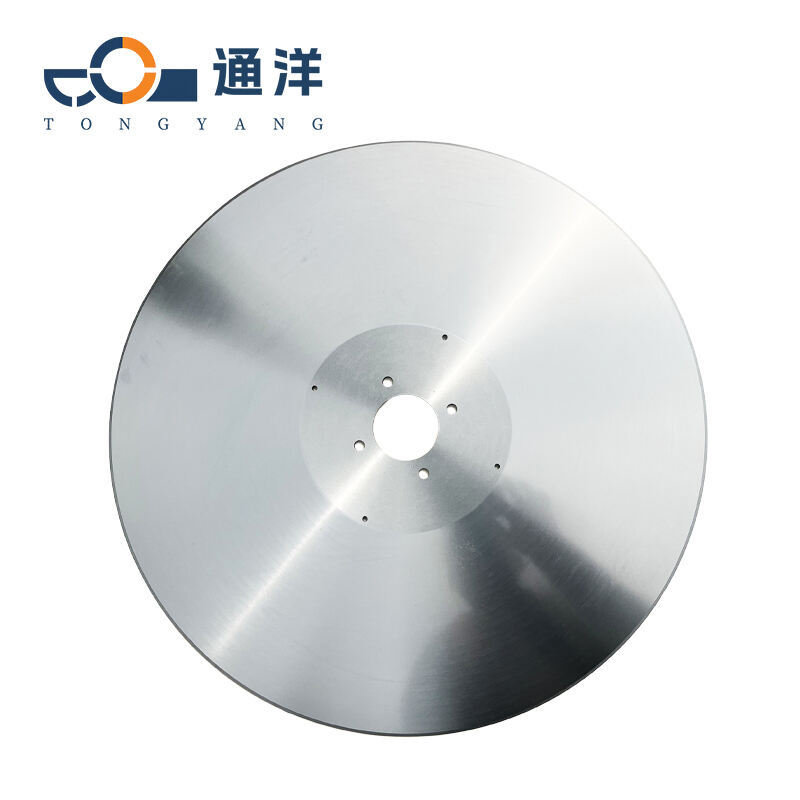
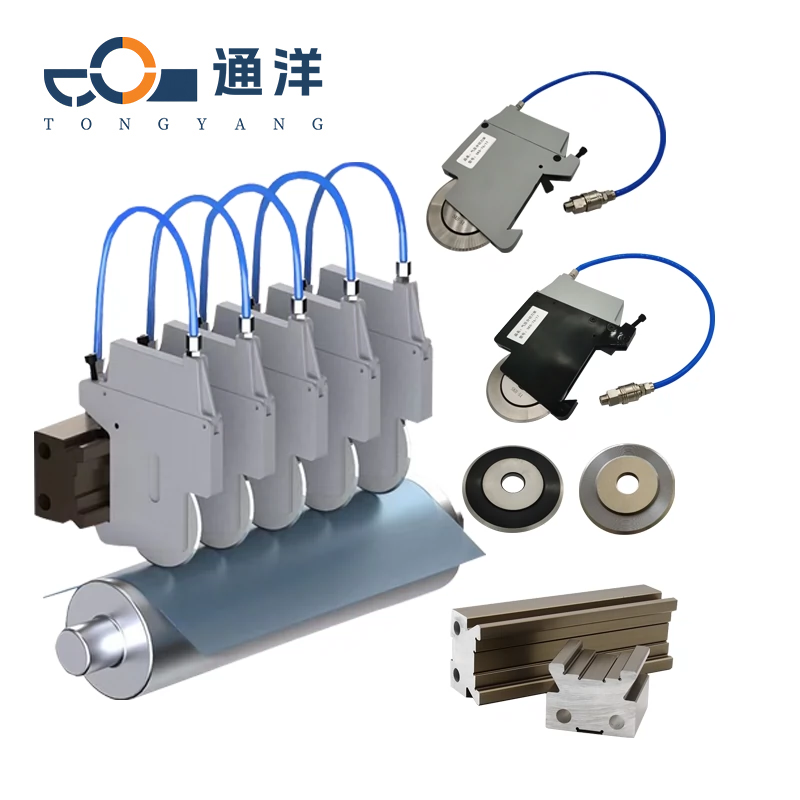
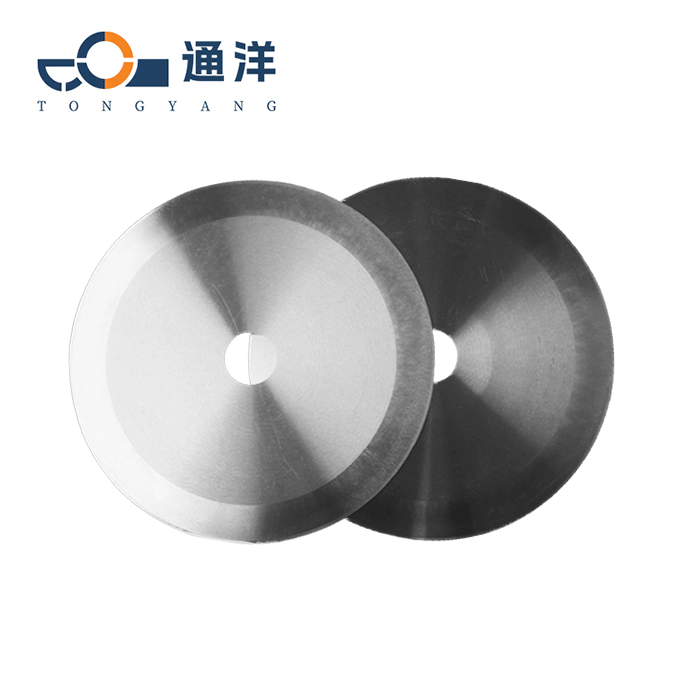
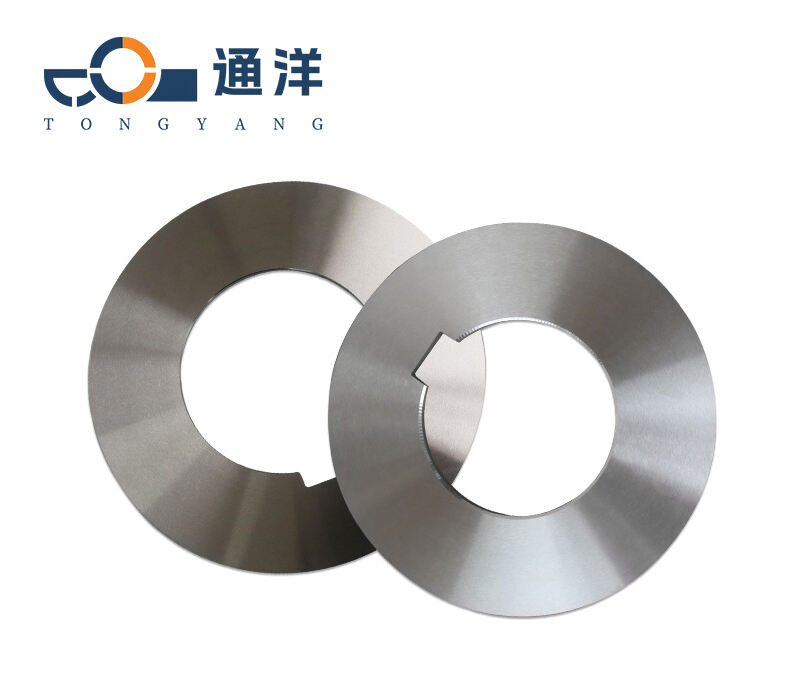
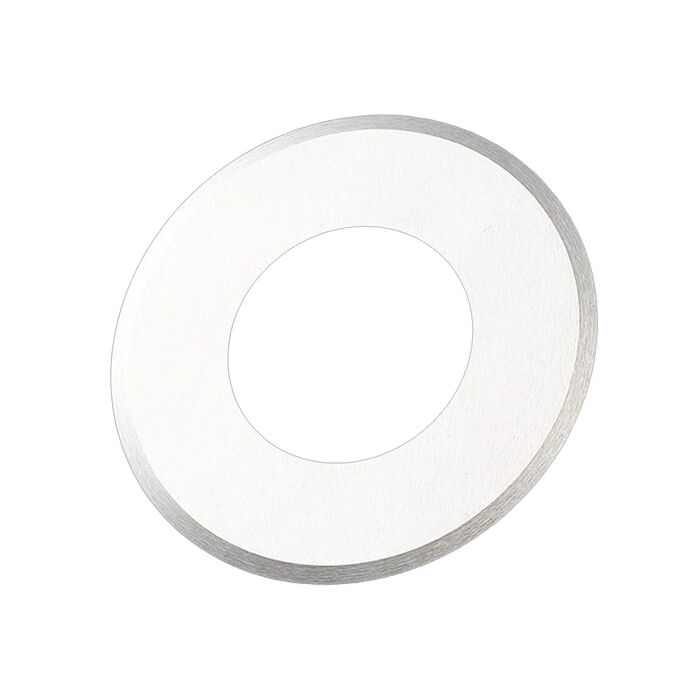
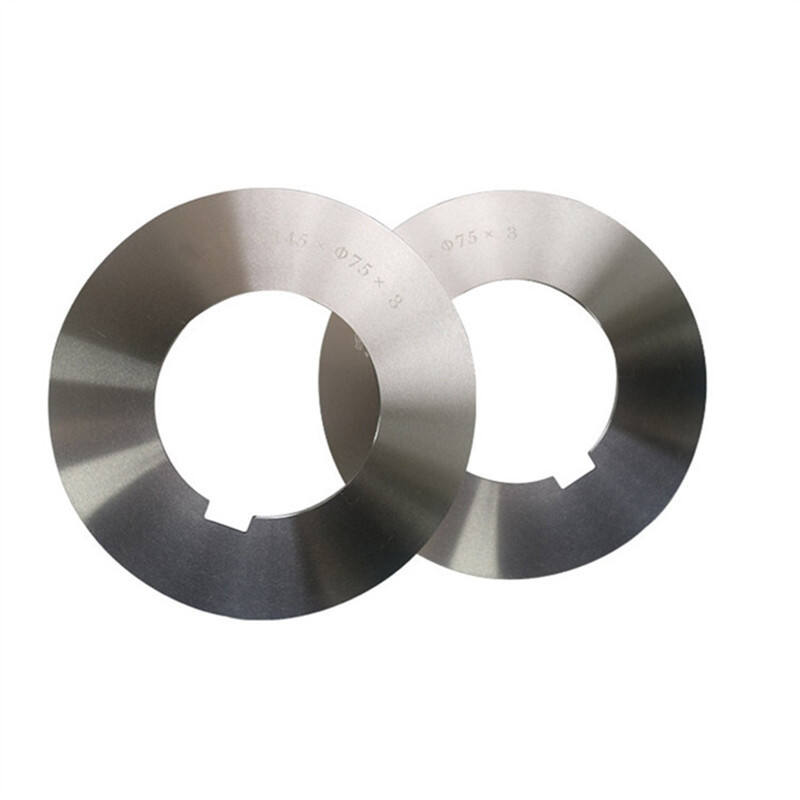
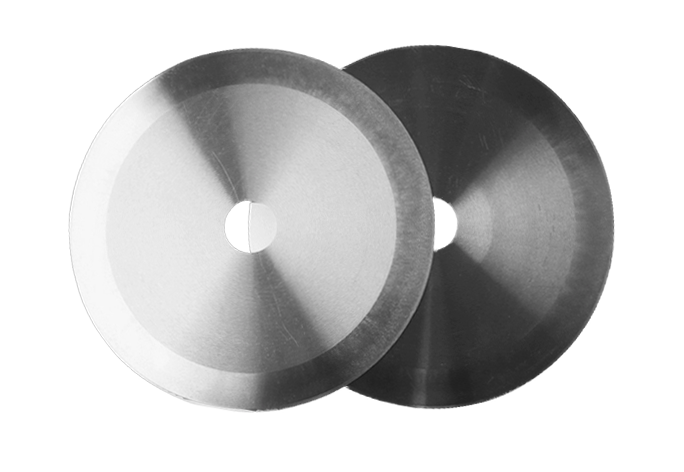
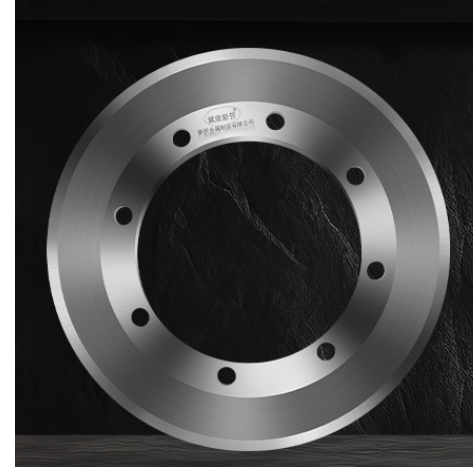
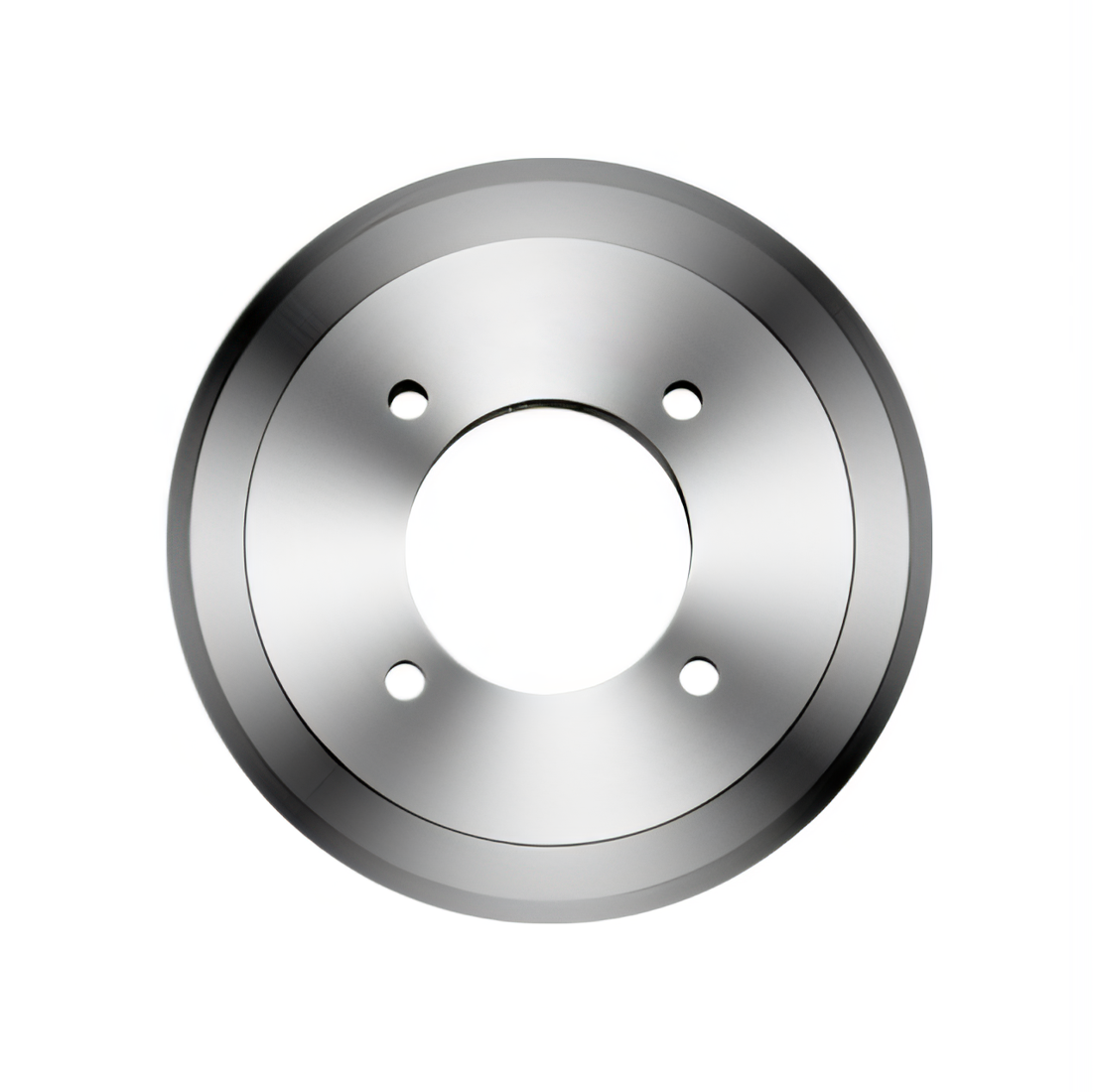
A rubber cutting blade represents a specialized industrial tool engineered specifically for slicing through various types of rubber materials with precision and efficiency. This essential cutting instrument serves manufacturers, processors, and fabricators who work with rubber compounds daily, offering consistent performance across diverse operational environments. The rubber cutting blade features advanced metallurgical composition designed to withstand the unique challenges presented by rubber's elastic and resilient properties. Unlike conventional cutting tools, these blades incorporate specific geometric configurations and edge treatments that prevent material deformation during the cutting process. The primary functions of a rubber cutting blade encompass clean separation of rubber sheets, precise trimming of molded rubber products, accurate sizing of rubber components, and smooth finishing of rubber edges. Modern rubber cutting blade technology integrates hardened steel alloys or carbide materials that maintain sharpness over extended periods, reducing downtime for blade changes and maintenance. The edge geometry of these blades typically features optimized angles that minimize friction while maximizing cutting effectiveness, ensuring that rubber materials do not stick to the blade surface or tear unevenly. Applications for the rubber cutting blade span multiple industries including automotive manufacturing, where rubber seals and gaskets require precise dimensions, conveyor belt production facilities that demand accurate width specifications, footwear manufacturing plants processing rubber soles, and industrial rubber goods producers creating custom components. The technological features embedded in contemporary rubber cutting blade designs include anti-corrosion coatings that extend blade lifespan, specialized heat treatments that enhance edge retention, and ergonomic mounting systems that facilitate quick installation and removal. These blades accommodate various cutting methods from manual handheld operations to automated industrial cutting systems, demonstrating versatility across different production scales. The rubber cutting blade proves indispensable for operations requiring clean cuts without compression damage, maintaining dimensional accuracy critical for quality control standards, and achieving smooth edge finishes that eliminate secondary processing steps.

New Products

The rubber cutting blade delivers exceptional performance advantages that directly translate into operational benefits for businesses handling rubber materials. First and foremost, these specialized blades dramatically reduce material waste by creating clean, precise cuts that eliminate the ragged edges and tears common with unsuitable cutting tools. When you use a proper rubber cutting blade, you immediately notice how smoothly it glides through material without pulling or distorting the rubber, which means your finished products maintain exact specifications without requiring additional trimming or correction. This precision directly impacts your bottom line by maximizing the usable material from each rubber sheet or roll. Another significant advantage comes from the extended service life these blades provide compared to general-purpose cutting tools. The specialized construction of a rubber cutting blade means you will replace blades far less frequently, reducing both the direct costs of purchasing replacement blades and the indirect costs associated with production interruptions for blade changes. Workers appreciate how these blades maintain consistent cutting quality throughout their lifespan rather than gradually degrading, which eliminates the guesswork about when replacement becomes necessary. The rubber cutting blade also enhances workplace safety through its predictable cutting behavior. Because these blades cut smoothly without catching or skipping, operators experience better control during cutting operations, reducing the risk of accidents or injuries. The reduced force required to make cuts with a proper rubber cutting blade also decreases operator fatigue, particularly important in high-volume production environments where workers perform repetitive cutting tasks throughout their shifts. Production speed increases substantially when using appropriate rubber cutting blades because each cut requires less time and effort to complete. Your workers can process more material in less time without sacrificing quality, directly improving productivity metrics. The blades work efficiently across various rubber hardnesses and compositions, from soft sponge rubber to dense solid rubber compounds, eliminating the need to switch between different blade types for different materials. Maintenance simplicity represents another practical advantage, as rubber cutting blade designs typically allow for straightforward sharpening or reconditioning when needed. This capability extends the economic value of each blade while ensuring cutting performance remains optimal. The compatibility of these blades with both manual cutting tools and automated cutting machinery provides flexibility in how you configure your production processes, allowing you to scale operations up or down based on demand without requiring entirely different cutting solutions.

Latest News

Can a Circular Blade Cut Metal? A Look at Hardened Metal Cutting Blades

25

Mar

Can a Circular Blade Cut Metal? A Look at Hardened Metal Cutting Blades

The ability to cut through metal efficiently and precisely has always been a cornerstone of modern manufacturing and fabrication industries. When professionals need to slice through various metal materials, the choice of cutting tool can make the dif...
View More
Choosing the Best Circular Knife for Fabric Cutting

30

Mar

Choosing the Best Circular Knife for Fabric Cutting

Selecting the right circular knife for fabric cutting represents one of the most critical decisions in textile manufacturing and processing operations. The precision, efficiency, and quality of your fabric cutting directly impacts production costs, m...
View More
How to Choose the Perfect Metal Cutting Blade: Pro Guide

06

May

How to Choose the Perfect Metal Cutting Blade: Pro Guide

Selecting the right metal cutting blade is a critical decision that directly impacts production efficiency, cut quality, blade lifespan, and overall operational costs in industrial metalworking operations. Whether you're processing thin gauge steel, ...
View More
How to Sharpen Your Circular Knife: Step-by-Step Guide

30

Apr

How to Sharpen Your Circular Knife: Step-by-Step Guide

Maintaining the sharpness of your circular knife is essential for achieving clean, precise cuts in industrial and commercial applications. Whether you work in rubber processing, textile manufacturing, paper cutting, or food production, a dull circula...
View More

Get a Free Quote

Our representative will contact you soon.
Email
WhatsApp
Name
Company Name
Message
0/1000

rubber cutting blade

Superior Material Compatibility and Cutting Precision

Superior Material Compatibility and Cutting Precision

The rubber cutting blade stands out in industrial applications primarily due to its exceptional material compatibility and cutting precision capabilities that address the unique challenges rubber presents as a cutting substrate. Rubber materials possess distinctive physical properties including high elasticity, varying degrees of hardness, and tendency to deform under pressure, characteristics that make cutting with ordinary blades problematic and inefficient. The specialized design of a rubber cutting blade directly confronts these challenges through carefully engineered blade geometry and material selection. The edge angle of a quality rubber cutting blade typically falls within an optimized range that balances sharpness with durability, creating a cutting action that separates rubber fibers cleanly rather than tearing or compressing them. This precision becomes critically important when manufacturing components with tight tolerance requirements, such as automotive weather stripping where dimensional accuracy affects sealing performance, or industrial gaskets where thickness consistency ensures proper function. The material composition of professional rubber cutting blades incorporates high-carbon steel alloys or tungsten carbide, substances that maintain their edge geometry even after thousands of cutting cycles through abrasive rubber compounds. This edge retention capability means that the first cut and the thousandth cut exhibit nearly identical quality characteristics, providing manufacturing consistency that quality control systems demand. The rubber cutting blade also features surface treatments that minimize friction between the blade and rubber material, preventing the sticky adhesion that causes cutting interruptions and material deformation. When rubber adheres to a blade during cutting, it pulls and distorts the material, creating wavy or uneven cut edges that fail inspection standards. Professional rubber cutting blades incorporate non-stick coatings or polished surfaces that allow rubber to slide past smoothly, maintaining cut straightness and edge quality. The precision delivered by a proper rubber cutting blade extends beyond simple dimensional accuracy to include edge finish quality. Clean-cut edges eliminate the need for secondary finishing operations like grinding or sanding, operations that consume additional time and labor while generating dust and waste. Industries processing food-grade rubber or medical rubber components particularly value this clean-cutting capability because it reduces contamination risks and simplifies compliance with stringent regulatory standards. The versatility of the rubber cutting blade across different rubber formulations represents another dimension of its material compatibility advantage, functioning effectively whether cutting natural rubber, synthetic rubber, or specialized compounds containing reinforcing fibers or fillers.
Enhanced Operational Efficiency and Cost Effectiveness

Enhanced Operational Efficiency and Cost Effectiveness

Implementing the right rubber cutting blade transforms operational efficiency throughout rubber processing facilities by optimizing multiple aspects of the production workflow simultaneously. The efficiency gains begin with cutting speed, where a properly designed rubber cutting blade requires significantly less force to penetrate and traverse rubber material compared to inappropriate cutting tools. This reduced cutting resistance means operators complete each cut faster, directly increasing throughput without requiring faster machine speeds or additional labor. In manual cutting operations, workers using an appropriate rubber cutting blade can maintain consistent pace throughout their shifts because the reduced physical effort delays the onset of fatigue that slows productivity. The blade design that makes cutting easier also contributes to more consistent cutting quality because operators maintain better control when less force is required, reducing errors and rejected pieces. The cost effectiveness of the rubber cutting blade extends well beyond its initial purchase price when you examine total cost of ownership over its service life. These specialized blades typically deliver five to ten times the cutting life of general-purpose blades when used in rubber applications, dramatically reducing the frequency of blade purchases. Even more significantly, longer blade life means fewer production interruptions for blade changes, interruptions that stop output and waste valuable production time. In automated cutting systems, blade changes often require machine shutdown, setup adjustments, and test cuts before resuming full production, processes that can consume thirty minutes or more per blade change. Multiplying these interruptions across multiple blade changes reveals how much production capacity gets lost to maintenance activities. A rubber cutting blade that lasts substantially longer recovers this lost capacity, effectively increasing your production capability without capital investment in additional equipment. The consistent performance of quality rubber cutting blades also reduces scrap and waste, another significant cost factor in rubber processing operations. When blades cut cleanly and accurately throughout their service life, fewer pieces fail quality inspection and require disposal or rework. Since rubber raw materials represent substantial cost in most rubber products, reducing waste directly improves profit margins. The rubber cutting blade also minimizes wear on cutting equipment because the optimized cutting action reduces vibration and stress on machine components, extending maintenance intervals and reducing repair costs.
Versatile Application Range and Adaptability

Versatile Application Range and Adaptability

The rubber cutting blade demonstrates remarkable versatility across an extensive range of applications and operational contexts, making it an invaluable tool for businesses of various sizes and specializations within the rubber industry. This adaptability begins with the blade's effectiveness across different rubber processing methods, from simple bench-mounted cutting of rubber sheets to sophisticated automated systems that cut intricate patterns at high speeds. Manufacturers producing rubber belting rely on rubber cutting blades to achieve the precise widths and lengths that customer specifications demand, often cutting through multiple layers simultaneously to improve efficiency. The ability of a quality rubber cutting blade to maintain cut accuracy through thick rubber stacks eliminates the need for individual piece cutting, substantially reducing processing time. In the automotive sector, rubber cutting blades serve essential roles in producing the numerous rubber components each vehicle requires, from door seals to engine mounts, each demanding different cutting approaches yet all benefiting from the blade's specialized design. The footwear industry depends heavily on rubber cutting blades for processing rubber outsoles, where complex curved profiles require blades that cut smoothly through directional changes without binding or deflecting. The rubber cutting blade adapts equally well to cutting soft, flexible rubber foams used in cushioning applications and dense, rigid rubber compounds found in industrial mounting blocks. This range of hardness compatibility means facilities processing diverse rubber products need not maintain separate cutting tool inventories for different materials, simplifying tool management and reducing inventory costs. The rubber cutting blade also accommodates various rubber formulations including those containing reinforcing fibers, carbon black fillers, or other additives that increase abrasiveness and accelerate wear on unsuitable blades. Custom rubber fabricators particularly value this adaptability because their operations typically involve frequent material changes as they shift between different customer orders, each potentially specifying different rubber compounds. The mounting versatility of rubber cutting blades allows their use in handheld cutting knives for small-batch work, rotary cutting heads for continuous operations, and guillotine-style cutting presses for high-force applications. This compatibility with different tool platforms means businesses can standardize on rubber cutting blade technology across their facilities while still using the most appropriate cutting method for each specific operation. The rubber cutting blade also proves effective across temperature ranges, maintaining performance in ambient workshop conditions as well as in operations involving heated rubber or cooled rubber, expanding its utility across different processing requirements.

Get a Free Quote

Our representative will contact you soon.
Email
WhatsApp
Name
Company Name
Message
0/1000
Newsletter
Please Leave A Message With Us