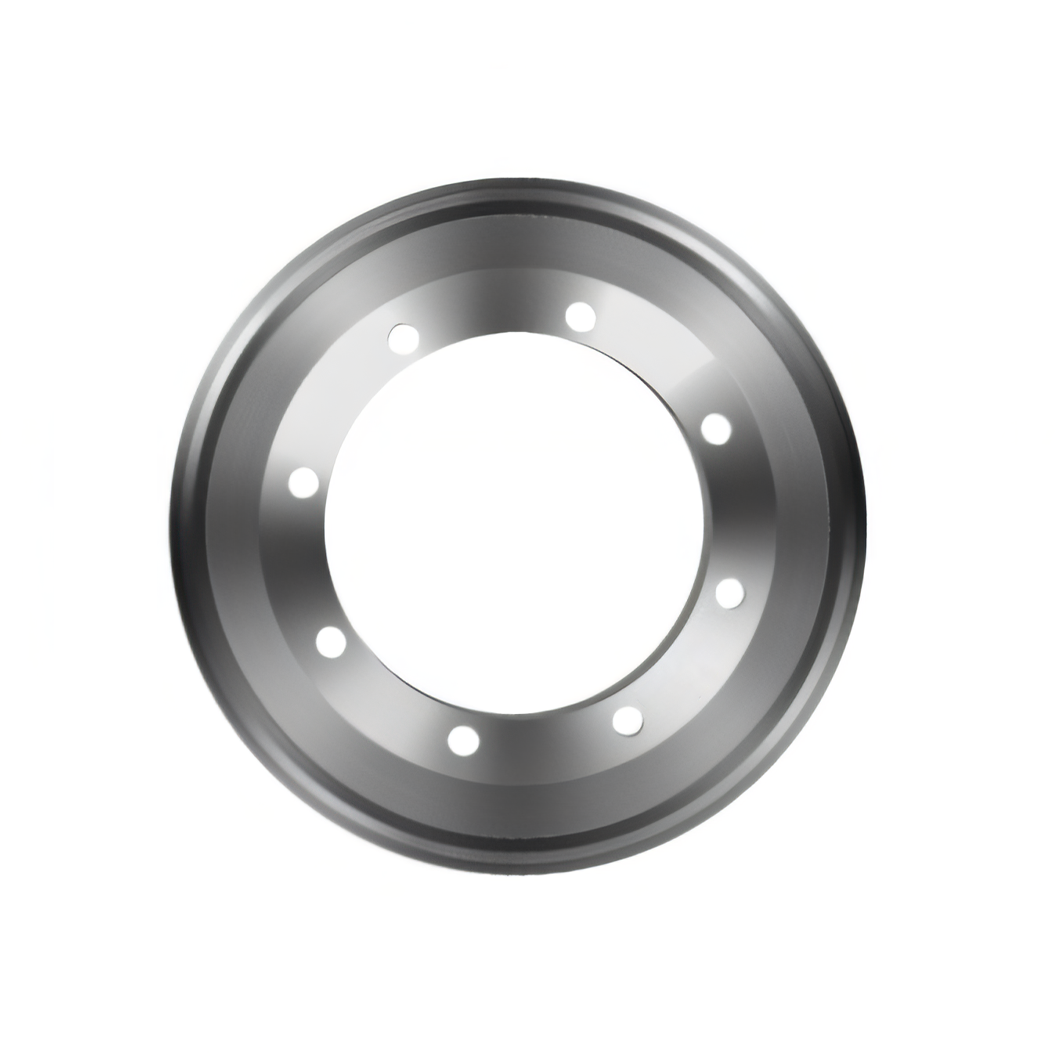
Professional Rubber Cutting Knife - Precision Cutting Tools for Industrial Applications

All Categories

Get a Free Quote

Our representative will contact you soon.
Email
WhatsApp
Name
Company Name
Message
0/1000

rubber cutting knife

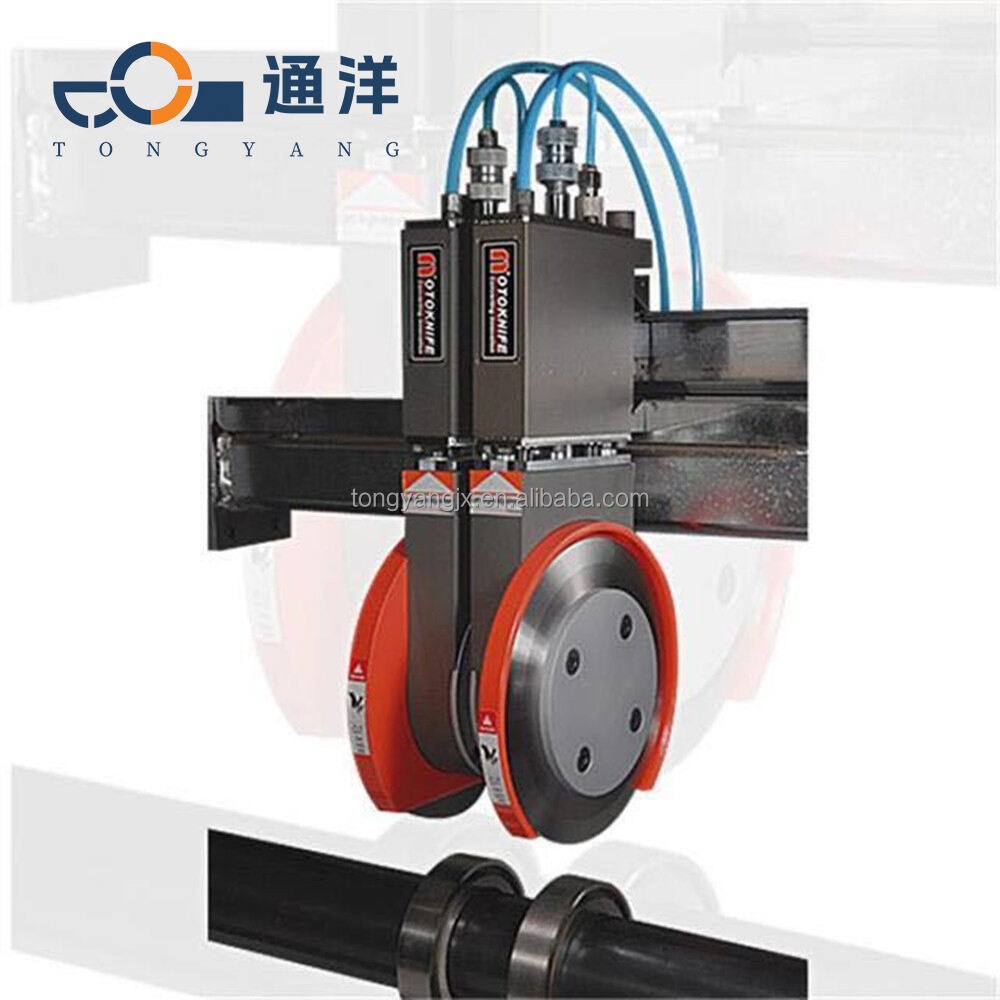
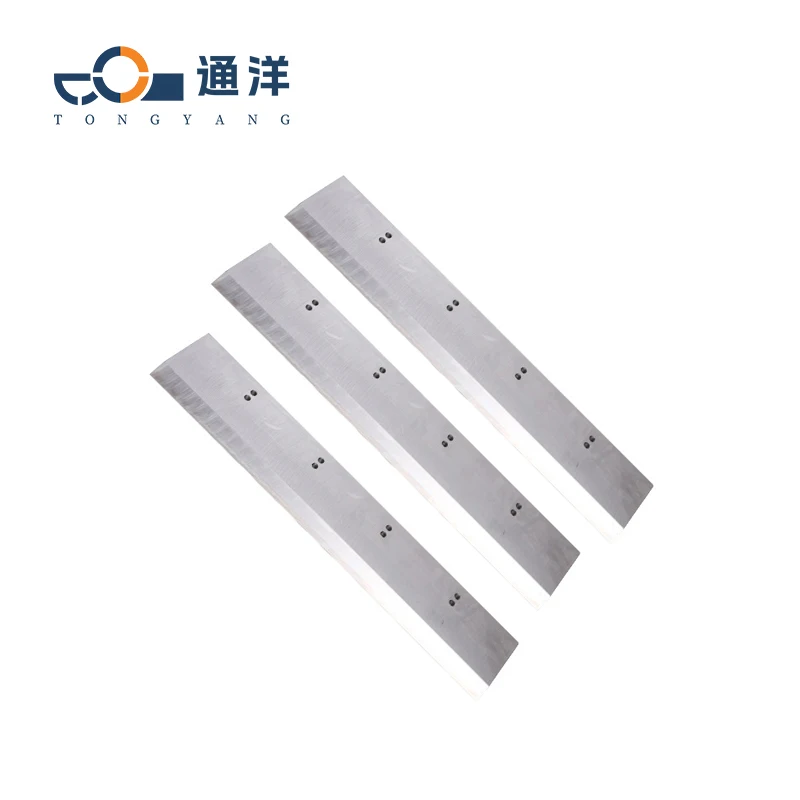
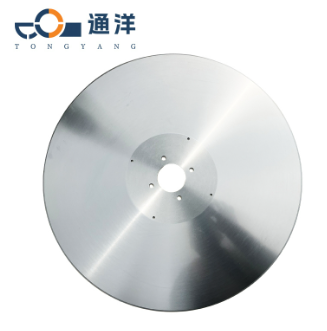
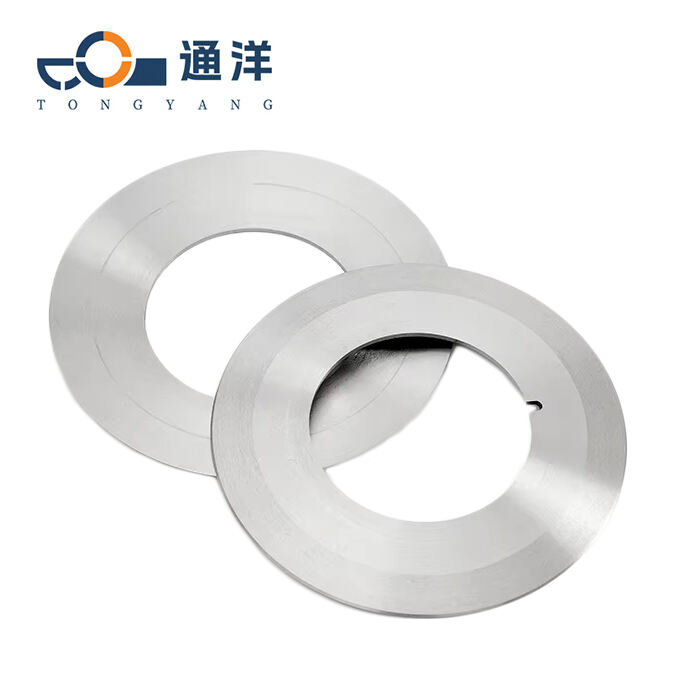
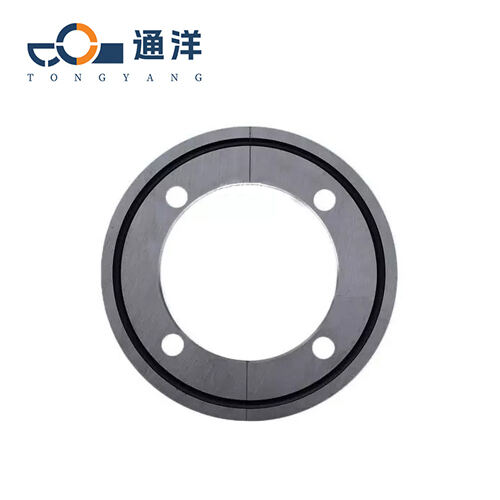
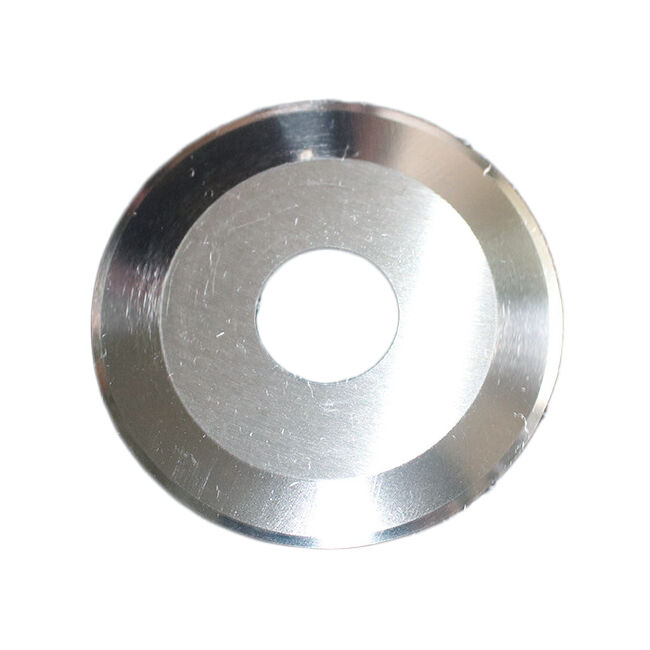
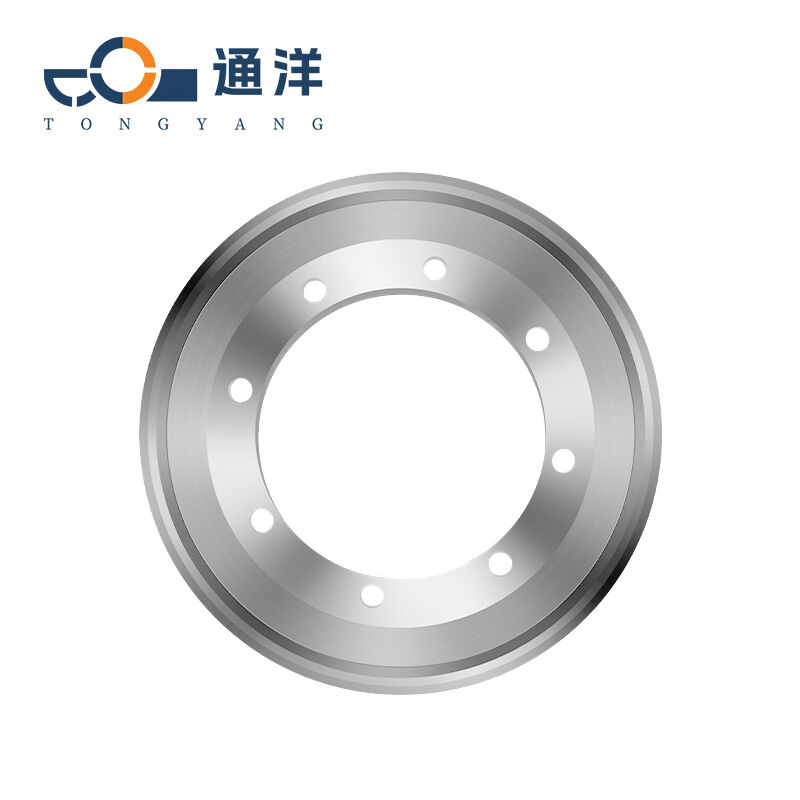
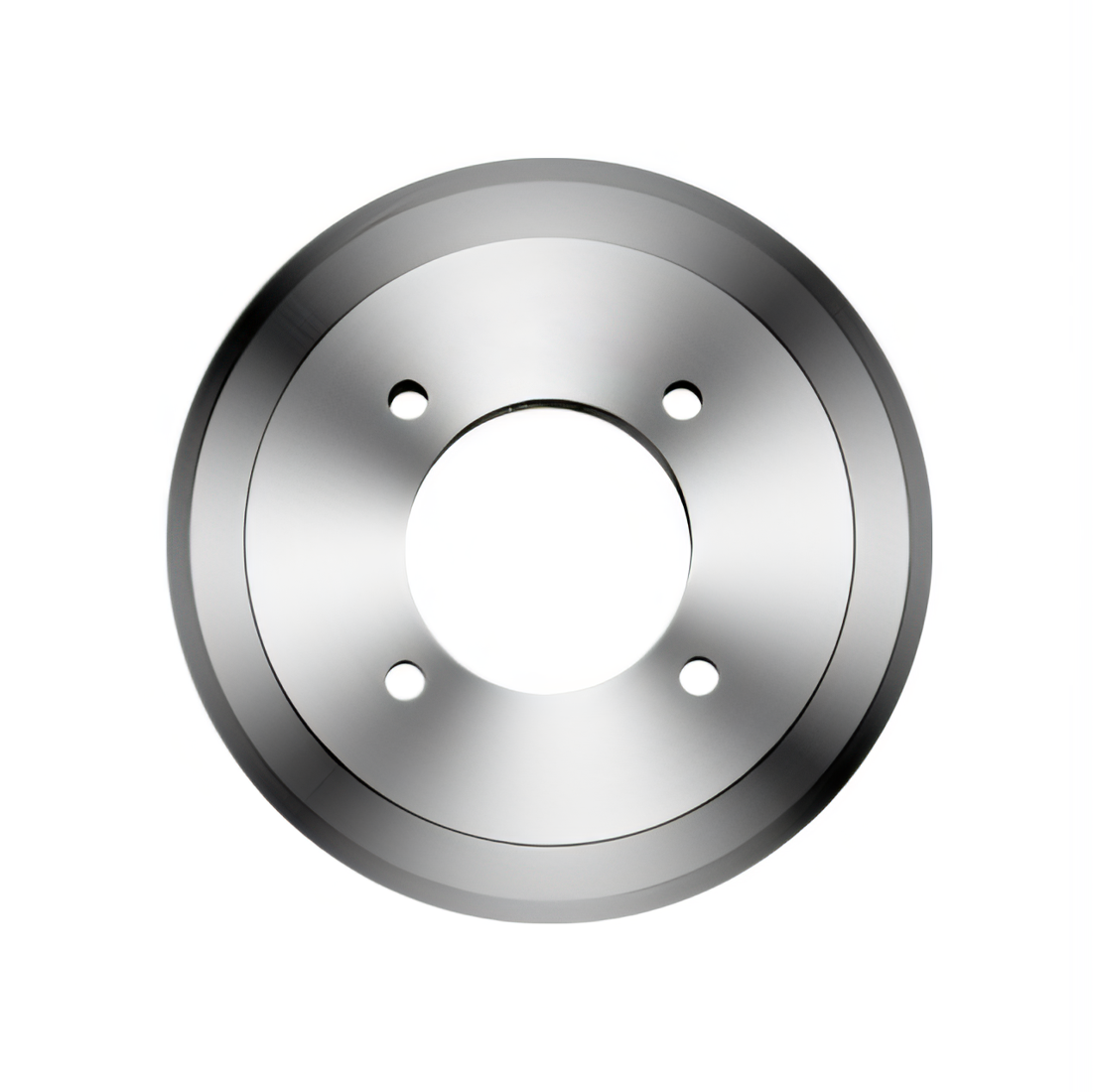
The rubber cutting knife stands as an essential precision tool designed specifically for processing rubber materials across industrial and commercial applications. This specialized cutting instrument features an exceptionally sharp blade engineered from high-grade steel alloys, delivering clean, accurate cuts through various rubber compounds without causing deformation or material damage. The rubber cutting knife incorporates ergonomic design principles that enhance operator comfort during extended use while maintaining optimal control and cutting precision. Modern rubber cutting knife models integrate advanced blade geometry that reduces friction during cutting operations, resulting in smoother edges and minimal material waste. The tool's construction typically includes a balanced weight distribution system that minimizes hand fatigue and improves cutting accuracy. Industrial-grade rubber cutting knife units often feature replaceable blade systems, allowing for quick blade changes without requiring complete tool replacement, thereby reducing long-term operational costs. These cutting instruments prove invaluable in manufacturing facilities, automotive repair shops, construction sites, and crafting studios where rubber materials require precise trimming, shaping, or sizing. The rubber cutting knife demonstrates exceptional versatility by accommodating different rubber hardness levels, from soft foam rubber to dense industrial-grade compounds. Temperature-resistant handles on professional rubber cutting knife models ensure safe operation even during continuous use scenarios. The blade retention system in quality rubber cutting knife products maintains consistent blade positioning throughout the cutting process, eliminating wobble or deflection that could compromise cut quality. Many contemporary rubber cutting knife designs incorporate safety features such as blade guards and locking mechanisms that protect users during storage and transport. The tool's application scope extends beyond simple straight cuts, enabling curve cutting, beveling, and detail work on rubber components. Manufacturing processes benefit significantly from the rubber cutting knife's ability to maintain dimensional accuracy across repeated cutting operations, ensuring product consistency and reducing quality control issues.

New Products

The rubber cutting knife offers numerous practical benefits that directly impact productivity and cost-efficiency in rubber processing operations. Users experience immediate improvements in cutting speed compared to traditional cutting methods, with the specialized blade design enabling faster material processing without sacrificing precision. The tool's sharp cutting edge remains effective through thousands of cutting cycles when properly maintained, providing excellent value through extended service life. Operators appreciate the reduced physical effort required when using a quality rubber cutting knife, as the optimized blade angle and sharpness minimize the force needed to penetrate rubber materials. This ergonomic advantage translates to decreased worker fatigue and increased daily productivity, particularly in high-volume production environments. The rubber cutting knife produces cleaner cut edges than alternative cutting methods, eliminating the need for secondary finishing operations in many applications. This streamlined workflow reduces processing time and labor costs while improving overall product quality. Material waste decreases significantly when using a properly designed rubber cutting knife because precise cuts minimize trimming errors and unnecessary material removal. The tool's portability allows workers to perform cutting operations at various locations without requiring fixed cutting stations or heavy equipment. Maintenance requirements for the rubber cutting knife remain minimal, typically involving only periodic blade sharpening or replacement, which keeps operational costs low. The versatility of this cutting instrument eliminates the need for multiple specialized tools, as a single rubber cutting knife can handle diverse rubber types and thicknesses. Safety improvements become apparent when workers transition to modern rubber cutting knife designs that incorporate protective features reducing injury risks. The tool's consistent performance ensures predictable results across different production batches, supporting quality assurance objectives and customer satisfaction. Training new employees to use a rubber cutting knife requires minimal time investment compared to complex cutting machinery, accelerating workforce onboarding. The compact design of most rubber cutting knife models facilitates easy storage and transport between work areas. Cost savings accumulate through reduced tool replacement frequency, lower maintenance expenses, and decreased material waste. Environmental benefits emerge from the rubber cutting knife's efficient cutting action, which generates fewer rubber particles and dust compared to abrasive cutting methods. The tool's mechanical simplicity means fewer potential failure points, resulting in higher reliability and reduced downtime. Precision cutting capability supports tight tolerance requirements in technical rubber applications, enabling manufacturers to meet exacting specifications consistently.

Latest News

Industrial Circular Knife Applications: Complete Overview

25

Mar

Industrial Circular Knife Applications: Complete Overview

Industrial cutting operations rely heavily on precision tools that deliver consistent results across diverse manufacturing environments. The circular knife stands as one of the most versatile and essential cutting implements in modern industrial appl...
View More
How to Extend Your Film Slitting Blade Lifespan

25

Mar

How to Extend Your Film Slitting Blade Lifespan

Manufacturing operations that rely on precise film cutting know that blade performance directly impacts production efficiency and product quality. A well-maintained film slitting blade can significantly reduce downtime, minimize material waste, and e...
View More
Maximizing ROI with Quality Corrugated Cardboard Cutting Blade

25

Mar

Maximizing ROI with Quality Corrugated Cardboard Cutting Blade

In today's competitive packaging industry, maximizing return on investment requires strategic investments in high-quality equipment and tools. The efficiency of your corrugated cardboard production line directly impacts your bottom line, and selectin...
View More
2025 Guide: Choosing the Right Slitter Blades for Your Industry

09

Apr

2025 Guide: Choosing the Right Slitter Blades for Your Industry

Selecting the appropriate slitter blades for your specific industry applications represents a critical decision that directly impacts operational efficiency, product quality, and overall production costs. Industrial cutting operations across manufact...
View More

Get a Free Quote

Our representative will contact you soon.
Email
WhatsApp
Name
Company Name
Message
0/1000

rubber cutting knife

Superior Blade Technology for Exceptional Cutting Performance

Superior Blade Technology for Exceptional Cutting Performance

The rubber cutting knife incorporates cutting-edge blade technology that fundamentally transforms rubber processing capabilities across industrial sectors. At the core of this innovation lies the metallurgical composition of the blade material, which utilizes high-carbon stainless steel alloys specifically formulated to maintain sharpness while resisting wear from repetitive contact with rubber compounds. The molecular structure of these advanced alloys provides the optimal balance between hardness and flexibility, preventing blade chipping while allowing slight flex that accommodates irregular cutting paths. Manufacturing processes for rubber cutting knife blades involve precision grinding techniques that create microscopic serrations along the cutting edge, enhancing bite into rubber surfaces without creating visible teeth that might snag or tear materials. The blade geometry features a carefully calculated angle that optimizes penetration force distribution, requiring less pressure from operators while achieving deeper, more controlled cuts. Heat treatment procedures during blade production create a hardened cutting edge that resists deformation even under sustained use, while the blade body retains sufficient flexibility to absorb shock and prevent catastrophic failure. The surface finishing applied to quality rubber cutting knife blades includes specialized coatings that reduce friction coefficients, allowing the blade to glide through rubber materials with minimal resistance. These coatings also provide corrosion resistance, protecting the blade from degradation when exposed to oils, solvents, or moisture commonly present in rubber processing environments. The blade attachment system in professional rubber cutting knife models employs precision-machined components that eliminate play or movement, ensuring the cutting edge maintains perfect alignment throughout operation. Blade width and thickness specifications in the rubber cutting knife are optimized to provide structural rigidity without creating excessive material displacement during cutting, resulting in narrower kerfs and reduced waste. The cutting edge retention capabilities of modern rubber cutting knife blades far exceed conventional cutting tools, maintaining effective sharpness through extended production runs before requiring maintenance. This extended edge life translates directly to reduced operational interruptions and lower consumable costs over the tool's lifetime. The blade's performance remains consistent across varying rubber hardness levels, from soft cellular rubber to dense solid compounds, demonstrating the versatility inherent in advanced rubber cutting knife design.
Ergonomic Design Maximizing Operator Comfort and Control

Ergonomic Design Maximizing Operator Comfort and Control

The rubber cutting knife features sophisticated ergonomic engineering that prioritizes operator wellbeing while enhancing cutting precision and control throughout extended use periods. Handle design represents a critical component of the rubber cutting knife's ergonomic profile, incorporating anatomically contoured grips that conform naturally to hand shapes and reduce pressure concentration points during operation. Materials selected for handle construction provide optimal friction characteristics, ensuring secure grip even when operators wear gloves or encounter moisture, oils, or other substances common in rubber processing facilities. The weight distribution engineering in quality rubber cutting knife products places the center of gravity precisely at the grip point, eliminating the wrist strain associated with blade-heavy or handle-heavy tools. This balanced configuration allows operators to maintain control with minimal grip force, reducing hand fatigue and the risk of repetitive strain injuries during high-volume cutting tasks. Handle length and diameter specifications in the rubber cutting knife accommodate diverse hand sizes while providing sufficient leverage for cutting through thicker rubber sections without requiring excessive force application. Textured grip surfaces incorporate strategic pattern designs that enhance tactile feedback, allowing operators to sense blade position and orientation without visual confirmation, particularly valuable when working in confined spaces or awkward angles. The handle-to-blade transition area in well-designed rubber cutting knife models includes a finger guard that protects against accidental contact with the cutting edge during use while providing a natural indexing point for consistent hand placement. Vibration damping properties built into rubber cutting knife handles absorb shock generated during cutting operations, preventing the transmission of jarring impacts to the operator's hand and arm. Temperature isolation features in professional rubber cutting knife handles protect users from heat that may accumulate in the blade during continuous cutting operations or when processing materials at elevated temperatures. The overall length of the rubber cutting knife is optimized to provide reach into recessed areas while maintaining maneuverability in tight workspaces. Handle materials resist degradation from exposure to chemicals, oils, and solvents encountered in rubber manufacturing environments, maintaining grip integrity throughout the tool's service life. The ergonomic advantages of advanced rubber cutting knife designs manifest as measurable improvements in operator productivity, reduced error rates, and decreased workplace injury incidents related to cutting operations.
Versatile Application Range Across Multiple Industries

Versatile Application Range Across Multiple Industries

The rubber cutting knife demonstrates remarkable versatility through its ability to serve diverse cutting requirements across numerous industrial sectors and specialized applications. In automotive manufacturing and repair facilities, the rubber cutting knife excels at trimming weather stripping, gasket materials, hose assemblies, and various rubber components to precise dimensions required for proper fitment and sealing performance. The tool's precision enables technicians to create clean cuts on installed rubber parts without damaging surrounding components or requiring part removal, significantly reducing service time and labor costs. Construction industry professionals rely on the rubber cutting knife for processing expansion joint materials, rubber flooring products, roofing membranes, and waterproofing components that demand accurate sizing and clean edge finishes. The portability of the rubber cutting knife allows construction workers to perform on-site cutting operations without requiring electrical power or bulky equipment, enhancing workflow efficiency on active job sites. Manufacturing facilities producing rubber products utilize the rubber cutting knife throughout production processes, from initial material sizing to final product trimming and quality control adjustments. The tool's consistent cutting performance supports manufacturing quality standards by delivering repeatable results across production batches. Marine industry applications for the rubber cutting knife include fabricating custom rubber fenders, cutting hatch seals, trimming non-slip deck surfaces, and modifying various rubber components used in boat construction and maintenance. Aerospace applications demand the precision that quality rubber cutting knife products provide when processing specialized rubber compounds used in sealing systems, vibration isolation components, and environmental protection barriers. The furniture manufacturing sector employs the rubber cutting knife for cutting foam rubber cushioning materials, trimming edge protectors, and processing various rubber components integrated into modern furniture designs. Crafting and prototyping activities benefit from the rubber cutting knife's ability to execute detailed cuts and intricate shapes in rubber materials for artistic projects, product development samples, and custom fabrication work. HVAC installation professionals use the rubber cutting knife for sizing insulation sleeves, cutting gasket materials, and trimming various rubber components in climate control systems. The medical device industry applies the rubber cutting knife in manufacturing processes requiring precise cuts on rubber components used in equipment assemblies and patient interface products. This broad application spectrum demonstrates how the rubber cutting knife serves as a universal solution for rubber processing needs across professional disciplines and industrial sectors.

Get a Free Quote

Our representative will contact you soon.
Email
WhatsApp
Name
Company Name
Message
0/1000
Newsletter
Please Leave A Message With Us